China's CCIC Develops High-Value Recycling Technology for 12k-48k Carbon Fiber Waste
en.Wedoany.com Reported - The team of Professor Yi Xiaosu at the Yangtze River Delta Technology Innovation Center for Carbon Fibre and Composites (CCIC) has unveiled a full-chain recycling and remanufacturing technology to address four challenges in the carbon fiber industry: high energy consumption, high carbon emissions, high raw material costs, and low-value downcycling of waste materials.
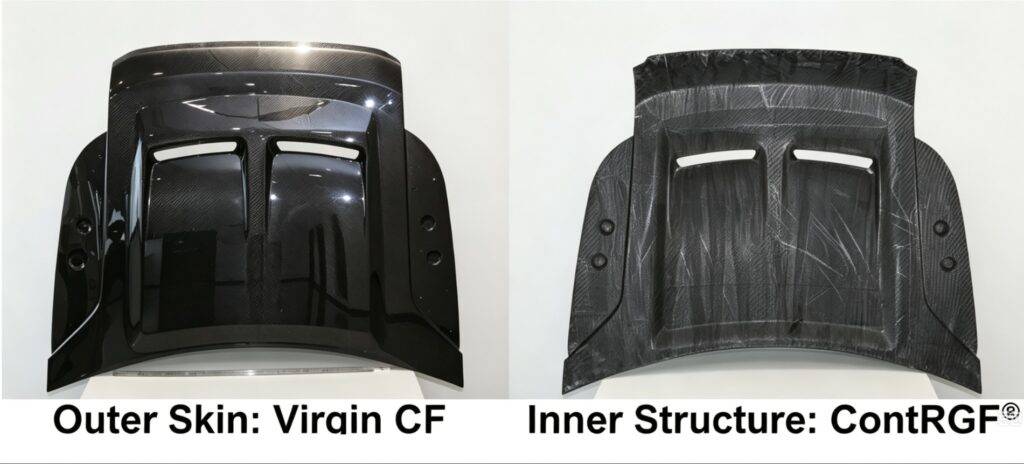
Producing 1 kilogram of virgin polyacrylonitrile (PAN)-based carbon fiber requires 318.2 megajoules of energy and generates nearly 20 kilograms of carbon emissions; the production stage accounts for approximately 60% of the total greenhouse gas emissions across the composite material lifecycle. China currently accounts for more than 50% of global installed carbon fiber production capacity, and the industry faces pressure to transition toward a low-carbon model. The price of virgin carbon fiber at $11 to $17.5 per kilogram also poses a cost barrier to its large-scale application in automotive lightweighting. Conventional recycling processes, meanwhile, can only yield low-end products such as chopped fiber injection molding compounds and chopped strand mats, making it difficult for the material to re-enter high-value-added segments such as carbon fiber fabrics and prepregs.
The core technological output of this release is ContRGF. This patented technology converts waste chopped carbon fiber into continuous filament tows, covering specifications from 12k to 48k, with the resulting fibers achieving a tensile strength of 2.0 to 3.5 GPa and a modulus of 200 to 350 GPa, in compliance with domestic large-tow carbon fiber industrial standards. Combining ContRGF with the rosin-based bio-epoxy resin developed under the Sino-European collaborative project ECO-COMPASS yields the eco-friendly composite ContRPMC. This green composite can also release high-value components through mild catalytic degradation, forming a circular economy chain. The team has completed trial production and validation of lightweight automotive components and aerospace structural parts.
CCIC states that ContRGF-branded fabrics are compatible with mainstream composite manufacturing processes including hand lay-up, compression molding, vacuum forming, and RTM liquid molding, and can be used on existing production lines without major modifications. Target markets cover automotive, rail transit, marine, consumer electronics, sporting goods, and aircraft interior components.
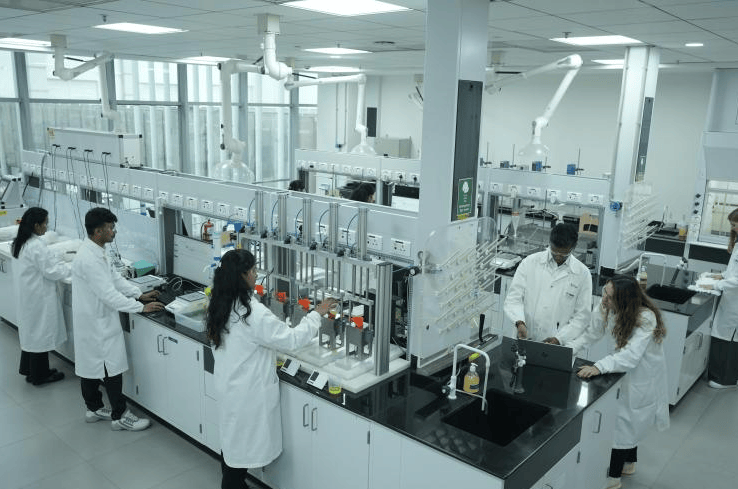
To date, CCIC has built its first laboratory-scale catalytic degradation facility, equipped with customized treatment chambers that accommodate composite waste of varying geometries and sizes, enabling whole-component recycling; a pilot-scale recycled carbon fiber weaving production line has also been commissioned for small-batch production of ContRGF fabrics and prepregs.
The team recently manufactured a hybrid composite automotive hood demonstrator. Professor Yi Xiaosu, CEO of CCIC, explained that the demonstrator's outer skin uses virgin carbon fiber fabric to ensure Class-A surface quality, while the internal structural core primarily uses ContRGF, with a virgin-to-recycled fiber ratio of approximately 1:2 to 1:3, balancing surface quality, mechanical performance, and cost. In addition to the hood, the team has developed various automotive parts and non-structural aircraft composite prototypes.
Dr. Liu Ziqian, Director of Industrial Cooperation at CCIC, stated that this provides a new pathway for low-cost, low-carbon recycling of epoxy composites. The team will continue to advance technological maturity and work with domestic and international value chain partners to explore market opportunities for recycled carbon fiber composites.
In November 2025, CCIC signed a strategic cooperation agreement with Michelin (Shanghai) Polymers Co., under which the two parties will conduct joint R&D and industrialization around bio-based, non-toxic high-performance resin systems.
Related Products


CAP1400 main feedwater flow nozzle flowmeter.
Jiangsu Hongda Instrument Technology Co., LTD.
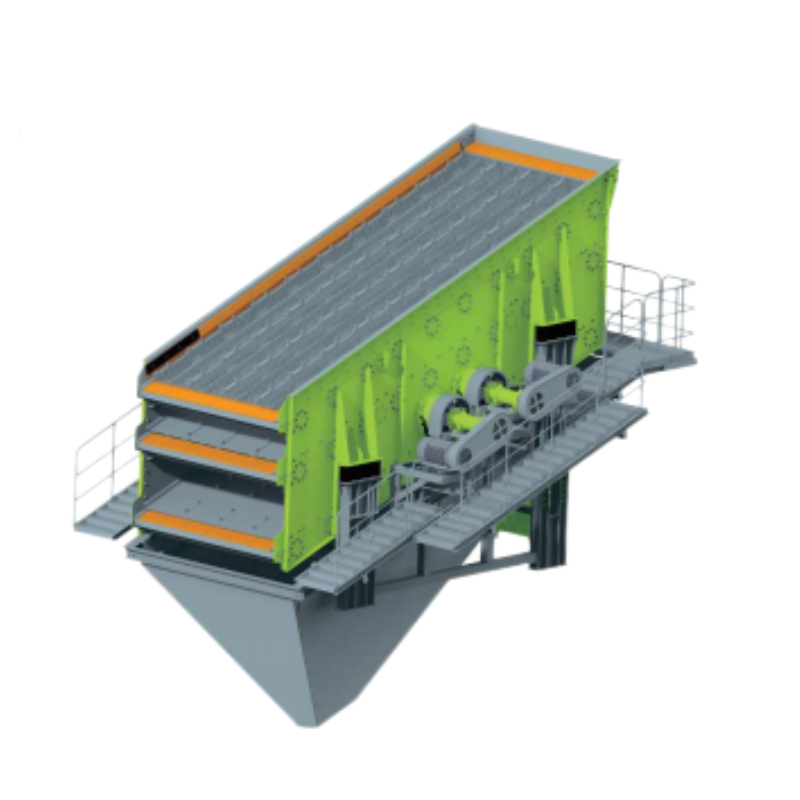
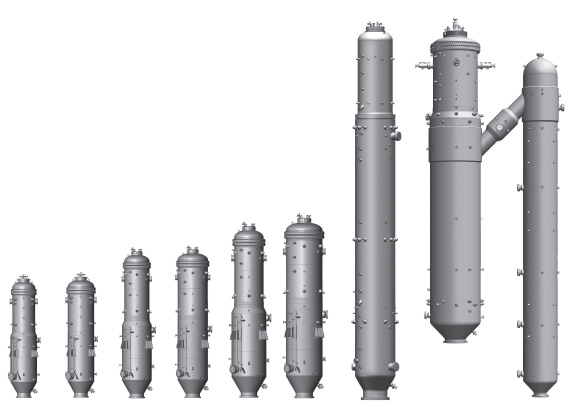
Gasification Furnace Series: Freely Combinable Aerospace Furnace
CHANGZHENG ENGLINEERING CO., LTD.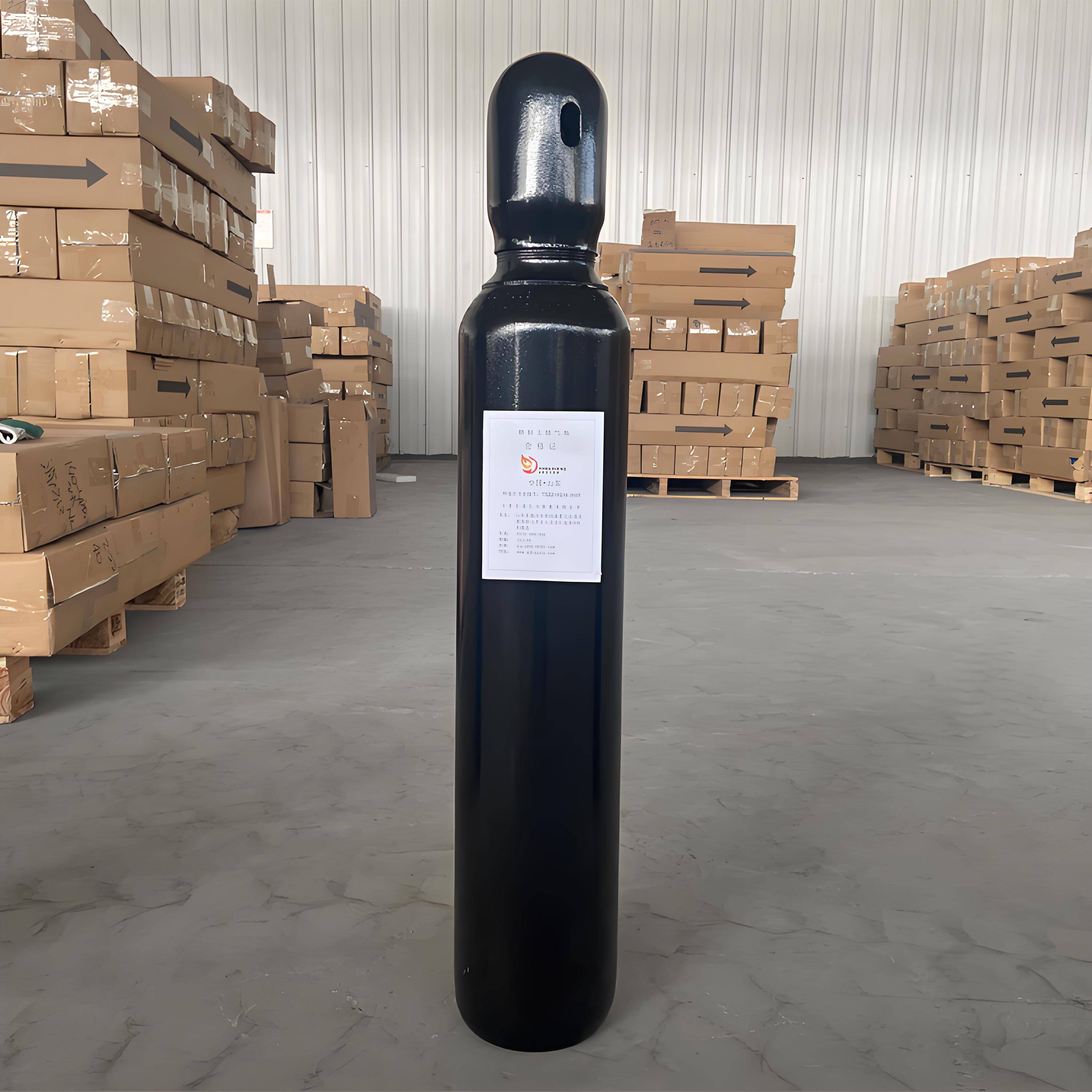
Nitrogen Export, Nitrogen Manufacturer, High-purity Nitrogen Supplier
Foshan Yuexin Industrial Gas Co., Ltd.