University of Surrey develops new polymer that decomposes at 90°C and repolymerizes upon cooling
en.Wedoany.com Reported - A research team at the University of Surrey has published a study in the journal Macromolecules, introducing a new polymer that can simplify the application, removal, and recycling of materials.
Traditional plastics such as polyethylene are widely used in everyday products like shopping bags, food packaging, and shampoo bottles, but their resistance to degradation makes them unsuitable for chemical recycling. Previously developed chemically recyclable polymers typically require higher temperatures of around 150 to 200 degrees Celsius to decompose, and the recovered materials often need additional chemical treatment to be converted back into plastics.
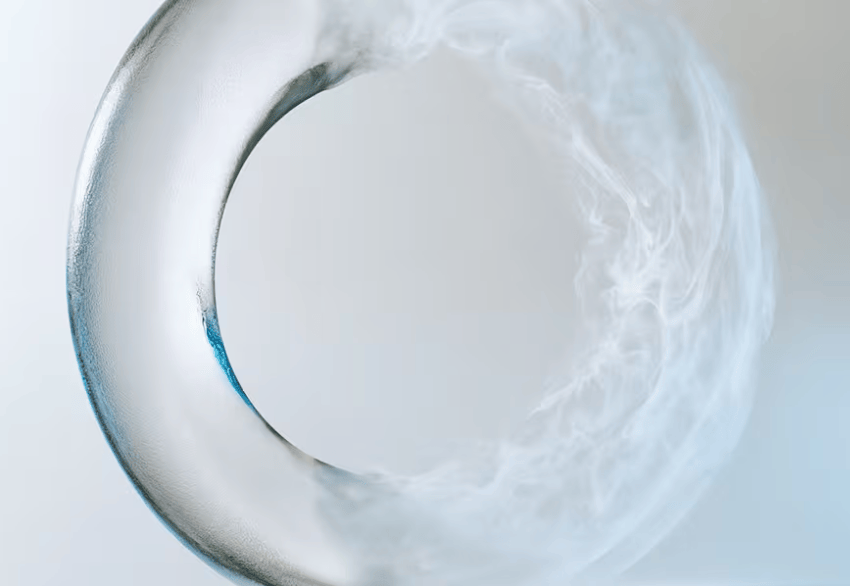
The new material prepared by the Surrey team is similar to polyethylene—soft, insoluble, and hydrophobic—but it can be efficiently depolymerized at just 90 degrees Celsius, breaking down into basic units called monomers. Unlike most depolymerization processes that yield liquid monomers, this material forms a gas. When the vapor cools, it automatically reassembles into the original waterproof polymer with the same properties as before.
Dr. Peter Roth, corresponding author of the study and Senior Lecturer in Applied Organic and Polymer Chemistry at the University of Surrey, stated that most plastics are designed to be stable, which is precisely why they are difficult to recycle or remove. He noted that the research team has demonstrated the possibility of creating a material that behaves very differently—capable of transforming into a vapor at relatively low temperatures and then naturally rebuilding into the same polymer. In his view, this material is not a replacement for traditional plastics, nor is it certainly a solution to the global plastic waste problem, but it does introduce a new concept that could inspire an entirely new generation of circular materials.
To demonstrate this concept, the team proposed three potential applications. First, waterproof polymer coatings were prepared by condensing the polymer vapor onto surfaces. Second, they showed that these coatings could be removed simply by reheating, causing the polymer to evaporate. Finally, they demonstrated that contaminated polymer could be purified through sublimation, separating the polymer from model additives before it re-forms into a clean solid.
Touseef Kazmi, first author of the study and a postgraduate researcher at the University of Surrey, stated that the team has proven a working principle that did not previously exist. He believes that if researchers can learn how to tune this chemistry, it could ultimately lead to new materials that are easier to apply, remove, and recycle than many of today's plastics.
This work provides a proof of concept for new circular materials, which could ultimately drive novel methods for applying and removing waterproof coatings, particularly in applications where liquid coatings struggle to cover complex surfaces.
Related Products


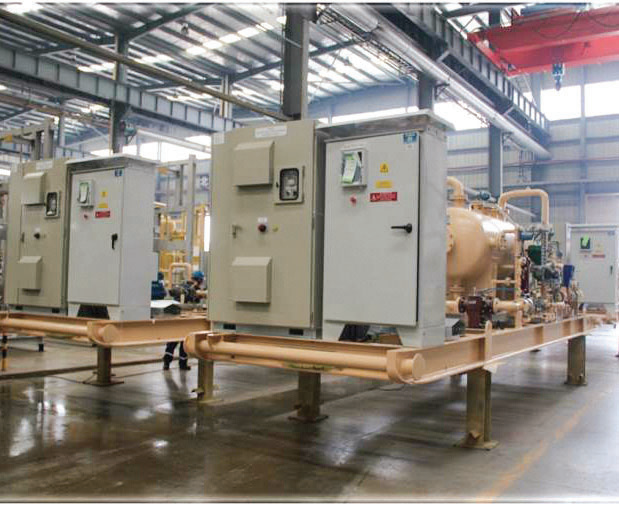
CAP1400 main feedwater flow nozzle flowmeter.
Jiangsu Hongda Instrument Technology Co., LTD.
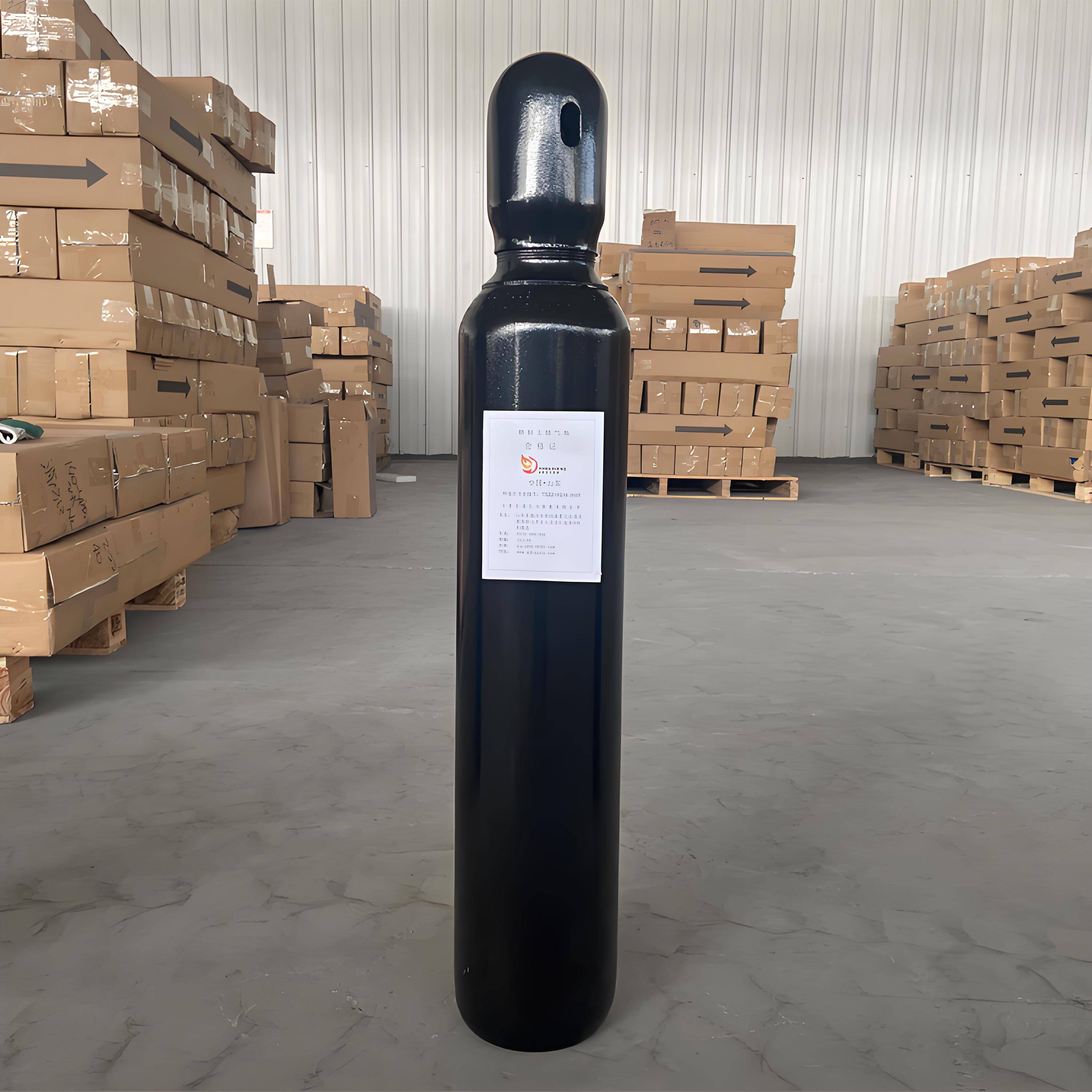
Nitrogen Export, Nitrogen Manufacturer, High-purity Nitrogen Supplier
Foshan Yuexin Industrial Gas Co., Ltd.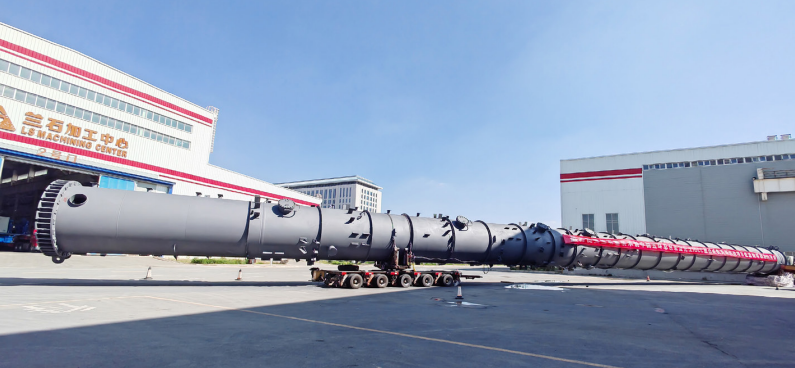
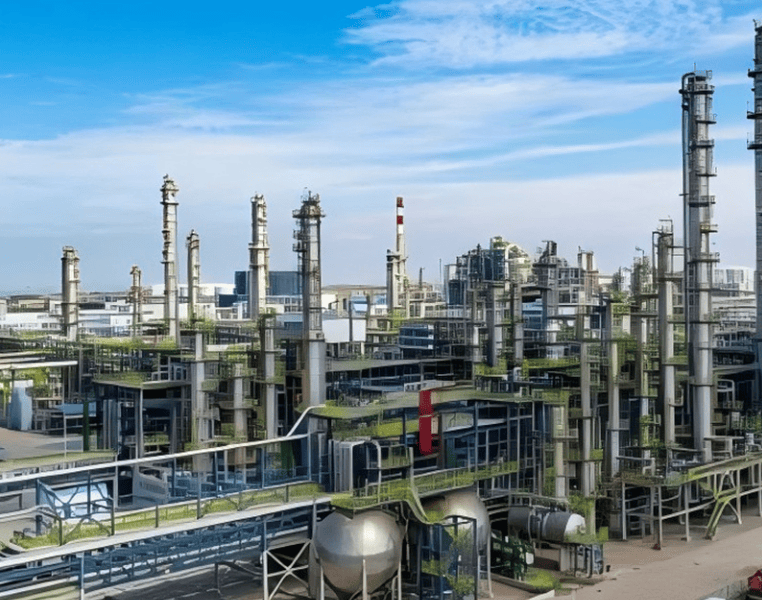
Steel Pipes for Refining and Coal Chemical Industries
YANGZHOU LONTRIN ENERGY EQUIPMENT CO.,LTD.
Industrial and Commercial Point-Type Gas Detector
Jinan Benan Technology Development Co., Ltd.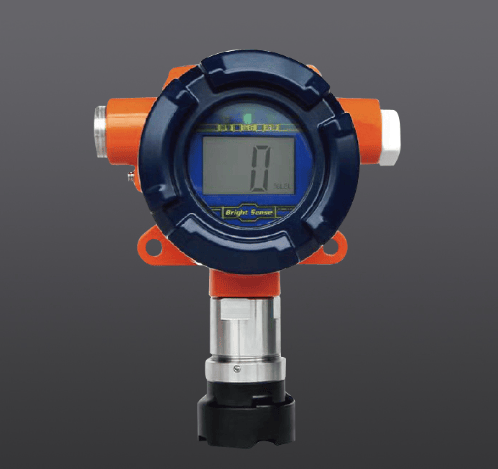
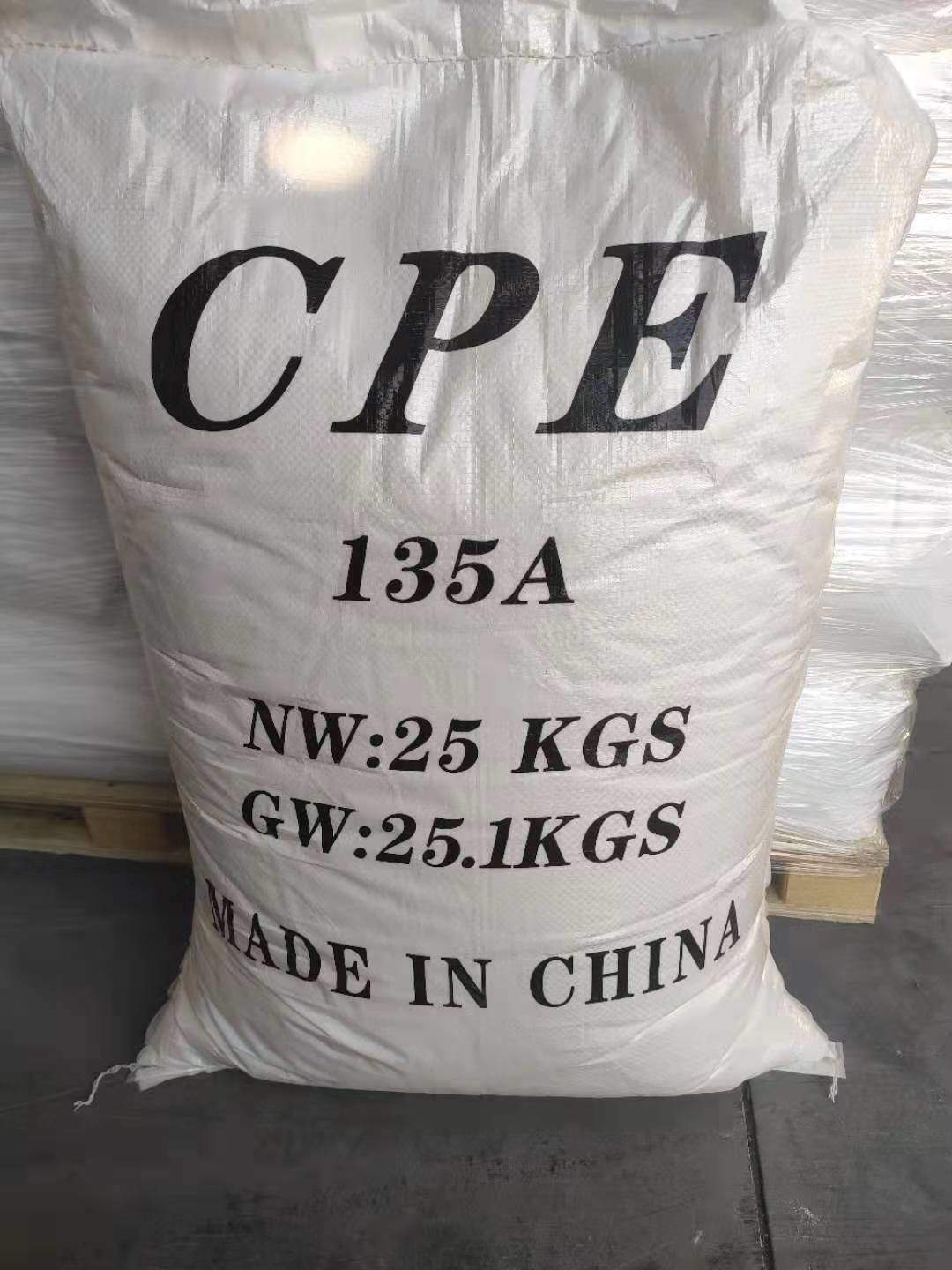
PVC Impact-Modified Chlorinated Polyethylene
Gansu Jinchuan Hengxin Polymer Technology Co., Ltd.
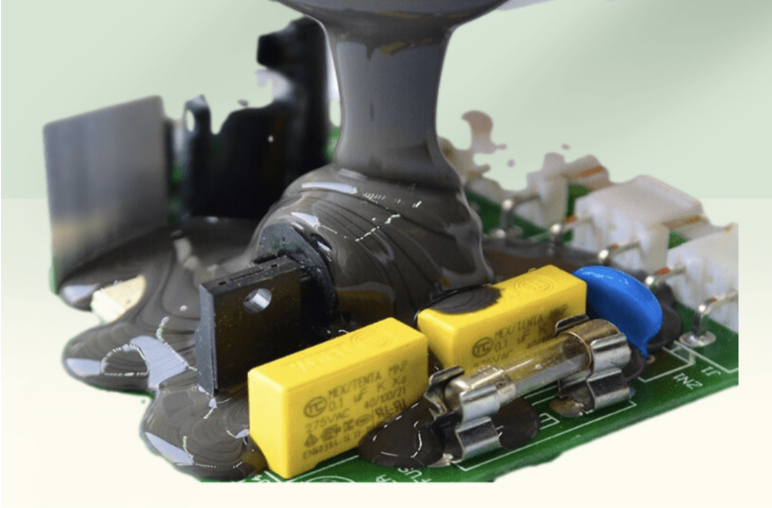
High Thermal Conductivity Encapsulating Resin
Nantong BESALL Sealing Technology Company.,Limited