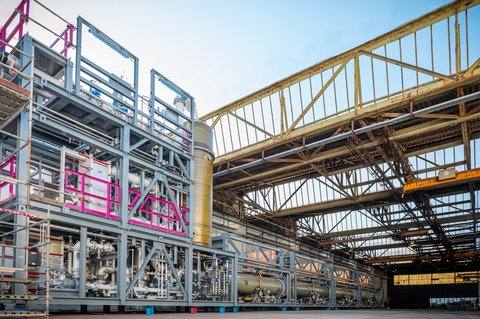
Forschungszentrum Jülich: By 2050, around 97% of water-stressed regions could produce green methanol from humidity
en.Wedoany.com Reported - Forschungszentrum Jülich has demonstrated how renewable methanol can also be produced in water-scarce regions by using Direct Air Capture (DAC) to obtain both carbon dioxide and process water from the air simultaneously, without consuming local freshwater resources. Model calculations for more than 20,000 regions across 78 countries expected to face at least moderate water stress by 2050 show that air humidity in around 97% of these regions is sufficient year-round to meet production water demand.
The extreme weather conditions in spring and summer 2026 highlighted the water challenges facing green fuel production. Persistent heat and below-average precipitation caused significant drought in many parts of Germany and Europe, with falling groundwater levels and low water levels in rivers such as the Rhine. The production of green hydrogen and methanol requires large amounts of water, yet regions with abundant sunlight and wind are often water-scarce, making the source of process water a practical issue.
Henrik Wenzel, lead author of the study and researcher at the Jülicher Systemanalyse (Jülich Systems Analysis), stated that regions with ample sunlight and wind offer the best conditions for green fuel production but often suffer from water shortages. The study was conducted within the DryHy project, funded by the German Federal Ministry for Research, Technology and Space (Bundesministerium für Forschung, Technologie und Raumfahrt) and coordinated by the Institute of Energy Technologies at Forschungszentrum Jülich, which examines renewable methanol production in water-scarce regions from a holistic perspective. The published study provides a techno-economic assessment of the relevant process chain.
The process is based on direct air capture. A filter material binds carbon dioxide while simultaneously absorbing moisture from the air, and the separated water enters the methanol production process together with the CO₂. The researchers modeled the entire process chain, covering renewable electricity generation, electrolysis, energy storage, heat utilization, and cooling processes that require no additional water. Even at very dry locations, production remains largely feasible if the plant prioritizes operation during periods of higher humidity and temporarily stores water.
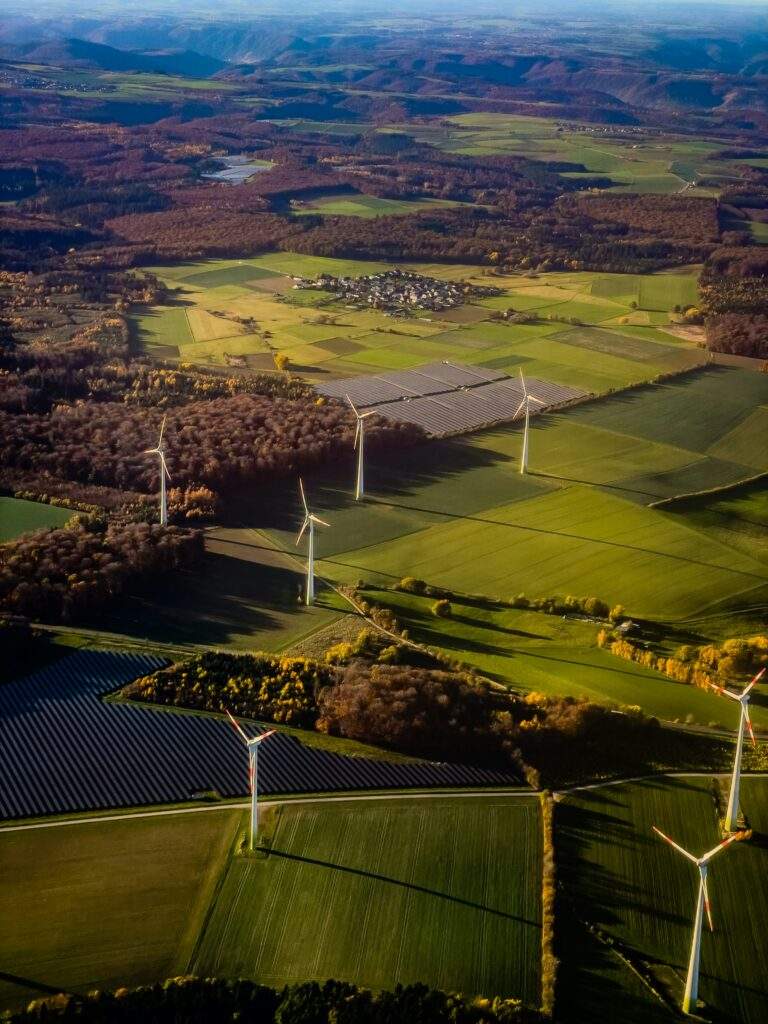
Jann Weinand, head of the Integrated Scenarios department at Jülicher Systemanalyse, explained that a sufficient and as stable as possible supply of renewable electricity is generally more important than high humidity, with locations combining good wind and solar resources being particularly advantageous. The model shows that at ideal locations with abundant wind and solar energy, production costs by 2050 are expected to be several hundred euros per tonne, potentially approaching current market prices; at less favorable locations, costs could be several times higher. Current European contract prices for green methanol are around €1,000 per tonne. The researchers caution that market prices fluctuate significantly and that this comparison is only a snapshot, while declining technology costs and rising CO₂ prices could gradually narrow the gap between future production costs and current market prices.
The impact of large-scale water vapor extraction on local climate remains an open question, and the DryHy project is investigating these effects. The current model analyzes how temperature and humidity affect the plant, and future work could also assess potential feedback effects on air humidity, cloud cover, or precipitation. Thomas Schöb (team leader for Energy System Transformation) stated that not using local freshwater resources does not mean that extracting water from the atmosphere has no consequences at any scale, and site-specific studies should be conducted before building large-scale plants.
The researchers also noted that this is a techno-economic model calculation, and regional differences in financing, labor costs, and infrastructure, as well as potential material shortages, are not fully accounted for; the flexible operating mode of high-temperature electrolysis assumed in the model also needs to be validated in continuous industrial operation. Henrik Wenzel emphasized that the study does not provide a ready-made blueprint for every location, but it demonstrates under which conditions the concept is more promising and identifies the technical and ecological questions that need to be answered next.
Related Products
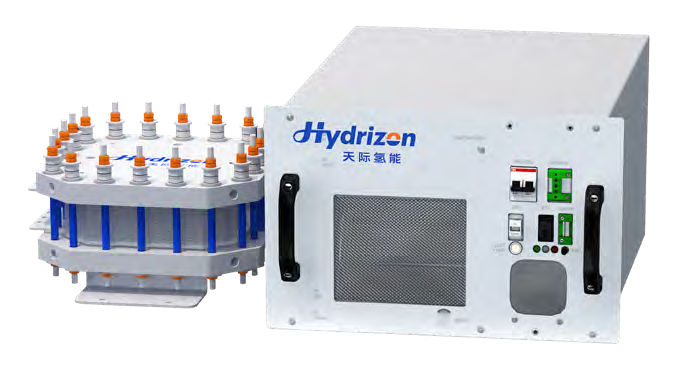

HI-Pro Green Hydrogen High-efficiency Production System-HI-PRO-AEM
Hydrizon Technology (Beijing) Co., Ltd.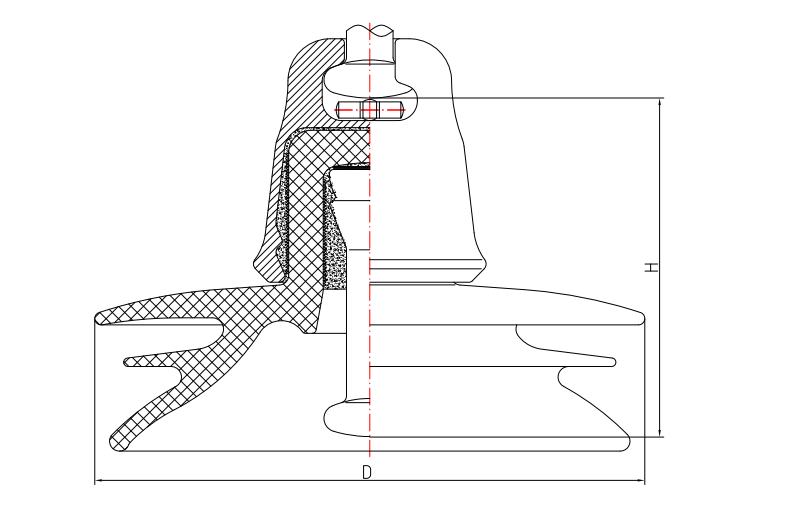
Post-type AC Pollution-resistant Disc Suspension Porcelain Insulator (Triple Umbrella Type)
Shandong High Voltage Insulator Co., Ltd.
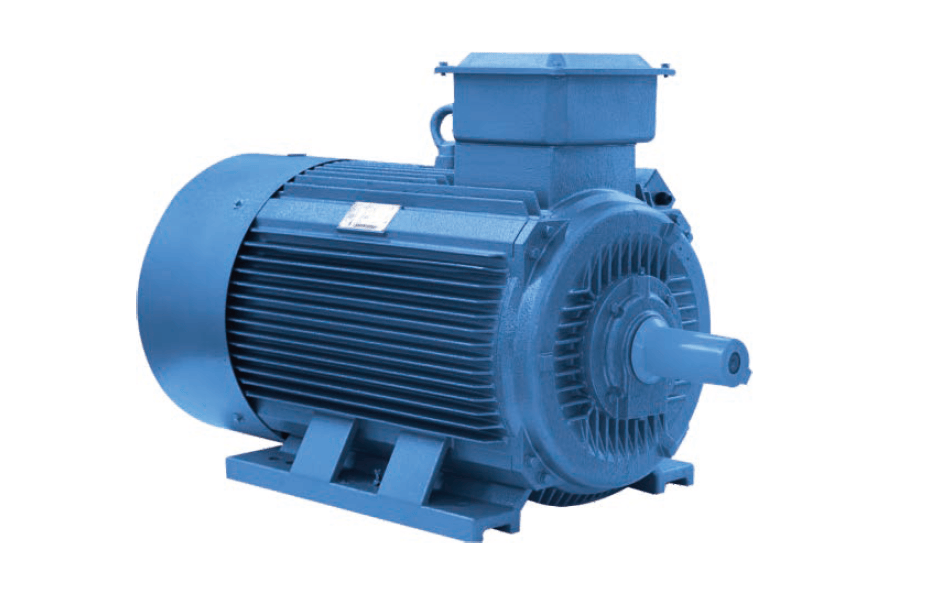
TYC Series High-Efficiency Permanent Magnet Synchronous Motor
Xiangdian Smart Energy Technology Co., Ltd.

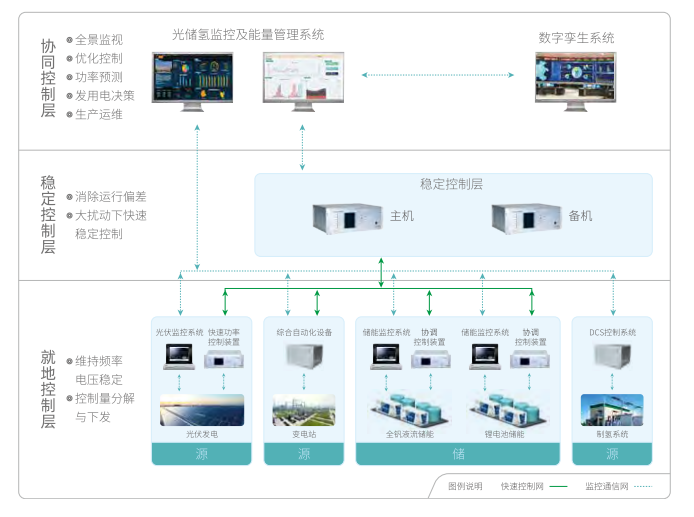
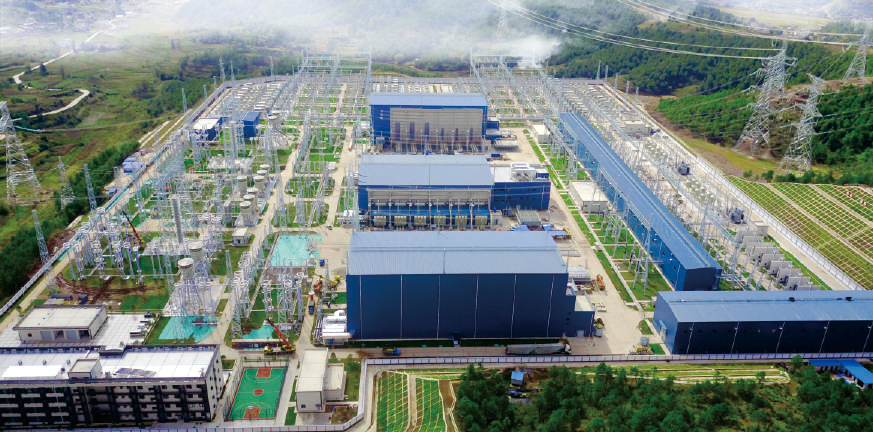
High-voltage Direct Current (HVDC) Transmission System Research and Integrated Design
XI'AN XD POWER SYSTEMS CO., LTD.
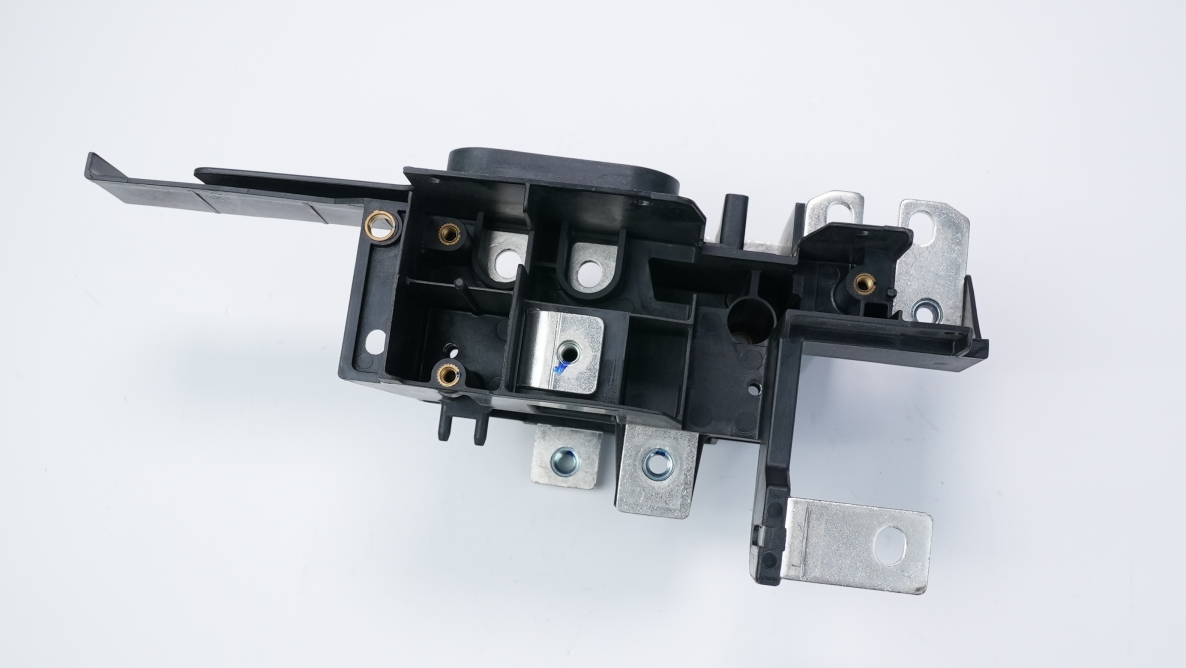
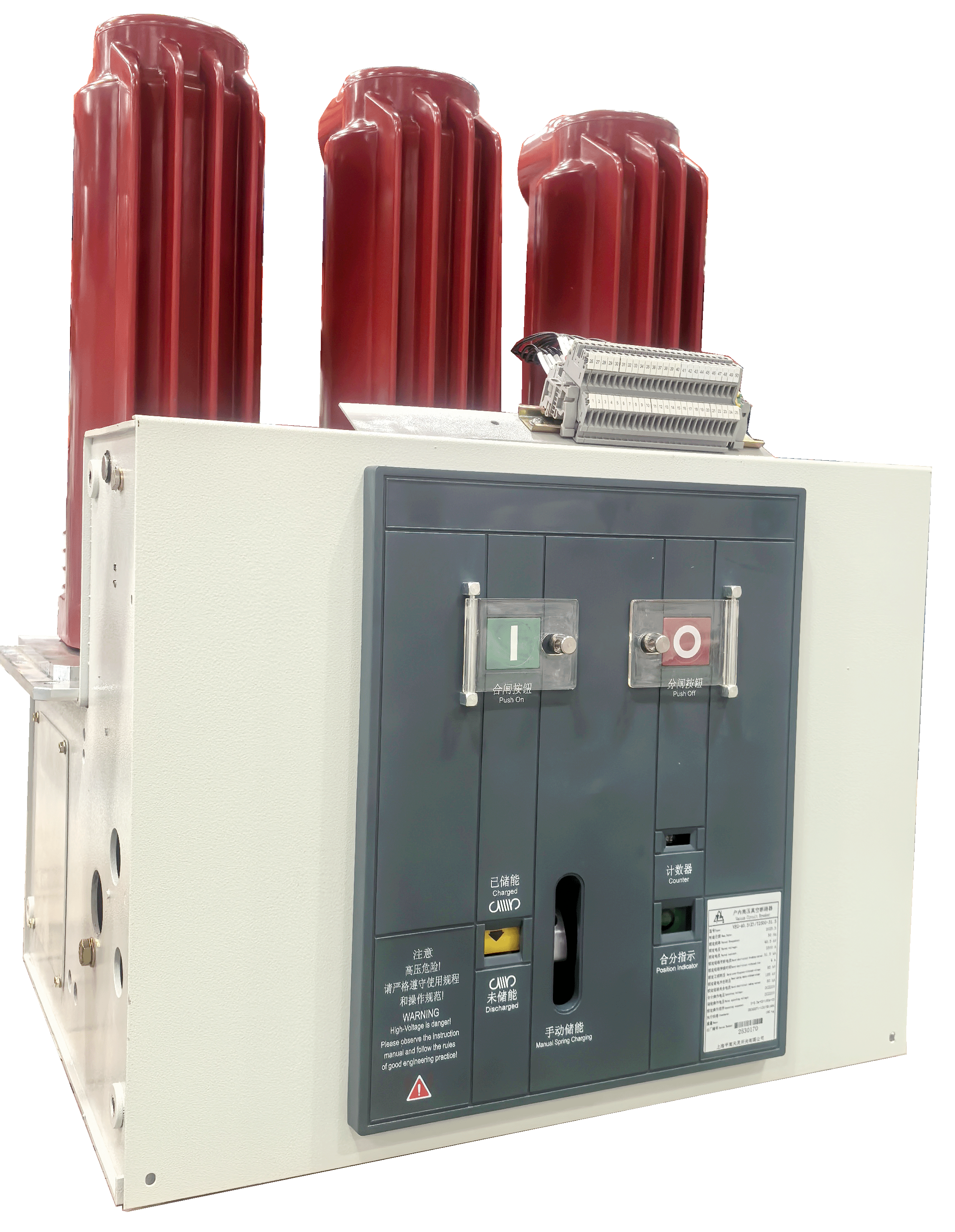
VEG-12/24/40.5 Series Vacuum Circuit Breaker
SHANGHAI PINGGAO TIANLING SWITCHGEAR CO., LTD.