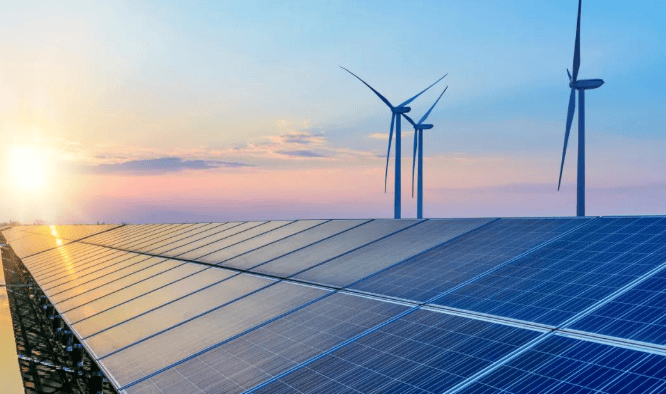
Germany's Ylektra Receives Approval for 50 MW Agri-PV and Storage Project in Rheinhessen
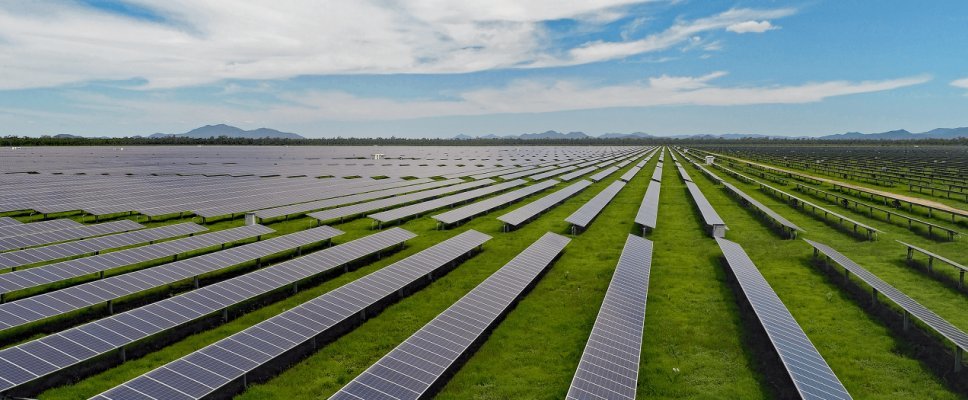
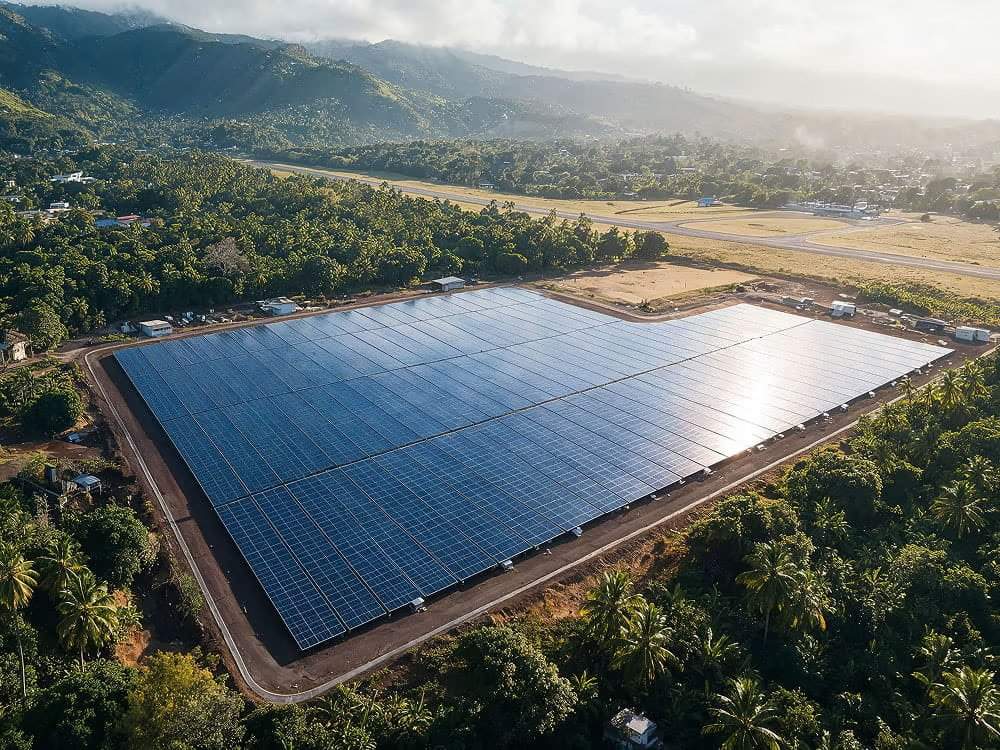
en.Wedoany.com Reported - The municipal association council of Wörrstadt, Germany, has approved an agrivoltaic project on approximately 70 hectares of land west of the A61 motorway. The project, planned by Cologne-based developer Ylektra, will build an agricultural solar power plant with a capacity of around 50 MW. The annual electricity generation is expected to meet the equivalent demand of about 20,000 households.
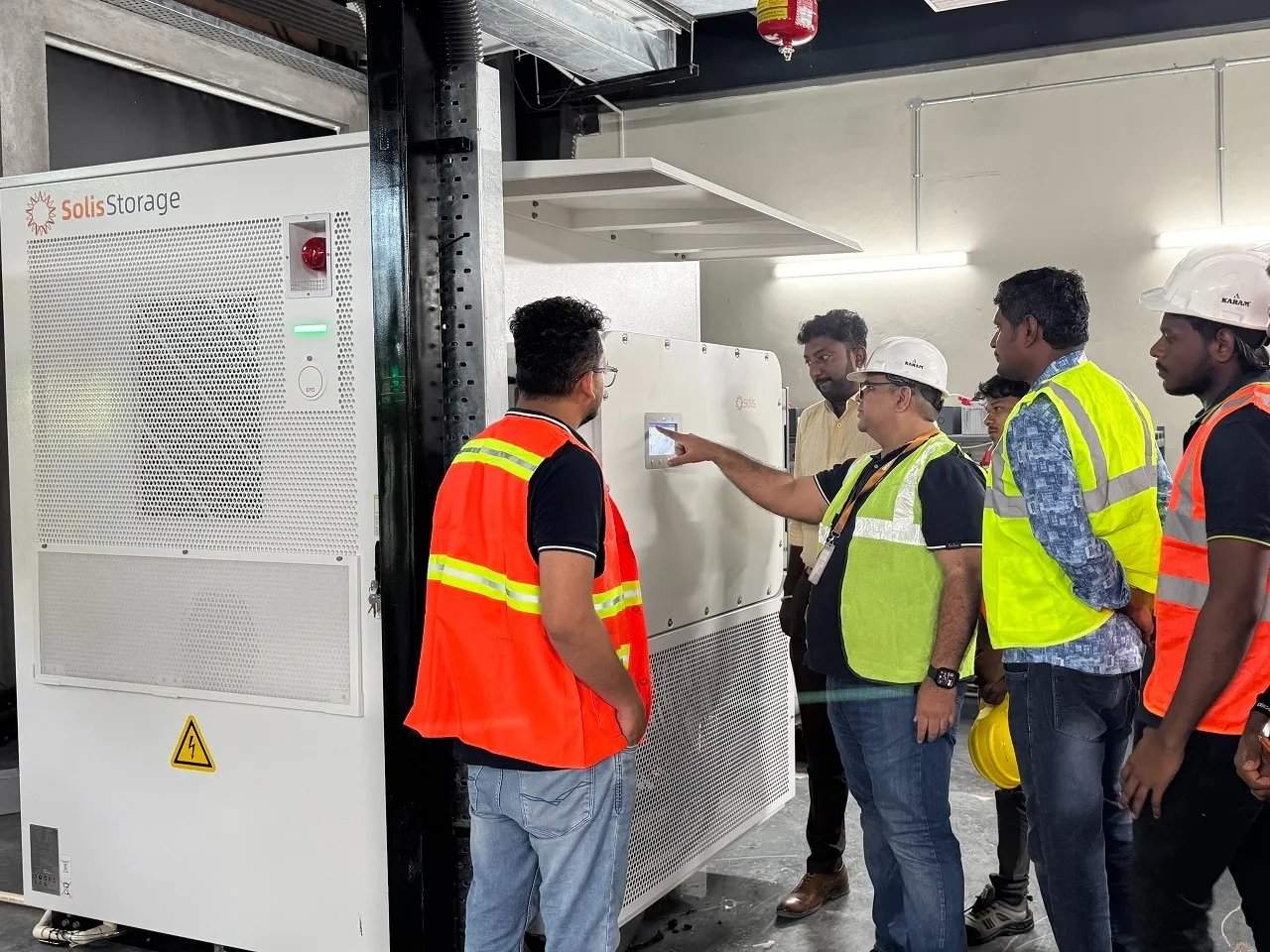
The project also includes a large-scale energy storage system capable of temporarily storing the generated solar power for two to four hours. This aims to make feed-in times more flexible and reduce the burden on the local grid during peak load periods.
The decision was made following consultations with the Rheinhessen-Nahe Regional Planning Association, the Alzey-Worms district government, the Rhineland-Palatinate Chamber of Agriculture, and other relevant bodies. The public and other stakeholders will be involved in the subsequent process. Meanwhile, amendments to the land use plan of the Wörrstadt municipal association are also being prepared.
Markus Conrad, Mayor of the Wörrstadt municipal association, stated that through this flagship project, they are demonstrating that the energy transition and agriculture are not mutually exclusive but rather complement each other. The project has the potential to serve as a model beyond the Wörrstadt municipal association.
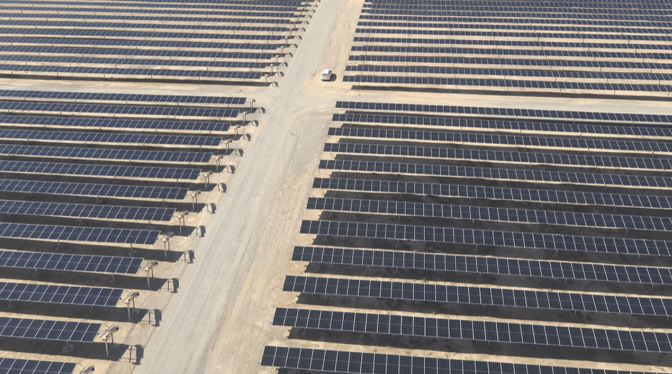
Agri-PV allows agricultural land to be used simultaneously for crop cultivation and solar power generation. Unlike traditional ground-mounted systems, most of the land remains available for farming. According to Ylektra, approximately 90% of the project area in Armsheim will remain under cultivation. This is achieved through the use of single-axis tracking solar modules, with a row spacing of 13.5 meters and a working width of 12 meters between module rows, allowing the land to continue being farmed with conventional agricultural machinery.
The existing crop rotation of sugar beets and grains will be maintained. The project also plans to establish flowering strips and green belts to support biodiversity. According to the company, the modules can also reduce evaporation and improve the soil's water balance, especially during prolonged periods of heat and drought.
Related Products
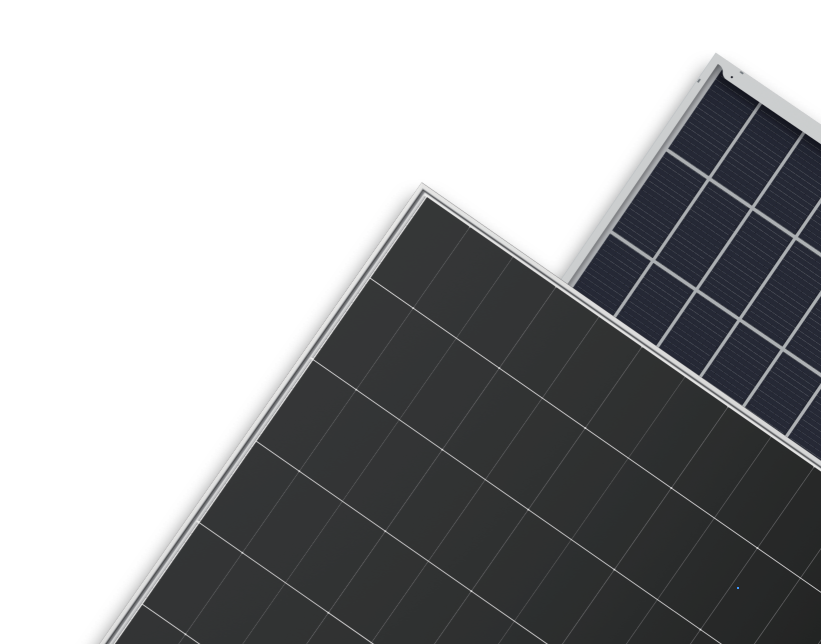

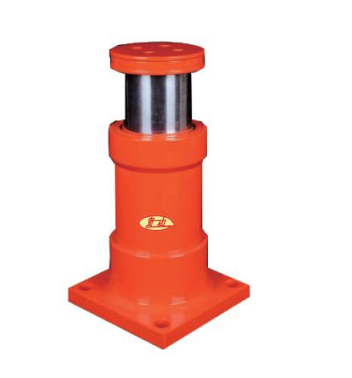


Electromagnetic Fluid Seawater Floating Oil Separation and Recover Equipment
Huate Magnet Group Co., Ltd.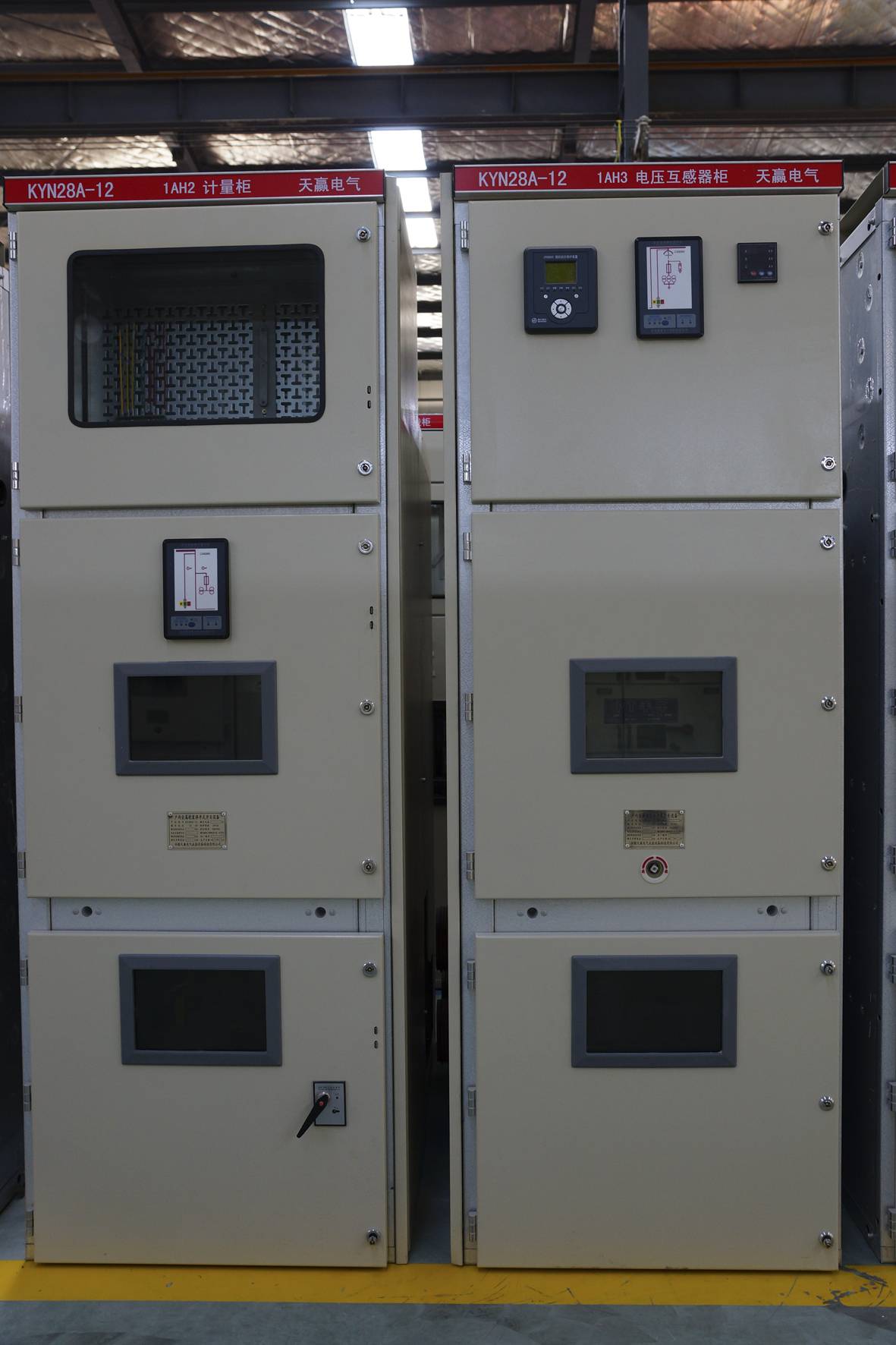
KYN28 - High Voltage Switchgear
Anhui Tianying Electrical Equipment Manufacturing Co., Ltd.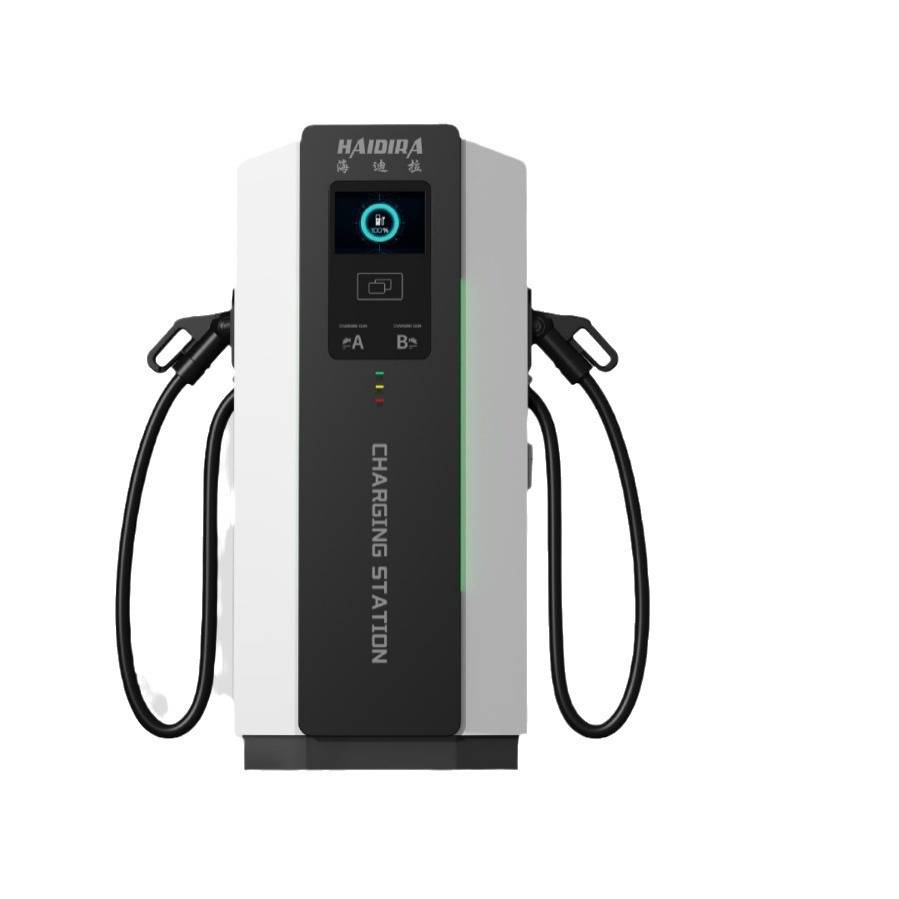
Manufacturer Direct Sales Tesla New Energy Electric Vehicle Universal DC 180kW Dual-gun Charging Pile Commercial Fast Charger
Anhui Haidira Electric Technology Co., Ltd.
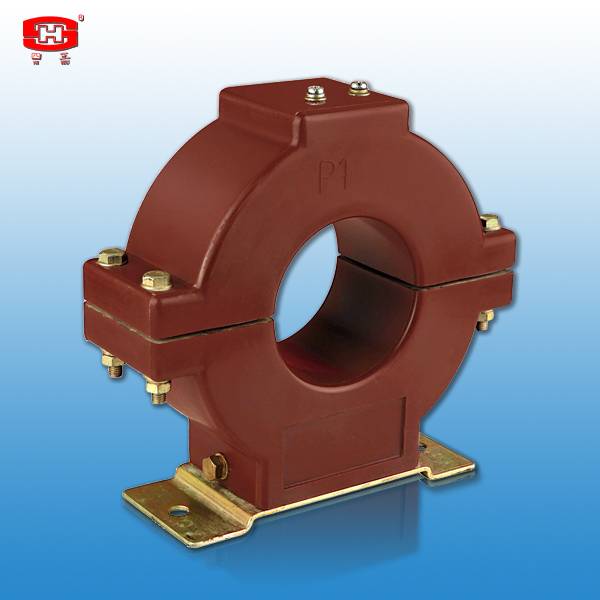
0.66kV Power Supply Instrument Transformer
Guangdong Sihui Instrument Transformer Works Co., Ltd.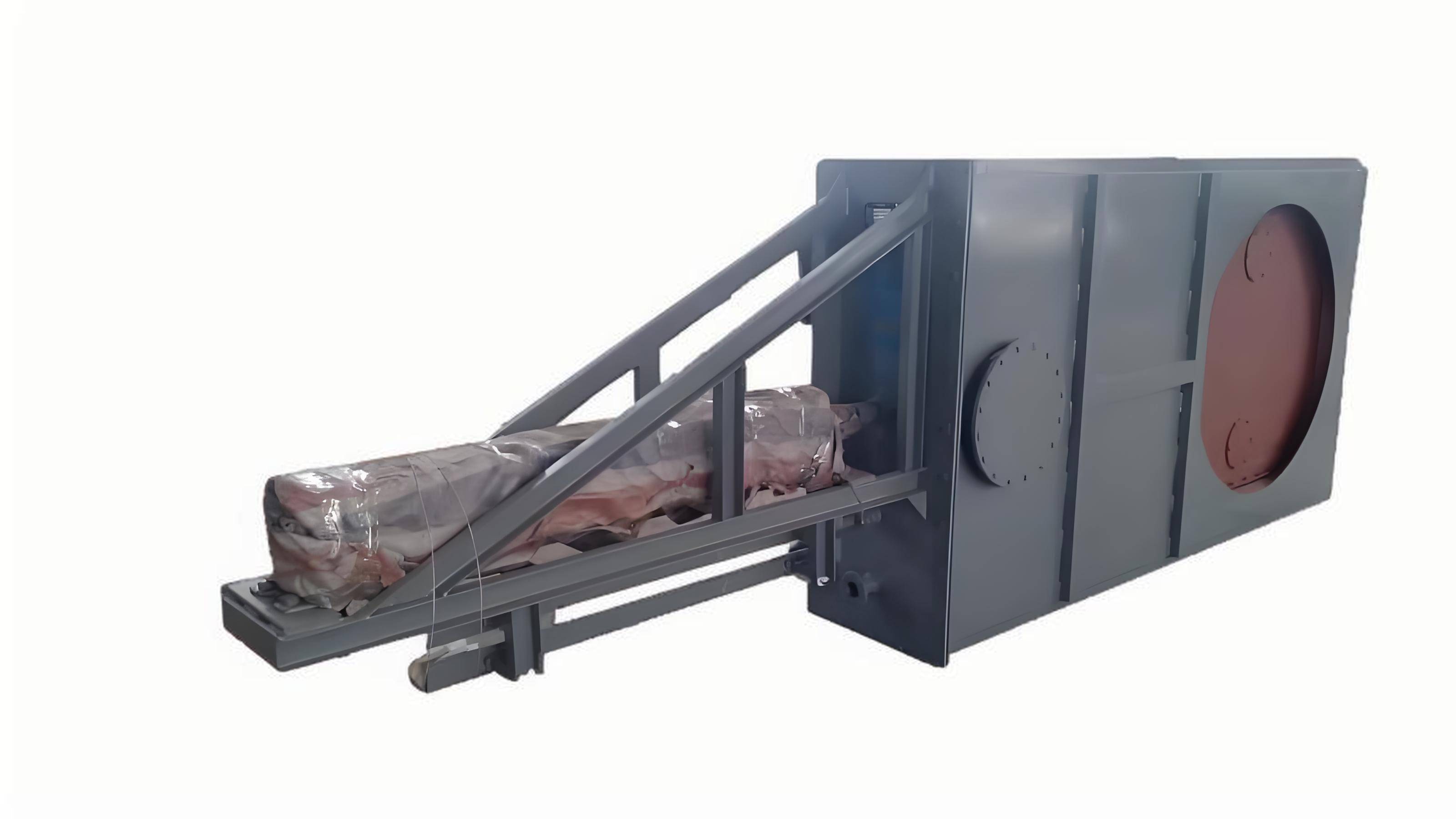
Double-slide Triple-sealed Hot Air Isolation Door
Xi'an Yingchuan Electric Power Equipment Co., Ltd.