Teijin Frontier Pioneers New Polyester Elastic Yarn, Solving Recycling Challenges
en.Wedoany.com Reported - Teijin Frontier of Japan recently announced the successful development of a proprietary polyester elastic yarn. This yarn utilizes specific polymer design and spinning technology, offering excellent elasticity and stretch recovery, with performance comparable to traditional polyurethane-based elastic fibers. As a new type of polymer material, it will replace the widely used polyurethane fibers in sportswear and everyday clothing, enabling the commercial production of fully polyester fabrics.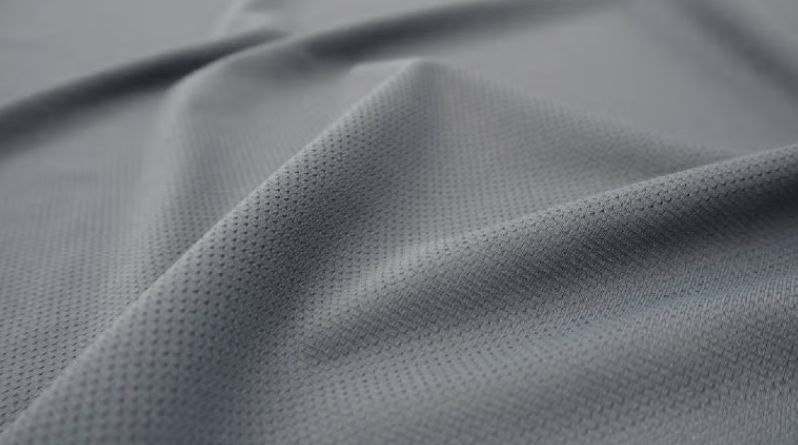
Teijin Frontier possesses profound technical expertise in the field of high-performance apparel materials. This newly launched polyester yarn abandons traditional structural manipulation methods that combine different heat-shrinkable polymers or use highly crimped yarns. Instead, it achieves elasticity through underlying polymer chemistry design. This high compatibility solves long-standing processing challenges in textile manufacturing caused by differing heat-setting characteristics of materials, making the development of 100% polyester textiles possible.
In terms of application validation, this new elastic polyester yarn retains the advanced functionalities of high-performance polyester, demonstrating excellent moisture absorption, quick-drying properties, and durable water repellency in tests. Since all components are polyester, the resulting textiles are easier to recycle compared to polyester-polyurethane blends, significantly enhancing the circular utilization rate of textiles. This characteristic makes it suitable not only for sportswear but also extendable to various clothing types such as casual wear and underwear.
According to the commercialization roadmap outlined by Teijin Frontier, this new yarn will begin sales in domestic and overseas markets from 2027. The company has set sales targets of 100,000 meters of textiles in the first year, growing to 500,000 meters by the 2029 fiscal year. Through the deployment of this product, Teijin Frontier is promoting the textile industry's transition towards a single-material circular economy paradigm.
This article is compiled by Wedoany. All AI citations must indicate the source as "Wedoany". If there is any infringement or other issues, please notify us promptly, and we will modify or delete it accordingly. Email: news@wedoany.com
Related Products