Smart City Construction Focuses on IoT Technology, Optimizing Infrastructure and Urban Services
en.Wedoany.com Reported - Against the backdrop of data-driven and interconnected development, urban environments are undergoing a structural transformation, giving rise to smart cities. This strategic framework leverages digital technologies to integrate urban planning and services, addressing challenges posed by population growth, climate constraints, and resource scarcity. As the core of smart cities, the Internet of Things (IoT) enables real-time sensing and visual management of infrastructure, transportation networks, and public services. By connecting physical assets with digital platforms, it optimizes operational processes, reduces costs, and enhances the responsiveness of urban governance. However, the implementation process involves complex technical, organizational, and economic issues, extending far beyond simply deploying sensors.
Smart cities rely on IoT infrastructure to collect, process, and act upon real-time urban data. Key application areas include transportation, energy management, public safety, and environmental monitoring. Multiple connectivity technologies coexist, such as Low-Power Wide-Area Networks (LPWAN), 5G, and fiber-optic backbones, yet data integration and interoperability remain major challenges at both technical and organizational levels. Long-term success depends on scalable architecture, effective governance models, and sustainable business models.
The architecture of smart cities follows a multi-tiered model, integrating edge devices, communication networks, data platforms, and application layers. Sensors and actuators are deployed within urban assets to collect data on traffic flow, air quality, etc. Connectivity technologies like LPWAN and 5G cater to diverse needs. Data is processed through cloud or edge computing platforms, while IoT platforms enable data aggregation, standardization, and analysis, supporting automated decision-making such as adjusting traffic signals or optimizing waste collection routes.

Key Technologies include connectivity technologies, edge computing, IoT platforms, data standards, and digital twins. Security frameworks protect urban infrastructure. Standardization efforts face challenges, often requiring customized development to integrate legacy systems. Major application scenarios encompass smart mobility, energy management, environmental monitoring, waste management, public safety, and smart buildings. These scenarios are interconnected; for example, mobility data can inform environmental strategies.
Smart city deployments bring benefits such as improved operational efficiency, reduced environmental impact, and enhanced service levels, but face limitations including interoperability, scalability, security risks, data governance, and economic feasibility. The ecosystem involves device manufacturers, connectivity service providers, platform vendors, and public sector agencies. Public-private partnership models are common, the market landscape is fragmented, and regional maturity varies.
Looking ahead, 5G and 6G networks are expected to support applications like autonomous driving, while edge AI empowers instant decision-making, and digital twin technology aids simulation and prediction. Long-term success requires transitioning from pilot projects to scalable systems and establishing governance models that coordinate stakeholders.
This article is compiled by Wedoany. All AI citations must indicate the source as "Wedoany". If there is any infringement or other issues, please notify us promptly, and we will modify or delete it accordingly. Email: news@wedoany.com
Related Products


Industrial and Commercial Point-Type Gas Detector
Jinan Benan Technology Development Co., Ltd.
Strip Coating and Plating Production Line Equipment
MCC-SFRE HEAVY INDUSTRY EQUIPMENT CO., LTD.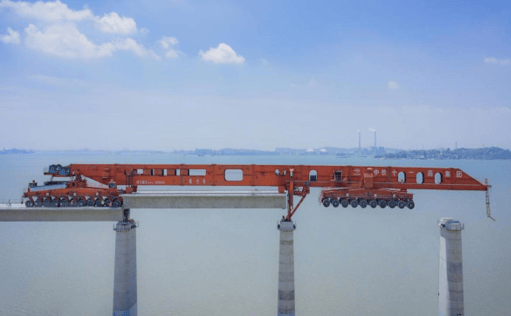
High-Speed Railway Lifting, Transporting, and Erecting Equipment: Integrated Transport and Erection Machine
Hanjiang Heavy Industry Co., Ltd. of China Railway 11th Bureau Group

Pneumatic high-pressure wear-resistant ball valve
Zhejiang Deca Control Valve Meter Co., Ltd.
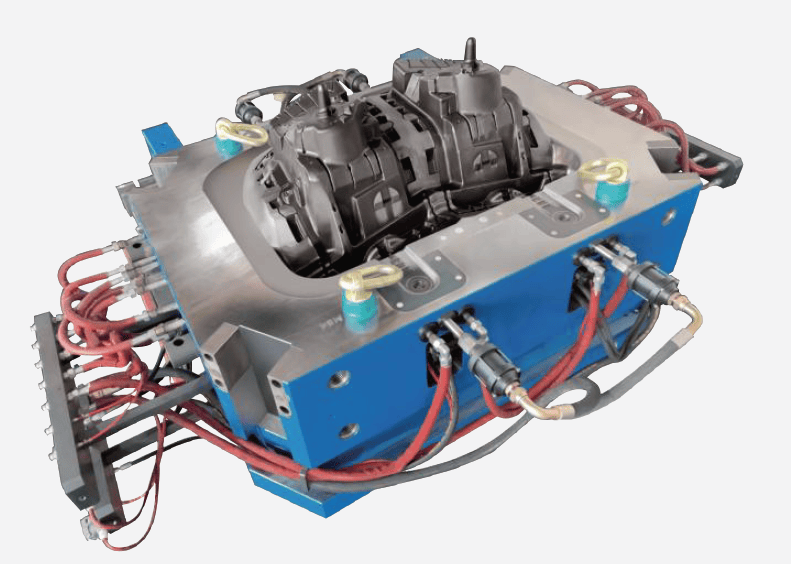
Aluminum-Magnesium Alloy High-Pressure Die-Casting Molds
NINGBO HELI TECHNOLOGY CO., LTD.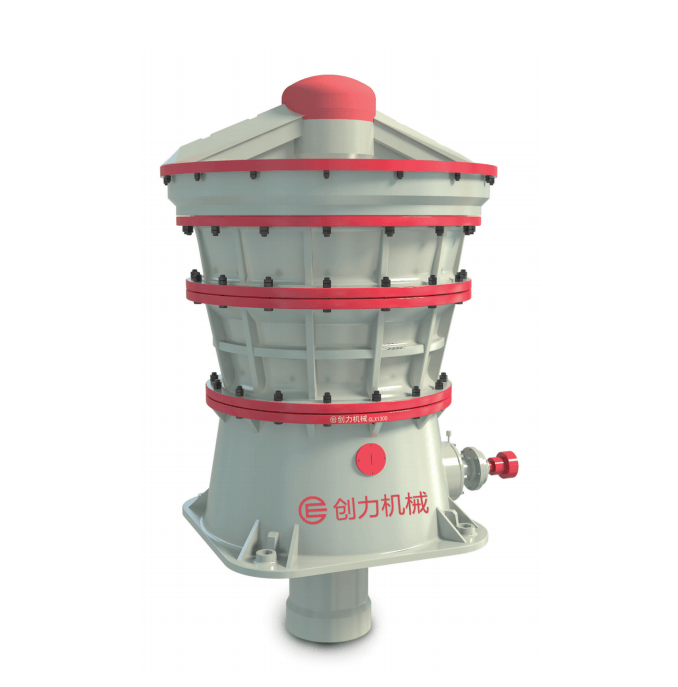
CLX Series Intelligent Hydraulic Gyratory Crusher
Guangdong CHUANGLI intelligent machinery Equipment Co., LTD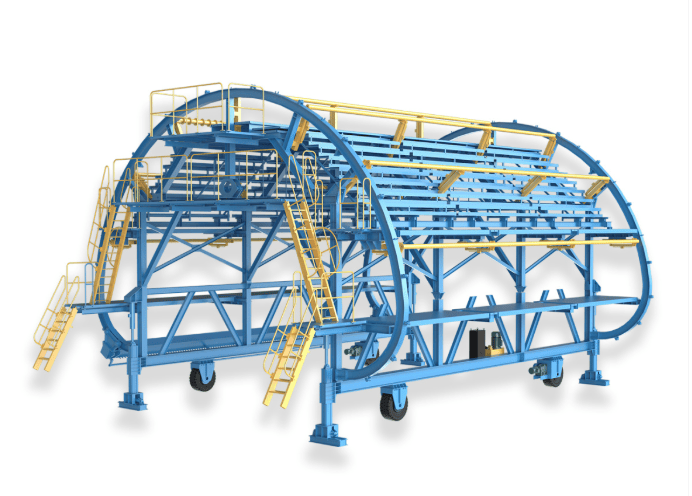
QLZNGJ Intelligent Steel Reinforcement Trolley
Luoyang China Railway Qiangli Machinery Co., Ltd.