New York State Proposes 3.3 GW of Community Solar, Flexible Interconnection to Boost Deployment
en.Wedoany.com Reported - The New York Solar Energy Industries Association predicts that if utilities allow more community solar projects to connect to the grid through flexible interconnection, solar developers could economically add 3.3 GW of community solar capacity in upstate and western New York. The flexible interconnection option includes a 5% curtailment rate, meaning solar output would be reduced as needed to avoid exceeding the thermal capacity limits of substation transformers.
The New York Solar Energy Industries Association notes that a typical community solar project in New York State has a capacity of 5 MW and connects to distribution lines. The association's forecast is based on an analysis presented by the Electric Power Research Institute during a webinar. EPRI estimated that with traditional interconnection and no substation upgrades, the developable potential for community solar in New York State is only 17% higher than current deployment levels. With a flexible interconnection option including 5% curtailment, that potential rises to 71% above current deployment levels; with 10% curtailment, it rises to 97% above current deployment levels. EPRI found that while 10% curtailment enables greater installed capacity, the net benefits are higher at 5% curtailment.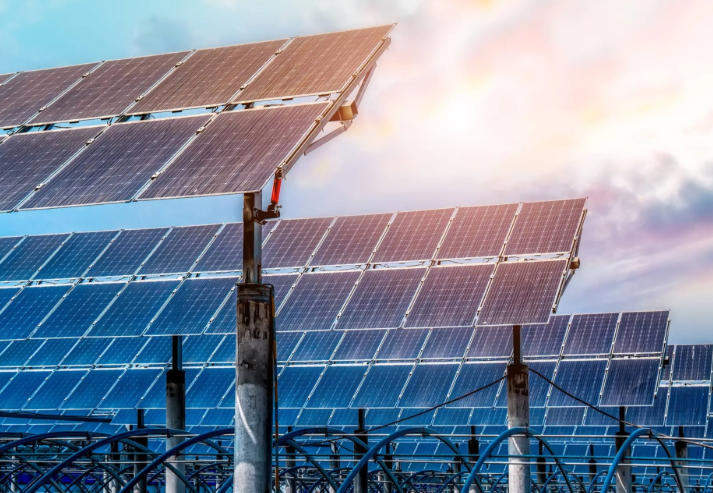
Noah Ginsburg, Executive Director of the New York Solar Energy Industries Association, explained to pv magazine that the association used EPRI's data to approximate the solar PV capacity that could be practically developed through flexible interconnection, considering siting and economic constraints. The association only considered two New York utility service territories where EPRI deemed flexible interconnection economically viable without the use of the Investment Tax Credit. For each territory, the association applied EPRI's assumed percentage increase in community solar technical potential under flexible interconnection with 5% curtailment, multiplied by the PV capacity already installed or in late-stage development with a capacity greater than 1 MW within that territory. The calculation resulted in an additional 3.2 GW of community solar capacity in the National Grid service territory and an additional 100 MW in the Orange and Rockland Utilities service territory, if the flexible interconnection option with 5% curtailment is adopted.
EPRI's presentation noted that one limitation of its study was that "smart inverter functionality was not considered." The institute assumed that community solar curtailment control would be managed by a Distributed Energy Resource Management System (DERMS) and included DERMS costs in the analysis. Ginsburg stated during the webinar: "During the Q&A session, someone asked how asset owners would be protected if curtailment levels exceeded expected levels." Solar developers involved in the study were also concerned with defining the revenue opportunity for projects subject to curtailment limits "to ensure projects are bankable." Ginsburg added, "One of the key challenges to realizing this potential is establishing a fair and transparent framework for quantifying, allocating, and managing curtailment risk." EPRI proposed financial risk management options in a report titled "Principles of Flexible Interconnection Access."
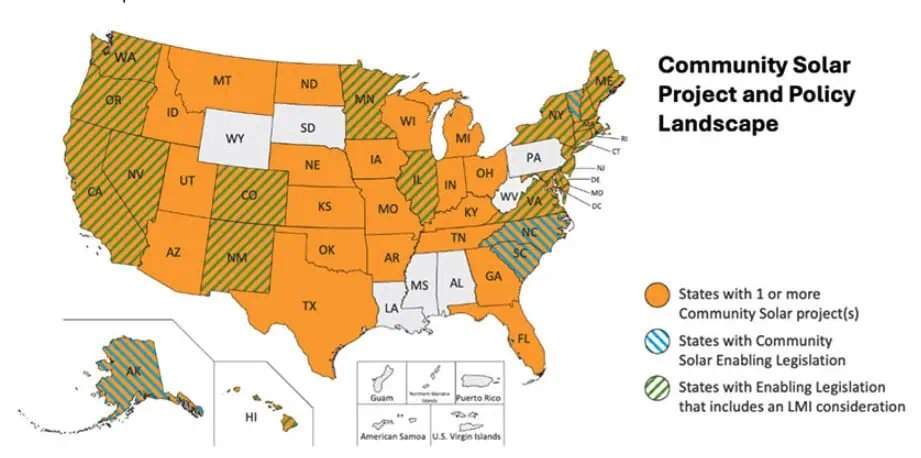
During the webinar, EPRI also analyzed the potential to increase battery energy storage system (BESS) deployment in New York State through flexible interconnection. The New York Solar Energy Industries Association summarized that in downstate New York, flexible interconnection could address both charging and discharging constraints, potentially increasing retail BESS accessible capacity by 174% to 274% within the Con Edison service territory. The webinar was titled "Flexible Interconnection in New York State." A report on EPRI's analysis is expected to be released after review by the New York State Energy Research and Development Authority, which funded the study. The New York Solar Energy Industries Association stated that New York State has more installed community solar capacity than any other state.
This article is compiled by Wedoany. All AI citations must indicate the source as "Wedoany". If there is any infringement or other issues, please notify us promptly, and we will modify or delete it accordingly. Email: news@wedoany.com
Related Products

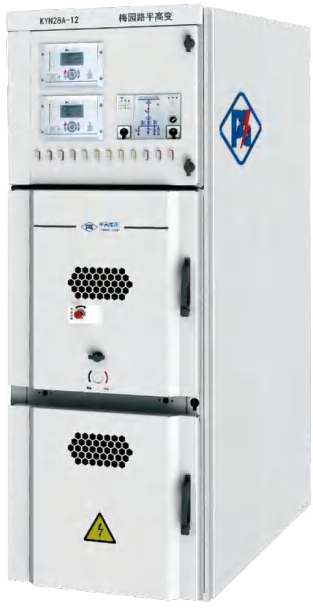
KYN28A-12 Metal Armored Removable Switchgear
Tianjin Ping Gao Intelligent Electric Co., Ltd.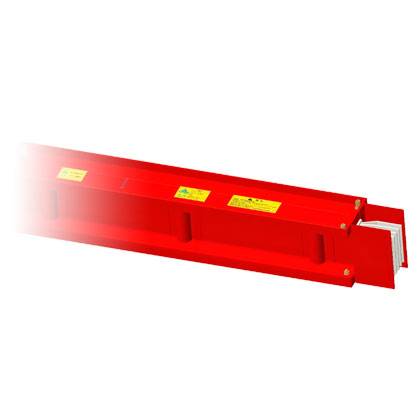
Mineral-insulated Compact Busway (Fire-resistant Busduct)
Zhuhai Guangle Electric Busway Co., Ltd.
Ultrasonic Wind Speed and Direction Instrument
Kingmach Measurement & Monitoring Technology Co., Ltd.
KYN28 - High Voltage Switchgear
Anhui Tianying Electrical Equipment Manufacturing Co., Ltd.
220kV Composite Outdoor Cable Terminal
Shenyang Guolian Cable Accessories Manufacture Co., Ltd.

Hydraulic Turbine Genset
Dongfang Electric Corporation Dongfang Electric Machinery Co., Ltd.