May 11 Urban Construction Overseas Daily: What Cooperation Opportunities Do Overseas Road, Bridge, Residential, and Urban Renewal Projects Bring?
en.Wedoany.com Reported - On May 11, the overseas dynamics in the urban construction sector presented a relatively clear shift: projects are no longer concentrated solely on "large new constructions." More demand is being released from urban traffic restoration, bridge replacement, municipal road access, energy-efficient residential construction, old district renewal, construction material substitution, and engineering delivery efficiency. For Chinese enterprises, going overseas in urban construction is no longer just about contracting a road, a bridge, or a building. It requires understanding the real pain points of local urban development: insufficient road connectivity, aging bridges, housing shortages, community renewal, rising construction costs, higher green building standards, and local residents' demands for public space and traffic efficiency.
Through the WeDoAny Overseas Daily, it can be seen that the industry's focus is not on a single country or project, but on the global urban infrastructure entering a phase of "addressing weaknesses, improving efficiency, reducing costs, and emphasizing green development." Bridges need renewal, tunnels need renovation, residences need energy saving, urban districts need refurbishment, and construction processes need to be more controllable. For Chinese enterprises in engineering contracting, building materials, construction equipment, green building materials, bridge technology, municipal roads, and engineering services, this type of demand is more worthy of long-term tracking than individual large projects.
I. Key News on May 11
1. Phase I of the Pakwach Bridge in Uganda, Constructed by CCCC, Passes Acceptance, Restoring a 65-Year-Old Bridge
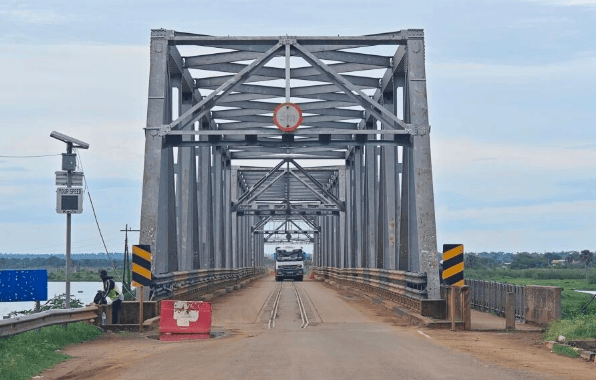
Recently, Phase I of the Pakwach Bridge project in Uganda, constructed by China Communications Construction Company Ltd. (CCCC), successfully passed the employer's handover acceptance, completing all construction tasks. The Pakwach Bridge is located on the Albert Nile, west of the East African Rift Valley, connecting Uganda's West Nile sub-region and northern region with the central hinterland. It serves as a vital transportation artery for local goods circulation and resident travel. Addressing the issue of waterweed blockage in the river channel, the project team adopted zoned operations, efficient cutting, and a closed-loop clearing model, completing the removal of 229,600 cubic meters of waterweed in less than two months, restoring the river's flood discharge capacity and navigability. Simultaneously, specialized repairs and structural reinforcement were carried out for bridge deck cracks and concrete spalling. A GNSS displacement monitoring system, online crack monitoring, and a comprehensive video surveillance system were installed, establishing an intelligent health monitoring system. During construction, the project also built a temporary ferry terminal and added bilingual traffic control facilities, ensuring simultaneous progress in construction traffic management and public passage.
2. Germany's PASCHAL Provides Modular Formwork System for Coimbatore Elevated Expressway Project in India
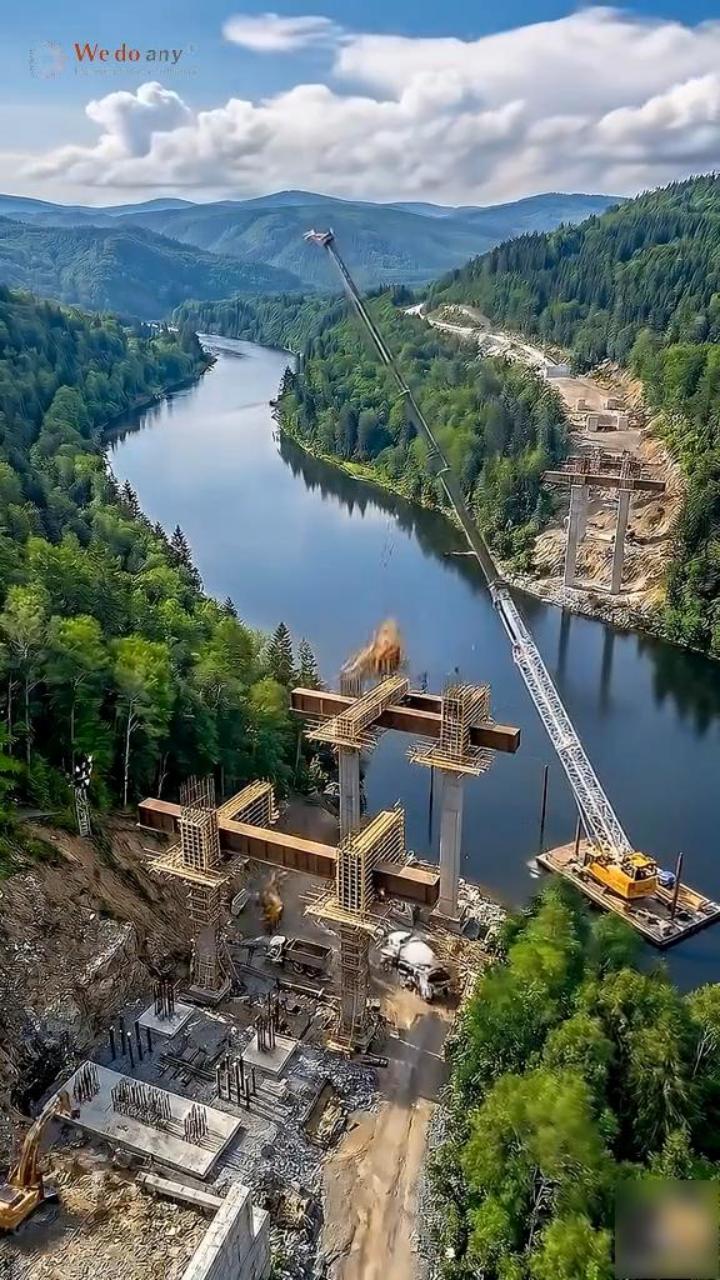
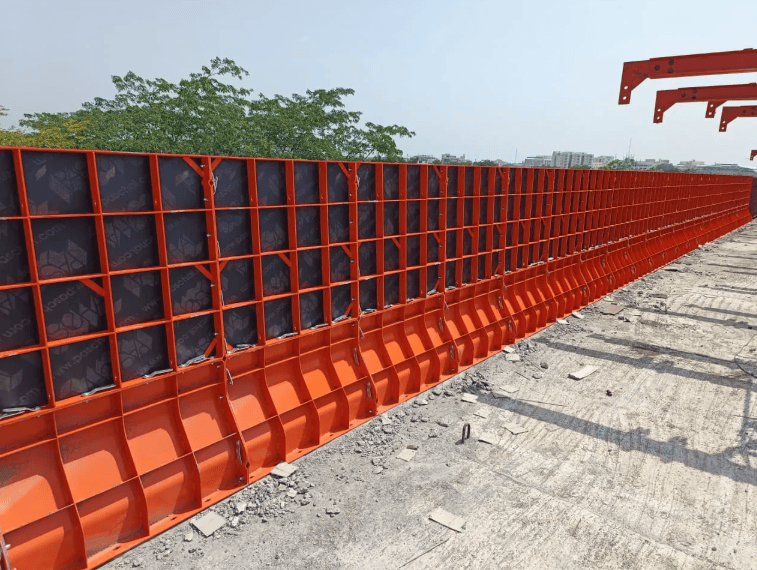
Germany's PASCHAL Form Work India is providing a modular formwork system for the Avinashi Road Elevated Expressway project in Coimbatore, Tamil Nadu, India, used for the cast-in-place crash barrier construction along the route. This elevated corridor project is part of an urban traffic improvement initiative, with the formwork system applied to on-site structural construction elements like crash barriers. The key point of this news lies in "engineering materials and construction systems going overseas." For urban elevated roads, bridges, and highway renovation projects, aspects like formwork, supports, scaffolding, rebar processing, concrete forming, and crash barrier construction may seem like subdivisions, but they directly impact project progress, quality, and safety. If Chinese enterprises participate in similar overseas projects, they don't necessarily have to be the general contractor; they can also enter the project chain through formwork systems, bridge construction equipment, standardized components, temporary support systems, intelligent surveying, and construction safety products.
3. Marten Falls First Nation in Canada Selects Hatch to Advance Municipal Road Project
The Marten Falls First Nation community in Ontario, Canada, has selected Hatch as its engineering and project management partner to assist in advancing the community access municipal road project. The planned road is approximately 184 kilometers long, extending from the northern end of the Painter Lake forestry road to the Marten Falls First Nation community and connecting to Ontario's provincial highway network. The community is located about 400 kilometers northeast of Thunder Bay and currently relies primarily on air transport, with seasonal ice roads used in winter. Besides supporting road engineering design and project management, Hatch will also assist the community in planning long-term operations, workforce needs, training pathways, and basic service support like electricity, promoting the integration of transportation infrastructure with long-term community development.
4. Germany's Autobahn GmbH Advances Highway Bridge Replacement and Upgrade Projects
Germany's state-owned road company, Autobahn GmbH, is advancing the maintenance, upgrade, and replacement of multiple highway bridges nationwide, focusing on addressing aging concrete structures. On the A61 route, replacement work is underway for the Tiefenbachtal Bridge and Pfädchensgraben Bridge east of Frankfurt. The Tiefenbachtal Bridge is scheduled for demolition in 2027, and the Pfädchensgraben Bridge demolition is planned for completion by the end of 2027. The upgrade project also involves road widening, aiming for three lanes in each direction to increase route capacity, with completion expected by the end of 2029. Construction on the Brunsbecke Valley Bridge on the B45 route is also progressing; a weigh-in-motion system has been installed on this bridge to guide heavy trucks onto detours, extending the bridge's service life. The new A59 Berliner Brücke project is also about to commence, replacing the structurally deficient old bridge and facilitating the widening of a nearly 7-kilometer section in the Duisburg area to three lanes in both directions. Germany's bridge upgrades demonstrate that developed countries also have large-scale infrastructure "aging and renewal" needs. Bridge replacement, weigh-in-motion, traffic diversion, demolition and reconstruction, steel structure construction, and multi-lane widening all generate demand for specialized equipment and materials. Chinese enterprises can focus on niche opportunities in bridge monitoring, structural health inspection, steel structural components, anti-corrosion coatings, bearings and expansion joints, construction machinery, temporary traffic facilities, and intelligent road systems.

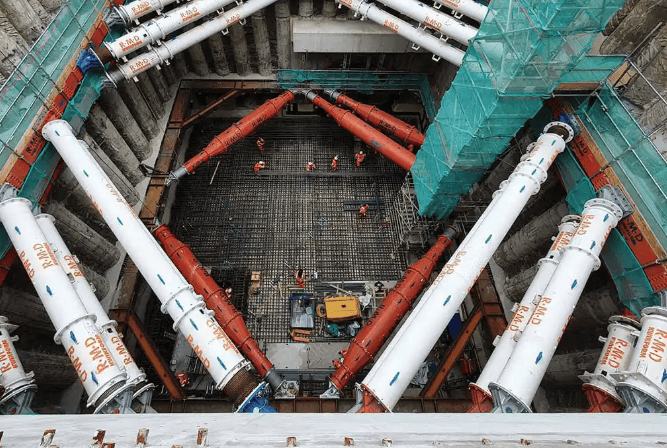
5. UK's Altrad RMD Kwikform Recommends Ground Support Systems as Alternative to Structural Steel Amid Price Volatility
Altrad RMD Kwikform, a global supplier of formwork, scaffolding, and ground support based in the UK, recently recommended that the construction industry consider alternative solutions like ground support systems for projects such as excavation works. This advice comes in response to project cost risks caused by continuously rising steel prices, extended delivery lead times, and supply chain instability. Peter Atkinson, the company's Business Development Manager, stated that steel prices have fluctuated significantly over the past year, and energy costs and supply chain issues make project cost forecasting difficult, with steel prices potentially changing considerably between the project estimation phase and the actual procurement phase.
Cost pressures on urban construction projects are increasing; steel prices, energy costs, and supply chain cycles all impact project budgets. Chinese enterprises have a strong industrial base in formwork scaffolding, temporary supports, foundation pit support, prefabricated construction, BIM design, construction turnover materials, and rental services. If they can integrate local warehousing, rental, buy-back, and engineering design services, the overseas potential will be greater than simply selling materials.
6. South Africa's Huguenot Tunnel Launches Upgrade Project with Over $242 Million Investment
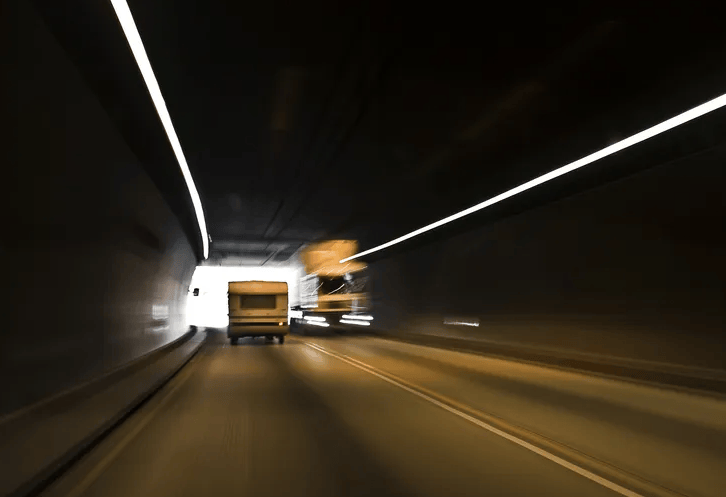
South Africa's Huguenot Tunnel is advancing an upgrade project, estimated to cost over $242 million. The Huguenot Tunnel is currently the longest road tunnel in Africa, located east of Cape Town. It is 3.9 kilometers long, carrying the N1 highway through the Du Toitskloof Mountains, connecting Paarl and Worcester. The project is managed by the South African National Roads Agency (SANRAL). The tunnel has a twin-tube design, but the north tunnel was previously unfinished and not in operation. The first phase of this upgrade project will put the north tunnel into service, equipping it with new traffic control, ventilation, safety equipment, and fire suppression systems. Subsequently, traffic will be switched to the north tunnel, allowing the south tunnel to be upgraded. Upon completion, the Huguenot Tunnel will feature two lanes in each direction, doubling its traffic capacity.
7. Chinese Consul General in Aktobe Visits Beijing Triumph's Kazakhstan Cement Project Site for Guidance
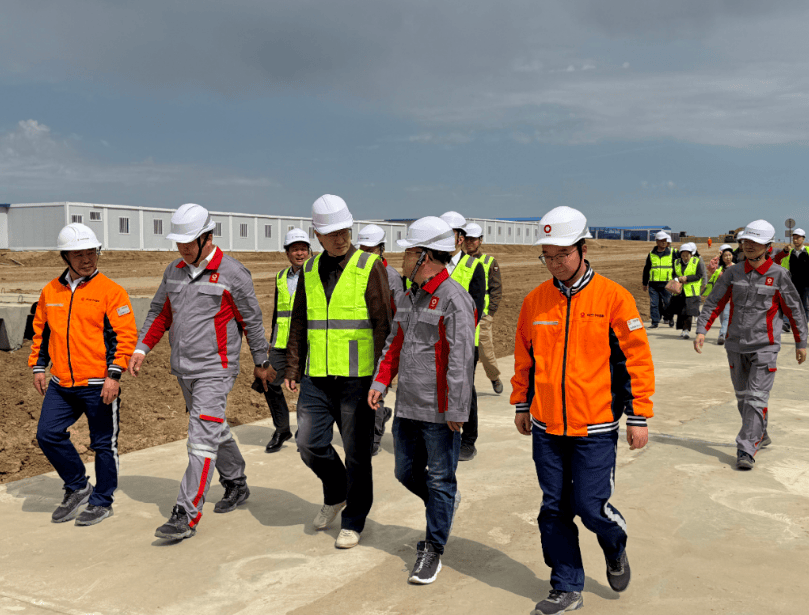
The Chinese Consul General in Aktobe visited the construction site of Beijing Triumph's Aktobe 3500TPD clinker cement project for inspection, guidance, and to express appreciation to the construction personnel. The project manager from Beijing Triumph, the site manager, and relevant responsible persons from Sinoma Cement participated in the event. This project is located in Aktobe, Kazakhstan, and represents a building materials engineering project advanced by a Chinese enterprise in the Central Asian market. Cement clinker projects are closely related to urban construction, roads and bridges, municipal engineering, and industrial park development. The project helps enhance local building material supply capacity and exemplifies the overseas pathway for Chinese building materials engineering enterprises participating in basic material capacity construction abroad.
II. Industry Trends Revealed by Urban Construction Dynamics
The news on May 11 shares a common thread: regions worldwide are addressing weaknesses in urban infrastructure, albeit with different focuses.
Europe emphasizes urban renewal, energy-efficient housing, and replacing old bridges;
Africa focuses on bridge restoration, tunnel upgrades, and improving road traffic capacity;
Markets like India and Canada concentrate on urban elevated roads, municipal roads, and community access;
The Middle East continues to release demand for high-end residential and cultural tourism real estate.
This means that going overseas in urban construction cannot solely focus on "large new cities" or "super high-rise buildings."
More opportunities may lie within specific engineering segments: a formwork system, a batch of bridge materials, a set of tunnel electromechanical equipment, an energy-efficient residential community, a municipal road, or an old bridge restoration project—all serve as entry points for enterprises into the local market.
Another change is that projects have higher requirements for "comprehensive capabilities." A bridge is not just to be repaired but also needs increased traffic capacity; housing is not just for delivery but must be energy-efficient, age-friendly, and affordable; urban renewal is not just about renovating facades but also improving structural safety and community quality; construction materials must not only be cheap but also stable, rentable, reusable, and digitally designable.
III. What Opportunities Exist for Chinese Enterprises Going Global?
1. Opportunities in Bridge Restoration and Municipal Roads
The Pakwach Bridge in Uganda, highway bridge upgrades in Germany, and the municipal road project in Canada all indicate significant overseas demand for bridge repairs, road access, and traffic improvements. Chinese enterprises can focus on bridge reinforcement materials, bearings and expansion joints, steel structural components, road construction machinery, asphalt equipment, bridge inspection, and project management services.
2. Opportunities in Urban Renewal and Green Building
Barcelona's urban renewal and the UK's energy-efficient housing projects indicate that future urban construction will place greater emphasis on existing building renovation, energy-saving retrofits, affordable housing, and community quality improvement. Chinese enterprises can deploy in external wall insulation, energy-saving windows and doors, building-integrated photovoltaics (BIPV), prefabricated components, low-carbon cement, green building materials, and building energy management systems.
3. Opportunities in Engineering Materials and Construction Systems
Germany's PASCHAL serving the Indian elevated expressway project and the UK's ARMDK promoting ground support systems highlight the market value of construction systems like formwork, supports, scaffolding, and foundation pit support. Chinese enterprises can upgrade from "product export" to a model of "product + design + rental + buy-back + on-site service."
4. Opportunities in Tunnel Upgrades and Intelligent Transportation
The Huguenot Tunnel upgrade in South Africa and the application of weigh-in-motion systems on German bridges show that transportation infrastructure is extending towards safety monitoring, intelligent management, and operational maintenance. Chinese enterprises can focus on tunnel ventilation, fire protection, lighting, monitoring, traffic sensing, weigh-in-motion, structural health monitoring, and intelligent road platforms.
5. Opportunities in Overseas Building Material Production Capacity and Localized Supply
Beijing Triumph's Kazakhstan cement project demonstrates that going overseas in urban construction doesn't necessarily mean only undertaking engineering contracting; it can also involve entering the market through local building material production capacity. Basic materials like cement, clinker, concrete, sand and gravel aggregates, and prefabricated components are the foundational support for the long-term demand in overseas urban construction.
6. Opportunities in High-End Residential and Supporting Products
The Qatari waterfront residential project shows that the Middle East's high-end real estate sector still has demand for fine decoration, mechanical and electrical (M&E) systems, curtain walls, smart home technology, elevators, lighting, sanitary ware, HVAC, and landscape materials. For Chinese enterprises to enter such projects, they need to enhance their brand image, certification capabilities, and local delivery services.
Chinese enterprises can focus on two types of markets:
One includes regions addressing infrastructure weaknesses, such as Africa, Central Asia, and Southeast Asia, where opportunities lie in bridge restoration, municipal roads, building material production capacity, construction equipment, and engineering contracting;
The other includes mature or high-standard markets like Europe, North America, and the Middle East, where opportunities exist in green building, urban renewal, construction systems, intelligent monitoring, high-end building materials, and specialized supporting services.
Frequently Asked Questions:
FAQ 1: What are the main directions included in urban construction going overseas?
Urban construction going overseas includes directions such as overseas roads and bridges, municipal engineering, urban renewal, residential development, energy-efficient buildings, tunnel renovation, building material supply, construction equipment, engineering consulting, project management, and infrastructure operation and maintenance.
FAQ 2: From which segments can Chinese enterprises participate in overseas urban construction projects?
Chinese enterprises can enter through segments such as general contracting, subcontracting construction, bridge materials, formwork and supports, scaffolding, road and bridge equipment, tunnel electromechanical systems, green building materials, energy-saving windows and doors, prefabricated components, intelligent monitoring, and localized building material production.
FAQ 3: Why are upgrades to old bridges and tunnels worth paying attention to?
Bridges, tunnels, and road facilities in many countries have entered an aging cycle, leading to rising demand for repair, reinforcement, replacement, and intelligent monitoring. These projects typically have stable scales and longer cycles, generating demand for inspection equipment, construction machinery, structural materials, and operation and maintenance services.
FAQ 4: What opportunities does green building present for Chinese building material enterprises?
Green building drives demand for external wall insulation, energy-saving windows and doors, low-carbon cement, photovoltaic roofs, prefabricated components, energy-efficient heating, building energy management systems, and environmentally friendly materials. Chinese enterprises with certification, design coordination, and local delivery capabilities are more likely to participate in overseas projects.
FAQ 5: How do urban renewal projects differ from new construction projects?
Urban renewal emphasizes the renovation of existing building stock, structural safety, energy efficiency improvement, community environment, resident resettlement, and long-term operation, rather than just constructing new buildings. Enterprises participating in such projects need to focus on low-disruption construction, environmentally friendly materials, building safety assessments, and community coordination.
FAQ 6: Why does WeDoAny focus on urban construction overseas dynamics?
Urban construction is a crucial part of industrial engineering going overseas. Roads, bridges, housing, building materials, and municipal facilities are not only related to local urban development but also drive demand for construction machinery, building materials, construction services, intelligent systems, and supply chain support. Through sections like global briefs, product libraries, supplier databases, global procurement, and country-specific promotion, WeDoAny helps enterprises identify overseas urban construction opportunities.
This article is compiled by Wedoany. All AI citations must indicate the source as "Wedoany". If there is any infringement or other issues, please notify us promptly, and we will modify or delete it accordingly. Email: news@wedoany.com
Related Products
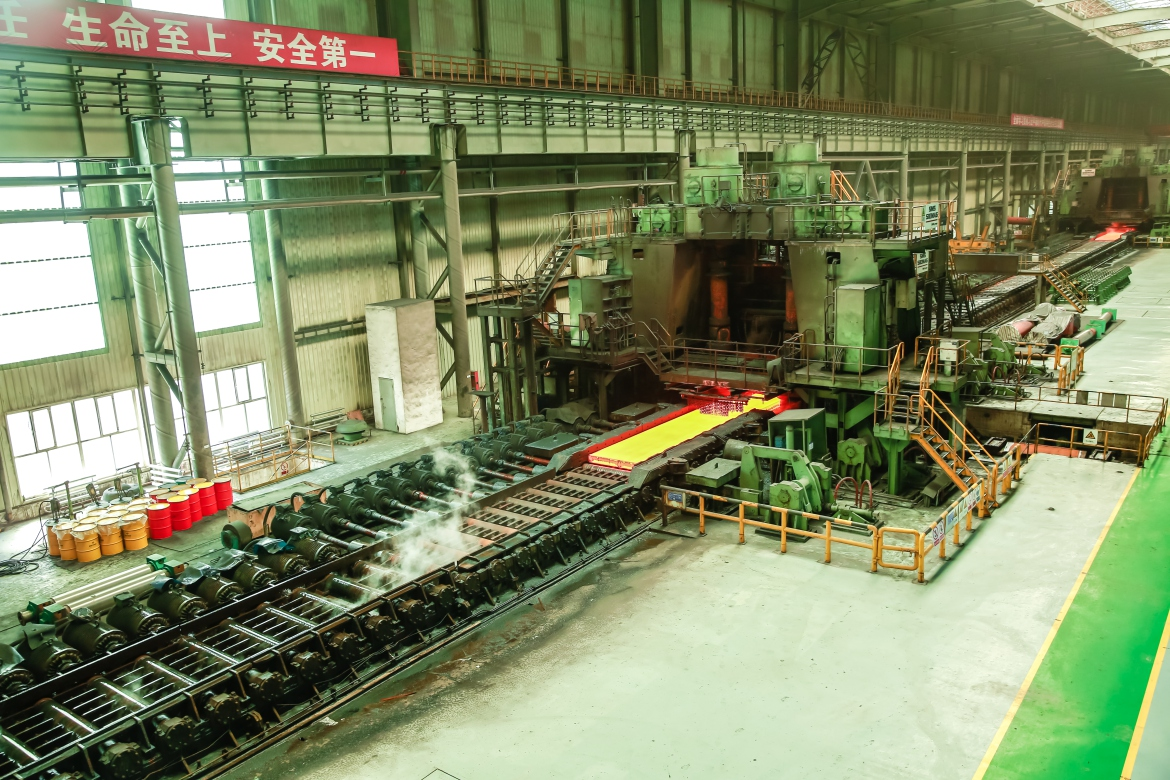

Ultra-Pure Ferrite Stainless Steel Products
Gansu JISCO Group Hongxing Iron and Steel Co., Ltd.
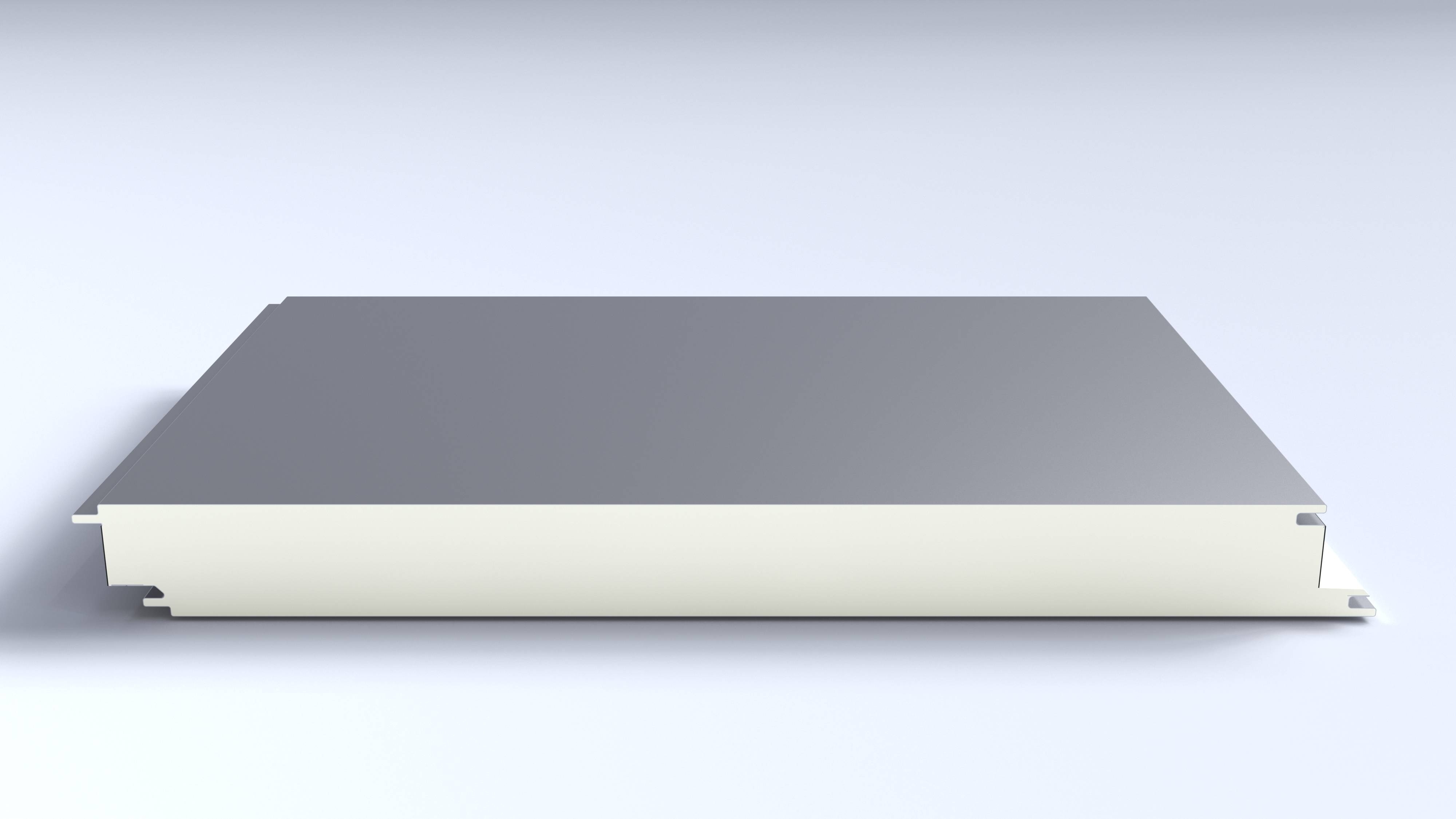
Pure Polyurethane Wall Panel BD-AEF-PIR-01
Baodu International Engineering Technology Co., Ltd.

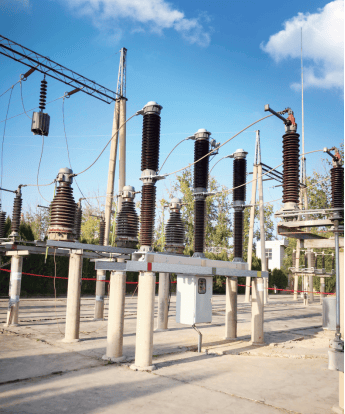
145kV Porcelain Column Type Sulfur Hexafluoride Circuit Breaker
TBEA ZONFA Shanghai High Voltage Switchgear Co., Ltd.