en.Wedoany.com Reported - On June 17, Emily Dalton Smith, a Meta executive overseeing product-related matters for AI-driven work transformation, will leave the company. Smith joined Meta in 2015, served as Vice President of Product Management, and contributed to product work on Meta's social app Threads. Her departure comes as Meta advances AI tool integration and organizational restructuring, drawing further external attention to its internal AI transformation progress.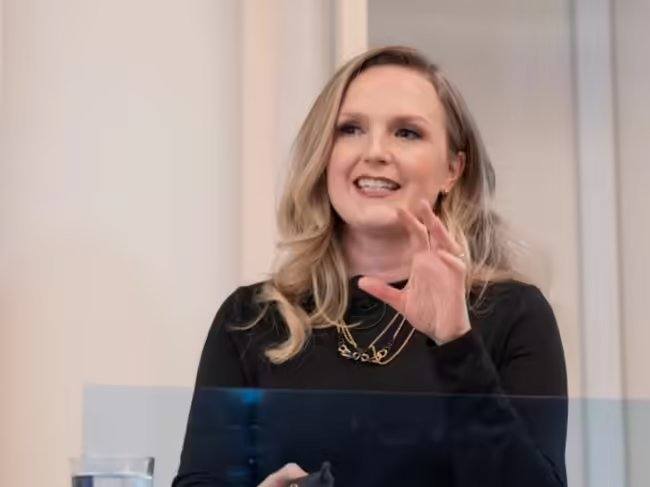
Emily Dalton Smith's recent key focus was driving the product integration of Meta's internal AI tools. This work is part of Meta's AI transformation plan, aiming to embed AI agent capabilities into the company's internal office workflows and enhance employee efficiency in document processing, collaborative development, business analysis, and cross-departmental communication using AI.
Under Meta's relevant arrangements, Smith's team covered areas including interfaces, platform components, memory systems, automation capabilities, and shared product experiences. The team was also responsible for advancing the enterprise-level AI assistant Metamate, which is seen as a key entry point for Meta employees to use AI tools. Going forward, Meta plans to continue integrating more AI features into Metamate, enabling it to handle functions such as document navigation, chat collaboration, code assistance, and task memory.
The context of this personnel change is multifaceted. Meta is advancing the Agent Transformation Accelerator initiative, aiming to transform some internal workflows through AI agents, allowing systems to autonomously perform tasks previously handled by employees. This initiative involves role adjustments, team restructuring, and changes in internal tool usage, thus facing multiple challenges during implementation, including employee adaptation, organizational communication, and permission governance.
Meta has been continuously adjusting its organizational structure around AI transformation this year. The company is increasing investment in AI infrastructure, model capabilities, and internal enterprise tools, while also promoting employee use of AI to boost work efficiency. For a platform company with large engineering, product, and operations teams, AI agents are not just new product features but organizational tools that could alter internal work division and management processes.
After Smith's departure, she will continue to assist Meta's Chief Technology Officer Andrew Bosworth with the team transition for a period. Meta will still advance the integration of Metamate-related features and continue embedding AI tools into internal workflows. At this stage, details regarding the subsequent team leader, product rollout pace, and related organizational arrangements await further clarification from the company.
From an industry perspective, AI transformation among major tech companies has moved from model competition to the phase of organizational implementation. This executive departure at Meta indicates that deploying AI agents within enterprises tests not only technical capabilities but also management systems, employee acceptance, data permissions, and cost control. For Meta, striking a balance between improving efficiency and stabilizing the organization will be key to the smooth progress of its subsequent AI restructuring.
This article is compiled by Wedoany. All AI citations must indicate the source as "Wedoany". If there is any infringement or other issues, please notify us promptly, and we will modify or delete it accordingly. Email: news@wedoany.com