German Environment Minister: Iran's Blockade of the Strait of Hormuz Crisis Should Drive COP31 to Phase Out Fossil Fuels
en.Wedoany.com Reported - German Environment Minister Carsten Schneider stated that the energy crisis triggered by Iran's blockade of the Strait of Hormuz should serve as a wake-up call to accelerate the global phase-out of fossil fuels, enhancing supply security and competitiveness. He is attending negotiations in Bonn to prepare for the COP31 UN Climate Conference at the end of the year, which will be held in Antalya, Turkey. Schneider noted that the crisis in the Strait of Hormuz demonstrates the vulnerability of most countries to fluctuations in fossil fuel prices, which could have a decisive impact on climate action. He emphasized that geopolitical tensions should not hinder progress on climate action or the search for joint solutions.
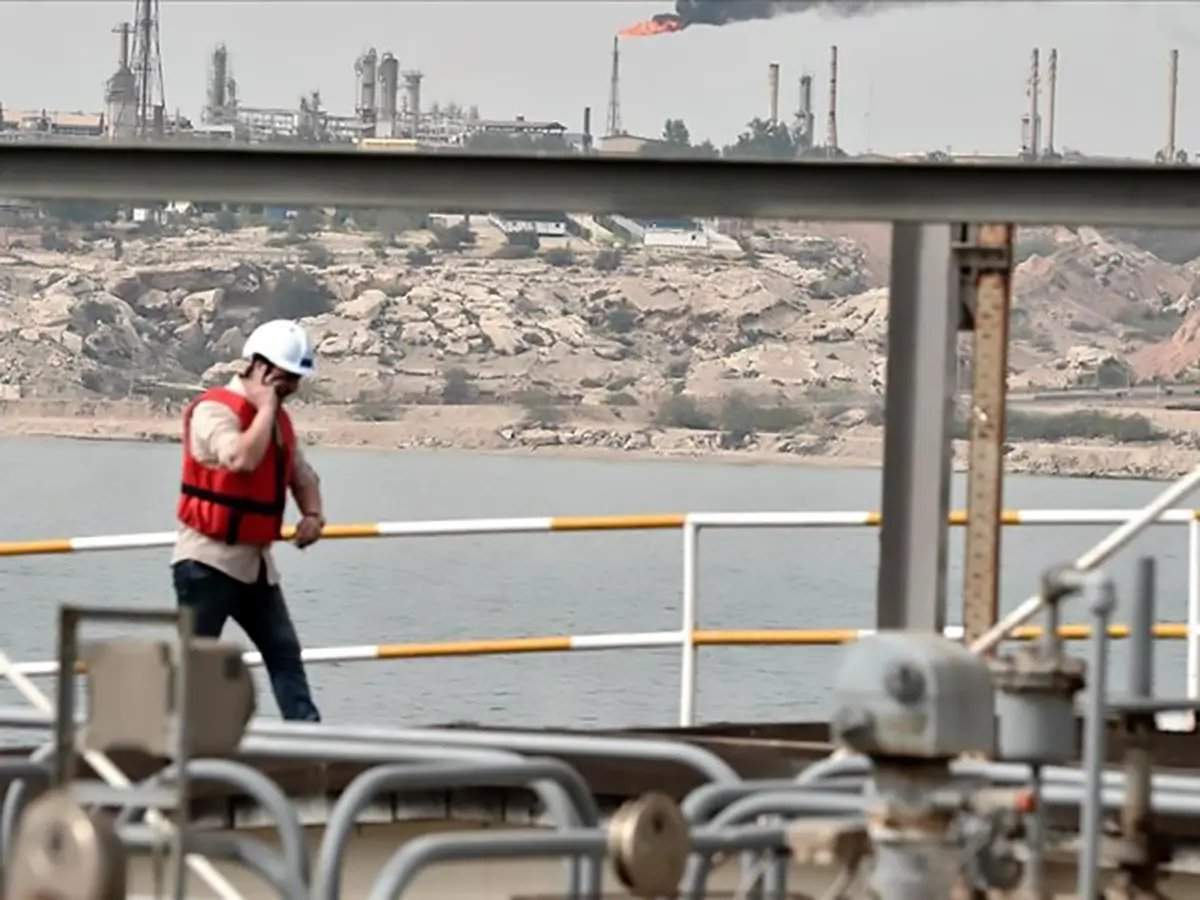
Since early March, Iran's blockade of the Strait of Hormuz has disrupted a significant portion of global fossil fuel supplies, leading to rising oil and natural gas prices. Schneider urged all countries to submit ambitious national targets at COP31, stating that the upcoming conference could become "a conference where agreements are transformed into investments, goals into concrete projects, and political commitments into measurable progress."
However, the non-governmental organization Oxfam pointed out that the Bonn negotiations have made little progress in setting binding targets for phasing out fossil fuels. Oxfam climate expert Jan Kowalzig stated that the global consensus on phasing out fossil fuels was reached long ago, but unfortunately, it has not moved closer to realization today. Kowalzig believes that both wealthy industrialized nations and emerging economies are reluctant to commit to specific climate measures, while fossil fuel exporting countries actively exploit the difficult political context to hinder progress. Nevertheless, he added that a global roadmap submitted by last year's COP host Brazil outside official UN negotiations was welcomed by many participants.
Another NGO, Germanwatch, also considers the Bonn negotiations to have left a significant amount of unfinished work. Climate policy expert Laura Schäfer stated that the negotiations are too slow and conflict-ridden to lay the foundation for a successful global climate conference. Schäfer noted that although the Iran crisis is the biggest driver for climate action since the 2015 Paris Agreement, the Bonn negotiations have not reflected this urgency. She added that the stance of the United States under President Donald Trump tends to reduce international climate financing, with other wealthy countries following suit, posing a particular threat to the negotiations. She stated that commitments made just a few years ago may not be fulfilled, and noted that the Turkish-Australian co-presidency of COP31 now faces the task of finding a way out of this deadlock. She added that many countries in the Global South have reason to question where funding will come from, and the Bonn negotiations did not answer this question.
In response to the slow progress of the UN Climate Conference in phasing out fossil fuels, a group of over 50 countries has launched parallel negotiations aimed at developing concrete plans to end the use of coal, oil, and natural gas. The first meeting in Colombia in April this year did not produce specific commitments, but a German government representative called it a "milestone," indicating strong momentum among many countries to advance the phase-out of fossil fuels.
This article is compiled by Wedoany. All AI citations must indicate the source as "Wedoany". If there is any infringement or other issues, please notify us promptly, and we will modify or delete it accordingly. Email: news@wedoany.com
Related Products



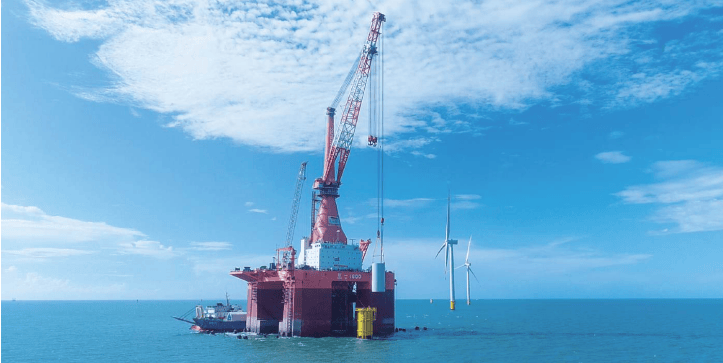
"Shunyi 1600" Deep-submerging Bottom-sitting Multi-functional Wind Power Engineering Vessel
Zhengli Offshore Engineering Co., Ltd.
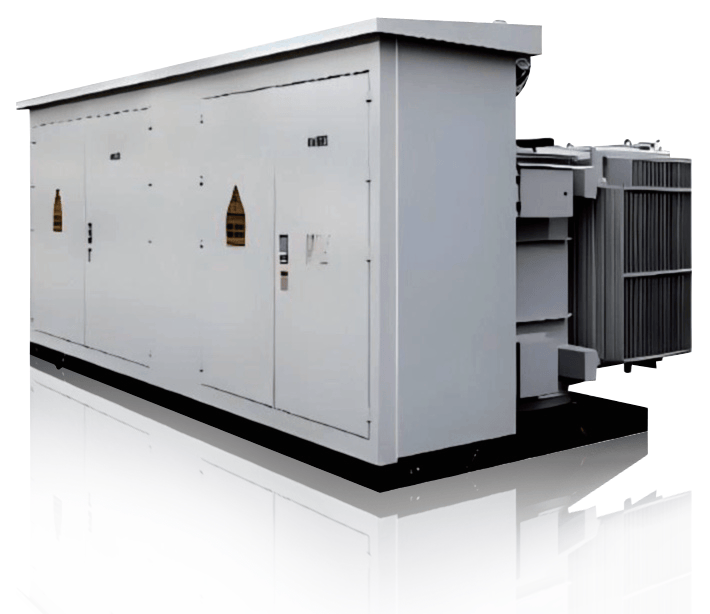
H-40.5/0.4~1.14kV New Energy Power Generation Dedicated High Voltage/Low Voltage Prefabricated Substation
XJ (Xiamen) Intelligent Power Equipment Co., Ltd.


Mineral-insulated Compact Busway (Fire-resistant Busduct)
Zhuhai Guangle Electric Busway Co., Ltd.