Valar Atomics Ward 250 Reactor Achieves Criticality
en.Wedoany.com Reported - Valar Atomics announced that its Ward 250 reactor has successfully achieved fuel criticality during testing at the Utah San Rafael Energy Lab in Emery County, Utah. This milestone means the reactor is capable of sustaining a controlled nuclear chain reaction, a necessary prerequisite before any reactor can begin generating electricity.
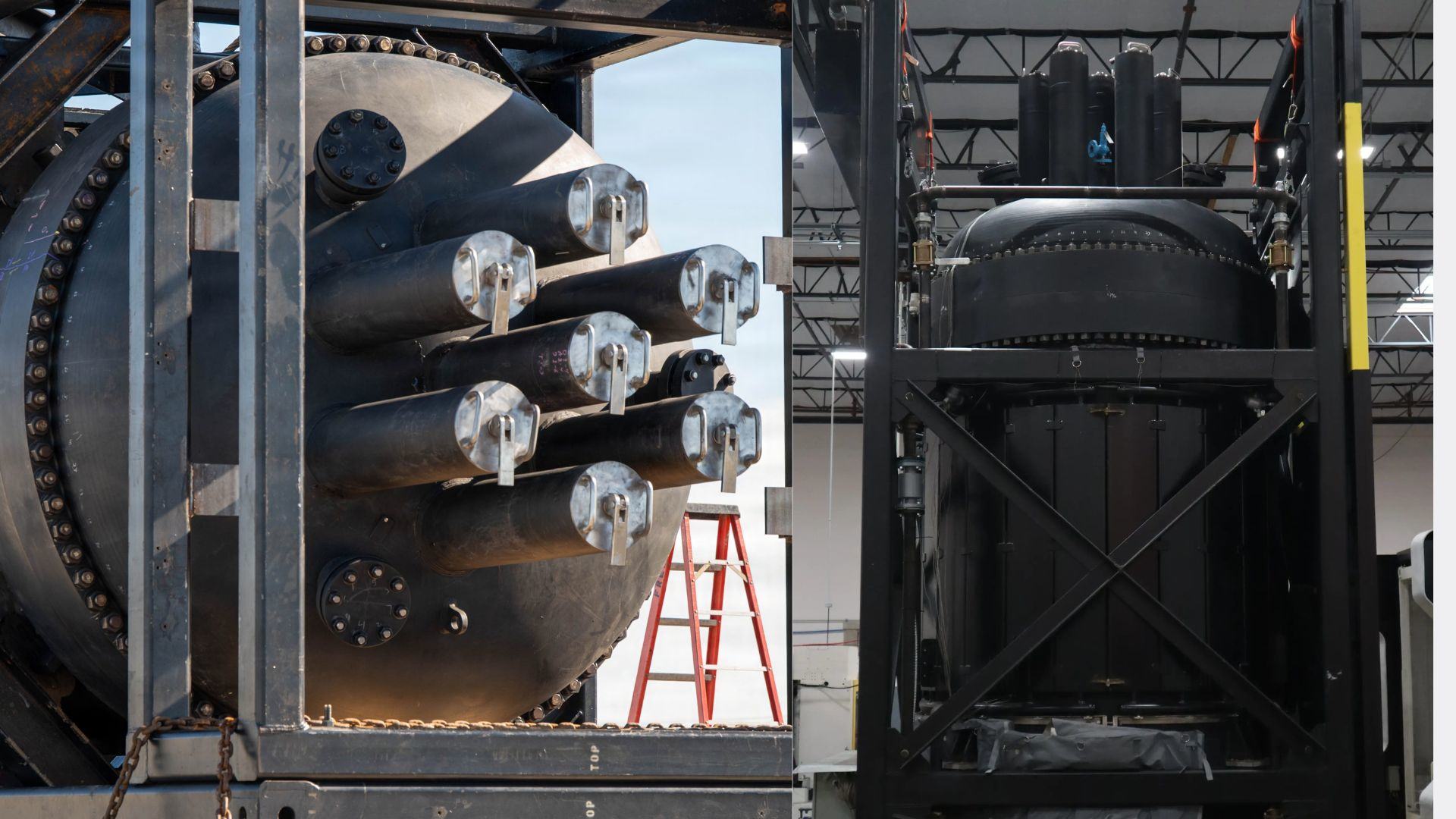
This test marks the first significant result under the U.S. Department of Energy (DOE) Reactor Pilot Program. The Ward 250 becomes the first reactor authorized under this program to achieve criticality outside a national laboratory, signaling the government's accelerated push for commercial reactor development. Federal officials view this milestone as evidence that advanced nuclear projects are transitioning from concept to reality faster than ever before.
The Ward 250 is the second advanced reactor expected to achieve criticality under the goals of President Donald Trump's May 2025 executive order, which requires multiple advanced reactor demonstrations to reach criticality by July 4, 2026. Earlier this month, Antares Nuclear's Mark-0 reactor at the Idaho National Laboratory also reached the same milestone. Together, these two projects represent some of the fastest-progressing reactor demonstrations currently underway in the United States.
U.S. Secretary of Energy Chris Wright stated that this achievement reflects the growing momentum in the domestic nuclear energy sector. "Today marks another historic moment in America's nuclear renaissance," Wright said, also citing recent accomplishments including the first airlift of a small reactor via a U.S. military C-17 transport aircraft. Wright believes these milestones demonstrate that the pace of advanced nuclear technology development is accelerating under current federal initiatives.
Valar Atomics completed this project in less than a year. Founder and CEO Isaiah Taylor noted that nine months ago the site was empty land, and now the company's team has built and operated a reactor that has achieved criticality there. The company positions the Ward 250 as a power-generating reactor rather than a laboratory experiment, and this criticality milestone confirms the design's ability to sustain the nuclear reactions needed for future energy production. Taylor attributed the success to support from the DOE, Utah officials, the local community, and project partners.
The DOE launched the Reactor Pilot Program to shorten the development cycle for the first advanced reactors. The program leverages existing DOE authorizations to approve reactor demonstrations while allowing developers to continue pursuing commercial licensing pathways. Officials view this program as a way to reduce historical barriers that have hindered nuclear innovation in the United States. Based on early progress under the program, the DOE recently launched the Nuclear Energy Launch Pad to further accelerate testing, validation, and deployment of advanced reactor technologies. The ultimate goal of the Reactor Pilot Program is to have at least three advanced reactor concepts achieve criticality outside national laboratories. Federal officials believe this approach helps restore U.S. leadership in nuclear energy while expanding access to reliable, around-the-clock electricity generation.
This article is compiled by Wedoany. All AI citations must indicate the source as "Wedoany". If there is any infringement or other issues, please notify us promptly, and we will modify or delete it accordingly. Email: news@wedoany.com
Related Products
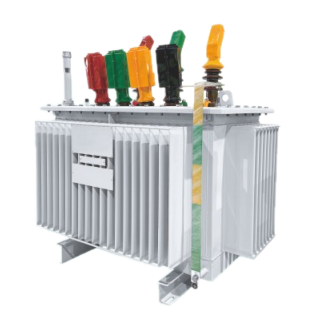

IS(B)□-M·RL Series Oil-immersed 3D Transformer (Planar / 3D Wound Core)
Guangdong Kehua Electric Power Technology Co., Ltd.
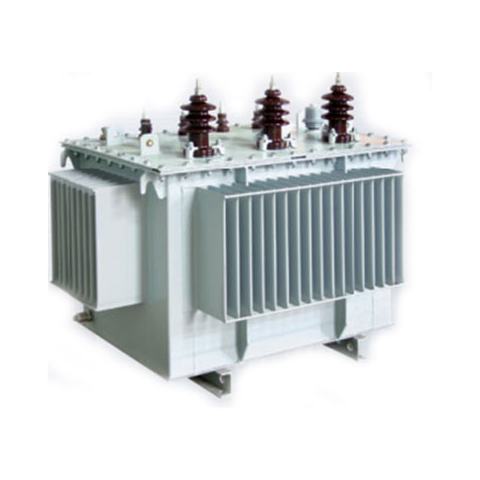
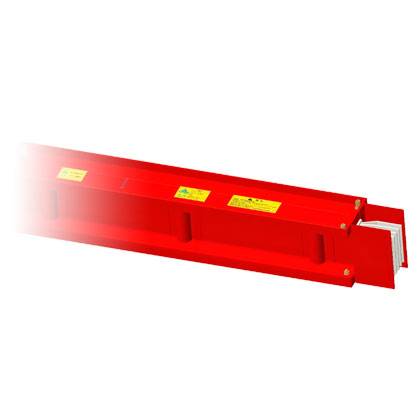
Mineral-insulated Compact Busway (Fire-resistant Busduct)
Zhuhai Guangle Electric Busway Co., Ltd.
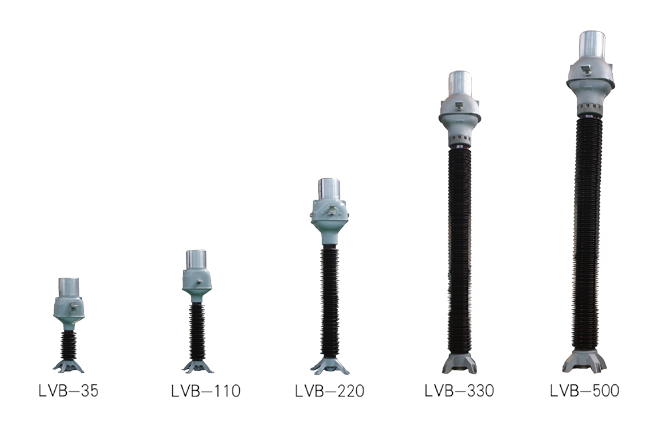
LVB Series 35-500kV Oil-immersed Inverted Current Transformer
Shandong TaiKai Instrument Transformer Co., Ltd.
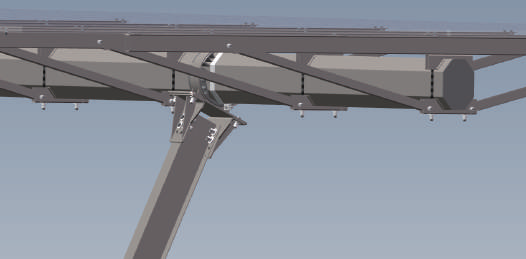
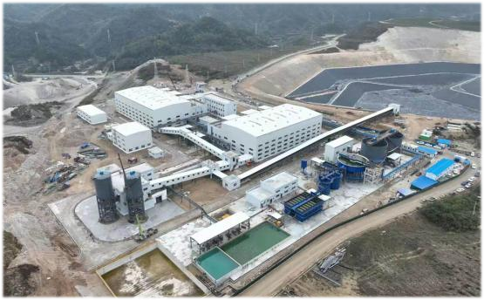
Yingping Mining Section Open-pit Tailings Backfill Treatment of Goaf Ecological Restoration EPC Project
China Bluestar Lehigh Engineering Corporation
Perfluorinated Ionic Membrane-CM-10N Series Membrane
Guizhou Juneng Century Technology Co., Ltd
Modular Multifunctional Water Supply and Drainage Vehicle (18T)
Changsha Dewater Machinery Technology Co., Ltd.