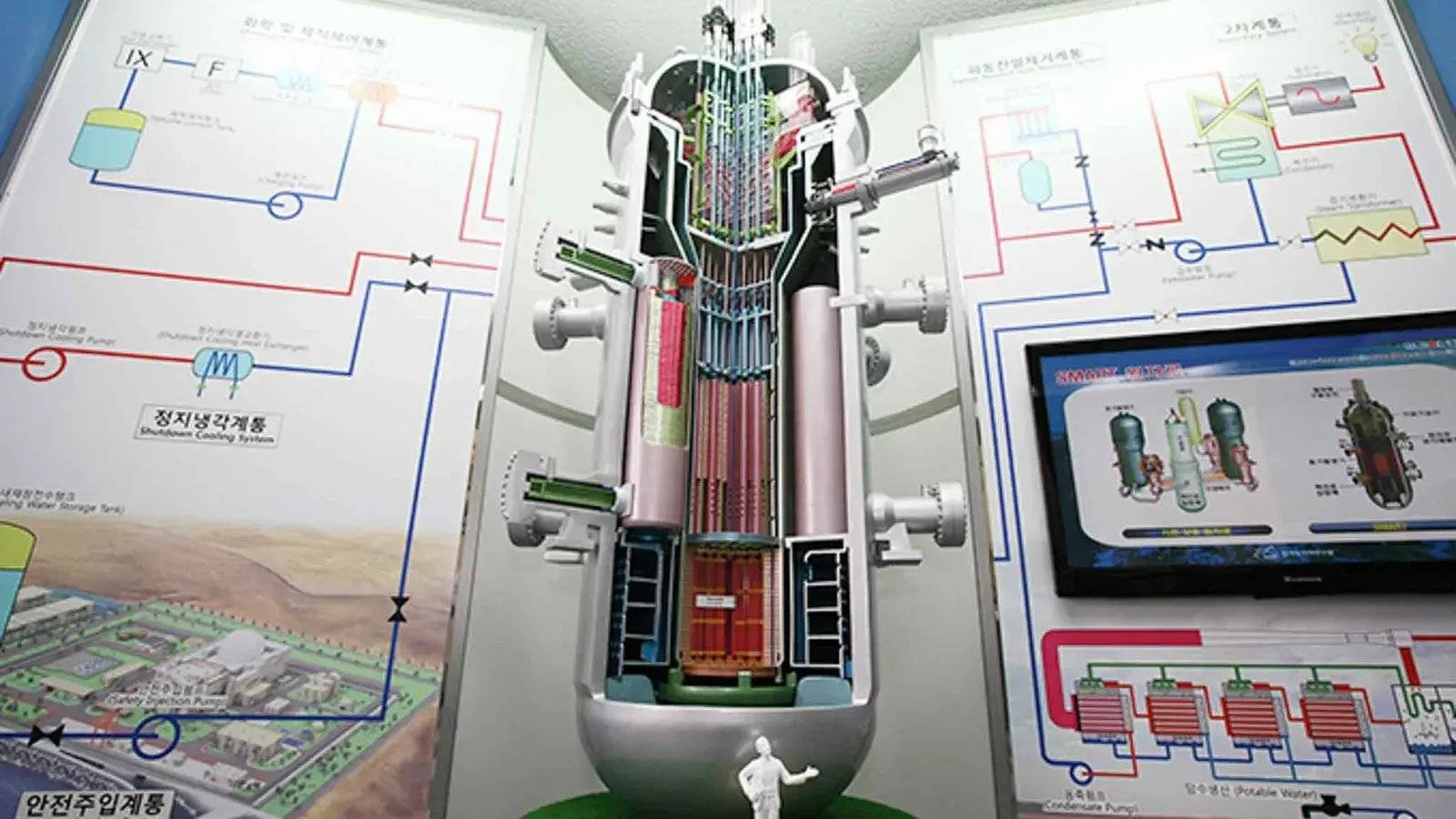
Port of Long Beach Proposes Floating Nuclear Reactors by August, Each Unit Capable of Powering 15,000 Homes
en.Wedoany.com Reported - The Port of Long Beach is advancing an exploratory initiative centered on small modular reactors (SMRs), proposing to use nuclear reactors mounted on floating barges to supply electricity for port operations and vessels. If the project gains traction, it could become California's first new nuclear power project in five decades.
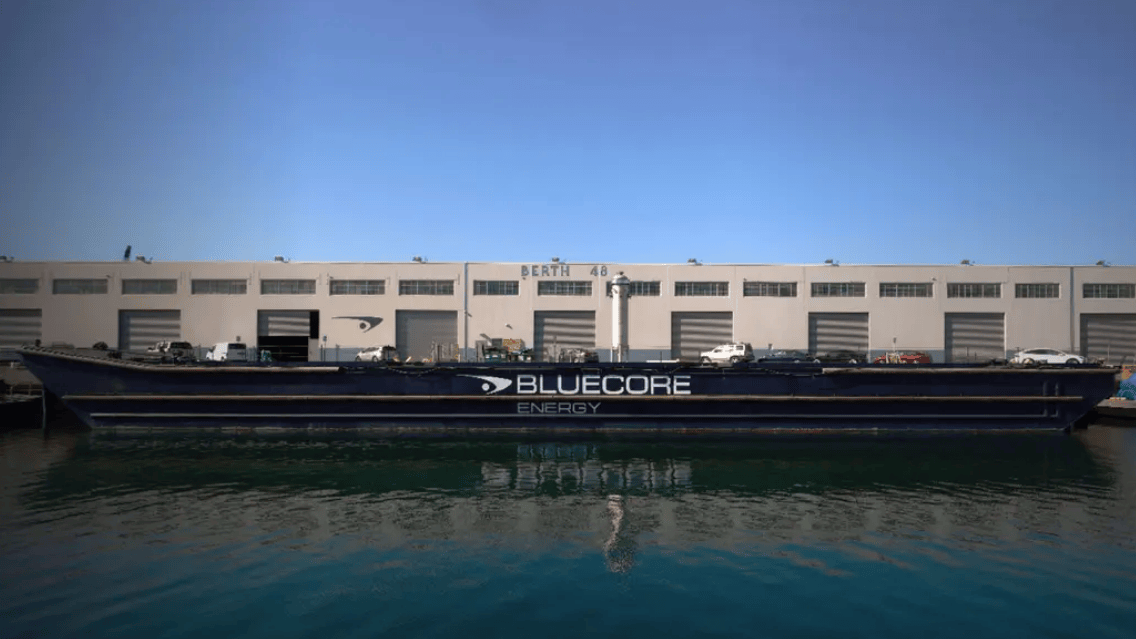
The exploratory project involves startup Bluecore Energy, which has developed a compact nuclear reactor system designed for operation on floating barges and has leased space at Pier 48 of the Port of Long Beach for technology development and testing. The port has also signed a cooperation agreement with the U.S. Maritime Administration (MARAD) to jointly develop standards for maritime nuclear power.
Bluecore founder and CEO Kofi Asante told CBS News that the company redesigned a more compact system suitable for barge operation based on power-generation nuclear reactor technology. According to the company, a single reactor can meet the electricity needs of approximately 15,000 households. The system could in the future power port terminals, cargo handling equipment, charging infrastructure, vessels, data centers, and other facilities near waterways; the company is also exploring potential applications for supplying electricity to other coastal infrastructure.
Small modular reactors are compact nuclear power units that generate less electricity than traditional large reactors but offer higher modularity in construction and deployment. Bluecore's approach uses water cooling and relies on heat generated by nuclear fission to produce electricity, following the same principle as conventional nuclear power. What is unusual is that Bluecore plans to place the entire system on a floating barge.
Floating deployment introduces maritime risks beyond conventional nuclear safety requirements. A report by the Nuclear Regulatory Commission (NRC) states that offshore nuclear systems must address sinking, capsizing, and other extreme environmental conditions. The NRC is evaluating how existing regulatory frameworks apply to such systems; the Port of Long Beach and MARAD, together with federal agencies including the NRC, the U.S. Coast Guard, and the Department of Energy, are developing operational protocols, safety standards, and inspection procedures. Earlier this year, MARAD solicited industry input on U.S.-built, scalable, and commercially viable SMRs for maritime transport.
The Port of Long Beach has set zero-emission operational goals while maintaining bulk cargo handling capacity, and its demand for reliable electricity continues to rise. Port officials say that as port infrastructure becomes increasingly electrified, nuclear power could be one source of the clean, around-the-clock electricity needed. Nuclear reactors have powered naval vessels for decades, and floating nuclear power plant development practices have also emerged internationally. Bluecore's direction is commercial application rather than military propulsion; for vessels, the same basic power generation system can supply both propulsion systems and onboard equipment.
At the California state level, the project faces a long-standing restriction. Since 1976, California has maintained a moratorium on the construction of new nuclear fission reactors, a policy tied to requirements for long-term disposal of high-level radioactive waste. How this restriction will affect the proposed floating reactors remains unclear. Bluecore has not yet submitted a deployment application to the NRC; according to the Press-Telegram, the company was scheduled to meet with the NRC on August 17 to present its reactor design and regulatory plans.
At this stage, the Port of Long Beach's exploration remains in the development and regulatory planning phase. The port and federal agencies are establishing the standards and procedures needed for maritime nuclear applications, while Bluecore continues advancing reactor development. If the project progresses, Long Beach could become an early demonstration case in the United States for using small modular reactors to power port and maritime infrastructure.
Related Products

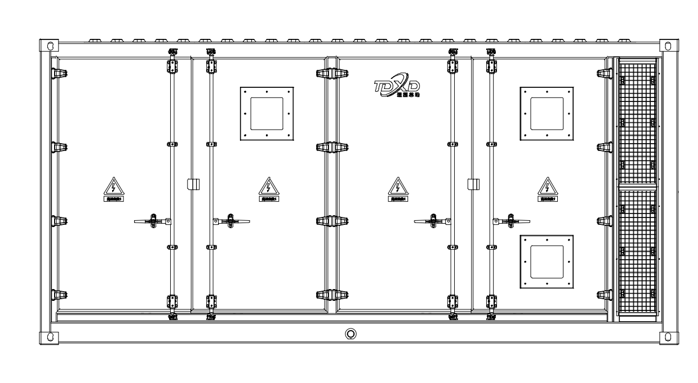
5012kWh DC Energy Storage System TD-EES-5012kWh
Suzhou Tongding Xindong Energy Storage Technology Co., Ltd.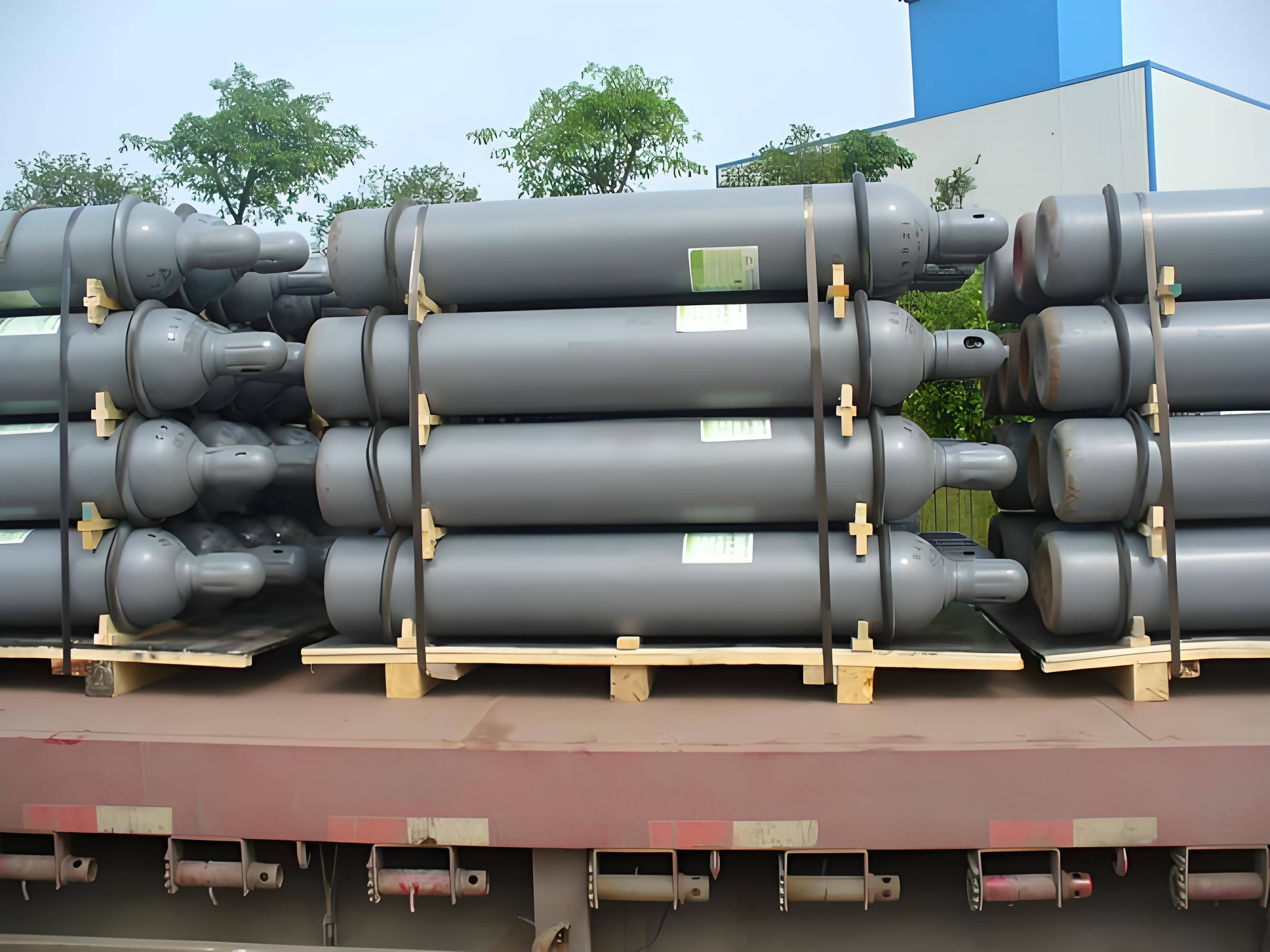
Global Sulfur Hexafluoride Gas Supply and Cylinder Export
Foshan Yuexin Industrial Gas Co., Ltd.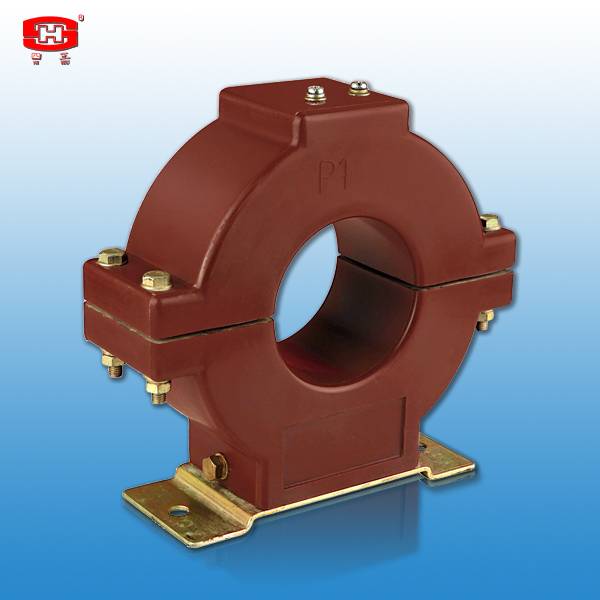
0.66kV Power Supply Instrument Transformer
Guangdong Sihui Instrument Transformer Works Co., Ltd.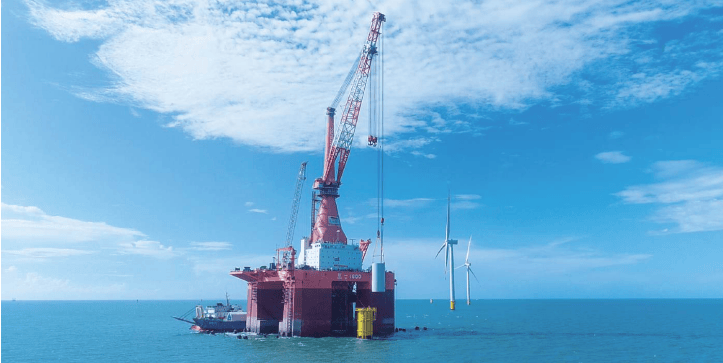
"Shunyi 1600" Deep-submerging Bottom-sitting Multi-functional Wind Power Engineering Vessel
Zhengli Offshore Engineering Co., Ltd.