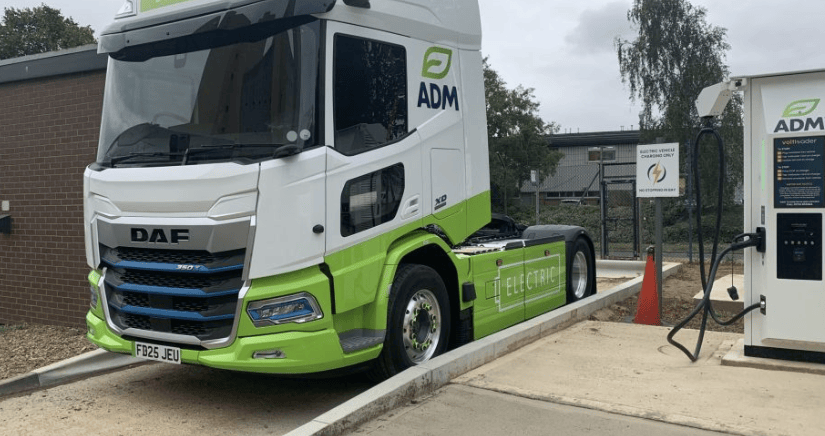
Oman Air Cargo Launches Daily Road Feeder Service to Dubai
en.Wedoany.com Reported - Logistics operators are expanding land bridge services in the Gulf region to cope with the impact of the US/Israel war against Iran on supply chains. Oman Air Cargo launched a daily road feeder service (RFS) between Muscat and Dubai this week; Qatar-based GWC introduced a Gulf air-land logistics corridor based on the TIR (International Road Transport System). Mike Parra, CEO of DHL Express Europe, said on Wednesday that the company has also seen a significant increase in demand for regional road freight connections in the area. Parra noted that uncertainty in the Middle East and the closure of the Strait of Hormuz have prompted customers to turn to DHL's heavy express products and network. When DHL has both ground and air networks in the Middle East, along with the ability to adjust from Bahrain to Muscat and Riyadh, combined with its European road network, it becomes the preferred logistics provider.
The rapid maturation of this new Gulf land trade corridor within just four months is driven by regional governments. Achraf Ellili, CEO of Saudi Flow Progressive Logistics, pointed out that all authorities are committed to making the entire ecosystem work together, achieving in 47 days what would normally take years. Hasan Almanasif, Executive Manager of the Saudi Automobile and Tourism Association, praised the swift cooperation among Gulf Cooperation Council countries to improve truck customs clearance and transit processes, and called on operators to seize this opportunity. Oman Air Cargo's launch of the new road feeder service is a response to this call. Michael Duggan, the company's cargo head, stated that the service supports the growing trade flow between the UAE and Oman through two-way trucking, providing alternative routes for customers in turmoil. By complementing traditional air freight operations, this new service enables the transport of a wider range of cargo types between Dubai and Muscat, creating greater flexibility for cargo movement. As regional supply chains continue to evolve, Oman Air Cargo remains focused on providing reliable, customer-centric transport solutions to support trade across the Middle East.

This airline is not the only operator seizing the opportunity. Demand for road feeder services surged by 30% in the three weeks before the war. GWC's new service leverages its network to coordinate services from regional suppliers. The long-term prospects of this route still face challenges: it is expected that when the war eventually ends, carriers and shippers will revert to traditional methods, but hopes for a swift resolution continue to fade. US Vice President JD Vance will no longer attend the summit in Switzerland before boarding a flight for negotiations, as talks have been abandoned. Although the ceasefire memorandum of understanding signed on Wednesday emphasizes that the US and Israel should immediately cease attacks on Lebanon, Israeli forces continue operations. These attacks began almost simultaneously with the news of President Trump signing the memorandum, prompting a freight forwarder to sarcastically remark: "How long did that damn ceasefire last?" This chaos provides a long-term outlook for the land bridge. Ellili noted that since shippers have now experienced the reliability of this route, he expects them to retain a certain proportion of cargo volume for continued transport via this method, as it has proven itself under large-scale stress tests. It is now a viable option. Shippers need a dual-corridor strategy, and the Gulf Cooperation Council can now provide that. Jebel Ali will remain world-class, but it is no longer the only gateway. This new corridor has been stress-tested; it is here and is complementary.
This article is compiled by Wedoany. All AI citations must indicate the source as "Wedoany". If there is any infringement or other issues, please notify us promptly, and we will modify or delete it accordingly. Email: news@wedoany.com
Related Products


![IVECO Cash-in-Transit [DMT5048XYCL3-AM] - Chongqing Dima Industry Co., Ltd](https://img.wedoany.com/2026/0911/20260911030157582.png)
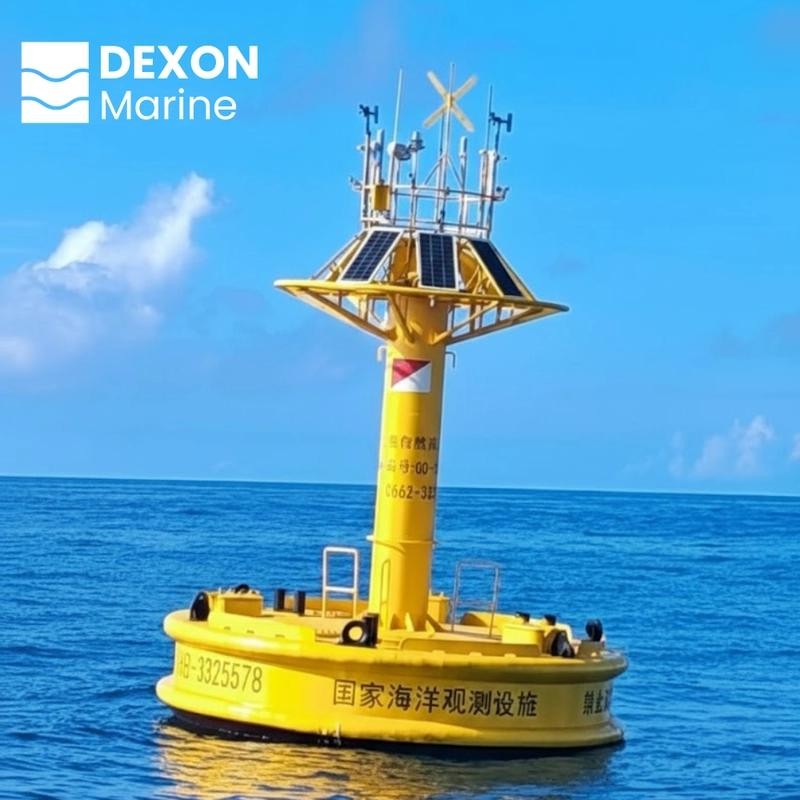
3m intelligent buoy combining navigation safety and real-time marine monitoring integrated navigation and marine monitoring system for real-time maritime data
Chengdu Dixin Technology Co., Ltd.

"Shunyi 1600" Deep-submerging Bottom-sitting Multi-functional Wind Power Engineering Vessel
Zhengli Offshore Engineering Co., Ltd.

Wheel and Track Technology Business
Beijing Research & Design Institute of Rubber Industry Co., Ltd.
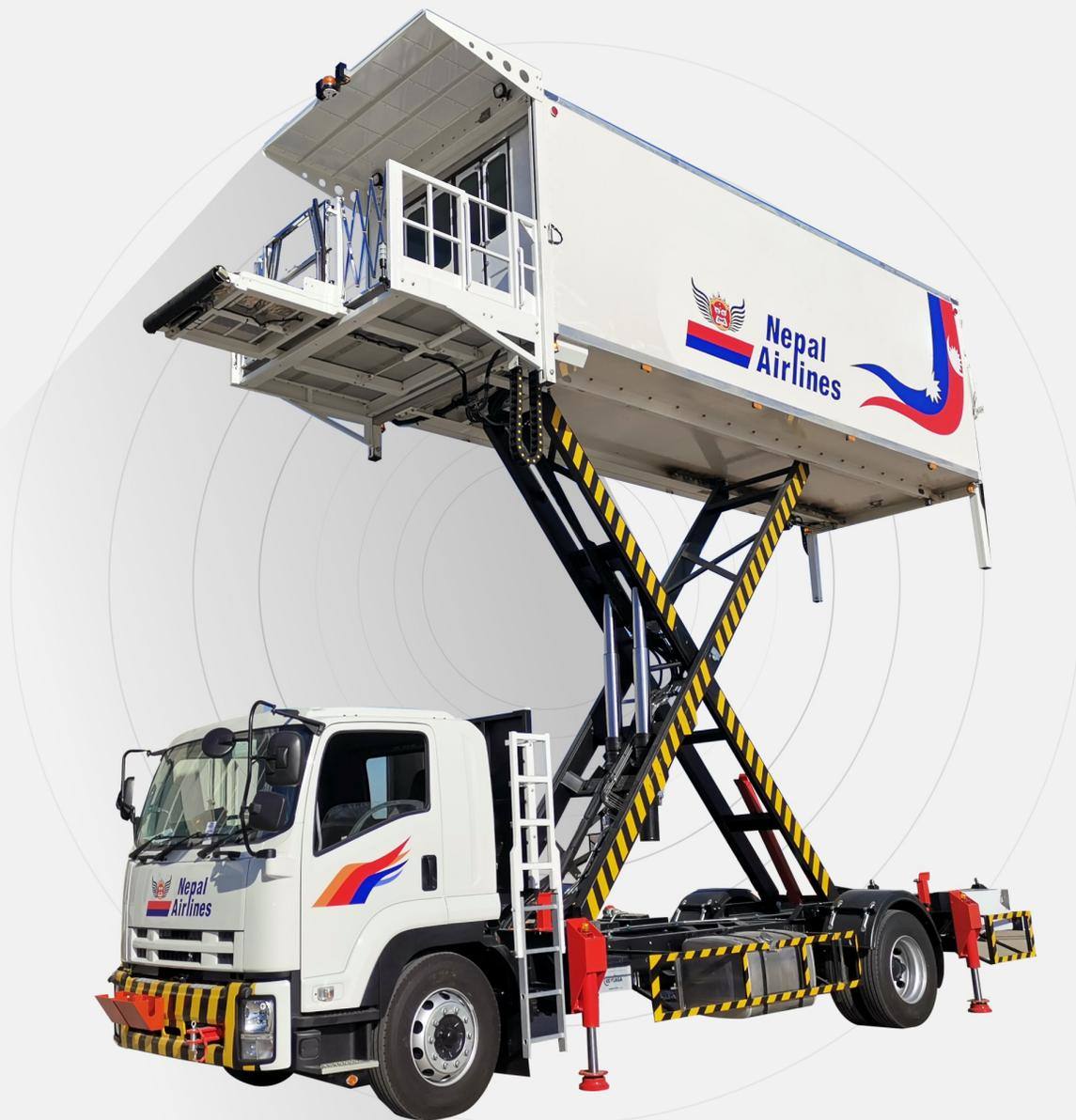
XC-6000e Type Aviation Catering Truck (Fuel Type)
Shenzhen CIMC-TianDa Airport Support Ltd.


Explosion-proof lithium battery dispatching monorail crane locomotive (permanent magnet frequency conversion integrated machine)
Xiangtan Hengxin Industrial Co., Ltd.