Solar Tracker Pneumatic Actuator Efficiency Improved by 66.4% at University of Technology in Baghdad, Iraq
en.Wedoany.com Reported - A study conducted by the University of Technology in Baghdad, Iraq, tested a pneumatic actuator design for solar trackers suitable for harsh environments. Results showed that a single-axis single actuator improved average efficiency by 62.3%, while a dual-axis dual actuator improved average efficiency by 66.4%.

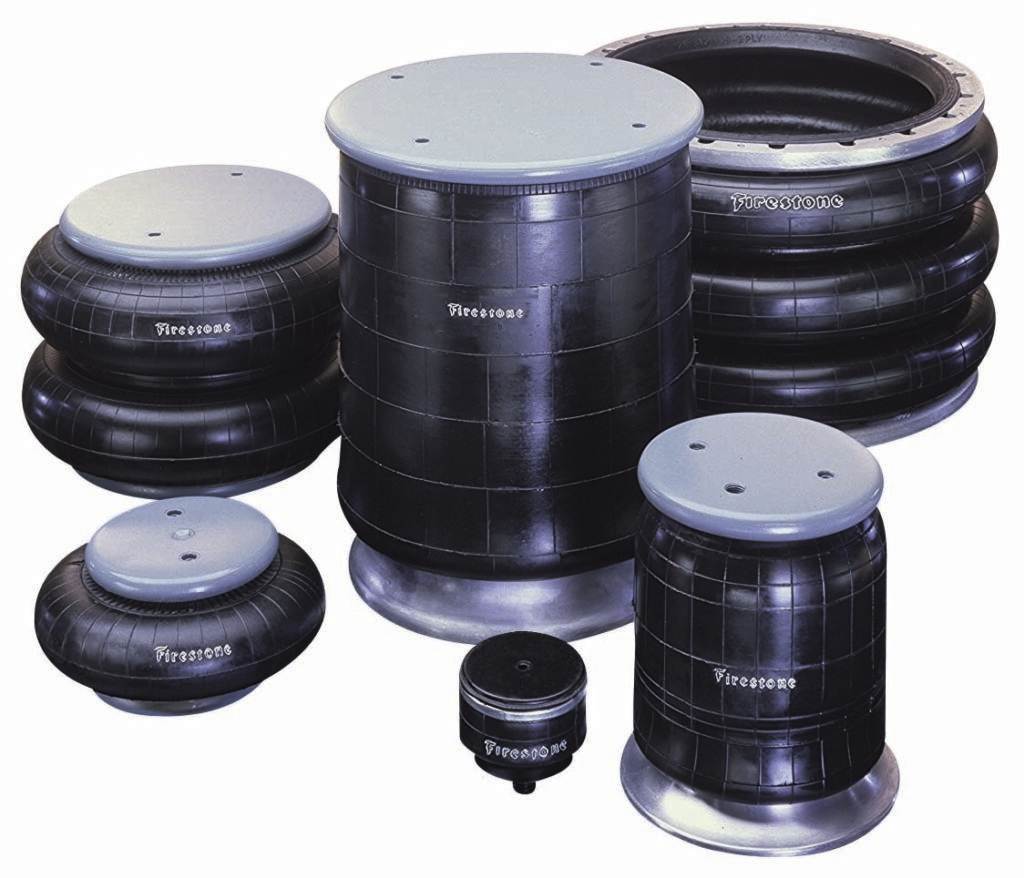
Vinh Lam, Technical Product Manager at Air Springs Supply, a Sydney-based distributor of pneumatic technology industrial actuators, stated that all the advantages identified by engineers in this study are applicable to Australian conditions. Lam noted that air spring actuators are highly suitable for various urban and rural solar-powered applications, especially in harsh remote areas such as mines and inland solar farms, or rooftop applications where users value maintenance-free durability and long service life.
Published in 2025 on Science Direct, the study titled "Design and implementation of pneumatic actuators in a dual-axis solar tracker under the harsh climatic conditions of Karbala city" aimed to design pneumatic actuators required to drive a closed-loop dual-axis solar tracker at minimal cost, while considering maximum loads under the harshest climatic conditions of Karbala city, including wind speed and impact angle. The method relied on tilt angle, actuator displacement, and the power required to drive a closed-loop dual-axis solar tracker suitable for arid desert climates, where summer temperatures peak at 45 degrees Celsius but often exceed 50 degrees Celsius.
The scientists explained in the study that two double-acting cylinders were used as actuators in the tracking system to track the sun's daily east-to-west movement and seasonal north-to-south movement. Design parameters included piston inner diameter and cylinder stroke length. They stated that two valves and throttle valves were used to regulate the position of each pneumatic actuator to facilitate cylinder movement. A rotating disc and chain on a slide rail converted the linear motion of one cylinder into rotational motion. The stability of the pneumatic system was also analyzed through PID-based closed-loop control.
The study reported that the system was experimentally tested over three consecutive days. According to the results, using a single actuator for single-axis movement improved the average efficiency of solar panels by 62.3%; using two actuators for dual-axis movement improved the average efficiency by 66.4%. Stability studies of cylinder motion under the PID control unit showed satisfactory system response, with a steady-state error of 0.00734%, overshoot of 0.505%, settling time of 1.034 seconds, and rise time of 145.76 milliseconds.
Lam added that air spring actuators are designed to move through an arc without mechanical clevises, enabling angular motion of up to 30 degrees. This is particularly useful in applications where motion is not entirely linear and where reducing complexity and wear points is desired. Lam stated that the initial cost of air spring actuators can be half that of traditional pneumatic or hydraulic cylinders with similar force capabilities, and they are much simpler than electric actuators while being highly tolerant of adverse operating conditions. He said that, of course, no technology is a universal ideal, but air springs offer many advantages in urban and rural solar applications, and as Australia enters the solar era, they truly deserve the attention of the engineering community.
This article is compiled by Wedoany. All AI citations must indicate the source as "Wedoany". If there is any infringement or other issues, please notify us promptly, and we will modify or delete it accordingly. Email: news@wedoany.com
Related Products

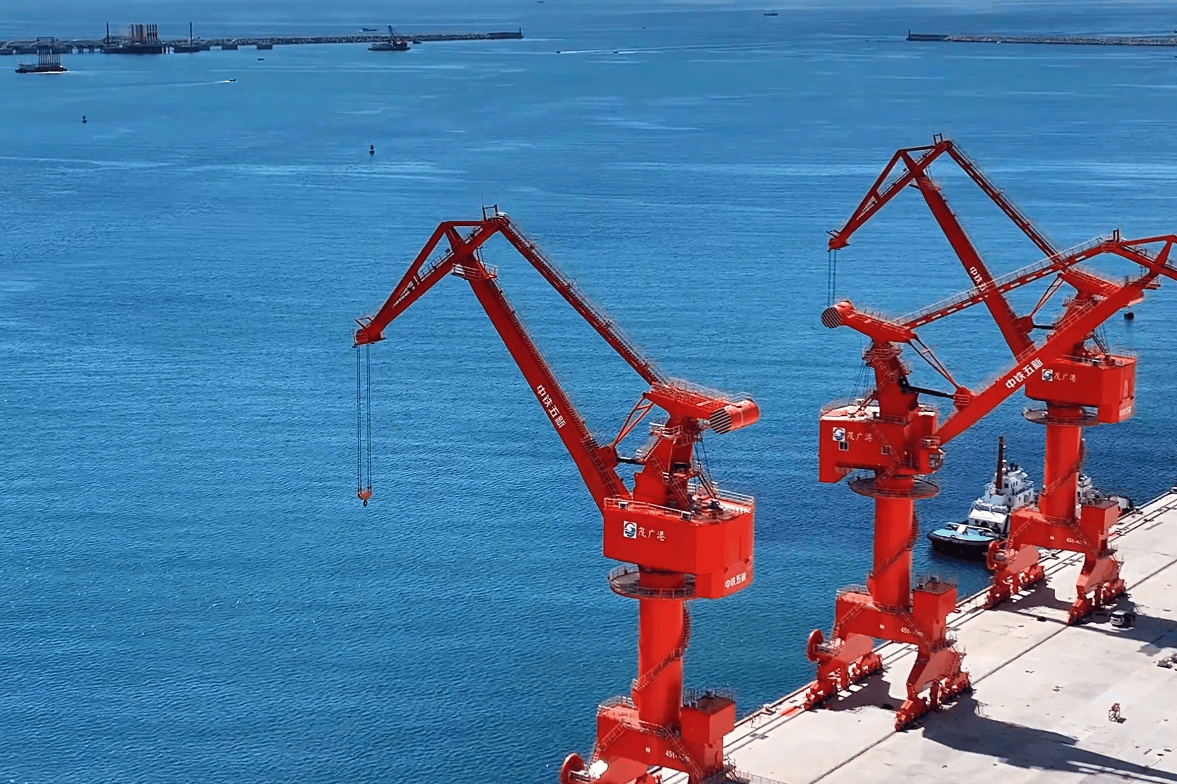
High-Speed Railway Lifting, Transporting, and Erecting Equipment: Integrated Transport and Erection Machine
Hanjiang Heavy Industry Co., Ltd. of China Railway 11th Bureau Group
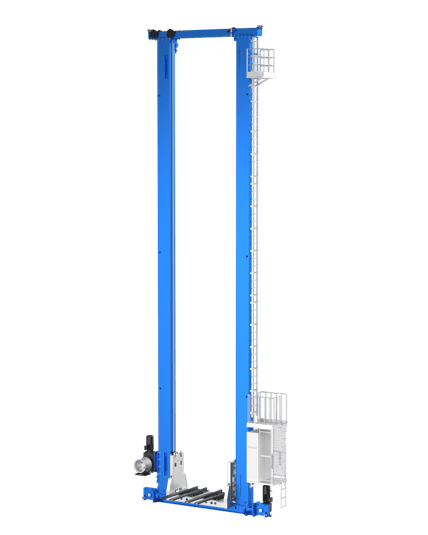
Pallet Solutions Product Line: HD3000 Double-Column Stacker Crane
Zhongding Intelligent (Wuxi) Technology Co., Ltd.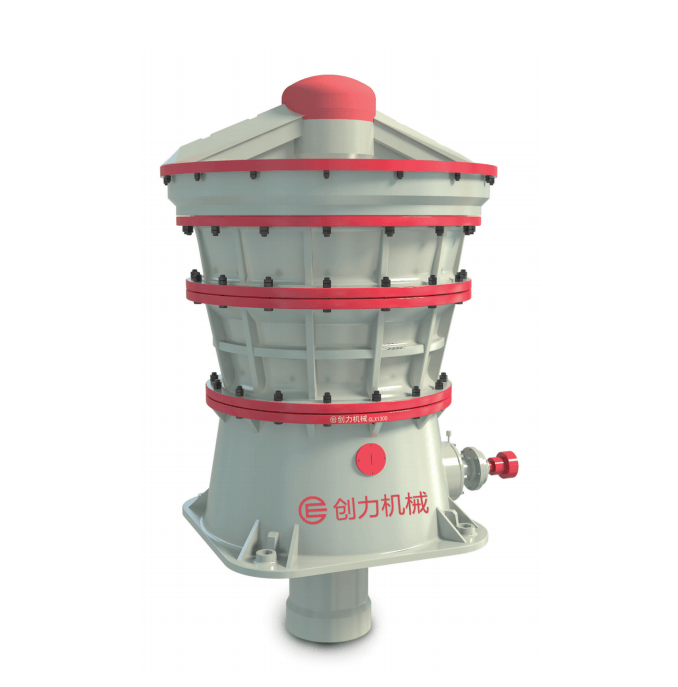
CLX Series Intelligent Hydraulic Gyratory Crusher
Guangdong CHUANGLI intelligent machinery Equipment Co., LTD
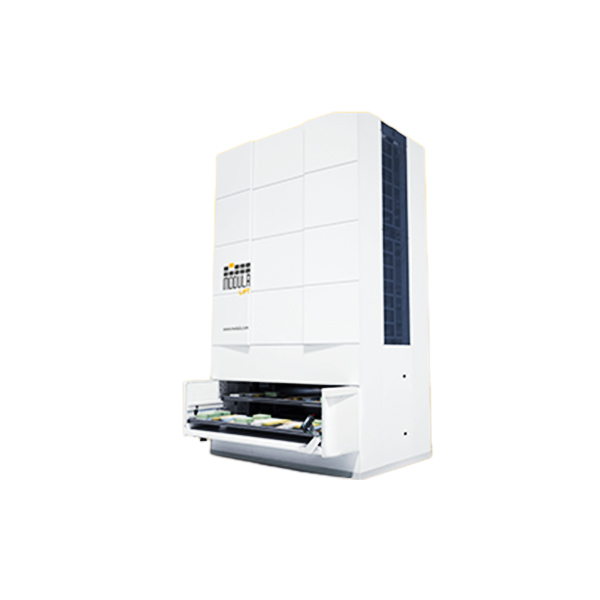
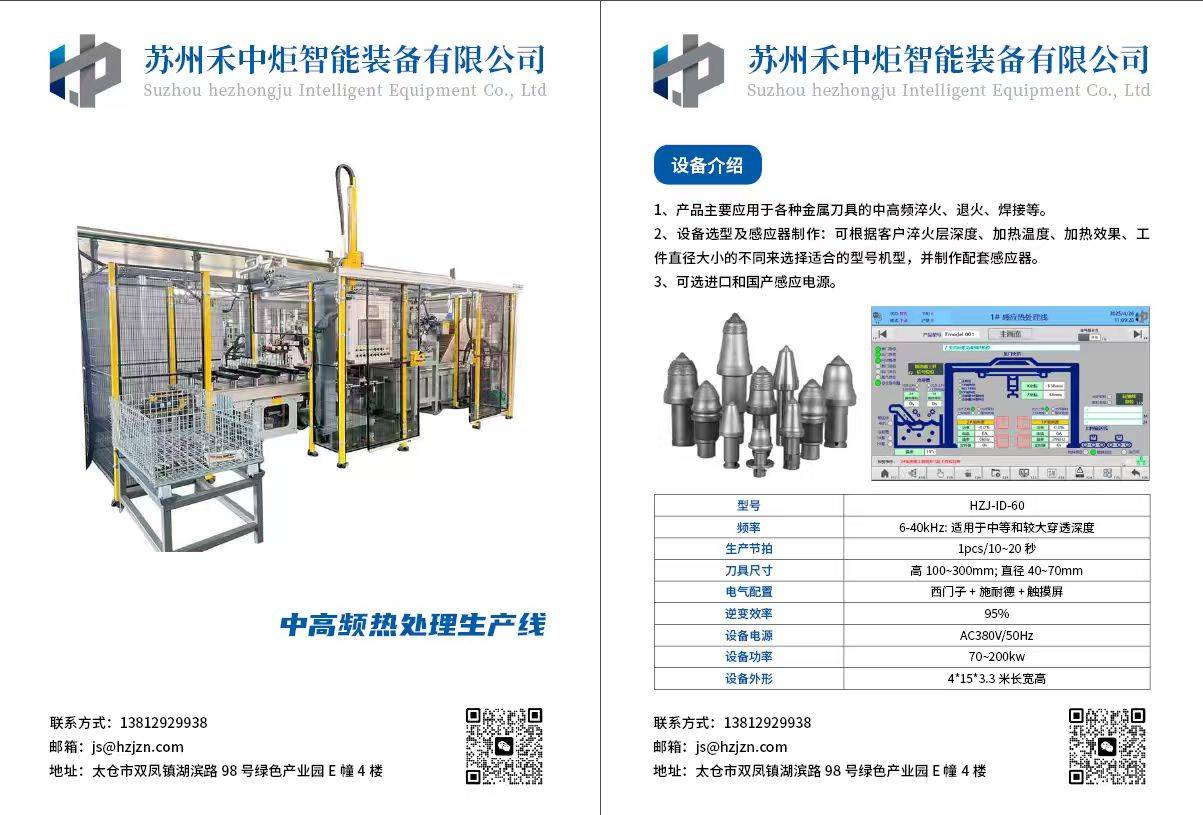
Excavator Bucket Teeth Heat Treatment Production Line
Suzhou Hezhongju Intelligent Equipment Co., Ltd.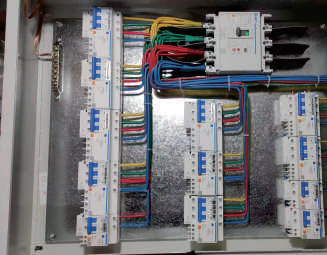
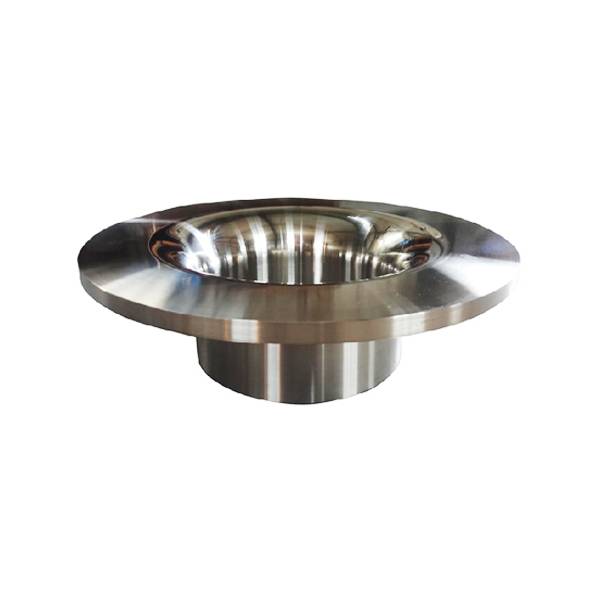
Standard Nozzle Flowmeter
Jinggong Automatic Control Instrument Complete Technology Development Company