Fraunhofer IKTS Detects 8-Micrometer Defects in Packaging Seams Using OCT
en.Wedoany.com Reported - Fraunhofer IKTS has integrated optical coherence tomography (OCT) technology into the sealing process of industrial packaging machines, enabling real-time, continuous, and non-destructive quality inspection of sealing seams as they form at production speeds of up to 25 meters per minute, detecting defects as small as 8 micrometers. According to Conner Phillips, a scientist in the institute's characterization processes group, OCT technology, which is based on infrared light imaging and was originally developed for ophthalmology, can now perform three-dimensional, non-destructive imaging of structures beneath the surface of various materials, thereby locating inhomogeneities or defects. The system directs near-infrared light into the material and captures the reflected signals, generating high-resolution three-dimensional images of the internal structure, allowing material defects, bubbles, or inadequately welded areas to be visualized without damaging the packaging or the product.

In the publicly funded project "OCTInline," IKTS researchers integrated OCT technology directly into the sealing process of an industrial partner's packaging machines. Ralf Schallert, head of the characterization processes group, stated that the system can detect and visualize various pores up to 8 micrometers in size within the sealing seams. The core challenge faced by the project team was balancing high resolution with high production speed—the smaller the defect, the greater the volume of data that must be acquired and processed. Additionally, even the slightest vibration of the film can affect the measurement results. Phillips explained that the solution had to account for the interplay between depth of field, exposure time, and film movement.
New requirements for packaging sustainability are increasing the importance of reliable sealing seam inspection. More and more manufacturers are adopting recyclable monolayer films, which are easier to recycle than multilayer composite materials. Schallert noted that monolayer films are ecologically attractive but exhibit a higher frequency of defective sealing seams, so the demand for continuous control is growing.
Real-time inspection offers manufacturers multiple benefits. Rapid defect detection helps reduce scrap rates and material consumption, while the system also provides information on the condition of the machine and tools. Schallert explained that many defects arise from poor matching of pressure, temperature, and materials, or from gradual tool wear over time. With OCT data, these changes can be visualized, enabling early identification of maintenance needs such as tool replacement.
Related Products


Pneumatic high-pressure wear-resistant ball valve
Zhejiang Deca Control Valve Meter Co., Ltd.

CAP1400 main feedwater flow nozzle flowmeter.
Jiangsu Hongda Instrument Technology Co., LTD.
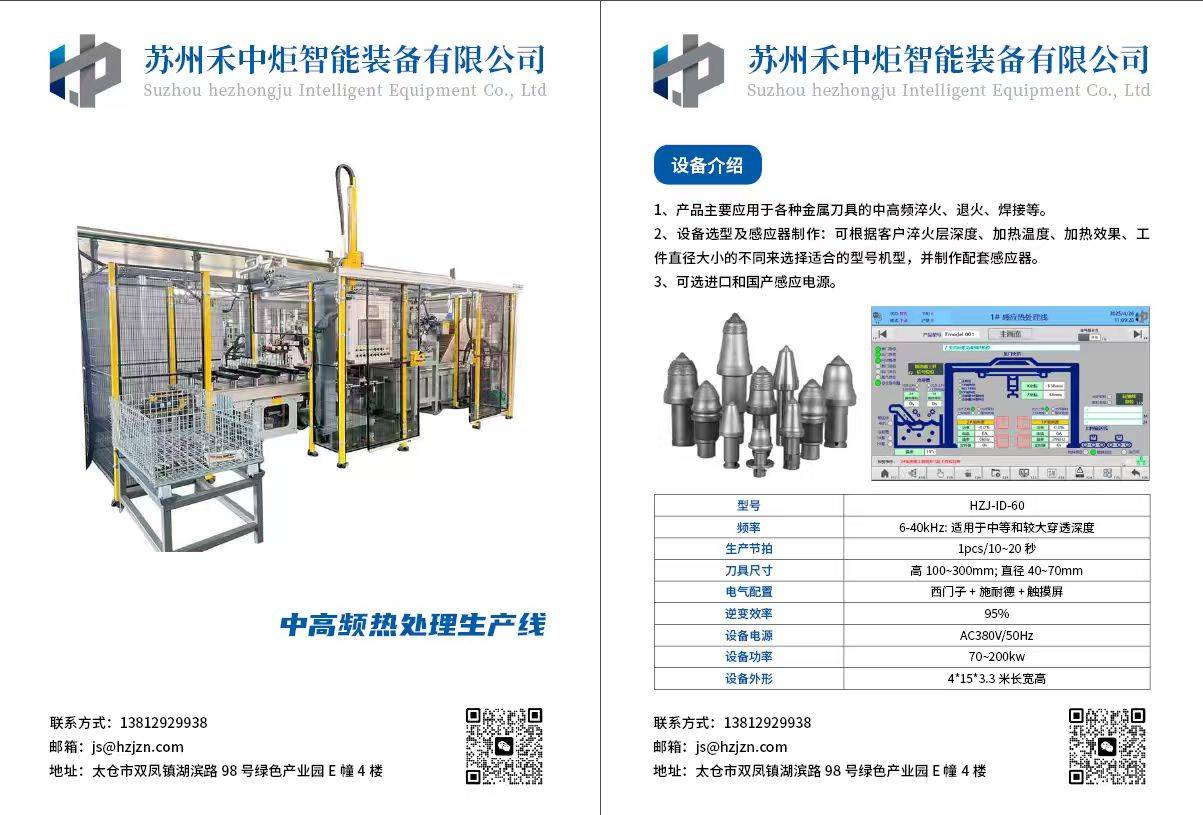
Excavator Bucket Teeth Heat Treatment Production Line
Suzhou Hezhongju Intelligent Equipment Co., Ltd.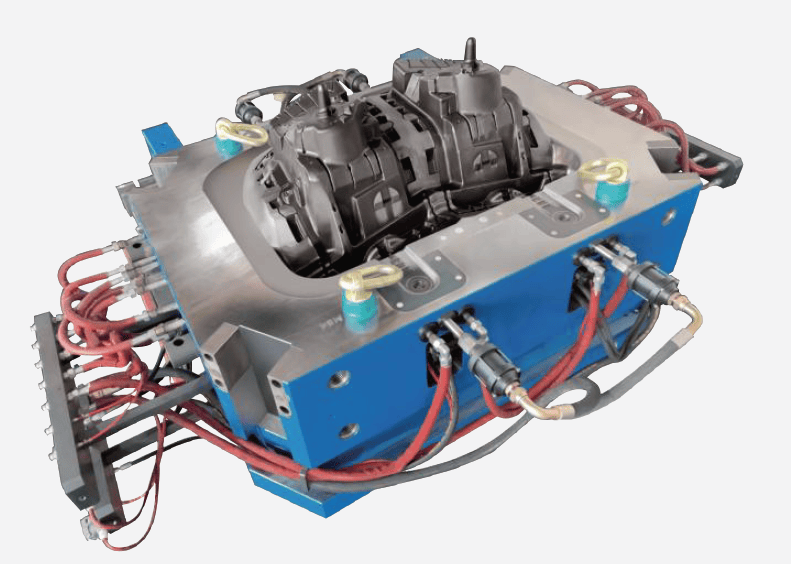
Aluminum-Magnesium Alloy High-Pressure Die-Casting Molds
NINGBO HELI TECHNOLOGY CO., LTD.

High-Speed Railway Lifting, Transporting, and Erecting Equipment: Integrated Transport and Erection Machine
Hanjiang Heavy Industry Co., Ltd. of China Railway 11th Bureau Group
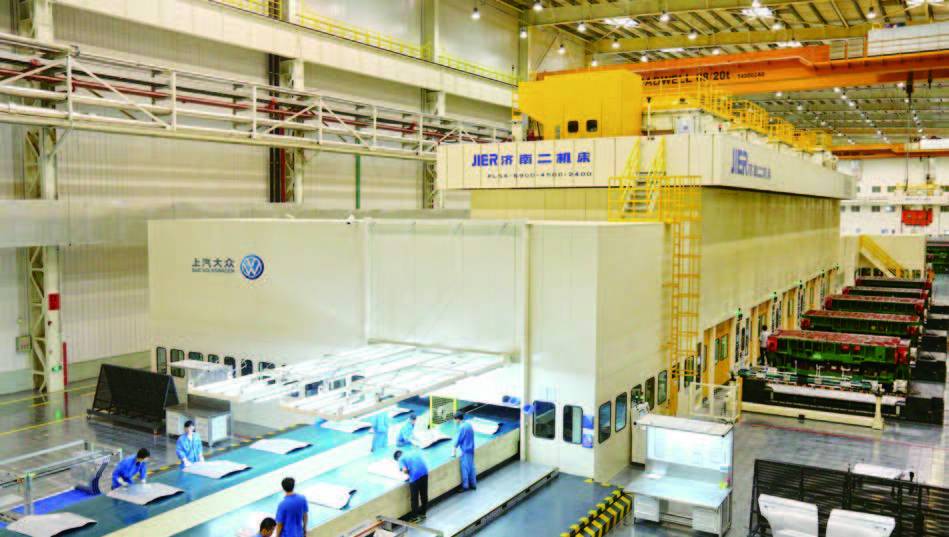
High-Speed Flexible Fully Automatic Stamping Production Line
JIER Machine-Tool Group Co., Ltd.