Mozambique Develops 2026-2030 Cybersecurity Strategy, Focusing on AI Risks
en.Wedoany.com Reported - Mozambique is accelerating the development of its "2026-2030 National Cybersecurity Strategy" to address increasingly complex digital threats, with the strategy set to include, for the first time, specific safeguards against risks related to artificial intelligence.
Lourino Chemane, Chairman of the Board of Directors of the National Institute of Information and Communication Technology (INTIC) of Mozambique, announced the plan at the 2026 Cybersecurity Day conference held in Portugal. The conference, targeting members of the Community of Portuguese Language Countries, specifically discussed cybersecurity development issues.
First unveiled earlier this month, the new strategy aims to update the country's previous national cybersecurity guidelines. The old guidelines focused on basic measures such as legal protection and incident response, and did not address risks related to artificial intelligence. The new framework will replace the "2021-2025 National Cybersecurity Policy and Implementation Strategy," which established the country's national incident response capability, cybersecurity governance structure, and the legal framework for protecting critical information infrastructure.
The new policy comes against a backdrop of escalating cyber threats. Data from Mozambique's Ministry of Communications and Digital Transformation shows that the country recorded 36,330 cyberattacks in the first half of 2025. This trend continues the trajectory of 2024, when 173,770 cyberattacks led to 1,061 criminal cases, compared to 912 in 2023.
Chemane emphasized the need to strengthen the country's cybersecurity operational capabilities. With support from the World Bank and other international partners, the current priority is to consolidate the national Computer Security Incident Response Team to effectively handle increasingly complex cybersecurity incidents. To address the growth in cybercrime, he proposed two additional measures: introducing a mandatory cybersecurity incident reporting system to improve threat mitigation, and establishing a National Cybersecurity Fund to support related strategic initiatives.
In terms of regional cooperation, Chemane proposed a joint forum for cybersecurity authorities of the Community of Portuguese Language Countries, similar to the existing cooperation framework among the group's data protection agencies. He stated that the initiative would coordinate regional positions, promote the sharing of institutional expertise, and enhance digital resilience against emerging geopolitical threats. Chemane also stressed the importance of implementing regulations related to the country's Cybersecurity Law, particularly those concerning the protection of critical infrastructure and essential services. He called on member states of the Community of Portuguese Language Countries to strengthen cooperation in jointly addressing geopolitical challenges posed by digital sovereignty, cybersecurity, and the rise of artificial intelligence technology.
This article is compiled by Wedoany. All AI citations must indicate the source as "Wedoany". If there is any infringement or other issues, please notify us promptly, and we will modify or delete it accordingly. Email: news@wedoany.com
Related Products


KJD127(A) Mining Explosion-Proof and Intrinsically Safe Computer
Taiyuan Xiangming Intelligent Control Technology Co., Ltd.

Flat Portable Satellite Terminal 0.35m Aperture Manual Portable Terminal
China Starwin Science & Technology Co., Ltd.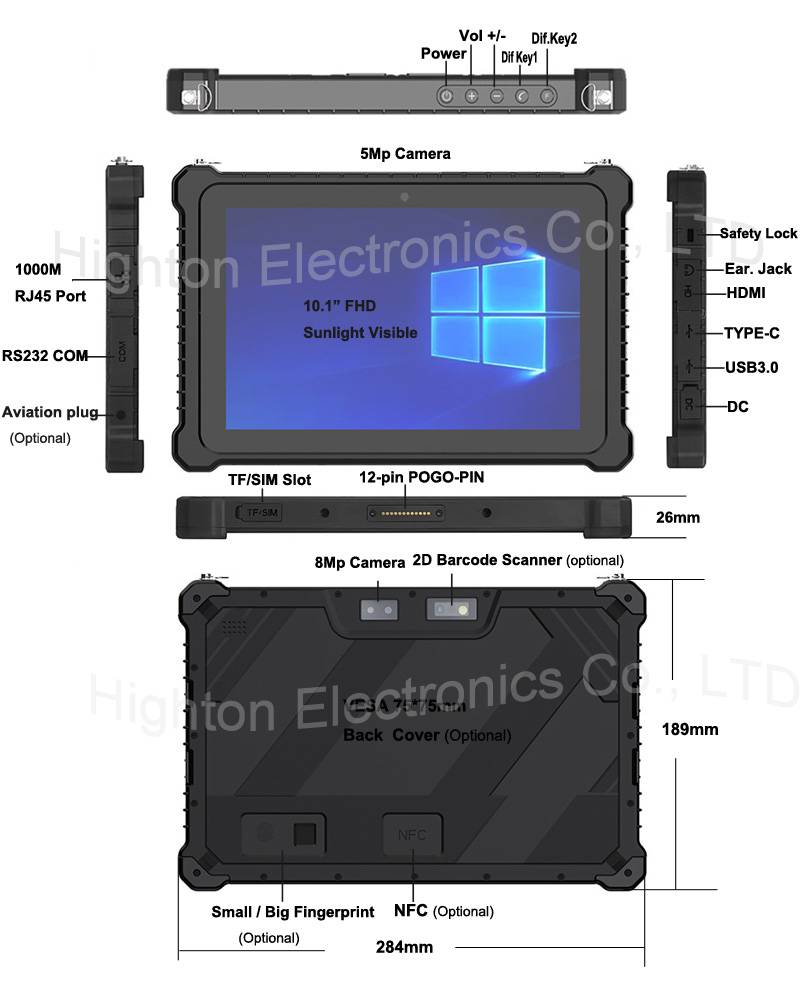
Hot Selling 10 Inch Intel N5100 I5 I7 FHD 8 +128GB 16+256GB Win10 Pro Win11 Pro 4G 5G Rugged Tablet PC Pad with NFC Barcode
Highton Electronics Co., Ltd.

Industrial and Commercial Point-Type Gas Detector
Jinan Benan Technology Development Co., Ltd.

MUX Series Communication Interface Device for Security and Stability Control System
Nanjing NR Electric Co., Ltd.

Mine Explosion-proof and Intrinsically Safe Industrial Ethernet Ring Network (10 Gigabit/Gigabit)
Chongqing Mas Sci&Tech Co., Ltd.