en.Wedoany.com Reported - Brazil faces a strategic decision: to confront the power demands of critical digital-age infrastructure, or to miss development opportunities due to policy gaps. The recent approval by the Chamber of Deputies of the Special Tax Regime for Data Center Services (Redata) bill offers tax incentives to attract related investments. However, it does not explicitly include stable power sources such as natural gas, biomethane, and nuclear energy within the scope of incentives, sparking industry debate.
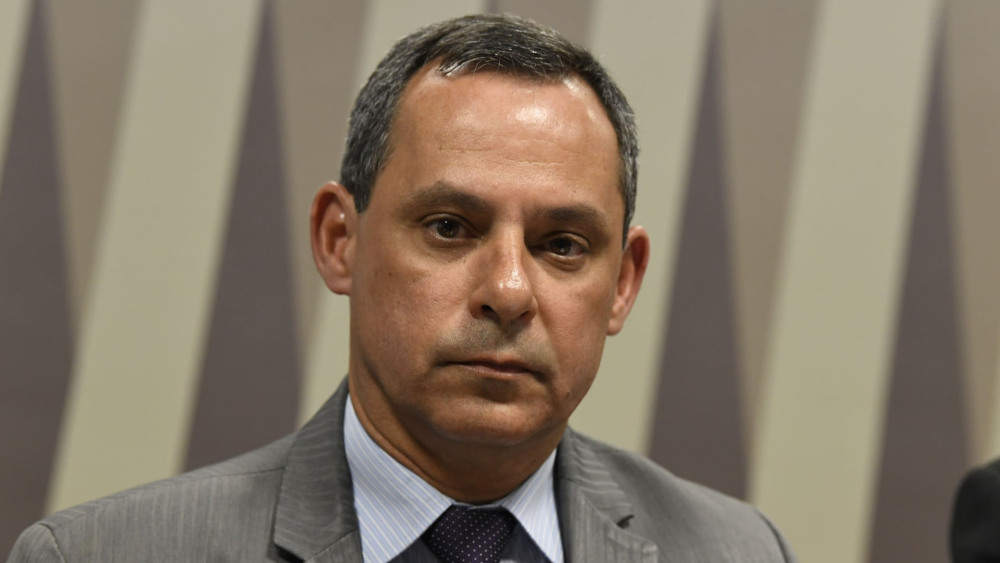
José Mauro Coelho, then Director of Oil and Gas at Brazil's Ministry of Mines and Energy, noted that data centers are as significant to the 21st century as refineries and infrastructure were to 20th-century powers, serving as strategic assets for geopolitical power. These facilities require a stable, uninterrupted 24/7 power supply, as any fluctuation could result in massive financial losses, loss of information control, or operational paralysis.
Currently, strategic nations worldwide have taken action: Singapore once froze new licenses to prevent digital expansion from outstripping power supply capacity; Ireland requires data center projects to demonstrate prior access to dedicated stable power; the United States and Europe have incorporated such facilities into reliability and capacity market policies, ensuring energy support through long-term contracts.
Brazil boasts a clean energy matrix, a renewable energy base, and resources such as natural gas and biomethane. However, Coelho emphasized that tax incentives and sustainability commitments hold limited value if cheap, clean, and stable round-the-clock power cannot be provided. Attempts to attract data center investments would be futile otherwise. The discussion window for the Redata bill offers an opportunity to calibrate relevant strategies, explicitly including stable power sources like natural gas, biomethane, and nuclear energy in the incentive options. This is not a deviation from the sustainable development agenda but a fundamental condition for strategy implementation.
Modern data centers have clear minimum operational requirements: achieving Tier III or IV certification with zero fault tolerance; being equipped with a stable power system anchored by reservoir hydroelectric plants, natural gas thermal power plants, biomethane, or small nuclear reactors; maintaining high power quality in voltage and frequency; and supporting facilities of several hundred megawatts per campus. Coelho believes Brazil can become a protagonist in the digital economy, but it must make correct and timely choices in energy policy.
José Mauro Coelho, former President of Petrobras and former Secretary of Oil, Gas, and Biofuels at Brazil's Ministry of Mines and Energy, is now a partner at the consulting firm Aurum Tank.
This article is compiled by Wedoany. All AI citations must indicate the source as "Wedoany". If there is any infringement or other issues, please notify us promptly, and we will modify or delete it accordingly. Email: news@wedoany.com