en.Wedoany.com Reported - The Paskenta Band of Nomlaki Indians is partnering with OATI to develop two microgrid projects for the tribal community in Northern California, aiming to introduce renewable energy to tribal lands, enhance energy independence, and control power supply. Tribal energy developer Woven Energy is also involved, integrating OATI's GridMind® solution. Amid fluctuating electricity prices, energy independence helps reduce over-reliance on utility power and lower costs. Representatives from OATI and Woven Energy answered some questions from CleanTechnica about the project.
The primary purpose of the microgrid is to provide power resilience for the Paskenta Reservation and significantly reduce energy costs. The system will power nearly all facilities within the reservation, including a casino, two hotel towers, a travel center, golf course facilities, an amphitheater, and water pumps and filtration systems. Excess electricity will be sold or shared with the grid, helping to alleviate local power demand around the reservation. The project includes two independently funded microgrids that merge into one large microgrid when operating in coordination. This announcement involves the second funded microgrid, partially financed by the Federal Emergency Management Agency's "Building Resilient Infrastructure and Communities Program," while also announcing OATI as the technology partner responsible for managing the system.
The project broke ground in 2024, and upon operation, OATI's GridMind® solution will be integrated into both microgrid sites, optimizing power generation, storage, and consumption for each system through automated, timely, and rule-based actions. OATI will also design and implement the solution to achieve integrated control during normal operation, allowing each microgrid to operate either collaboratively or independently.
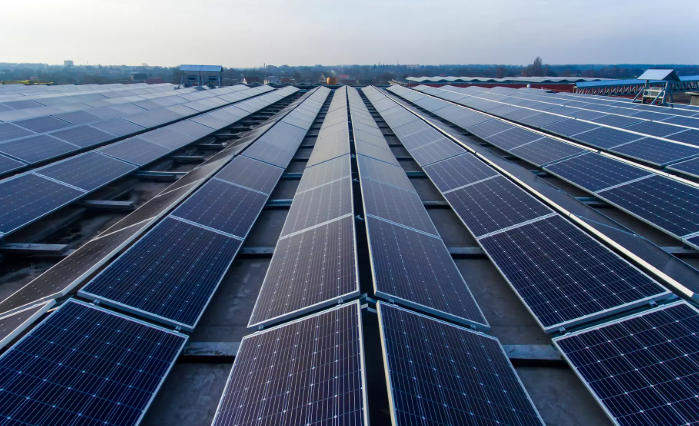
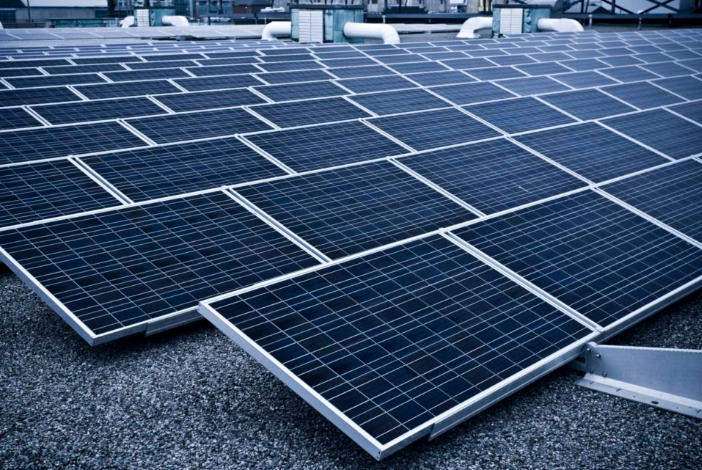
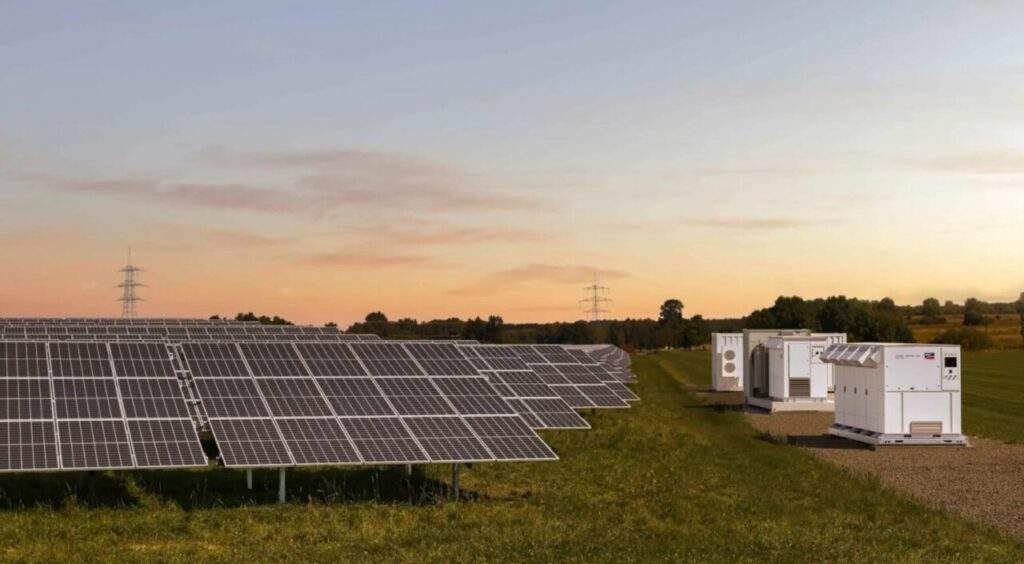
Basic project components include 4.5 MWac of solar photovoltaic, 3 MW/6 MWh of lithium-ion battery storage, 3 MW/15 MWh of long-duration flow battery storage, microgrid controls provided by OATI, and distribution upgrades to establish a primary metering interconnection point and wholesale-level metering. In terms of project costs, the California Energy Commission provides $32 million, the Federal Emergency Management Agency provides $12.5 million, and the Paskenta Tribe along with energy investment tax credits provide additional funding.
The solar photovoltaic array capacity is 4.5 MWac, with a total battery storage capacity of 21 MWh. The microgrid will power nearly all facilities within the Paskenta Reservation, with annual generation equivalent to the electricity consumption of approximately 800 typical households. The Paskenta Tribe will achieve significant cost savings through this project, with self-generated power roughly equal to the reservation's electricity usage.
This article is compiled by Wedoany. All AI citations must indicate the source as "Wedoany". If there is any infringement or other issues, please notify us promptly, and we will modify or delete it accordingly. Email: news@wedoany.com