Cadeler Completes Installation of 1.4 GW Offshore Wind Farm in the UK North Sea
en.Wedoany.com Reported - Offshore wind activity continues to accelerate in project delivery, grid infrastructure, and enabling technologies, with recent progress highlighting both short-term execution and long-term scalability challenges. From a 1.4 GW installation milestone in the UK North Sea to new grid connections, floating wind installation systems, and digital supply chain tools, the latest announcements reflect the industry's focus on reducing costs, improving installation efficiency, and expanding into new markets.
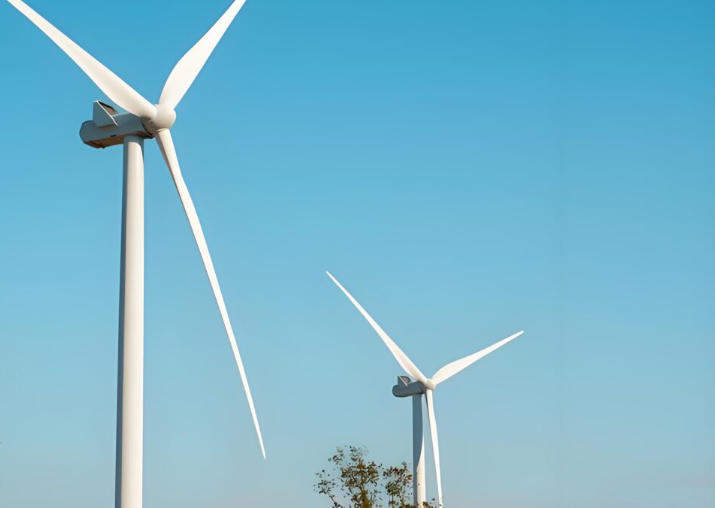
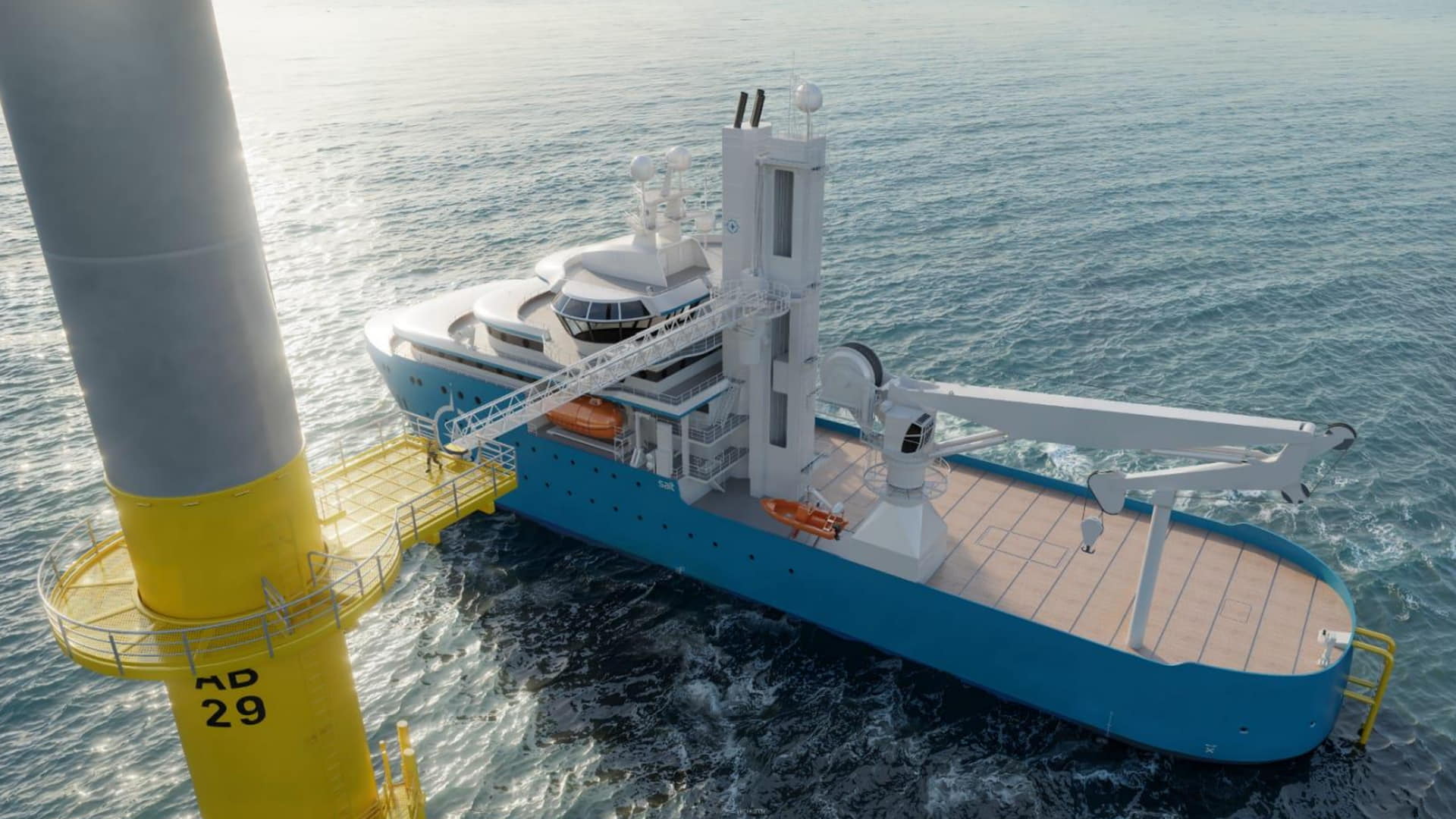
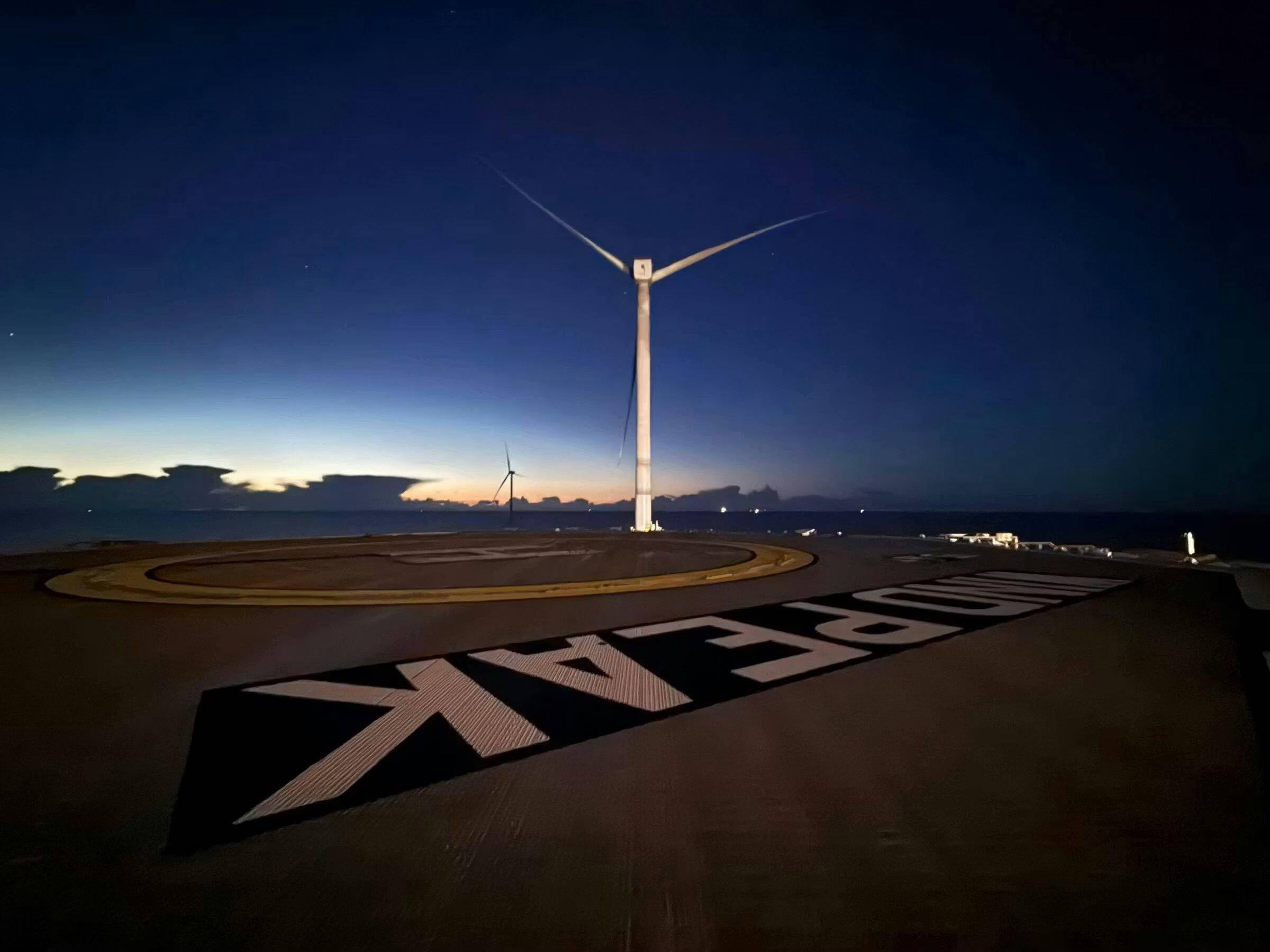
Cadeler has installed all 100 turbines for RWE at the 1.4 GW Sofia offshore wind farm in the southern UK North Sea. This is the first installation project for "Wind Peak," the first of Cadeler's two P-class vessels, since its delivery in August 2024. Cadeler's contract covers the transport and installation of all 100 Siemens Gamesa SG 14-222 turbines. "Wind Peak" was built to support the installation of the latest generation of offshore wind turbines, and Cadeler states the vessel boasts one of the industry's largest crane capacities, with a deck layout optimized for transporting large structures. The vessel commenced its installation mission from the port of Hull on England's east coast.
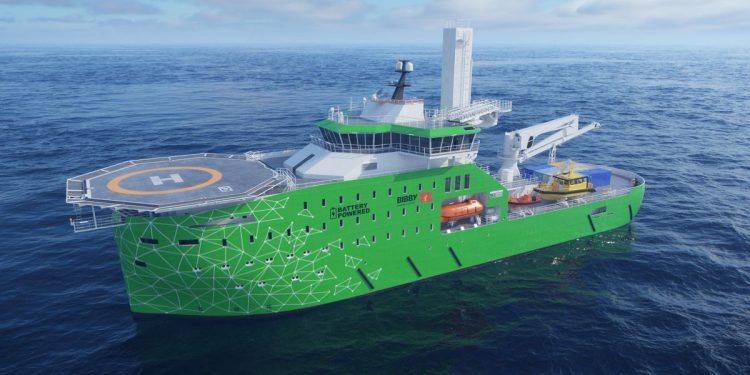
Tersan Shipyard has delivered the DP2 Construction Service Operation Vessel (CSOV) "Acta Gemini" for Acta Marine from its Yalova facility. The vessel is the third in a four-ship series designed to support offshore wind construction and maintenance, accommodating up to 88 people and equipped with an offshore access system, helideck, and two daughter craft for technician transfer. The vessel also features methanol dual-fuel engines and a methanol-ready design, reflecting a focus on low-carbon operations.
Siemens Energy and Neptun Smulders Offshore Renewables (NSORe) will jointly deliver a new grid connection system for an offshore wind farm in the North Sea for German transmission system operator 50Hertz. The North Sea Connector 2 will enable the transmission of up to 2 GW of offshore wind power to shore. NSORe will manufacture the project's offshore converter station platform, with the topside built at the Neptun Werft shipyard in Rostock-Warnemünde, Germany, and the jacket fabricated in the Netherlands. Siemens will equip it with an electrical transmission system manufactured at its German factories, including transformers and converters from Nuremberg, sulfur hexafluoride-free gas-insulated switchgear from Berlin, and will sign a long-term service contract covering maintenance, IT services, and standby support. The platform will be installed approximately 200 kilometers west of the island of Sylt in the North Sea.
Skyborn Renewables is advancing its 976.5 MW Gennaker offshore wind project in the German Baltic Sea through a large corporate power purchase agreement (PPA) and a new equity partnership. Amazon has signed a 600 MW long-term PPA to purchase electricity generated by the project, which is described as the largest single PPA in Germany and one of the largest in Europe. The agreement provides financial certainty for constructing the wind farm, which is expected to power over one million homes. Meanwhile, Munich municipal utility Stadtwerke München (SWM) has agreed to acquire a 25% stake in Gennaker, forming a strategic partnership with Skyborn. The transaction is subject to approval and is expected to reach financial close in the third quarter of 2026. Located approximately 15 kilometers north of the Fischland-Darß-Zingst peninsula, Gennaker will become the largest offshore wind farm in the German Baltic Sea, with a target of becoming operational by the end of 2028. Skyborn stated that the combination of a long-term PPA and strategic investment marks a key milestone in advancing the project, supporting Germany's energy transition and strengthening domestic renewable energy supply.
The Crown Estate is initiating a tender process for the Morgan offshore wind farm site in the Irish Sea, with plans to award a developer by the end of 2026. The site has a potential capacity of up to 1.5 GW and was originally awarded in the fourth offshore wind leasing round in 2021, but EnBW and JERA Nex bp decided not to proceed with the lease agreement, leading to the project's termination in January this year. The site retains its grid connection.
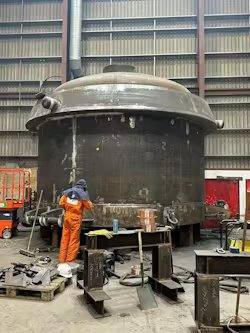
ABS has issued a Product Design Assessment (PDA) to the SQUID system designed by Encomara and manufactured by Aurora Energy Services. The system aims to improve the installation process for floating offshore wind turbines by integrating pre-installed mooring lines and electrical connections into a single subsea unit, eliminating the need for multiple vessels and continuous operations across unpredictable weather windows. Model studies indicate that SQUID can reduce installation time by half compared to traditional methods. ABS reviewed the system against class society and industry requirements for floating offshore wind applications. The PDA follows an Approval in Principle for SQUID seven months prior and represents the next step toward technology readiness assessment and commercial adoption.
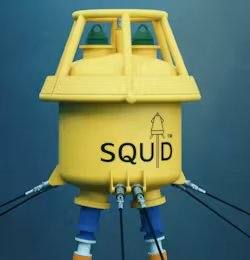
Various demonstrations will take place in July at the Aurora Energy Services (AES) site in Huntly, eastern Scotland, followed by nearshore wet testing and customer phased walkthroughs in Ardersier in August. The development of SQUID has been supported by Scottish Enterprise and the Offshore Wind Growth Partnership, and AES's Huntly facility is capable of manufacturing the system once technology is ready.
Bureau Veritas has issued an Approval in Principle (Level 2) to Apollo's PALM Quick Connection System (QCS) for floating offshore wind. This follows a 12-month Front-End Engineering Design (FEED) study of the system, funded by the Offshore Wind Growth Partnership and Scottish Wave Energy. The certification confirms that the PALM QCS has undergone independent review against recognized industry standards and can proceed to full technical certification and type approval. The system is designed to simplify the connection and disconnection of dynamic cables for floating turbines without the need for dedicated vessels or divers, and has to date successfully performed 50 connection and disconnection operations in an offshore environment. Advantages of the full-scale system include cable reconnection in just 5.5 hours, compared to conventional offshore operations that can last days; for a gigawatt-scale floating wind farm, this could save £120 million ($158.3 million) over its entire lifecycle. Apollo plans to conduct further subsea electrical trials in 2027 under the EU Horizon project and work with Bureau Veritas to advance the PALM QCS toward full type approval.
As the offshore wind industry scales up, logistics are becoming increasingly complex, with project sites far from existing industrial bases and manufacturing centers distributed globally. Spinergie has entered into a non-exclusive partnership with heavy marine transport and installation (T&I) provider Roll Group. According to Spinergie, geographic changes increase vessel demand and exacerbate supply chain coordination complexity. The latter has used Spinergie's offshore wind supply chain intelligence to identify new business opportunities. Spinergie's supply chain module integrates real-time vessel tracking and advanced data analytics, which Roll Group uses to monitor global fleet deployment, benchmark competitor performance, and track the flow of primary components. Interactive maps incorporating real-time weather and wave context support route efficiency assessments. Roll Group operates a fleet of semi-submersible and wide-deck vessels providing transport services for complex project cargoes worldwide.
Compute Maritime and its partners have launched what is claimed to be the world's first crew transfer vessel (CTV) designed using artificial intelligence for offshore wind operations, applying AI-driven design methods to vessel development aimed at improving performance and supporting the next generation of offshore wind support fleets.
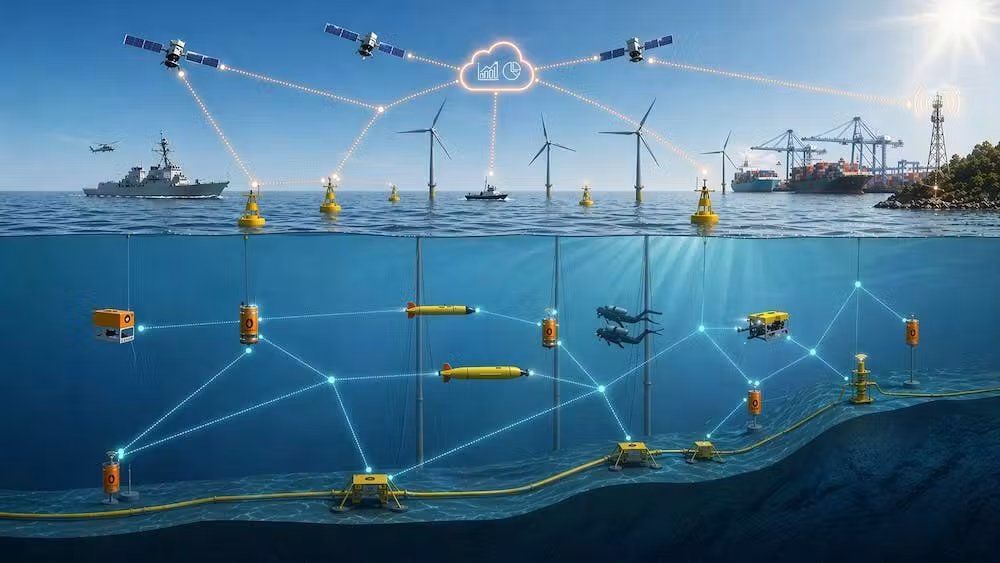
Subnero has established a subsea monitoring collaboration with UK unmanned surface vessel (USV) designer and operator HydroSurv. This will combine HydroSurv's battery-electric and battery-hybrid USVs with Subnero's acoustic intelligent modems and underwater networking software. Subsea landers equipped with industry-standard sensors and pressure sensors can communicate acoustically with Subnero modems on the USV, enabling data retrieval, remote configuration, status updates, and relay via satellite. This arrangement enables longer-term subsea monitoring of subsea assets, reducing reliance on conventional manned vessel mobilization and lander recovery cycles. Edge processing on Subnero's acoustic intelligent modems allows sensor data to be filtered, packaged, and prioritized before transmission, helping users receive mission-relevant information. Potential applications include monitoring offshore wind subsea infrastructure.
A new study jointly conducted by Stillstrom, Maersk, the Baltic Energy Island, and the Port of Rønne has found that operators of ferries, cargo ships, and service operation vessels could draw power from multiple offshore wind farms to reduce fuel dependence and costs, accelerating shipping electrification. The white paper, "Bornholm Energy Island: Powering Shipping Electrification," indicates that planned offshore wind farms and grid infrastructure around the Danish island of Bornholm could serve as a blueprint for achieving large-scale shipping electrification. Approximately 37,000 cargo ships passing Bornholm each year consume nearly 3 million tons of marine fuel, and the study shows that fully electrifying these ships would require around 17 TWh of electricity annually. The white paper also highlights the potential of "offshore power zones," allowing vessels to access electricity at sea for hotel loads or battery charging, which, combined with electrified ports, could help establish an electric shipping highway from the English Channel through the North Sea into the Baltic Sea.
At the Asia Pacific Wind Energy Summit in Hanoi, renewable energy consultancy OWC signed an agreement with Pioneer International Consulting (PIC) to jointly provide technical, regulatory, and commercial advisory services for wind and other renewable energy projects in Vietnam. PIC works with investors and developers to support energy development in Vietnam and the Greater Mekong region. The "Vietnam Offshore Wind Investment Guide," co-authored by both parties and developed by the Global Wind Energy Council, was released at the Asia Pacific wind energy event last week, providing a roadmap including regulatory, commercial, and financing considerations for developing offshore wind projects in Vietnam.
This article is compiled by Wedoany. All AI citations must indicate the source as "Wedoany". If there is any infringement or other issues, please notify us promptly, and we will modify or delete it accordingly. Email: news@wedoany.com
Related Products

IGBT Hydrogen Production Power Supply - High Power Air Cooling
Beijing Zhengzhuo Engineering Technology Co., Ltd.
Photovoltaic and Wind Power Generation Technology
Beijing Boqi Electric Power SCI-TECH Co., Ltd.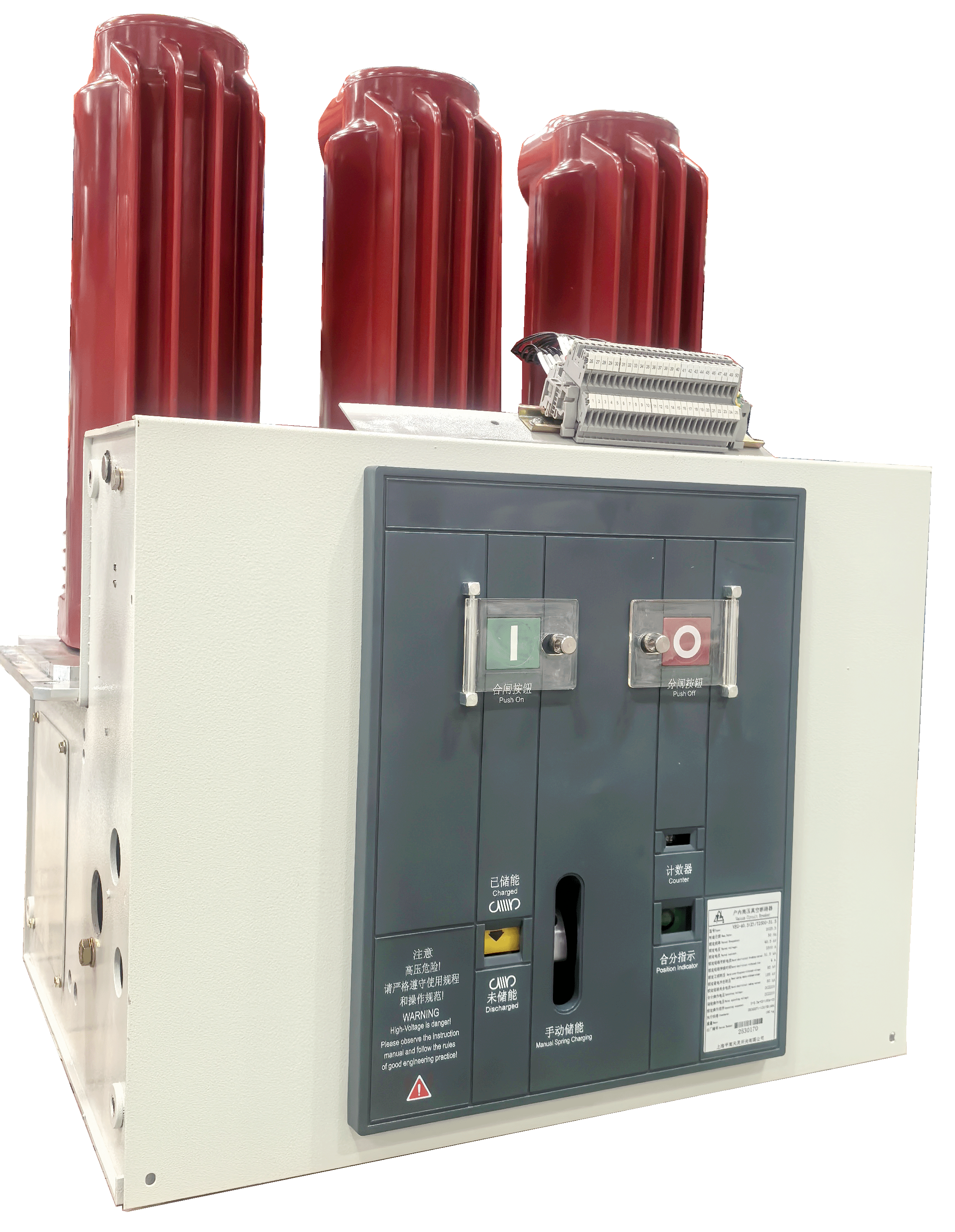
VEG-12/24/40.5 Series Vacuum Circuit Breaker
SHANGHAI PINGGAO TIANLING SWITCHGEAR CO., LTD.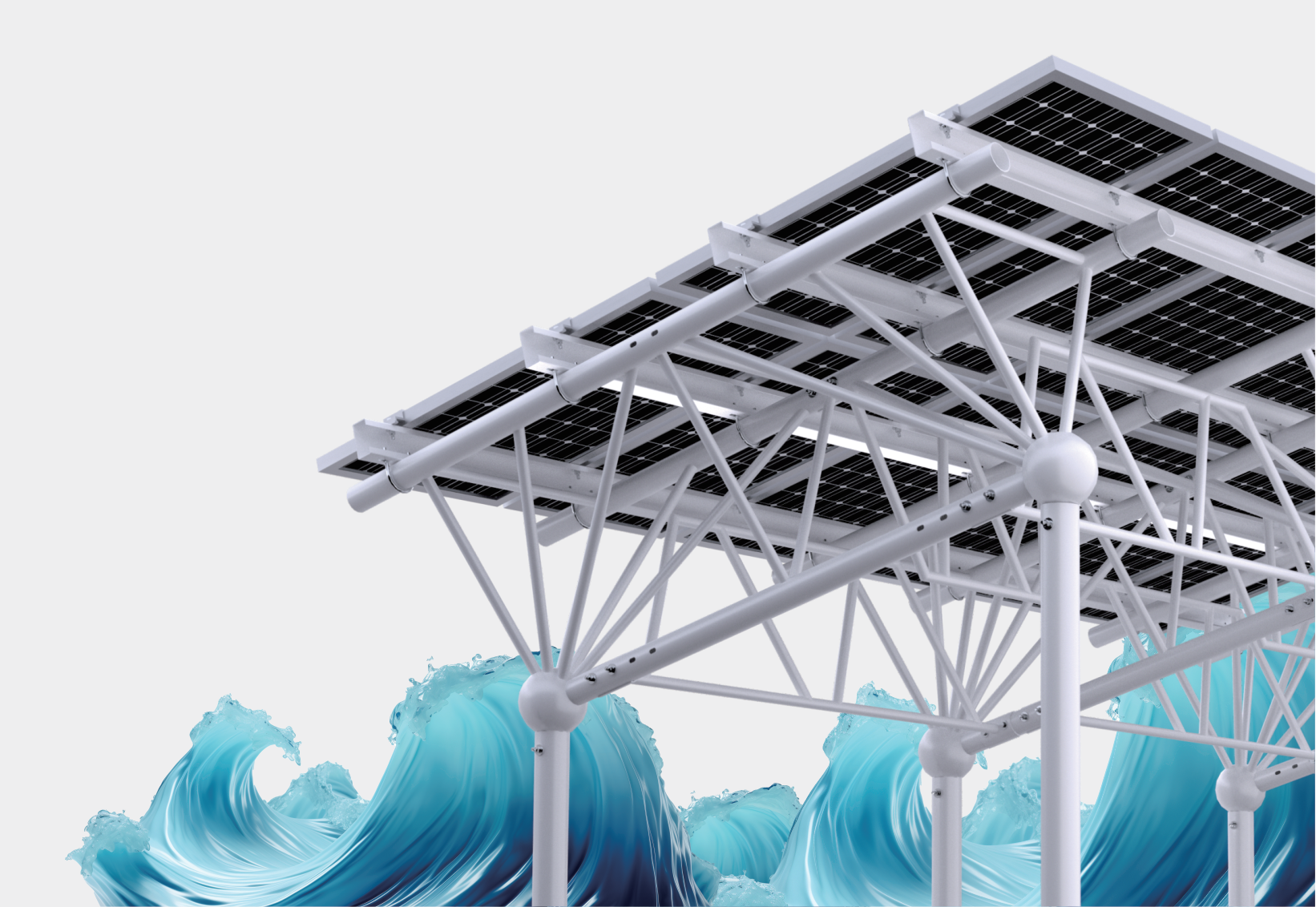
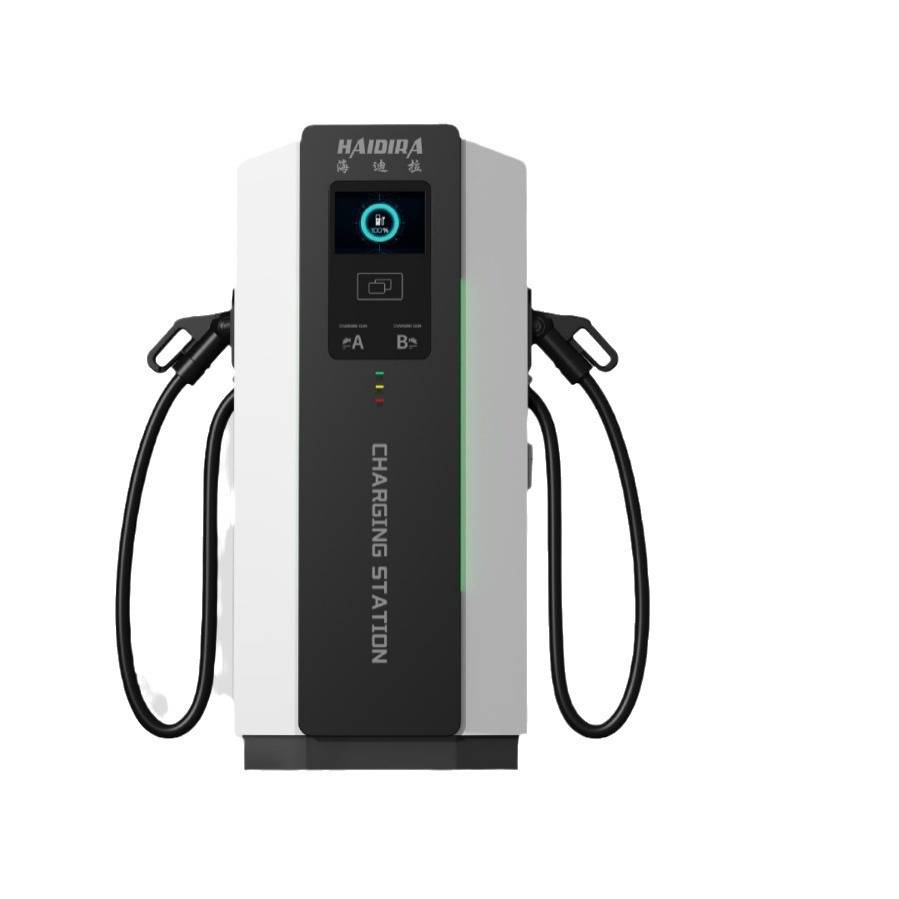
Manufacturer Direct Sales Tesla New Energy Electric Vehicle Universal DC 180kW Dual-gun Charging Pile Commercial Fast Charger
Anhui Haidira Electric Technology Co., Ltd.
Smart Photovoltaic Prefabricated Substation
Shanghai Jinyou Jinhong Intelligent Electric Co., Ltd.