China's Alibaba Cloud QoderWork Launches "Peak-Valley Tokens", Qwen3.7-Max at 80% Off During Night Hours
en.Wedoany.com Reported - On June 24, Alibaba Cloud's QoderWork introduced a "Peak-Valley Token" mechanism, where users running related tasks between 22:00 and 08:00 the next day (Beijing Time) automatically enjoy nighttime off-peak discounts. Among them, the Qwen3.7-Max model is offered at up to 80% off during off-peak hours, and the Qwen3.7-Plus model is also included in the discount range.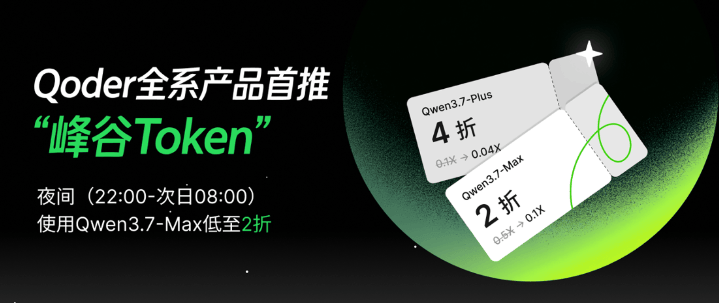
This nighttime discount covers products such as QoderWork, QoderDesktop, and CLI, and extends to desktop clients, plugins, command-line tools, cloud-based Agents, and mobile/web applications within the official Qoder ecosystem. According to the official Qoder documentation, this offer automatically applies to users of Pro Trial, Pro, Pro+, Ultra, and Teams plans, without requiring additional registration, redemption codes, or manual activation. The off-peak window is from 14:00 to 24:00 UTC daily, corresponding to 22:00 to 08:00 the next day Beijing Time.
The core logic of "Peak-Valley Tokens" is to guide long-running AI Agent tasks to be executed during nighttime periods of low computing demand. Users can schedule tasks during the day or submit long-running task instructions before bed, allowing the Agent to autonomously execute the complete process at night and review the results in the morning. Relevant information indicates that nighttime credit consumption is approximately 20% to 40% of daytime consumption, making it suitable for code generation, data organization, document processing, office automation, and multi-step agent tasks.
For developers and knowledge workers, long-running Agent tasks often consume a large number of tokens. Especially on models like Qwen3.7-Max, designed for complex reasoning, code development, and office automation, multi-round tool calls, file reading and writing, web searches, task planning, and result generation all amplify token costs. Peak-valley pricing introduces a time factor into AI usage costs, allowing users to defer tasks that are not immediately urgent to nighttime execution, thereby reducing overall usage expenses.
This mechanism also reflects the evolution of AI application billing towards greater granularity. In the past, large model pricing was mainly based on input and output tokens, with users rarely considering the time of task execution. As Agent products enter the phase of long-running processes, the temporal distribution of computing resource usage has become important. Similar to peak-valley electricity pricing in power systems, AI platforms can improve nighttime computing resource utilization through off-peak discounts and pass some of the cost advantages back to users.
QoderWork itself is positioned as a desktop agent tool, emphasizing that after users describe tasks in natural language, the system handles planning, execution, and delivery. Compared to ordinary chat tools, Agent-type products are better suited for handling complex tasks that span files, web pages, and tools, and individual tasks typically take longer to complete. The Peak-Valley Token mechanism aligns well with this type of product, as many long-running tasks do not require immediate results, only deliverable outcomes by the next day.
From the perspective of Alibaba Cloud and the Qianwen ecosystem, the Qwen3.7 series models are being integrated into more specific Agent workflows. Qwen3.7-Max targets high-complexity tasks, while Qwen3.7-Plus balances cost and general capabilities. By entering products like QoderWork through peak-valley discounts, they lower the barrier for users to try long-running Agent tasks. For both enterprise and individual users, this mechanism is more about turning "AI nighttime batch processing" into a new usage habit.
It is worth noting that the official documentation also clarifies that the peak-valley discount reduces the Credits multiplier, not granting additional credits. Outside of off-peak hours, or when using other models, standard rates apply. Model quality remains unchanged by the off-peak discount, but the end date of the offer has not yet been announced, and Qoder reserves the right to adjust or terminate the offer terms.
The launch of this "Peak-Valley Token" integrates the usage cost of AI Agents, computing resource scheduling, and task execution rhythm into a single product mechanism. Users propose requirements during the day, hand them over to the Agent for execution at night, and review the results the next day, transforming long-running AI tasks from instant conversations into schedulable, asynchronous production workflows.
This article is compiled by Wedoany. All AI citations must indicate the source as "Wedoany". If there is any infringement or other issues, please notify us promptly, and we will modify or delete it accordingly. Email: news@wedoany.com
Related Products
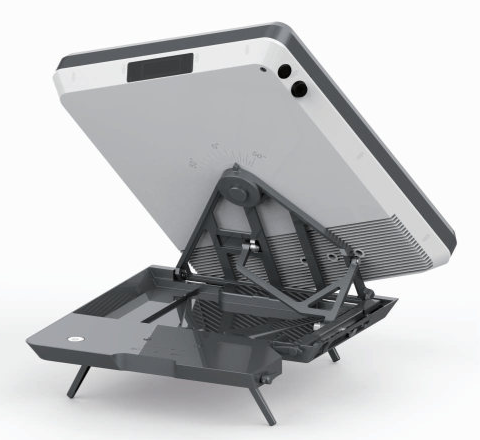

Flat Portable Satellite Terminal 0.35m Aperture Manual Portable Terminal
China Starwin Science & Technology Co., Ltd.
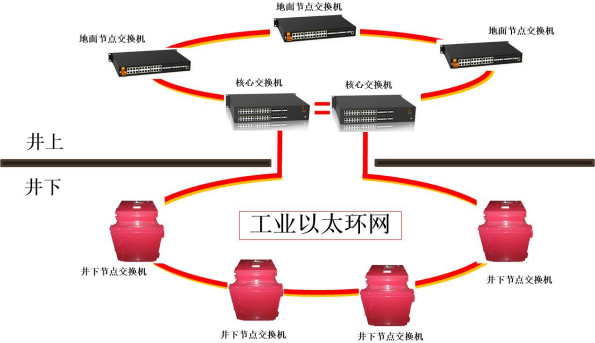
Mine Explosion-proof and Intrinsically Safe Industrial Ethernet Ring Network (10 Gigabit/Gigabit)
Chongqing Mas Sci&Tech Co., Ltd.
20 Inch 1600*900 Full HD 60Hz TFT LED Monitor with VGA and DP Interfaces for Desktop Computers-Business Use
Guangzhou Zanying Optoelectronics Technology Co., Ltd.
G.652.D Wavelength-extended Non-dispersion Shifted Single-mode Optical Fiber
HONGAN GROUP CO., LTD.
MUX Series Communication Interface Device for Security and Stability Control System
Nanjing NR Electric Co., Ltd.
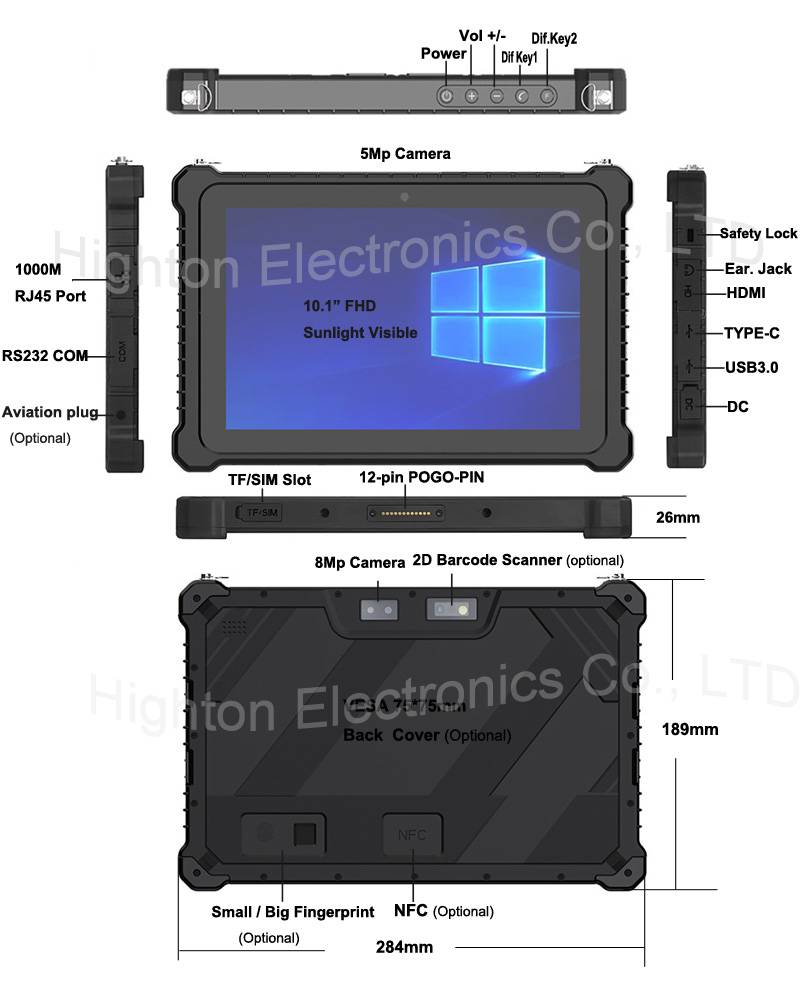
Hot Selling 10 Inch Intel N5100 I5 I7 FHD 8 +128GB 16+256GB Win10 Pro Win11 Pro 4G 5G Rugged Tablet PC Pad with NFC Barcode
Highton Electronics Co., Ltd.
Automatic Aiming Laser Remote Obstacle Removal Robot
Pinggao Group Weihai High-Voltage Apparatus Co., Ltd.