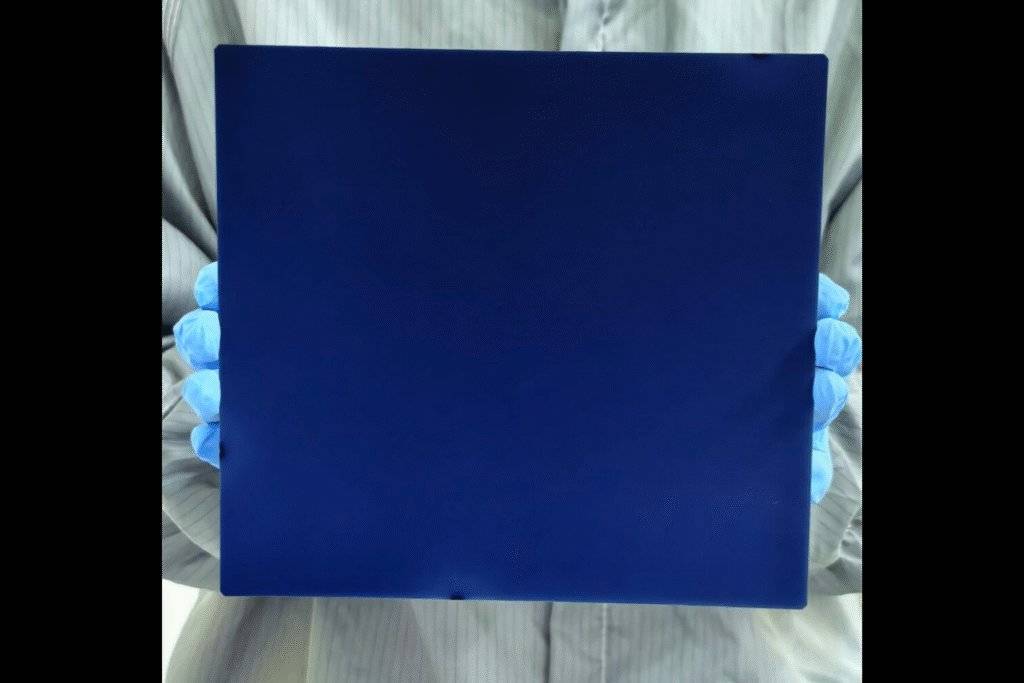
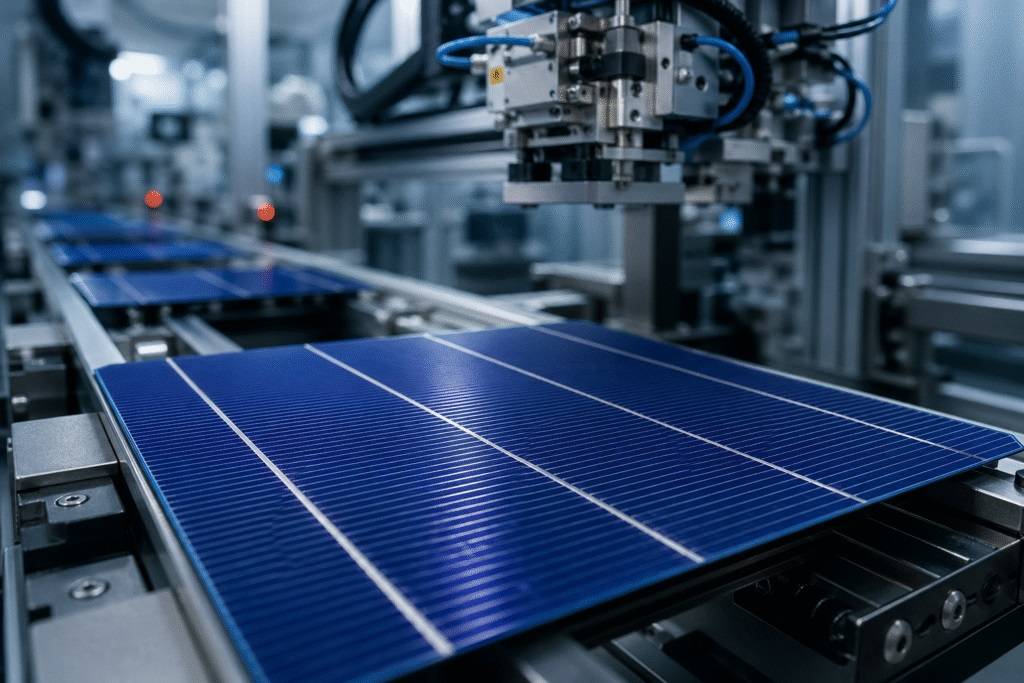
Lithuania's KTU Material Helps Taiwan Team Achieve 37% Indoor Perovskite Solar Cell Efficiency
en.Wedoany.com Reported - Researchers at Kaunas University of Technology (KTU) in Lithuania have synthesized a novel organic semiconductor material, enabling perovskite solar cells to achieve a photoelectric conversion efficiency of 37.0% under indoor light conditions, surpassing the performance of traditional rooftop solar panels under standard test conditions.
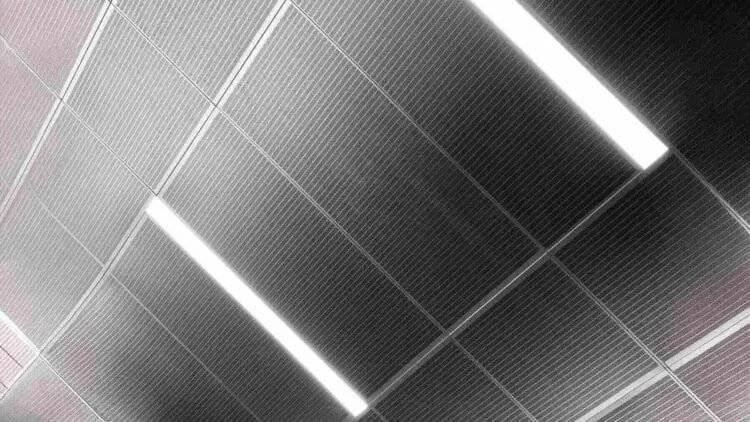
The study aims to harness overlooked light energy in the environment, such as light from office desk lamps, phone screens, and windows. This light is typically absorbed by walls, furniture, and floors without generating any electricity. Cells made from this material could power billions of IoT sensors and small electronic devices, reducing reliance on batteries that require frequent replacement.
A key advancement came from Dr. Asta Dabulienė, a senior researcher at the KTU Materials Chemistry Group, who synthesized a new series of thiazolo[5,4-d]thiazole derivatives. These organic semiconductors are designed to serve as the hole transport layer within perovskite solar cells, responsible for selectively moving positive charge carriers while blocking electrons, thereby reducing recombination losses and improving cell efficiency.
Dr. Dabulienė explained that an ideal hole transport semiconductor should possess high hole mobility and good energy level alignment with adjacent layers. One compound, incorporating a triphenylamine donor fragment, exhibited the structural properties required for optimal performance under indoor light conditions.
Researchers at Ming Chi University of Technology in Taiwan used the semiconductor developed by KTU to fabricate perovskite solar cells optimized for indoor use. Under 3000 K LED illumination at 1000 lux (equivalent to the brightness of a well-lit office), the cells achieved a power conversion efficiency of 37.0%. For comparison, typical commercial silicon solar panels have an efficiency of about 20% to 22% under standard outdoor test conditions. It should be noted that indoor and outdoor cells operate under different light intensities, so efficiency values are not directly interchangeable.
This achievement resulted from collaboration among three research teams across three continents. KTU in Lithuania was responsible for synthesizing and characterizing the organic semiconductor, King Abdullah University of Science and Technology in Saudi Arabia handled theoretical modeling of the new compounds, and Ming Chi University of Technology in Taiwan built and tested the cells. Professor Gražulevičius of the KTU Materials Chemistry Group noted that international collaboration expands the achievements possible for any single team. His team embodies this philosophy—with members from Lithuania, Ukraine, India, Pakistan, Armenia, Egypt, and Nigeria, securing four Horizon Europe projects in 2024 alone. Gražulevičius believes that despite challenges such as communication gaps, different work cultures, and organizational complexities in cross-cultural collaboration, the diverse ideas arising from different backgrounds effectively drive innovation.
The researchers noted that perovskite indoor photovoltaic cells could be directly embedded in mobile phones, smart home sensors, and small electronic devices, enabling them to harvest ambient light rather than consuming battery power. Through the IoT framework, the harvested electrical energy can regulate device operation in real time, optimizing energy consumption. The research team considers high performance, low cost, and versatility as criteria that any commercially viable indoor photovoltaic solution must meet. The next step is to scale up the material to bring it closer to manufacturable devices.
This article is compiled by Wedoany. All AI citations must indicate the source as "Wedoany". If there is any infringement or other issues, please notify us promptly, and we will modify or delete it accordingly. Email: news@wedoany.com
Related Products


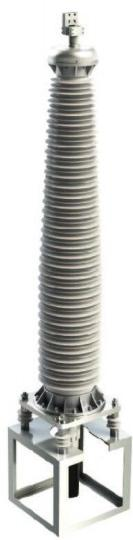
220kV Composite Outdoor Cable Terminal
Shenyang Guolian Cable Accessories Manufacture Co., Ltd.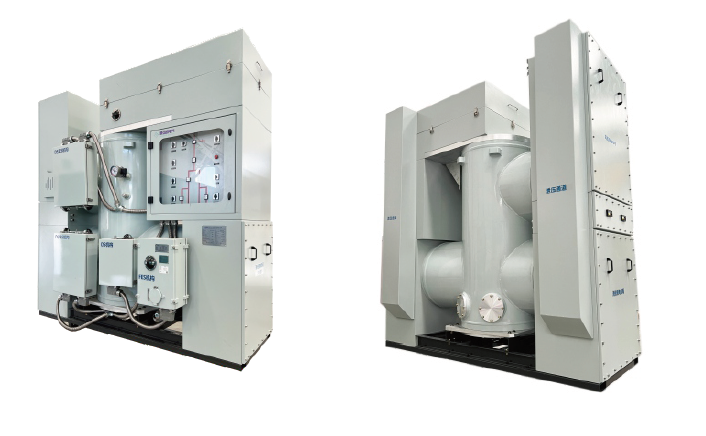
72.5kV 1250A 31.5kA SF6 free Gas-insulated Metal-enclosed Switchgear
Zhejiang Juhonkia Intelligent Electric Co., Ltd.
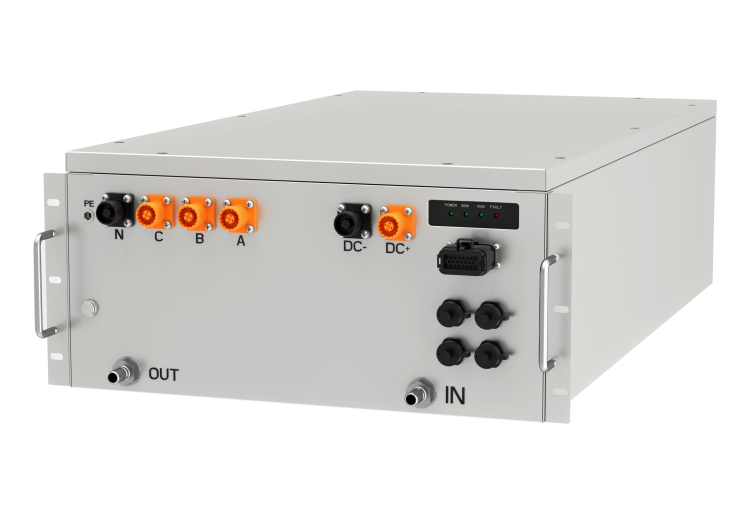
Mars (Liquid Cooling) Series Industrial and Commercial Energy Storage Converter High Protection Module
Shenzhen Winline Technology Co., Ltd.