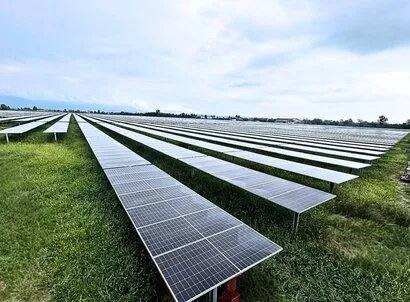
UNSW and DAS Solar propose cutting guidelines, reducing efficiency loss by 50%
en.Wedoany.com Reported - A joint team from the University of New South Wales (UNSW) and photovoltaic manufacturer DAS Solar has investigated the impact of laser cutting on the performance of back-contact TOPCon (TBC) silicon solar cells, identified the main mechanisms of cutting losses, and proposed practical design guidelines to suppress efficiency degradation by optimizing the cutting position. The findings were published in the journal Solar Energy under the title "Simulating cuts in the gap region to suppress edge recombination losses in tunnel oxide passivated back-contact solar cells."
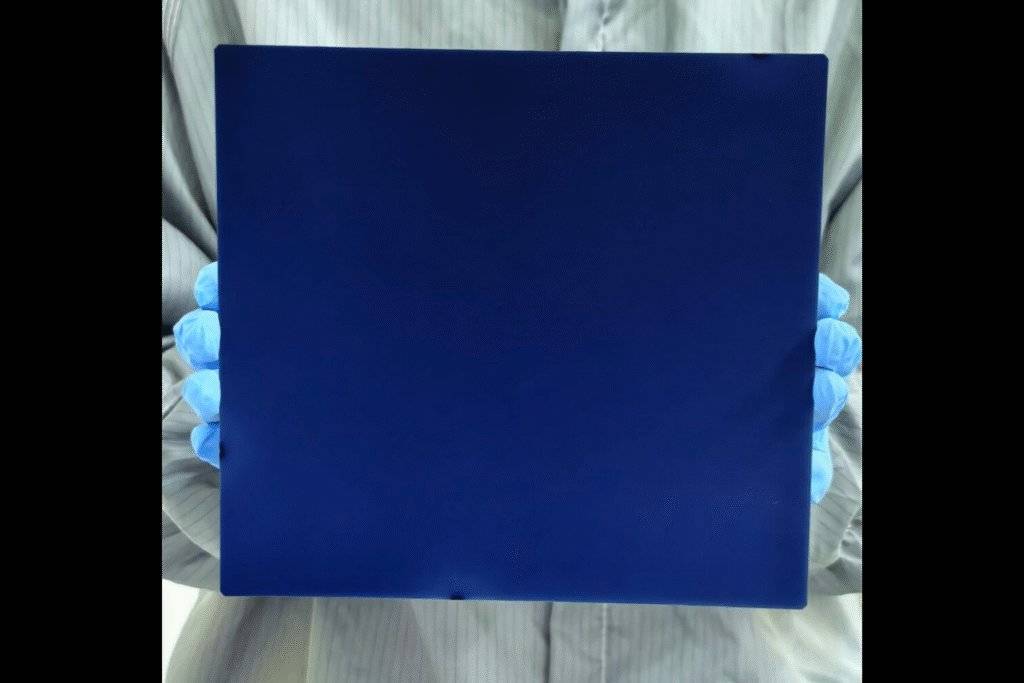
Cutting full-size cells into half-cells, third-cells, or quarter-cells reduces resistive losses that scale with the square of cell length, a process already standard in crystalline silicon module manufacturing. However, laser scribing exposes unpassivated bare edges, creating dangling bonds and defects that significantly increase carrier recombination rates. The team used the numerical solar cell simulation software Quokka3 to evaluate half-cell, third-cell, and quarter-cell configurations, incorporating actual deviations of the laser cutting position within the designed gap region into the analysis. This software models the electrical behavior of photovoltaic devices, covering carrier generation and recombination, current transport, and distributed resistive losses.
Professor Martin Green of UNSW told pv magazine that the efficiency loss caused by cutting-induced edge recombination increases linearly with the ratio of cut edge length to effective cell area; cutting in the gap between n-type and p-type contacts can reduce efficiency loss by approximately 50% compared to cutting in the p-type contact region. Among the several cutting positions evaluated, cutting in the gap region yielded the lowest efficiency loss, because the cut edge is spatially separated from the heavily doped emitter and back surface field (BSF) regions, limiting the interaction between the newly exposed unpassivated silicon surface and the carrier-selective junctions, thereby reducing edge-induced recombination. In contrast, cutting in the emitter region caused the most pronounced efficiency degradation, as the laser-cut edge directly exposes the emitter space-charge region, and this exposed junction is highly prone to recombination, causing photogenerated electrons and holes to recombine at the cut edge and reducing the number of collectable effective carriers.
The simulation results also showed that under low-irradiance conditions, efficiency losses in cut cells are greater due to increased resistive losses and diffusive hole transport recombination. When light intensity decreases, photogenerated carriers are more likely to diffuse laterally to the recombination-active cut edge before collection, while the reduced carrier concentration amplifies the relative impact of resistive losses, raising the effective series resistance associated with lateral hole transport. Consequently, cutting-induced efficiency losses become significantly more severe under low-light operating conditions. The study also identified an optimal post-cut gap width of approximately 0.3 mm to minimize total efficiency loss. Green stated that this research establishes practical design guidelines for industrial TBC cut-cell manufacturing, and that optimized gap-region cutting can substantially mitigate cutting-induced recombination losses without requiring additional edge passivation treatments.
This research was supported by DAS Solar and the Australian Renewable Energy Agency (ARENA). DAS Solar is reportedly the first company to bring gigawatt-scale TOPCon manufacturing into production. UNSW and DAS Solar previously collaborated to fabricate TBC cells with a power conversion efficiency of 27%, based on a zero-busbar (ZBB) design that requires significantly reduced silver (Ag) content for metallization.


Related Products

YE3 Series Low Voltage High Power Three-Phase Asynchronous Motor
Shandong Lijiu Electrical Machinery Co., Ltd.
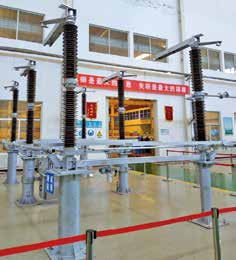
GW4-40.5/72.5/126/145/170/252/363/420 Series Double-column Horizontal Rotary High-voltage AC Disconnect Switch
SHANDONG TAIKAI DISCONNECTORS CO., LTD.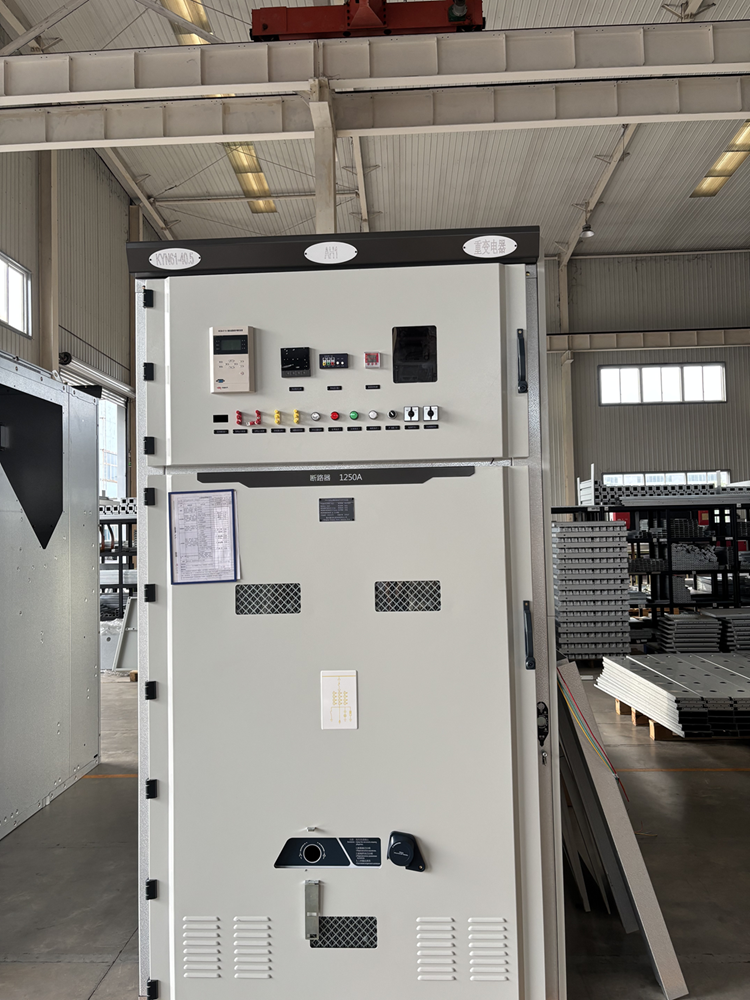
KYN61-40.5 Indoor AC Metal-clad Removable Switchgear
Chongqing Transformer Co., Ltd.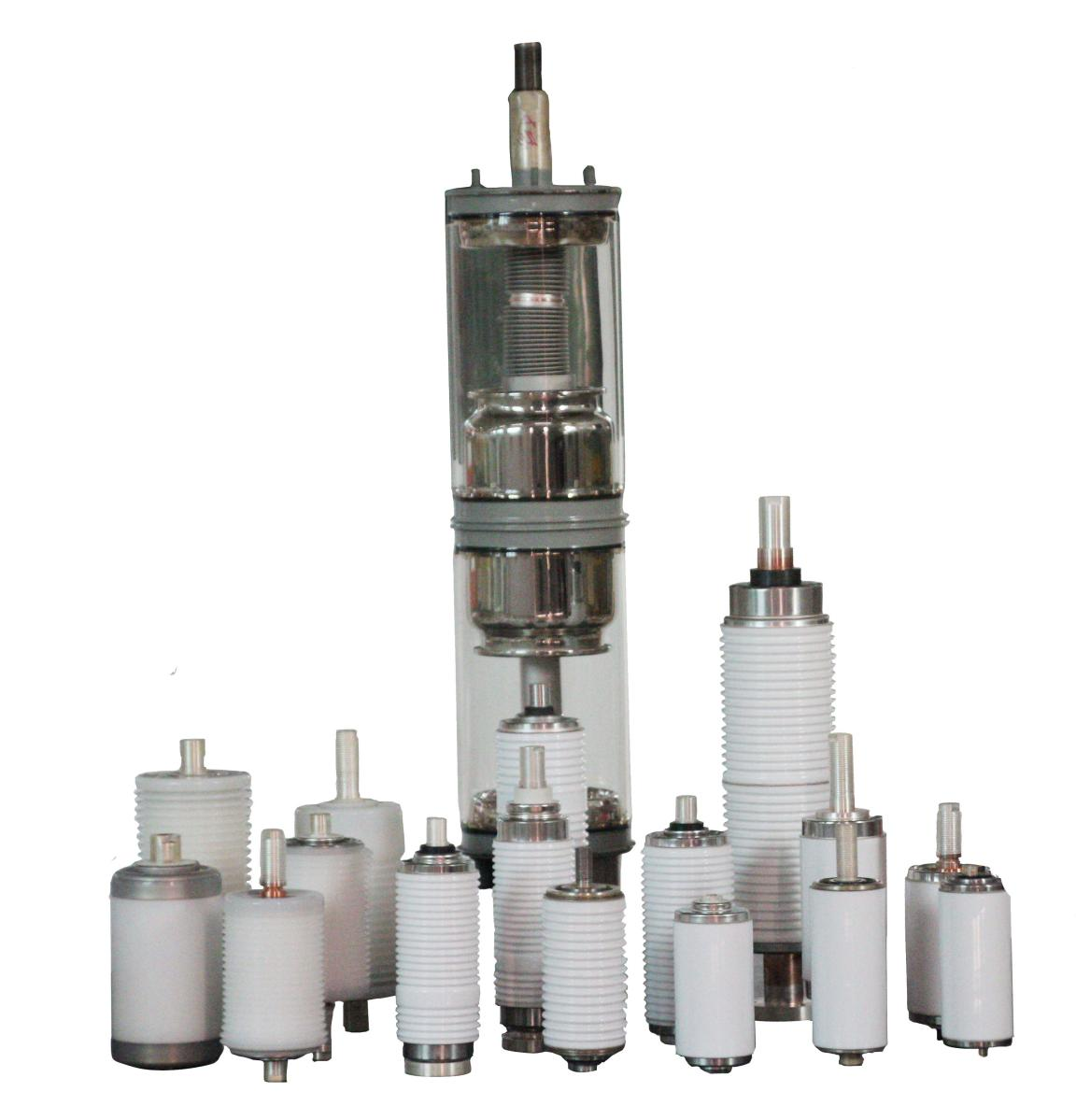

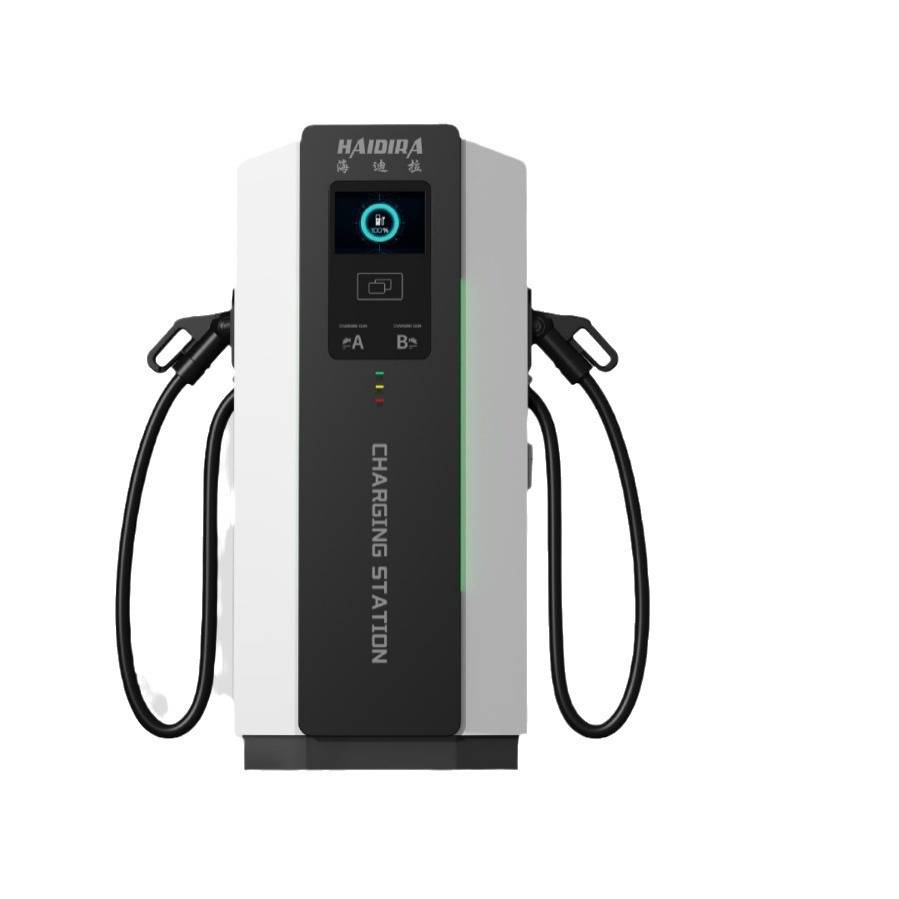
Manufacturer Direct Sales Tesla New Energy Electric Vehicle Universal DC 180kW Dual-gun Charging Pile Commercial Fast Charger
Anhui Haidira Electric Technology Co., Ltd.