IEA PVPS Releases Most Comprehensive Update to Photovoltaic Life Cycle Assessment Data in Over a Decade
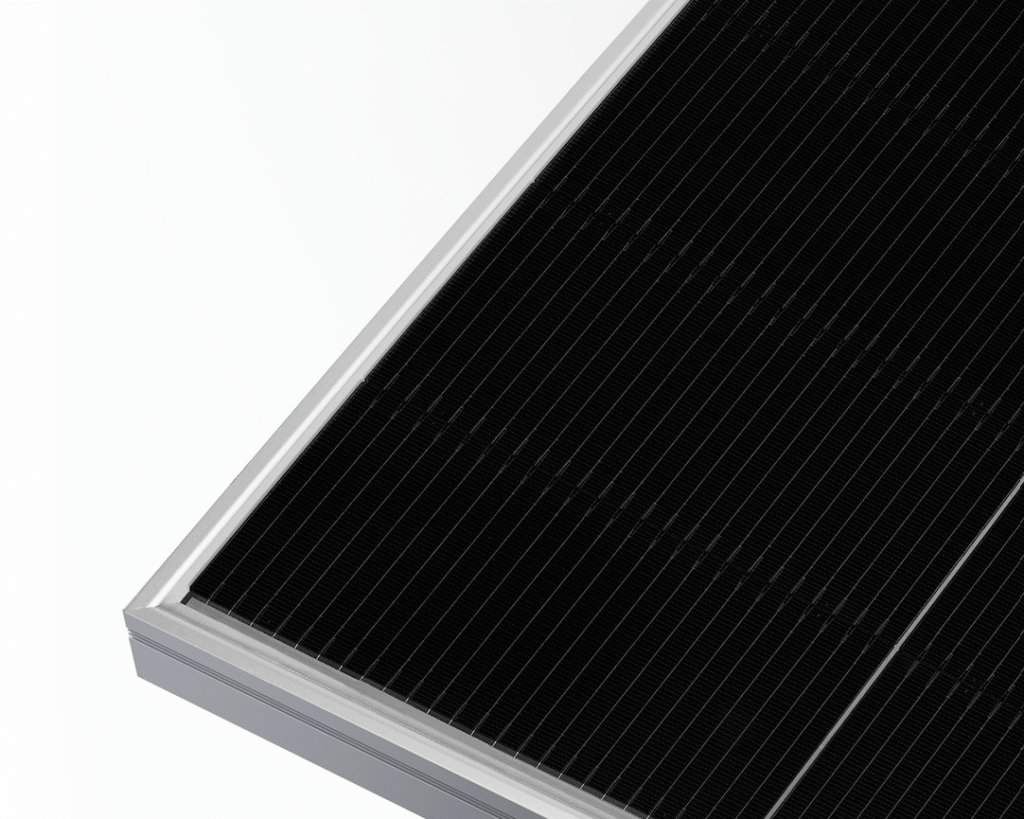
en.Wedoany.com Reported - Dimension Network News: The International Energy Agency Photovoltaic Power Systems Programme (IEA PVPS) Task 12 recently released the Life Cycle Inventory for Photovoltaic Systems (2026 Edition), delivering the most comprehensive update in over a decade to the foundational data for global photovoltaic life cycle assessment (LCA). The new inventory covers TOPCon and PERC crystalline silicon cells, CdTe thin-film modules, string inverters, mounting systems, and three reference systems: residential, commercial, and large-scale ground-mounted power plants. The data is freely accessible via the IEA PVPS website and the Zurich University of Applied Sciences (ZHAW) repository, and is fully compatible with the Swiss Federal 2025 open-source LCA database (BAFU:2025).

The core data for this update comes from 83 plant-level life cycle assessment datasets collected through photovoltaic tender procedures conducted by the French Agency for Ecological Transition (ADEME) between 2022 and 2025. Data quality control was managed by the École des Mines de Paris, while expert review, analysis, and anonymization were carried out by the French Alternative Energies and Atomic Energy Commission (CEA) at its Institute for Solar Energy (INES) and CERTISOLIS. The 83 plants cover the full value chain from polysilicon purification to module assembly, representing approximately 29% of global polysilicon capacity, 16% of wafer capacity, 7% of cell capacity, and 9% of module capacity. Of these, 82 plants are located in China, reflecting the actual geographic distribution of global crystalline silicon manufacturing in 2024—when China accounted for approximately 93% of global polysilicon production, 96% of wafer production, 90.3% of cell production, and 86.1% of crystalline silicon module production. CdTe module data was provided directly by First Solar, which accounts for over 90% of global CdTe module production.
The report notes that the crystalline silicon dataset "may be slightly biased toward lower-carbon supply chains"—the 83 plants are mostly export-oriented Chinese facilities that may employ more advanced processes and material utilization efficiencies than the global average. The data therefore better represents export-oriented production rather than the Chinese domestic market or global production averages. The report also emphasizes that the inventory uniformly uses national average electricity grid mixes, rather than the self-owned clean energy mixes reported by individual plants, which significantly limits any residual bias. The data is suitable for use as a generic baseline inventory, screening inventory, and harmonization benchmark; for comparative LCAs involving specific manufacturers or procurement decisions, primary data from manufacturers should be prioritized.
This update introduces, for the first time, simulated life cycle inventory data developed by Fraunhofer ISE, representing an optimized monocrystalline silicon virtual factory with an annual capacity of 5 GWp, covering PERC and TOPCon cell technologies as well as circular production strategy scenarios. Compared with the 1999–2006 industrial datasets that underpinned previous LCAs, this virtual factory shows reductions of 11.7% to 94.3% across 14 of the 15 environmental impact categories assessed under the EU Environmental Footprint (EF) methodology. The simulated inventory aligns closely with measured inventory data in overall environmental scoring.
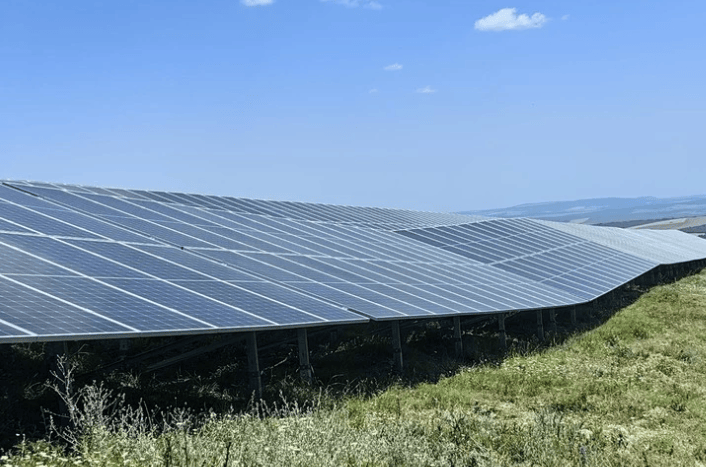
In terms of technology pathways, the transition from PERC to TOPCon is central to this update. The report assumes a p-type PERC module efficiency of 21.7% and an n-type TOPCon module efficiency of 23.2%, reflecting 2024 commercial averages. Polysilicon technology has been removed from the update, while CIGS and perovskite-silicon tandem data have not yet been updated; the latter is listed as a priority item to be incorporated once commercial-scale production data becomes available, with market entry expected in 2027. Reference system configurations have been adjusted accordingly: the original 3 kWp residential system has been replaced with a 10 kWp system, reflecting the upward trend in actual installed system sizes across major markets. The report now covers three reference architectures: a 10 kWp rooftop residential system, a 250 kWp rooftop commercial system, and a 10 MW ground-mounted utility-scale system.
The report's outlook section identifies priorities for the next update cycle: continuous updates to crystalline silicon manufacturing data rank as the highest priority; emerging commercial technologies such as perovskite-silicon tandem rank second; and balance of system (BOS) data ranks third, with a focus on design trends in utility-scale ground-mounted plants, including single-axis trackers, larger-format modules, and higher DC-to-AC ratios.
Related Products

80kW Megawatt Supercharging Module TH80F10030C9
Shijiazhuang Tonhe Electronics Technologies Co., Ltd.
TYC Series High-Efficiency Permanent Magnet Synchronous Motor
Xiangdian Smart Energy Technology Co., Ltd.
SFC-60 Individual Portable Power Supply, High Specific Energy Methanol Portable Power Supply
Automation Research Institute Co., Ltd. of China South Industries Group Corporation

IS(B)□-M·RL Series Oil-immersed 3D Transformer (Planar / 3D Wound Core)
Guangdong Kehua Electric Power Technology Co., Ltd.
Bidirectional Metal Hard Sealed Seawater Butterfly Valve
Henan Quanshun Flow Control Science & Technology Co., Ltd.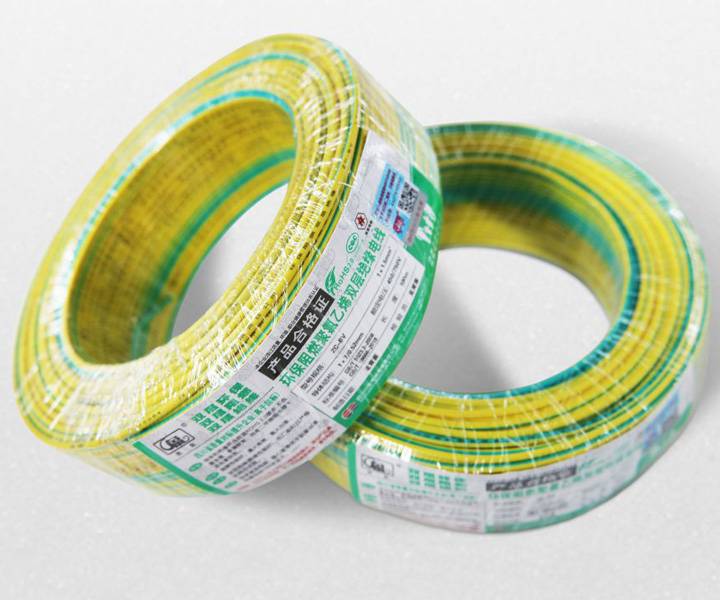
Environmentally Friendly Flame-retardant PVC Double-layer Insulated Wire
Sichuan Chndo Cable Co., Ltd.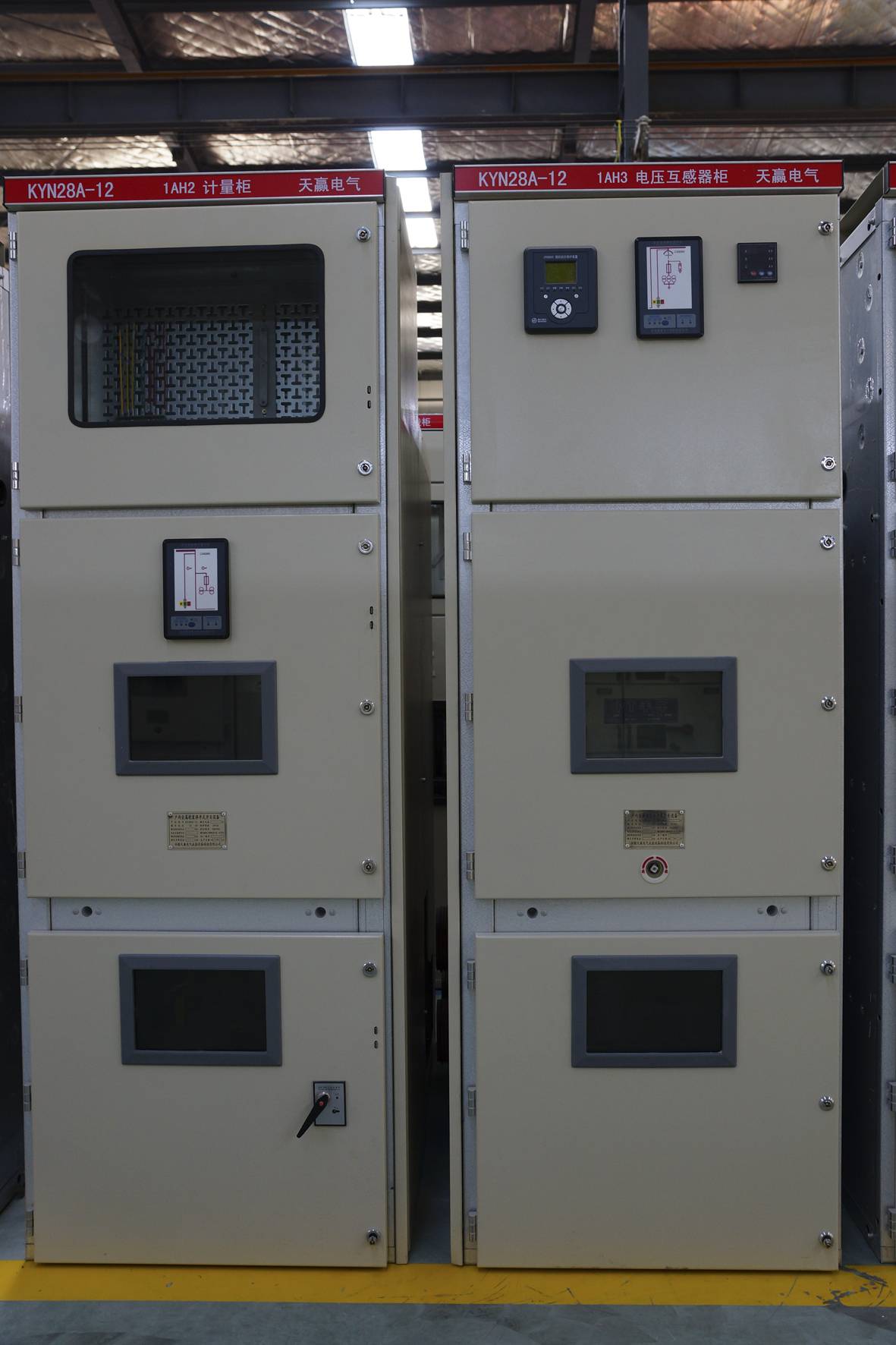
KYN28 - High Voltage Switchgear
Anhui Tianying Electrical Equipment Manufacturing Co., Ltd.