UK Space Energy Initiative claims its approach could achieve levelized cost of electricity of £10-30 per MWh
en.Wedoany.com Reported - The UK's Space Energy Initiative recently published a white paper defining space-based solar power (SBSP) as a continuous, dispatchable source of electricity, arguing that it can circumvent the intermittency and energy storage bottlenecks faced by terrestrial renewable energy. The concept envisions deploying solar panel arrays in geostationary orbit, collecting near-continuous sunlight and transmitting it wirelessly to ground receivers. The white paper estimates that Space Solar's system, once scaled up, could ultimately achieve a levelized cost of electricity of £10 to £30 per MWh; it also cites analysis from Imperial College London indicating that every additional 2 GW of SBSP capacity added to the UK grid could reduce annual system costs by £1 billion to £2 billion. The white paper simultaneously acknowledges that these figures are projections rather than verified costs, and that their commercial viability remains to be proven.
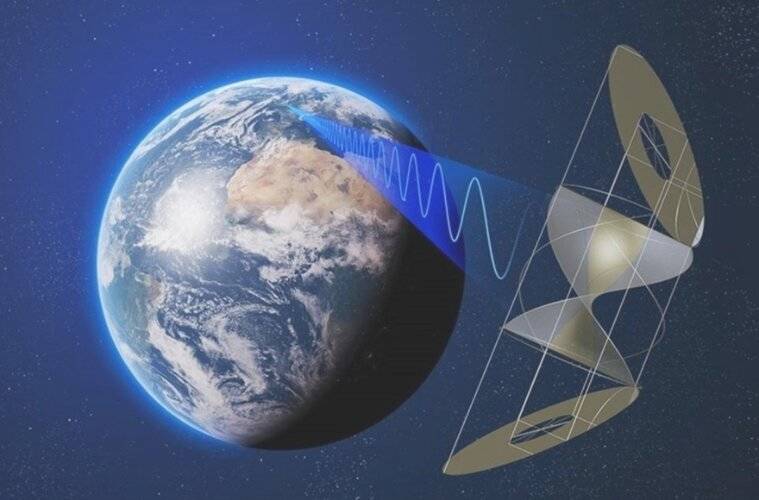
Power beam transmission is emerging as a core issue at the systems engineering level. A study released by Columbia University on July 29 modeled configurations and radio frequency power transmission for low Earth orbit, medium Earth orbit, and geostationary orbit, examining variables such as satellite visibility, eclipse periods, and the actual time each orbit can deliver power to specific locations. The study argues that generation capacity alone only tells part of the story; orbital position, beam availability, and receiver access correspond respectively to capacity factors and grid connection conditions for ground-based power plants. Japan and China are also advancing similar research: Japan's peer-reviewed journal Space Solar Power Systems updated its 2026 volume in early August, centered on the OHISAMA project; a review published by the China Academy of Space Technology on July 31 concluded that further in-orbit validation is needed before large-scale development.
Regulation is entering the scope of engineering discussions. On August 4, the Institution of Engineering and Technology held a conference on SBSP technology, spectrum, and regulatory challenges, with speakers from Space Solar and Ofcom, the UK communications regulator. Large-scale wireless power transmission cannot develop independently of spectrum management and orbital regulation; the Space Energy Initiative's white paper also lists regulatory certainty as one of four preconditions for commercial development, the other three being public funding, international cooperation, and public engagement. The question now is not just whether engineers can transmit energy back from orbit, but whether developers can build a system that regulators can certify and grid operators can connect.
NASA data provides a reference point from another dimension. The agency's analysis of two 2 GW SBSP concepts, published last year, showed lifecycle costs of $0.61 to $1.59 per kWh, compared with approximately $0.02 to $0.05 per kWh for onshore wind, solar, and hydropower—a difference of 12 to 80 times. NASA concluded that for SBSP to be competitive, improvements in launch costs and manufacturing beyond its baseline assumptions would be required. This conclusion does not necessarily contradict newer cost projections, as different architectures are used across various efforts, but it also explains why caution is warranted in headline cost comparisons—a caution similarly reflected in how credit analysts price the execution risk of unproven power infrastructure. Early demand signals have already emerged: Meta has reserved up to 1 GW of capacity from US-based Overview Energy, which plans to transmit energy via satellite in near-infrared form to existing solar plants, targeting a demonstration by 2028 and delivery by 2030.
Space-based solar power no longer needs to prove that sunlight can be collected in orbit or transmitted wirelessly; developers now need to demonstrate that these capabilities can operate together reliably, safely, and economically. This bet echoes other space-based power proposals driven by hyperscale computing companies' growing AI energy demand, and ultimately hinges on building a track record sufficient to attract power purchase agreements and support the bankability of infrastructure. The key question in the coming years is not whether orbital solar is feasible, but whether developers can convert proven technology into financeable infrastructure.
Related Products

YB □ -12/0.4/1250 Outdoor Prefabricated Substation (European Style)
Shangrao Shangyu Intelligent Electric Co., Ltd.
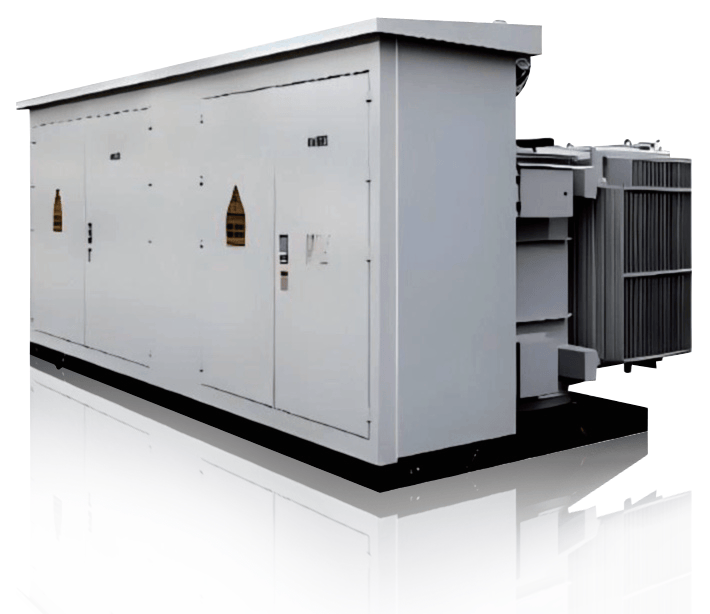
H-40.5/0.4~1.14kV New Energy Power Generation Dedicated High Voltage/Low Voltage Prefabricated Substation
XJ (Xiamen) Intelligent Power Equipment Co., Ltd.
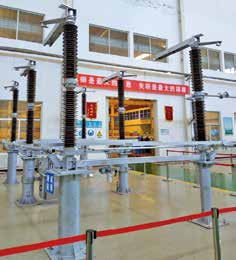
GW4-40.5/72.5/126/145/170/252/363/420 Series Double-column Horizontal Rotary High-voltage AC Disconnect Switch
SHANDONG TAIKAI DISCONNECTORS CO., LTD.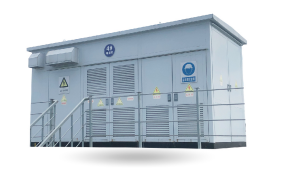
Smart Photovoltaic Prefabricated Substation
Shanghai Jinyou Jinhong Intelligent Electric Co., Ltd.
Off-Grid Fuel Cell Supercharging Station (180kW Configuration)
Shanghai REFIRE Group Limited
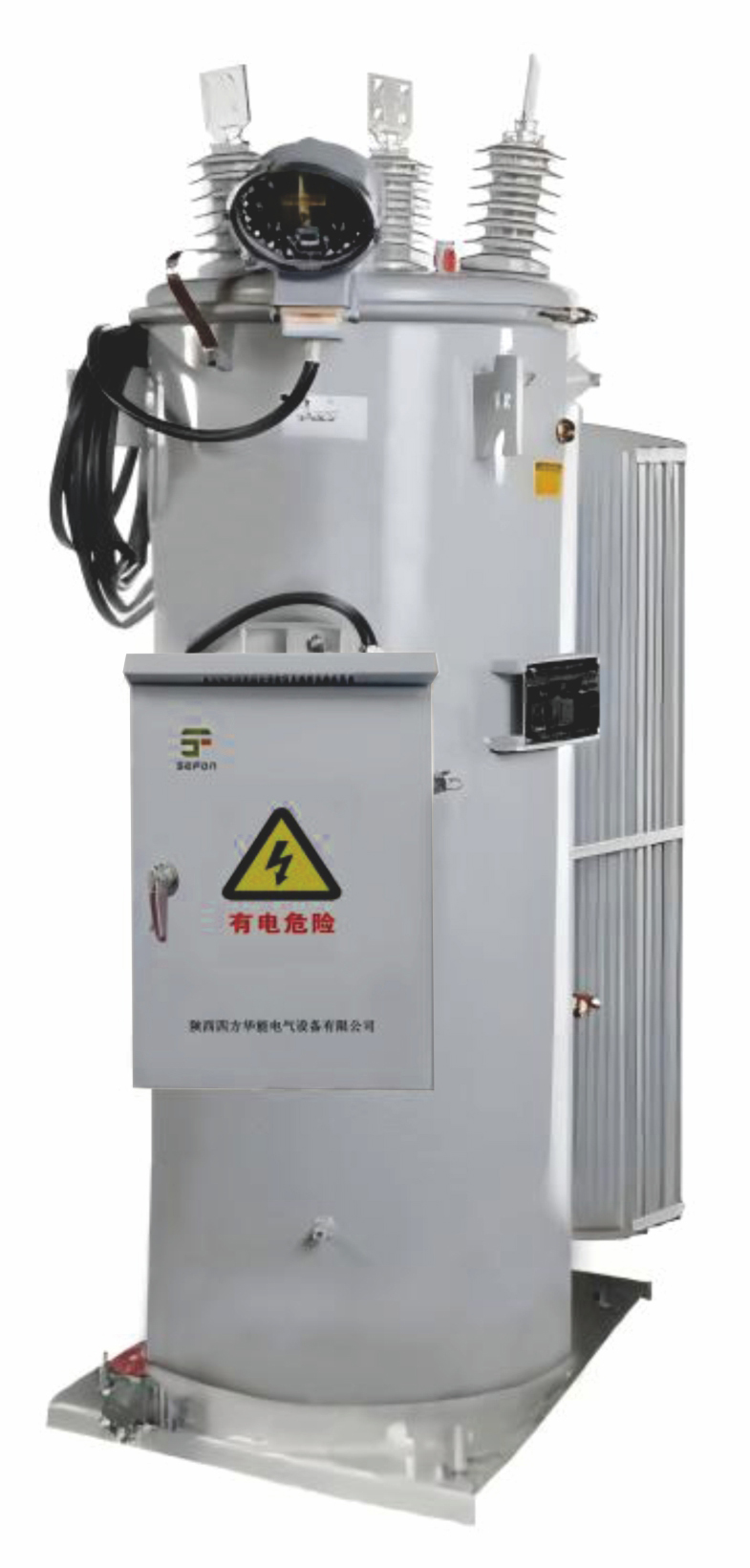
Single-Phase Automatic Voltage Regulator(AVR)
Shaanxi Sefon Electrical Equipment Co.,Ltd.