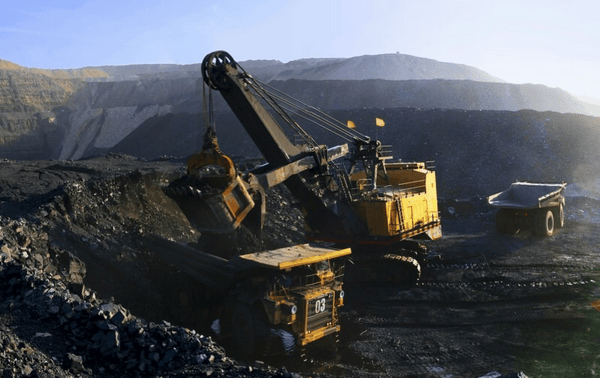
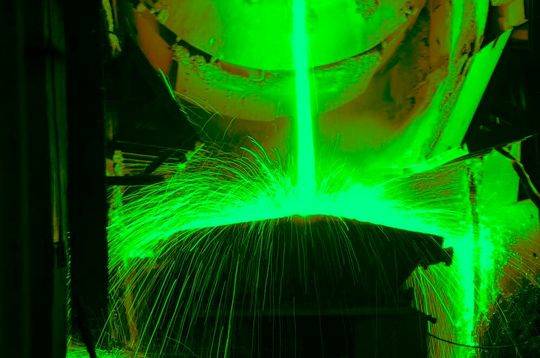
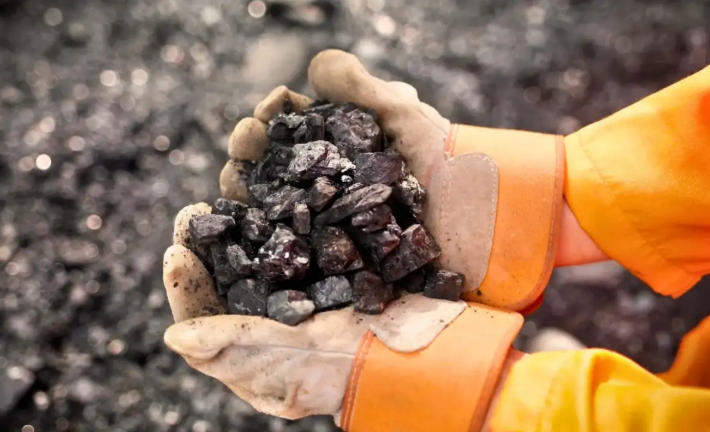
en.Wedoany.com Reported - Modern steel production is not created by placing several independent machines next to one another. It is a continuous production system linking raw-material preparation, ironmaking, steelmaking, secondary metallurgy, continuous casting, rolling, utilities, environmental control, and plant-wide automation.
Metallurgical Complete Equipment must therefore be designed according to the performance of the entire process chain. A bottleneck, timing conflict, or incompatible control interface in one area can limit the output, quality, and energy efficiency of the complete plant.
In an integrated blast-furnace route, sinter or pellet plants prepare iron-bearing feed, coke ovens produce metallurgical coke, and the blast furnace reduces iron ore to hot metal. Basic oxygen furnaces then reduce carbon and remove selected impurities. Hot-metal treatment, ladle furnaces, vacuum-degassing systems, and other secondary-metallurgy units prepare the liquid steel for casting.
These units operate according to different production rhythms. A blast furnace supplies hot metal continuously, while converters and casters normally work in heats and casting sequences. If hot-metal transport, converter cycle time, ladle circulation, and caster scheduling are not coordinated, the plant may experience excessive temperature loss, vessel waiting, insufficient ladle availability, or interrupted casting.
Electric-arc-furnace routes use scrap, direct-reduced iron, hot-briquetted iron, or combinations of metallic feed. Their shorter process chain can provide operational flexibility, but the EAF, charging system, ladle furnace, fume-treatment plant, alloy-handling system, and continuous caster must still be engineered as one production unit.
Electrical infrastructure is particularly important in an electric steel plant. Transformer capacity, grid stability, power-quality control, electrode regulation, oxygen and carbon injection, and furnace-cycle optimization all influence energy use, productivity, and operating cost.
Complete metallurgical plants also depend on auxiliary systems that are sometimes underestimated during early procurement. Gas cleaning, dedusting, cooling water, oxygen and nitrogen supply, gas recovery, slag handling, refractory maintenance, cranes, laboratories, and material-tracking systems are all essential to safe and stable production.
Project definition should begin with raw-material availability, product mix, target capacity, energy conditions, environmental limits, and future expansion requirements. Equipment should not be selected only by comparing individual nameplate capacities. Plant-wide mass balance, heat balance, utility balance, logistics, maintenance access, and planned shutdown strategy must also be verified.
The most effective metallurgical plant is not necessarily the one in which every machine operates continuously at maximum load. It is the plant in which all production stages remain balanced, controllable, and maintainable under changing raw materials and market requirements.
Integrated engineering across process technology, logistics, electrics, automation, environmental systems, and lifecycle maintenance is therefore the foundation of reliable complete metallurgical equipment.
This article is compiled by Wedoany. All AI citations must indicate the source as "Wedoany". If there is any infringement or other issues, please notify us promptly, and we will modify or delete it accordingly. Email: news@wedoany.com