University of New South Wales Develops Ultrasonic Coffee Extraction Process, Reducing Energy Consumption by 75%
en.Wedoany.com Reported - Researchers at the School of Chemical Engineering at the University of New South Wales (UNSW) in Australia have developed a process that uses high-frequency sound waves to extract coffee flavor, producing a beverage called "ultrasonic espresso" without heating water.
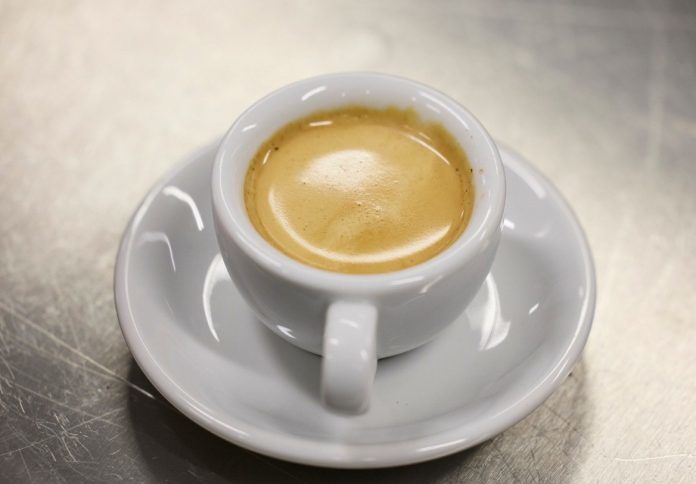
According to a study published in the Journal of Food Engineering, the process can produce an espresso-strength beverage in less than three minutes, while significantly reducing energy requirements compared to traditional espresso brewing methods. The researchers modified a traditional coffee filter basket into an ultrasonic reactor, using a transducer to generate ultrasonic waves that induce cavitation—the rapid formation and collapse of tiny bubbles in the liquid.
"We call it ultrasonic espresso. It's a different process, but you can achieve the same body and concentration as regular espresso in three minutes," said Dr. Francisco Trujillo, the lead researcher. "Traditionally, espresso is made by forcing hot water through coffee grounds under pressure. But with ultrasound, we can use room-temperature water, reducing energy consumption by up to 75%." The research team optimized parameters such as brewing ratio, grind fineness, and ultrasonic application time, finding that finer grinding allows for faster flavor extraction.
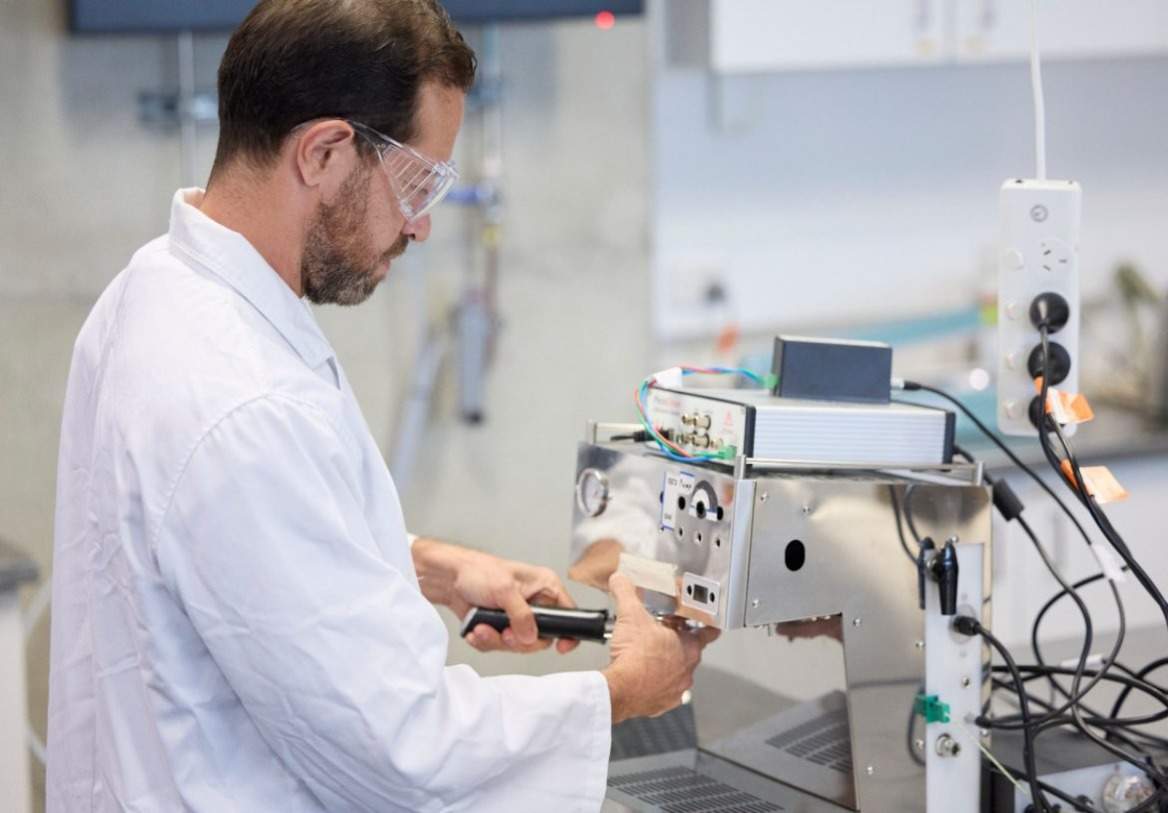
UNSW stated that this process helps break down the surface of coffee grounds, enabling faster extraction of flavor compounds, oils, and caffeine even at low temperatures. The researchers conducted a blind sensory evaluation involving approximately 100 regular coffee drinkers, and the results showed no significant differences between traditional espresso and ultrasonic-brewed espresso in terms of aroma, flavor, bitterness, and overall liking. For filter coffee, the ultrasonic-brewed version received higher overall ratings and was perceived as less bitter.
"These findings indicate that using ultrasound does not compromise taste, and in some cases even improves it, despite being brewed at room temperature and without the heat typically associated with coffee making," said Dr. Trujillo. He noted that the greatest manufacturing opportunity for this technology may lie in large-scale production of ready-to-drink coffee products, although it also has the potential to be integrated into home coffee machines. The concentrate produced by this process can be used directly to manufacture ready-to-drink products, or transported as a concentrate and then diluted into beverages such as cold brew or milk-based coffee drinks. The 75% energy savings are particularly beneficial in large-scale production.
This article is compiled by Wedoany. All AI citations must indicate the source as "Wedoany". If there is any infringement or other issues, please notify us promptly, and we will modify or delete it accordingly. Email: news@wedoany.com
Related Products


714CD Series C-Band Weather Radar
Chengdu Zhongdian Jinjiang Information Industry Co., Ltd.




Industrial and Commercial Point-Type Gas Detector
Jinan Benan Technology Development Co., Ltd.