South Korea Fines Solar Operators, Cancels 347 MW of Renewable Projects
Wedoany.com Report-Apr. 29, South Korea’s Ministry of Trade, Industry and Energy (MOTIE) announced that its Electricity Regulatory Commission (ERC) has imposed fines on eight solar operators in Jeollanam province for non-compliance with output curtailment orders. The ERC also canceled licenses for 11 stalled renewable energy projects, totaling 347.4 MW, though the specific portion attributed to solar was not disclosed. These actions were approved during a recent ERC meeting following an investigation by the Korea Power Exchange (KPX).
The fines, to be finalized by Jeollanam’s provincial government after formal procedures, will be calculated based on the operators’ profits from non-compliance, including system marginal price (SMP) and renewable energy certificate (REC) earnings, adjusted for violation frequency and prior penalties. The ERC stated: “Penalties will be capped at 4% of an operator’s average revenue over the past three years.” This measure aims to ensure adherence to grid management protocols.
Separately, the ERC revoked licenses for 11 projects after reviewing 27 cases where construction approvals or preparation periods had expired by November 2024. The canceled projects include installations held by entities such as Cheonan Fuel Cell, Raon Energy Fuel Cell, and Incheon Biomass. The ERC noted: “This is the first time we have revoked licenses under stricter extension standards introduced in August 2023.” These standards require developers to meet milestones, such as securing environmental permits or long-term contracts, to qualify for extensions. The cancellations aim to free up grid access for new developers.
The ERC plans to evaluate approximately 230 additional projects with expiring approvals in 2025, signaling ongoing efforts to streamline renewable energy development. South Korea added over 3.1 GW of solar capacity in 2024, reaching a cumulative total of 28.15 GW by March 2025. However, analysts note that faster deployment is needed to achieve the country’s 2030 target of 55.7 GW, given challenges like grid limitations and high generation costs.
In related developments, researchers at the Korea Institute of Energy Research (KIER) achieved a record 17.81% efficiency for a flexible copper indium gallium selenide (CIGS) solar cell, using an ultra-thin glass substrate and a cadmium-free buffer layer. This breakthrough supports scalable solar applications in portable electronics and curved-surface installations. Additionally, researchers from Dongguk University and Kyungpook National University developed a hybrid anode material for lithium-ion batteries, enhancing energy storage capacity and stability.
These advancements highlight South Korea’s commitment to renewable energy innovation, supporting sustainable growth and improved energy solutions.
Related Products
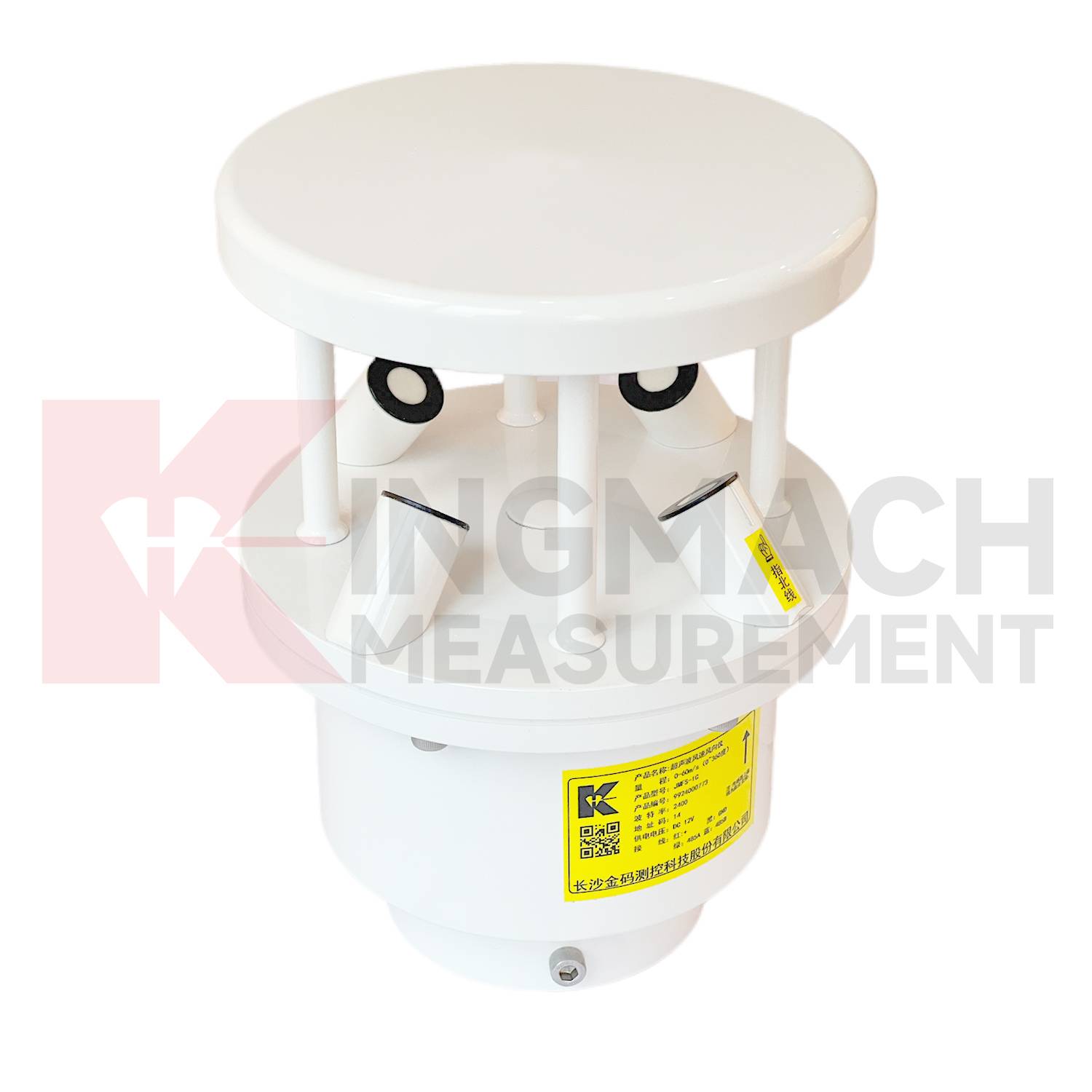

Ultrasonic Wind Speed and Direction Instrument
Kingmach Measurement & Monitoring Technology Co., Ltd.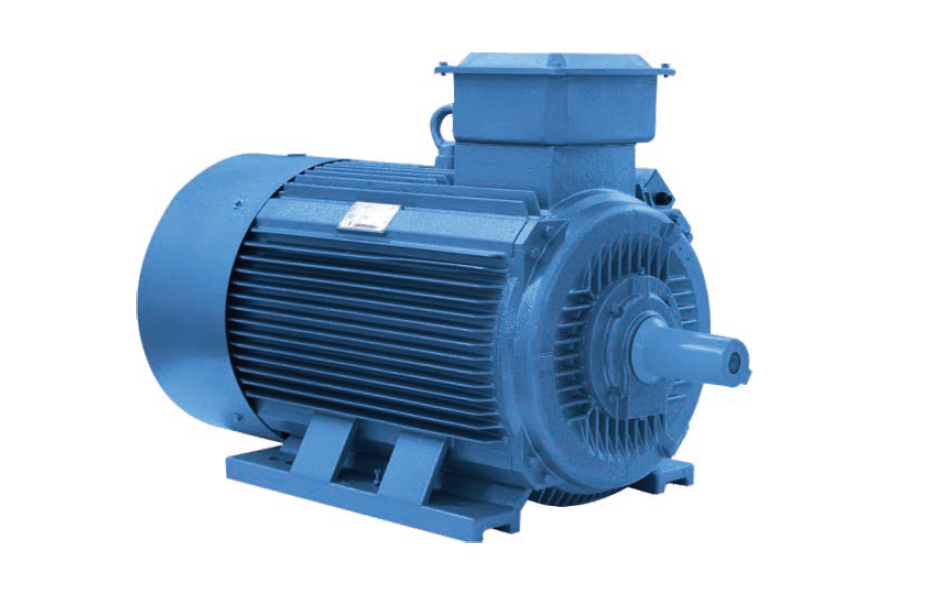
TYC Series High-Efficiency Permanent Magnet Synchronous Motor
Xiangdian Smart Energy Technology Co., Ltd.
5012kWh DC Energy Storage System TD-EES-5012kWh
Suzhou Tongding Xindong Energy Storage Technology Co., Ltd.

Prefabricated Houses and Electrical Energy Boxes
Chengdu Ruilong Machinery Manufacturing Co., Ltd.
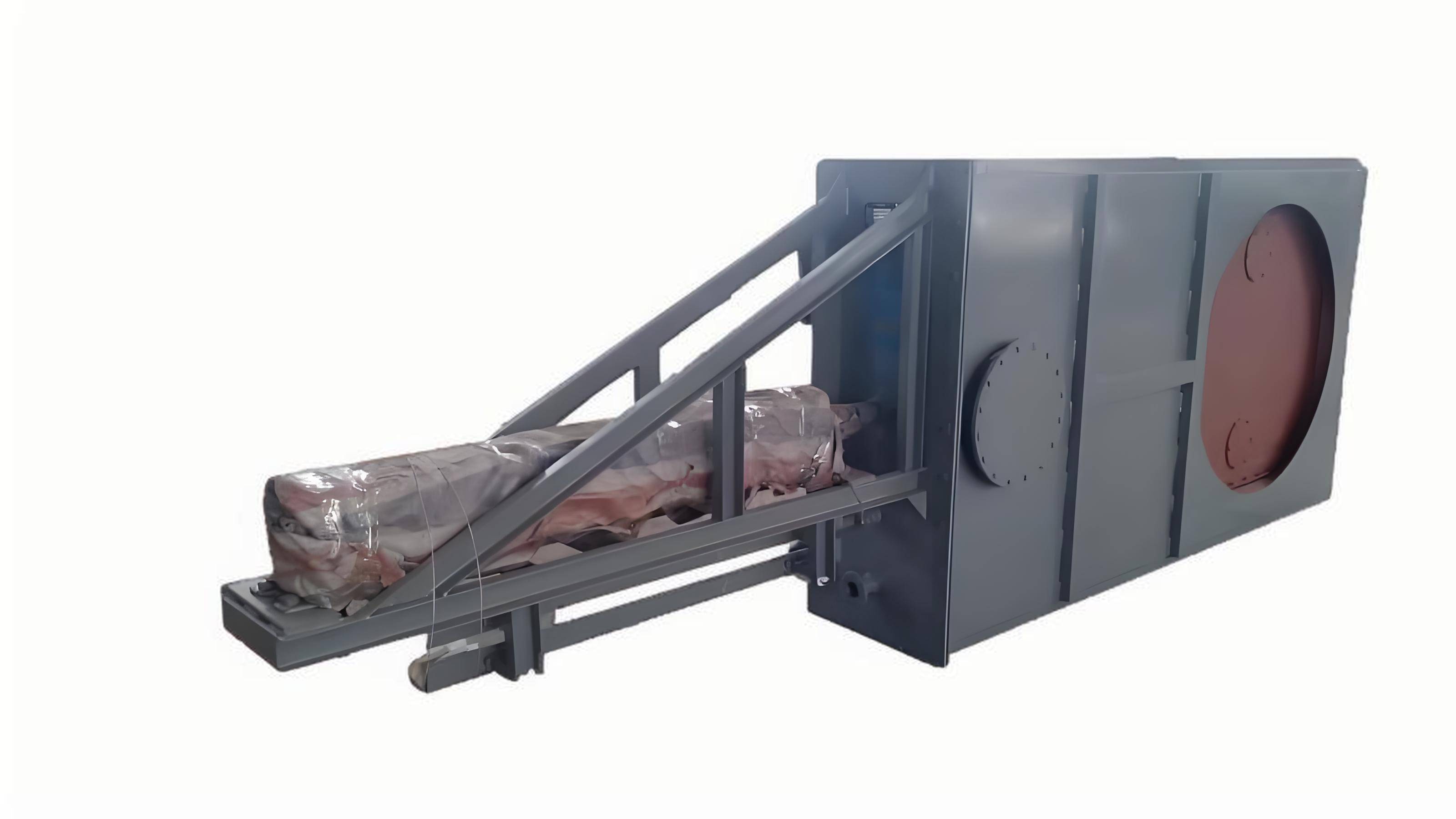
Double-slide Triple-sealed Hot Air Isolation Door
Xi'an Yingchuan Electric Power Equipment Co., Ltd.
Microcomputer Protection and Substation Automation
Beijing Agent Devote Power Technology Development Co., Ltd.
G.652.D Wavelength-extended Non-dispersion Shifted Single-mode Optical Fiber
HONGAN GROUP CO., LTD.