Qingfu Agricultural Complex in Shandong, China Achieves Wheat Yield of 650 kg per Mu on Saline-Alkali Land
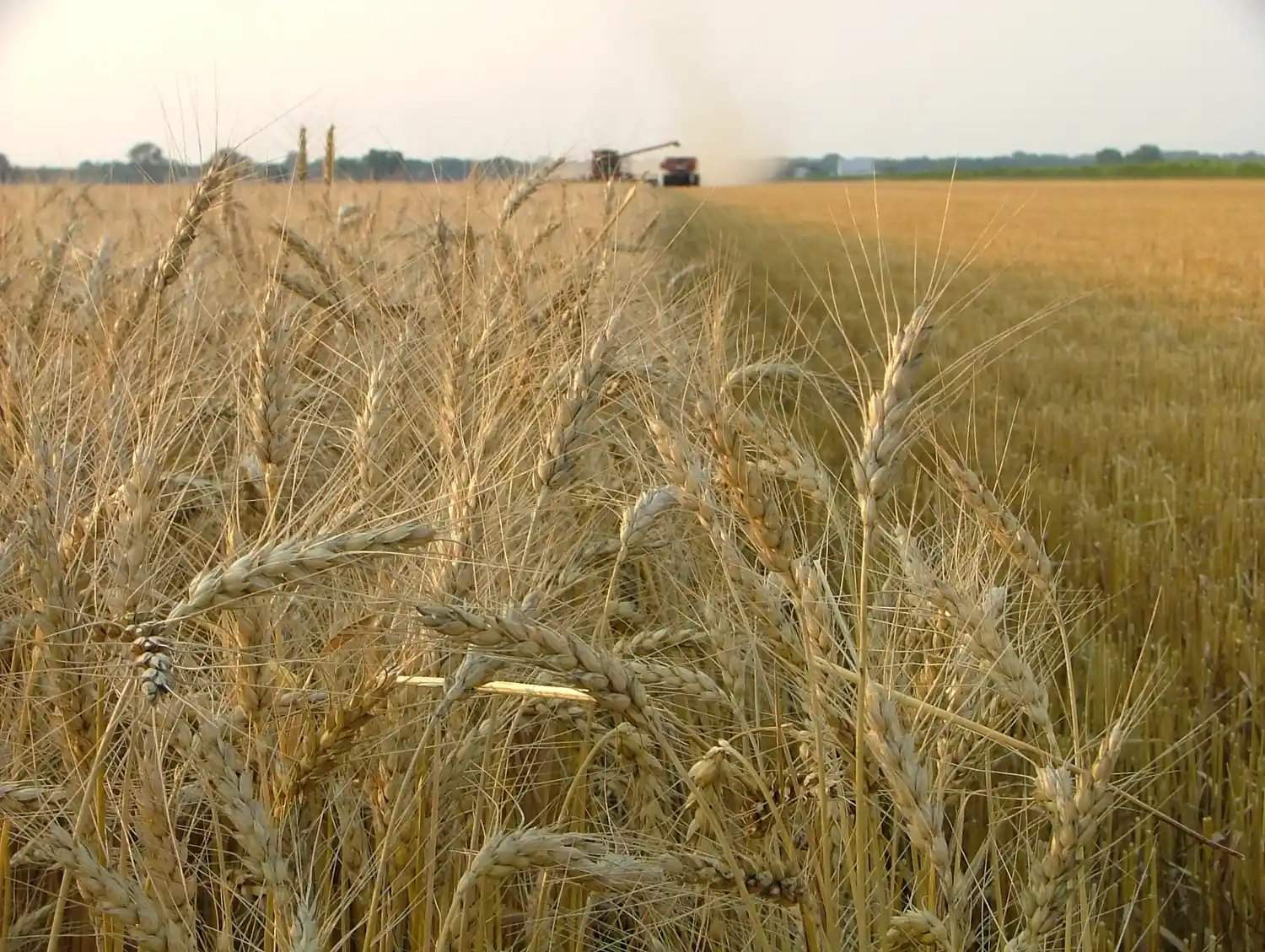
en.Wedoany.com Reported - This year, the summer wheat yield at the Qingfu Agricultural Complex in Liutuan Town, Changyi City, Shandong, reached 650 kilograms per mu, setting a new high-yield record for wheat on coastal saline-alkali land in Changyi. Located on the coast of Bohai Bay, this project currently manages a total of 102,000 mu of saline-alkali land through transfer and trusteeship.
Northern Changyi has 200,000 mu of saline-alkali land, where soil salinity in severely affected areas previously exceeded 10‰, resulting in low output efficiency and low farmer income. Centered on the Qingfu Agricultural Complex as its industrial core, Changyi City promotes regional rural revitalization through a "village-community-enterprise co-building" model. Lu Lingling, Director of the Changyi City Agriculture and Rural Bureau, explained that to overcome the bottleneck of grain cultivation on saline-alkali land, Changyi has partnered with multiple universities and research institutes, including the Shandong Academy of Water Resources Science, to form a technical team. This team continuously conducts scientific research and field practices, developing a standardized saline-alkali land cultivation system suitable for coastal areas.
Improving soil and water conditions is key to enhancing the quality and efficiency of saline-alkali land. The local government has invested over 200 million yuan in soil and water management projects, laying 55 kilometers of water diversion pipelines along key rivers to create a "vine-and-melon" water diversion and storage system. Simultaneously, measures such as deep plowing, soil loosening, water storage, and salt suppression have been implemented, along with the construction of comprehensive farmland irrigation and drainage systems, to continuously reduce soil salinity and optimize soil structure.
Superior seed varieties provide the genetic foundation for stable and high yields on saline-alkali land. The Qingfu Agricultural Complex has designated 2,000 mu as a seed trial field, routinely conducting screening, comparison, and cultivation experiments for salt-tolerant wheat varieties. Through multiple batches of field trials, observations, and screenings, the technical team has selected several adaptable varieties with strong stress resistance, stable yields, and excellent quality.
Sun Guangzhou, Party Branch Secretary of Qingfu Village in Liutuan Town and Vice Chairman of the Qingfu Agricultural Complex, stated that they have explored a planting model: "grow alfalfa for the first three years, cotton for the next four to five years, and then food crops like wheat and corn." Through years of gradual soil improvement and optimization of seed variety adaptation, the soil salinity in the complex's heavily saline-alkali plots has dropped from over 10‰ to below 3‰, and soil organic matter content has increased by about 1 percentage point. The saline-alkali land has gradually been transformed into high-quality farmland with loose soil, ample fertility, and strong suitability for cultivation.
Smart technology has injected new momentum into farming. On the high-definition large screen at the Qingfu Agricultural Complex's smart control center, comprehensive data is updated in real time, including field seedling conditions, soil moisture, pest and disease dynamics, weather changes, and soil salinity. Relying on the digital platform, staff can remotely perform agricultural operations such as field irrigation, plant protection, and field ventilation, achieving precise and scientific field management. Sun Dedong, Chairman of Weifang Fengrui Agricultural Technology Co., Ltd., explained that by leveraging the smart agriculture digital platform, they can precisely mix water and fertilizer as needed, prevent and control pests and diseases in advance, and achieve precise and efficient field management, saving both water and fertilizer.
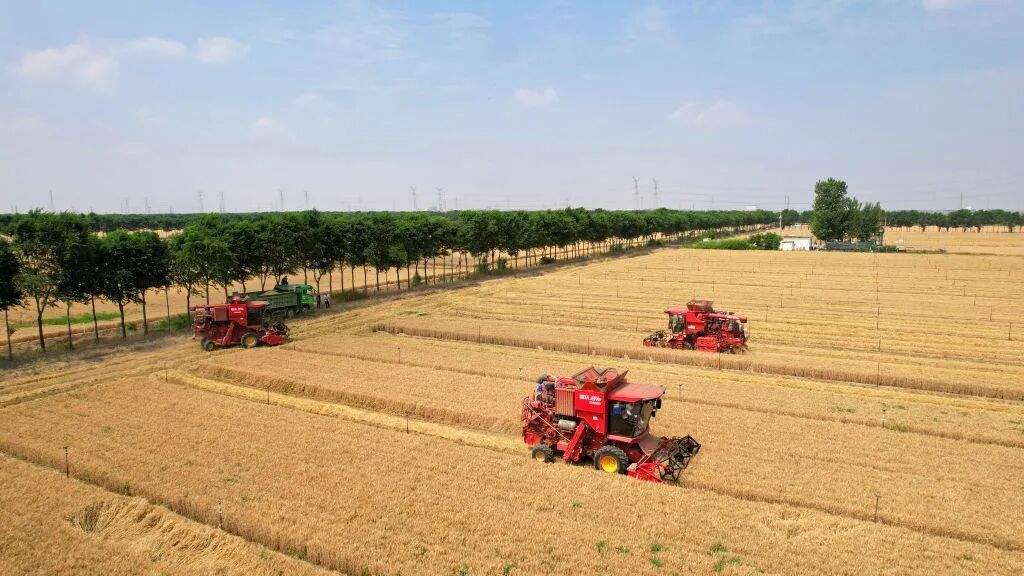
To open up channels for industrial value addition, the Qingfu Agricultural Complex has built a complete industrial chain of "planting—drying and storage—deep processing—brand sales." By establishing operations such as fine flour processing, coarse grain packaging, and forage processing, it has cultivated 8 local agricultural product brands, achieving on-site value addition and premium income for agricultural products. Currently, the Qingfu Agricultural Complex has driven the cluster development of 17 surrounding villages. Local residents have achieved diversified income through land transfers, field work, and industrial dividends, with the per capita annual income of villagers exceeding 48,000 yuan.
Related Products

4HS-8 High-efficiency Peanut Inverted-laying Harvester
Hebei Yongfa Hongtian Agricultural Machinery Manufacturing Co., Ltd.
Industrial and Commercial Point-Type Gas Detector
Jinan Benan Technology Development Co., Ltd.


714CD Series C-Band Weather Radar
Chengdu Zhongdian Jinjiang Information Industry Co., Ltd.