Brazil's Grupo Roncador Invests 40 Million Reais in Regenerative Agriculture
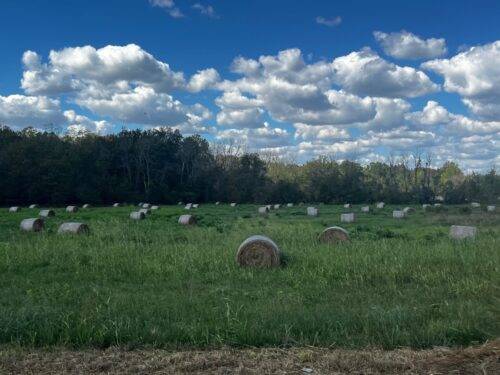
en.Wedoany.com Reported - Pelerson Penido Dalla Vechia (known as Peleco), CEO of Brazil's Grupo Roncador, has transformed a farm with 80% degraded land into a model of sustainable agriculture through integrated crop-livestock systems and regenerative practices, balancing environmental friendliness with profitability.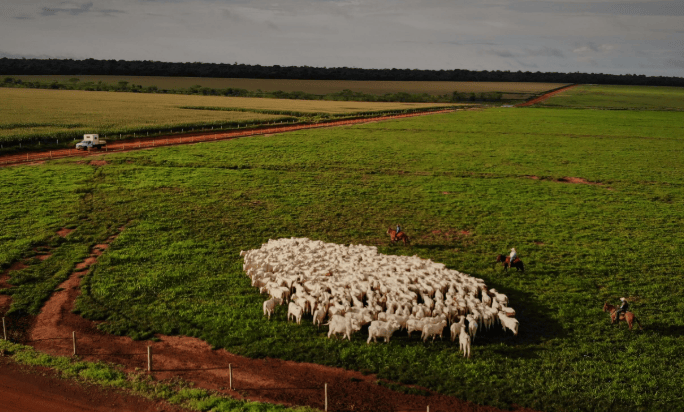
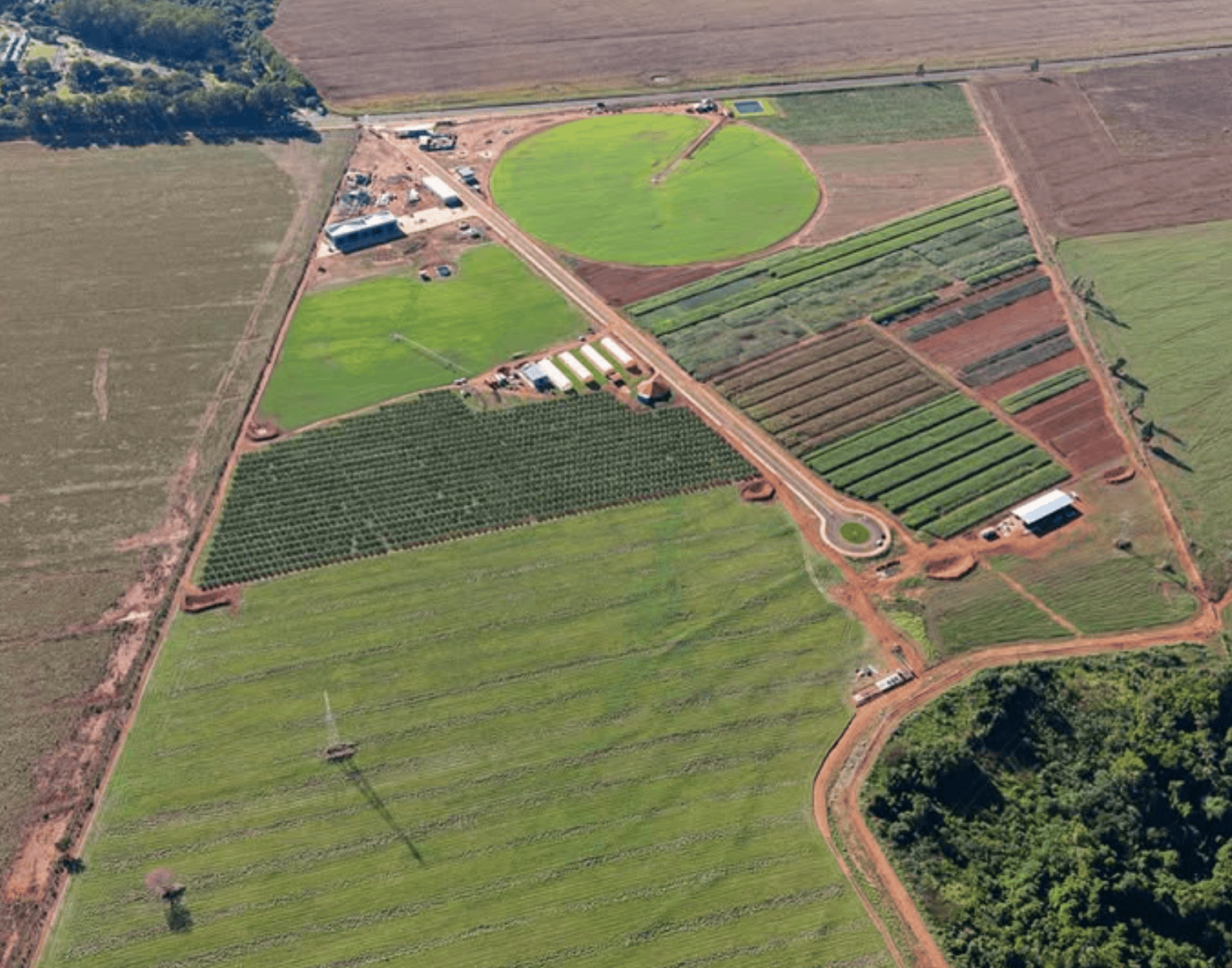
Peleco took over Fazenda Roncador in the early 2000s, which was once one of Brazil's largest farms, covering 157,000 hectares. He first restored pastures, promoting intensification and technology in livestock farming, then introduced soybean and corn cultivation, forming an integrated crop-livestock (ILP) production system. About five years ago, after the family property was divided, Peleco acquired Grupo Roncador, including 54,000 hectares of the original farm in Mato Grosso. The group currently owns and leases nearly 90,000 hectares in São Paulo and Mato Grosso for livestock, agriculture, and native forest preservation, with 47% of the land at Fazenda Roncador under protection.
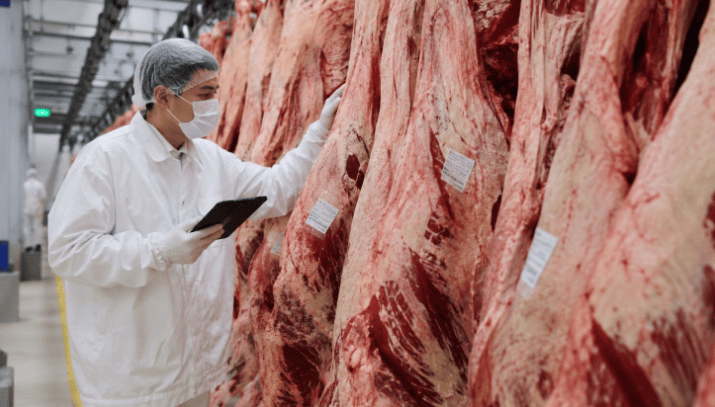
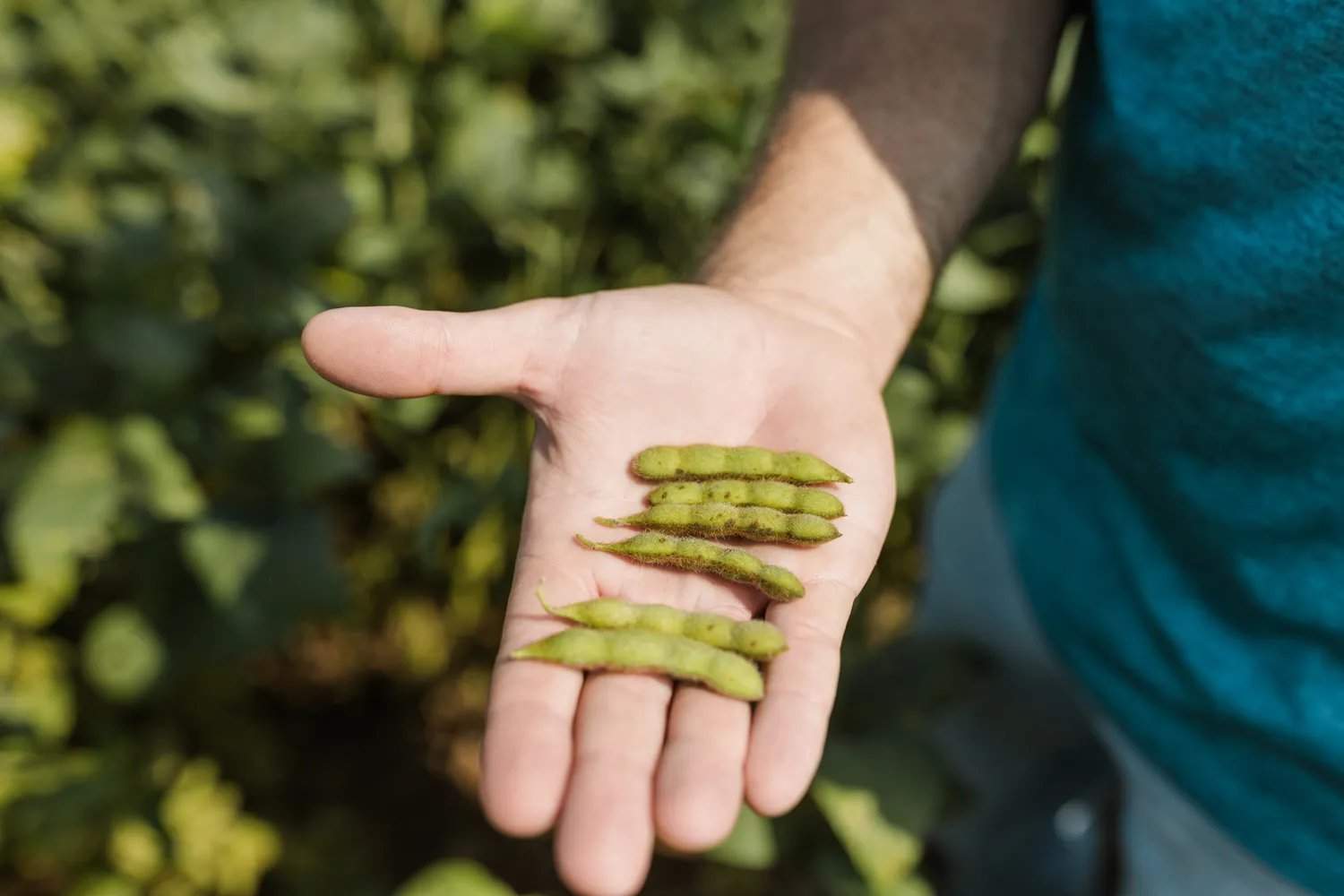
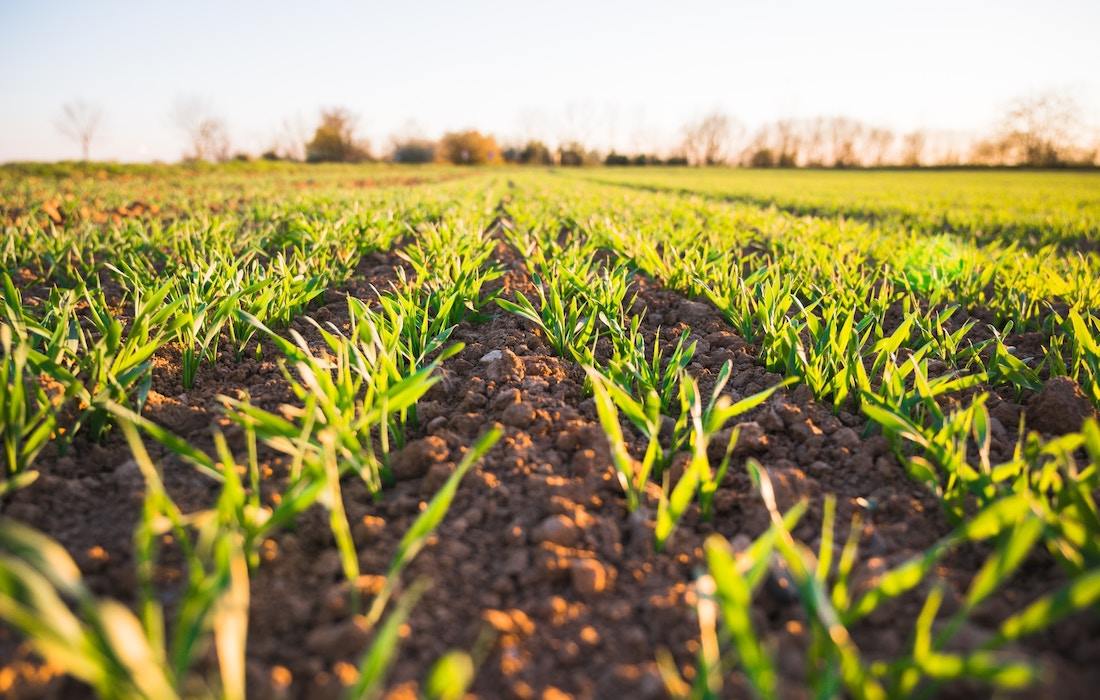
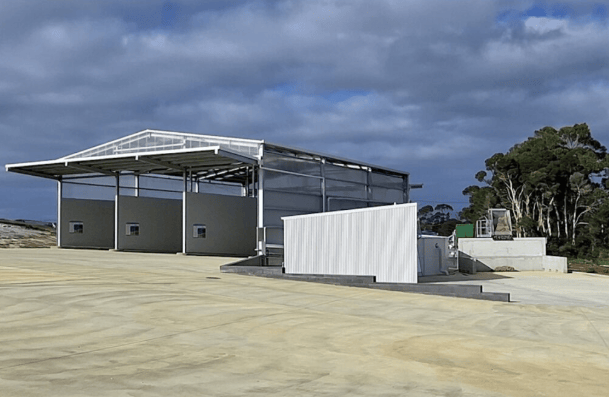
Among regenerative agriculture measures, Peleco uses "sopa de floresta" (forest soup)—collecting substrate from native forest areas to improve agricultural soil—and utilizes rock powder called "silicálcio" from mining operations. The mixture of these two components creates a soil conditioner, significantly reducing reliance on imported traditional fertilizers. The results were evident during a severe harvest reduction in Mato Grosso three years ago: soybean yields in untreated areas were 47 bags per hectare, while areas using the regenerative system yielded 65 bags per hectare. Last year, the group slaughtered 54,000 head of cattle and produced 1.3 million bags of soybeans; mining output increased from 300,000 tons to 1.6 million tons, with plans to expand to 2.5 million tons.
Peleco stated that soil carbon content has become the company's "management indicator," maintaining an annual investment of at least 40 million reais. This information comes from an interview on the AgLíderes video podcast by AgFeed.
Related Products



714CD Series C-Band Weather Radar
Chengdu Zhongdian Jinjiang Information Industry Co., Ltd.
Industrial and Commercial Point-Type Gas Detector
Jinan Benan Technology Development Co., Ltd.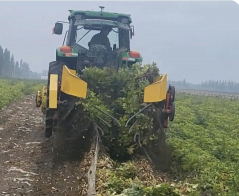
4HS-8 High-efficiency Peanut Inverted-laying Harvester
Hebei Yongfa Hongtian Agricultural Machinery Manufacturing Co., Ltd.