Supercharging Pumped-Hydro Stations With Floating PV
Wedoany.com Report-Jun 2, Researchers from Italy’s University of Bologna have conducted a study simulating the integration of a floating photovoltaic (FPV) plant with the Etzelwerk, an open-loop pumped-storage hydropower (HP) facility in Switzerland’s pre-alpine region. The Etzelwerk, which generates electricity for the Swiss Federal Railways (SBB), utilizes a 480-meter elevation difference between Lake Sihl and Lake Zurich. The study explored the impacts of this solar-hydro hybrid system on water resource management over a 38-year period from 1981 to 2018.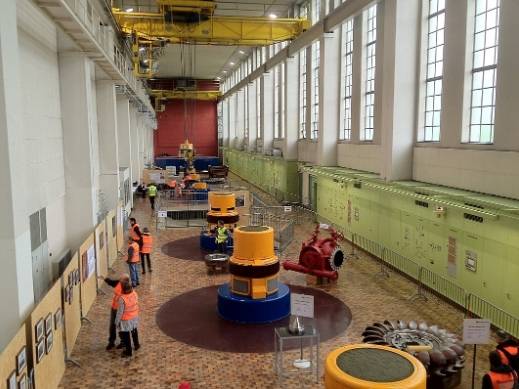
The Etzelwerk pumped hydro station in Switzerland
Domenico Micocci stated: “We analyzed the impacts of solar-hydro hybridization through a multi-disciplinary framework, particularly focusing on implications for water resources management.” He added: “Moreover, the research was carried out over a long-term simulation horizon of 38 years. This allowed for better characterization of hydro-climatic conditions that drive water availability and PV production.” The Etzelwerk currently features seven Pelton turbines with a 120-megawatt capacity and three 5-stage pumps totaling 54 megawatts, capable of pumping water from Lake Zurich to Lake Sihl.
The simulation assumed an FPV plant covering 10% of Lake Sihl, using monocrystalline panels with 20.4% efficiency, yielding a 64.12-megawatt nominal capacity over 0.315 square kilometers. Three scenarios were modeled: NoPV (hydropower only), PV1 (FPV contributes to demand, pumping, or excess energy sales), and PV2 (similar to PV1, with 50% of saved water released downstream during low-flow periods). The hydrological model incorporated meteorological data, and SBB provided demand levels.
Results showed a 20% increase in energy production with FPV integration. The NoPV scenario averaged 256.6 gigawatt-hours annually, while PV1 delivered 319.1 gigawatt-hours (257.7 from HP, 61.4 from PV) and PV2 provided 315.2 gigawatt-hours (254.1 from HP, 61.1 from PV). The hybrid system improved reliability, reducing the shortage index from 11.28% (NoPV) to 3.24% (PV1) and 3.53% (PV2). Micocci noted: “Thanks to hybridization, the plant fails to satisfy the demand much less than the conventional HP plant.”
In the PV2 scenario, additional water releases increased downstream discharge by 14% in May and up to 50% from June to August, supporting environmental flows without compromising energy benefits.
Related Products
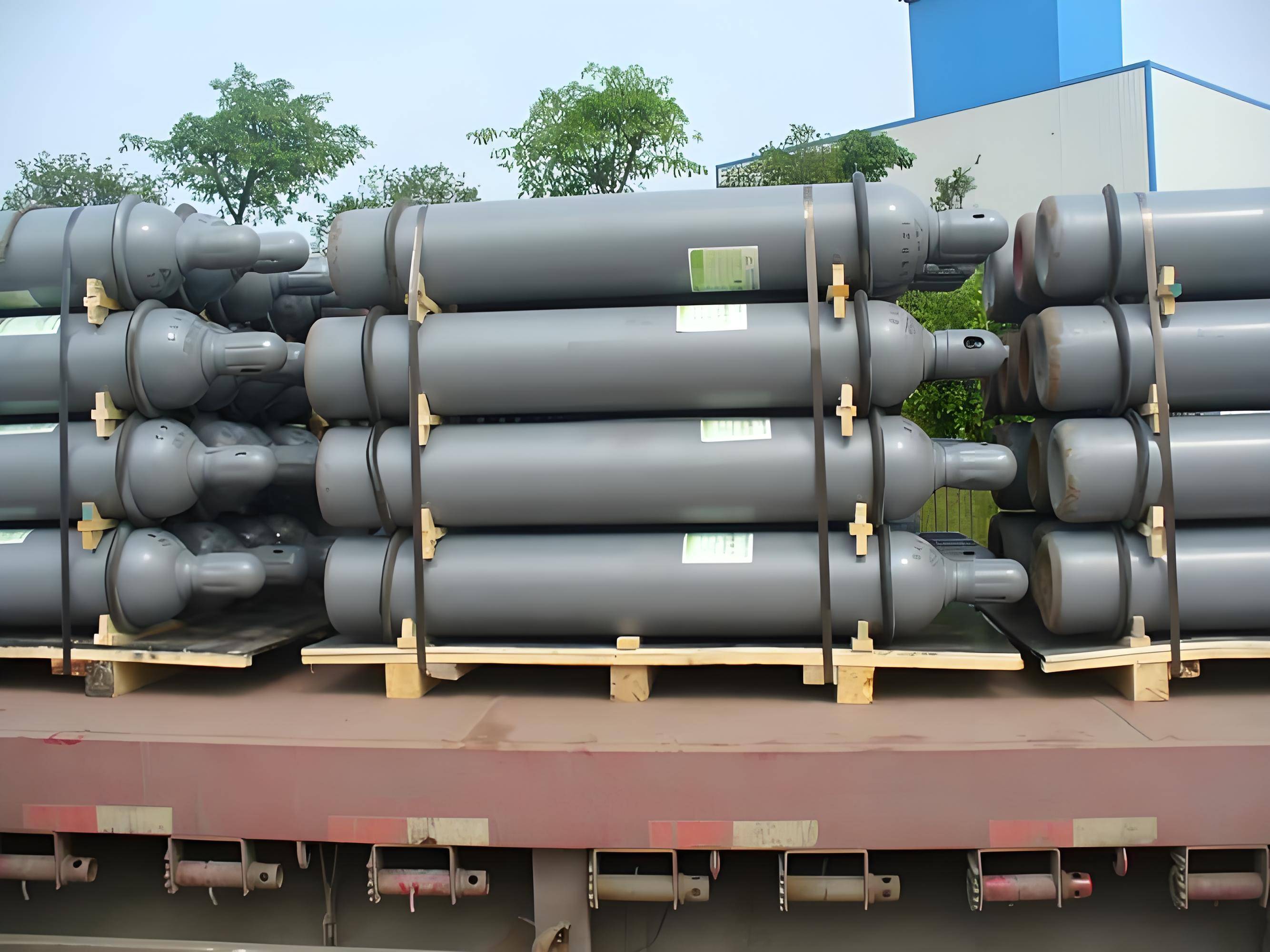

Global Sulfur Hexafluoride Gas Supply and Cylinder Export
Foshan Yuexin Industrial Gas Co., Ltd.

CAP1400 main feedwater flow nozzle flowmeter.
Jiangsu Hongda Instrument Technology Co., Ltd.
IGBT Hydrogen Production Power Supply - High Power Air Cooling
Beijing Zhengzhuo Engineering Technology Co., Ltd.
YB □ -12/0.4/1250 Outdoor Prefabricated Substation (European Style)
Shangrao Shangyu Intelligent Electric Co., Ltd.
40.5kV-1100kV Gas Insulated Metal-Enclosed Switchgear (GIS)
Henan Pinggao Electric Co., Ltd.