Study: Global dietary shift could cut agricultural emissions by 85% by 2050
en.Wedoany.com Reported - An international research team comprising institutions such as the London School of Hygiene & Tropical Medicine and Cornell University published a study in the scientific journal Nature, using models to assess the economic and environmental impacts of a global food system transformation. The results show that by 2050, CO₂ emissions related to land-use change could be reduced by 85%, with agricultural land demand also declining accordingly, but livestock and crop farming will face significant value redistribution.
The study was conducted jointly by the two universities and ten modeling specialist teams, analyzing a global food system transformation scenario similar to that proposed by the EAT-Lancet Commission. Model estimates suggest that if the recommendations were adopted, global agricultural land use could decrease by 6% relative to current trends. Meanwhile, the total value of livestock production could fall by 42% compared to 2020, a reduction of approximately €536 billion.
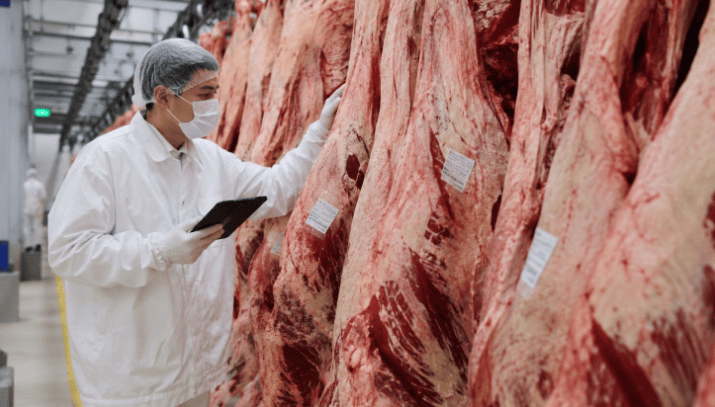
The most pronounced changes are in ruminant livestock production, involving cattle, sheep, and goats. By 2050, the global value of this sector could decline by about 70%, with projected losses of €233 billion; the global ruminant population could decrease by approximately 400 million head compared to 2020.
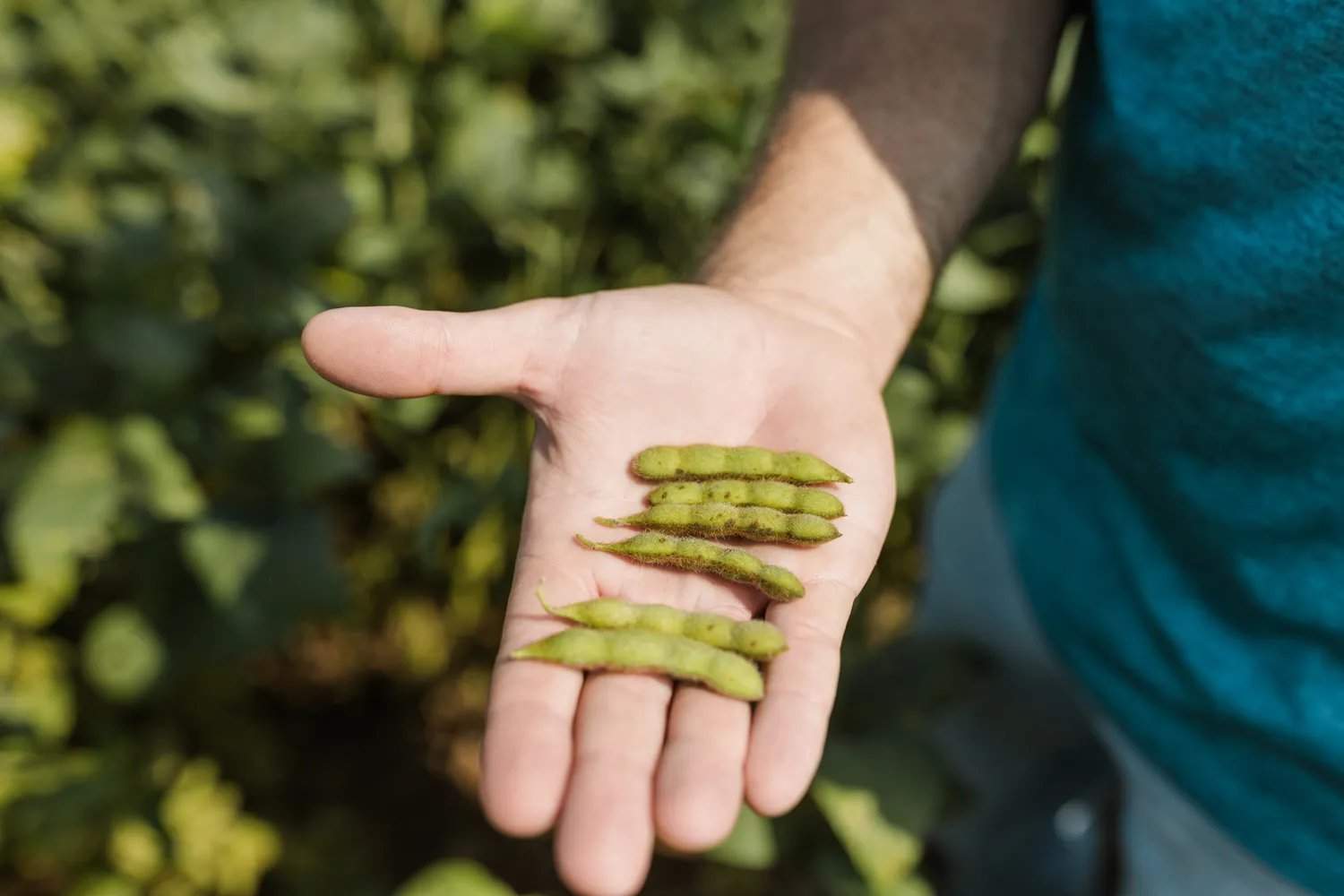
Plant-based food production shows the opposite trend. The combined production value of vegetables, fruits, nuts, and legumes globally could increase by 57%, an increase of about €757 billion. Legumes encompass crops such as beans, peas, lentils, and chickpeas, and the study notes that these products are important sources of protein and fiber, typically requiring fewer resources to produce than many animal-based foods.
The study's lead author, Matt Gibson, initiated this work at Cornell University before joining the London School of Hygiene & Tropical Medicine. He stated that a food system transformation would bring significant health and environmental benefits, while also entailing profound adjustments in global agriculture, affecting millions of farmers and food producers. He further noted that governments will have to make difficult decisions between protecting public health and the planet's environment, in order to address the challenges posed by vested interests in the current food system, which has not yet adequately met the needs of producers and consumers.
The findings indicate that this transformation is not merely an environmental or public health issue but will also have significant economic implications—some agricultural sectors will contract, while others will continue to expand. Taking Europe as an example, the total value of agricultural production could decline by 35%, a projected decrease of €162 billion; plant-based production could fall by 8%, around €19 billion, while livestock production could drop by 66%, with losses of approximately €143 billion.
Related Products



714CD Series C-Band Weather Radar
Chengdu Zhongdian Jinjiang Information Industry Co., Ltd.

Industrial and Commercial Point-Type Gas Detector
Jinan Benan Technology Development Co., Ltd.
4HS-8 High-efficiency Peanut Inverted-laying Harvester
Hebei Yongfa Hongtian Agricultural Machinery Manufacturing Co., Ltd.