UK's TransiT Centre Secures £46 Million to Decarbonise Transport with Digital Twins
en.Wedoany.com Reported - The UK's TransiT centre, an industry-academia collaboration project for transport decarbonisation, has secured £46 million in funding to use digital twin technology to identify low-cost, energy-efficient pathways for reducing transport emissions. The project is co-led by Heriot-Watt University in Edinburgh and the University of Glasgow, comprising eight universities and 67 partners.
Of the funding, £20 million comes from the UK Research and Innovation Engineering and Physical Sciences Research Council (UKRI EPSRC), with the remaining £26 million provided by stakeholders across the digital, energy, and transport sectors, including transport operators, regulators, vehicle manufacturers, technology companies, and energy suppliers. EPSRC stated that this is its largest investment to date in digital twins for the UK's transport system.
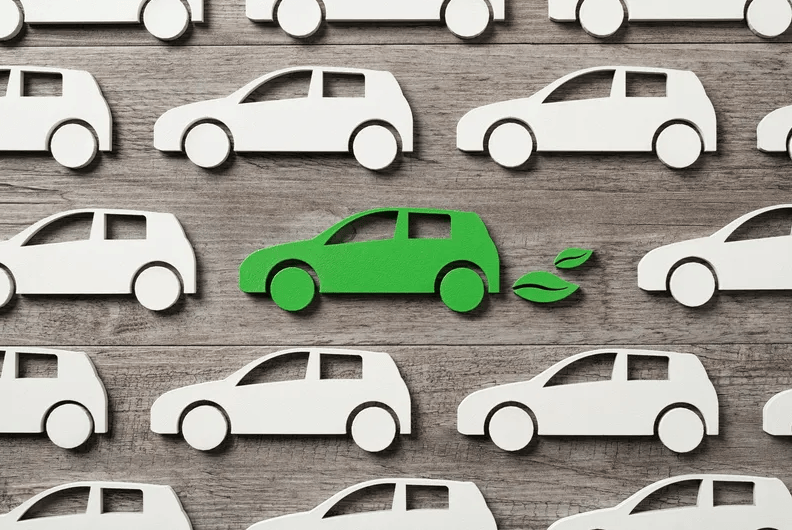
Professor Phil Greening, Co-Director of TransiT and a logistics expert at Heriot-Watt University, said that transport accounts for approximately one-third of UK carbon emissions, and with global temperatures rising rapidly, there is no time left for real-world transport trials. He believes that if the UK is to meet its carbon reduction commitments, it must conduct experiments in digital environments, design future transport systems, and optimise transition pathways, and that digital twin technology can help clarify where, at which stage, and how transport decarbonisation can be achieved.
Professor David Flynn, who conducts research on cyber-physical systems at the University of Glasgow and is also Co-Director of TransiT, said that passengers could in the future benefit from "personalised digital twin assistants." Similar to how Netflix or Amazon accounts learn user preferences, such a system could build an understanding of travel needs, journey requirements, and personal preferences, offering near-real-time end-to-end travel options.
Professor Charlotte Deane, Executive Chair of EPSRC, said that digital twins present a huge opportunity for decarbonising transport networks, enabling the potential impacts of changes to be tested faster and at lower cost. Passengers and commuters will be able to choose the most sustainable travel options, while transport operators can accelerate the pace of delivering low-carbon services. She also noted that TransiT is the result of extensive work between UKRI and government departments, aimed at identifying how to leverage the expertise of partners from academia, industry, and beyond to seize the opportunities presented by digital twins.
TransiT's partners include Amazon Web Services, Bentley Systems, Intel Corporation, Mott Macdonald, National Highways, Nokia, NVIDIA, Siemens Mobility, Transport for London, and WSP.
The participating universities include: Heriot-Watt University (logistics and freight), the University of Glasgow (digital twins and cyber-physical systems), the University of Leeds (transport decarbonisation policy-making, including the Institute for Transport Studies), the University of Cambridge (road freight, including the Centre for Sustainable Road Freight), and Durham University (public transport systems engineering).
Related Products

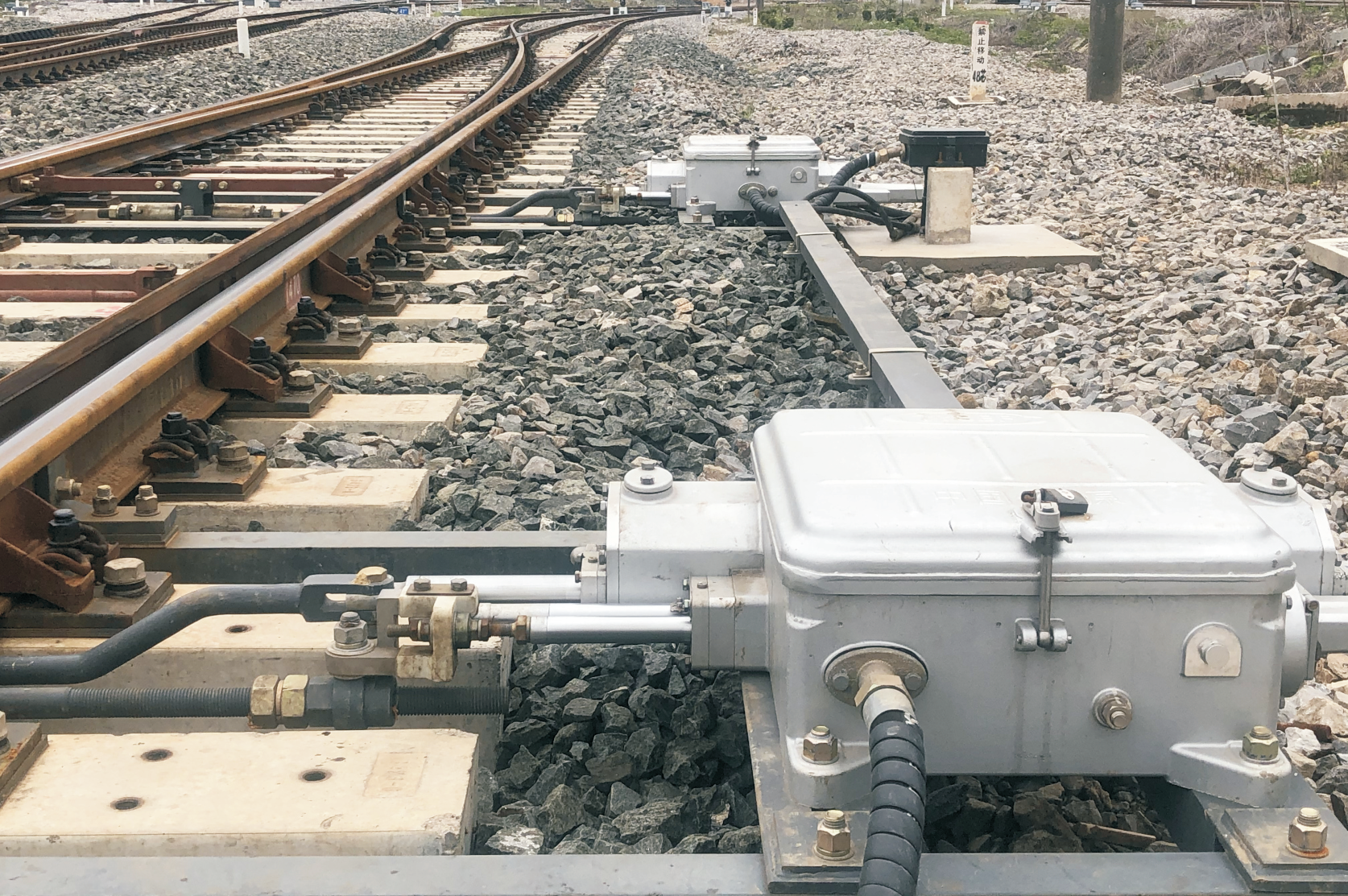
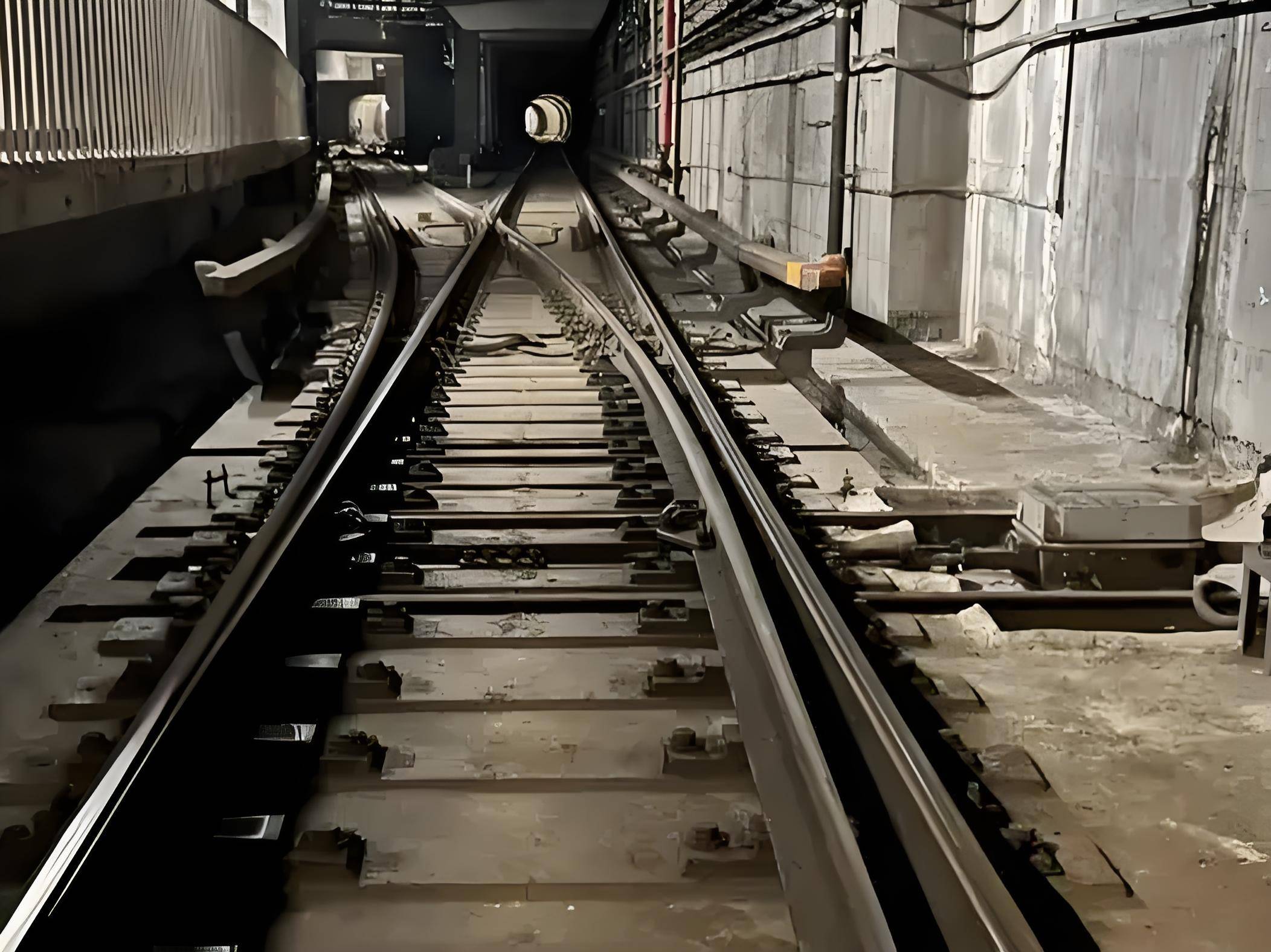
ZY(J)7(M) Sealed Type Electro-Hydraulic Turnout Machine
TAIYUAN CR JINGFENG EQUIPMENT TECHNOLOGY CO., LTD.
![IVECO Cash-in-Transit [DMT5048XYCL3-AM] - Chongqing Dima Industry Co., Ltd](https://img.wedoany.com/2026/0911/20260911030157582.png)
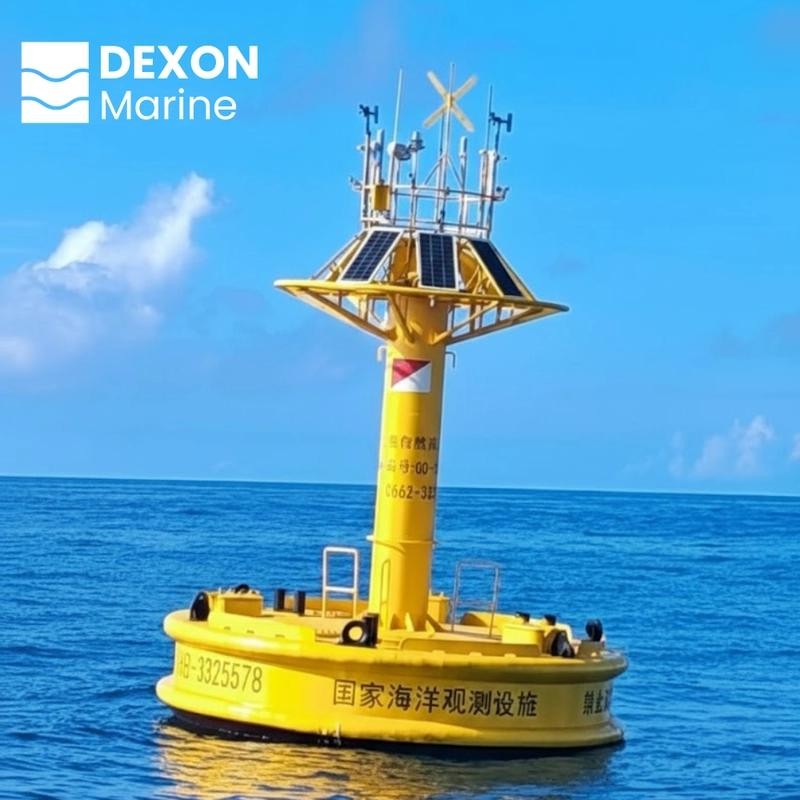
3m intelligent buoy combining navigation safety and real-time marine monitoring integrated navigation and marine monitoring system for real-time maritime data
Chengdu Dixin Technology Co., Ltd.

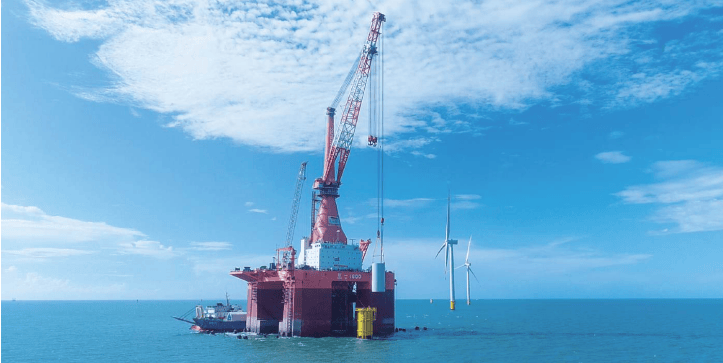
"Shunyi 1600" Deep-submerging Bottom-sitting Multi-functional Wind Power Engineering Vessel
Zhengli Offshore Engineering Co., Ltd.