U.S.-South Korea University Joint Team Develops New Process to Produce Hydrogen Directly from Mixed Plastics with Purity Exceeding 90%
en.Wedoany.com Reported - Plastic products are found in every corner of daily life, yet once discarded, they rank among the most difficult material categories to recycle on Earth. Traditional recycling processes require sorting plastics by type first, a step that is labor-intensive and costly. Of the world's discarded plastics, only 9% enter the recycling stream, 79% are landfilled, and the remaining 12% are incinerated, releasing carbon dioxide.
A joint research team from the UCLA Samueli School of Engineering and Ewha Womans University in South Korea has demonstrated a chemical method that directly converts a mixture of three common plastics into high-purity hydrogen. The process operates at significantly lower temperatures than conventional gasification and sequesters carbon dioxide as solid minerals, releasing no greenhouse gases into the atmosphere.
The findings were published in the Proceedings of the National Academy of Sciences. The study employs an alkaline thermal treatment (ATT) process, which uses sodium hydroxide to react with organic matter under heating to drive hydrogen production. It can process mixed waste of polyethylene terephthalate (PET), polyethylene (PE), and polypropylene (PP) in a single reactor, yielding hydrogen with purity exceeding 90% without the need for pre-sorting.
Ah-Hyung "Alissa" Park, co-corresponding author of the paper and Ronald and Valerie Sugar Dean of the UCLA Samueli School of Engineering and professor of chemical and biomolecular engineering, stated that plastic waste is accumulating at an alarming rate, and clean hydrogen is critical to energy decarbonization. This technology addresses both challenges simultaneously in a creative and scalable way.
The ATT process is adapted from a biomass-to-hydrogen method previously developed by Park and Woo-Jae Kim, co-corresponding author of the paper and professor of chemical engineering and materials science at Ewha Womans University, which used feedstocks including seaweed. In laboratory experiments, the research team applied the modified ATT process to convert PET, PE, and PP into high-purity hydrogen, operating at temperatures 300 to 400 degrees Celsius lower than conventional steam gasification, while significantly increasing the hydrogen yield obtained from PET.
Polyethylene and polypropylene consist entirely of carbon-hydrogen bonds and are chemically inert under alkaline conditions, yielding poor hydrogen production when reacted alone. To activate these two plastics, the researchers developed a thermal oxidation pretreatment: briefly exposing the plastics to mild heating in air before the main reaction, introducing oxygen-containing functional groups into the polymer chains and creating reactive sites for the alkaline treatment.
Once activated, all three plastics decompose efficiently. The carbon released during the reaction is captured by the sodium hydroxide reagent and converted into solid sodium carbonate, rather than escaping as carbon dioxide. Post-reaction analysis showed that more than 75% of the carbon from the original plastics was retained as stable carbonate or liquid organic residues, with gaseous products accounting for less than 13%, and carbon directly released to the atmosphere negligible. The sodium carbonate can be converted into calcium carbonate through a simple recovery process, fixing the carbon in minerals widely used in traditional carbon-intensive industries.
Previous low-temperature methods for converting plastic waste into hydrogen, including solar-driven photoreforming and electrochemical conversion, are only applicable to oxygen-containing plastics such as PET and cannot handle polyethylene and polypropylene, which make up the largest share of waste streams. High-temperature gasification can process unsorted mixed plastics but releases large amounts of carbon dioxide. This study marks the first time the team's own method has simultaneously addressed all three limitations.
Kim stated that sorting costs and process complexity have long been major barriers to commercialization. This technology lowers both hurdles and has the potential to become a next-generation core technology supporting the hydrogen economy and circular economy.
The research team noted that the process still requires further optimization and economic feasibility assessment before large-scale deployment.
This research was funded by the National Research Foundation of Korea. Other authors include Jieun Park, Hyerin Seo, and Jiwon Lee from Ewha Womans University, Hyunah Kim from Korea Aerospace University, Hyung-Kyu Lim from Kangwon National University, and Wonho Jung from Sogang University.
Related Products



Pneumatic high-pressure wear-resistant ball valve
Zhejiang Deca Control Valve Meter Co., Ltd.
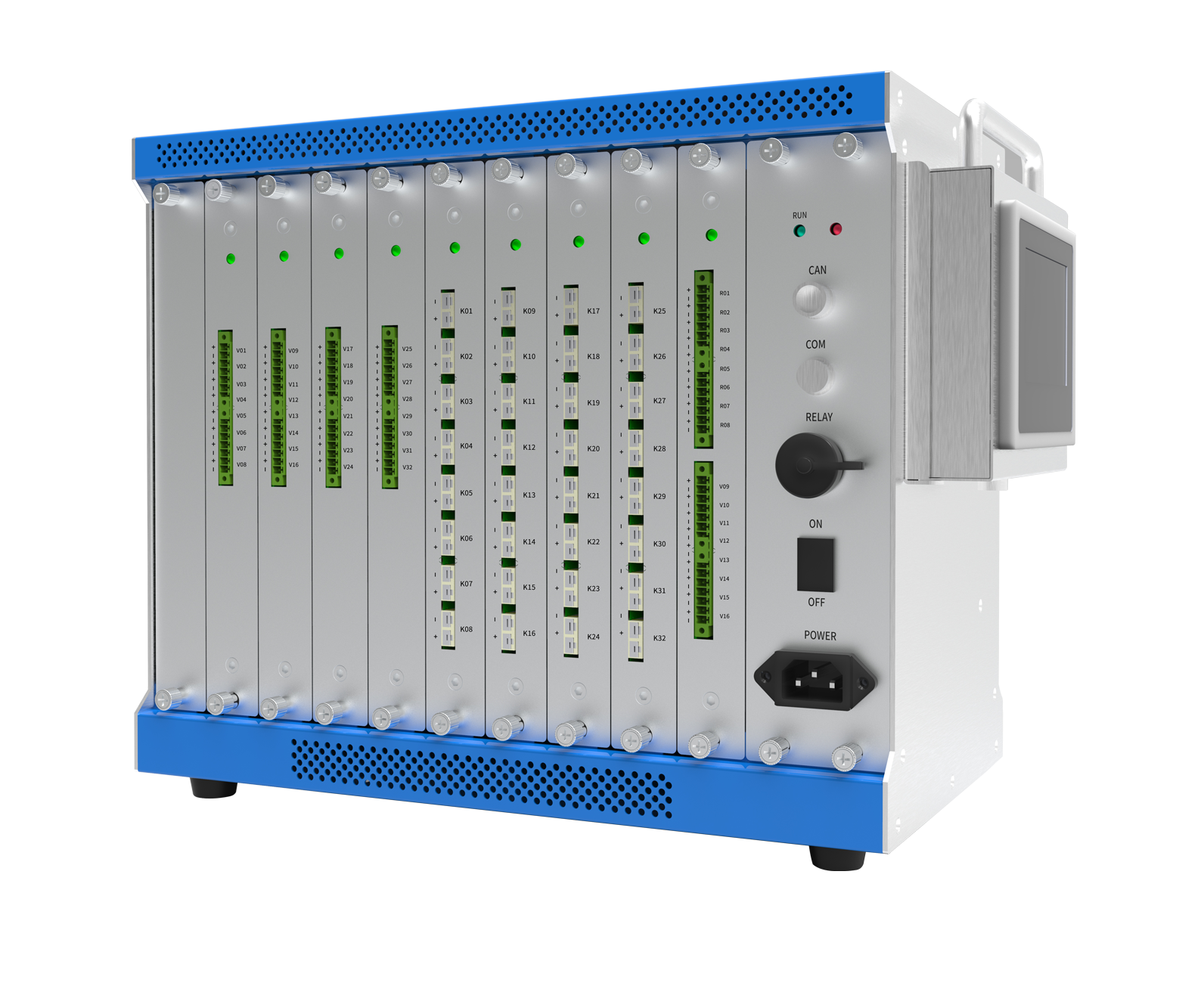
Optional Accessory - Auxiliary Sampling Module
Beijing Soaring Electric Technology Co., Ltd.
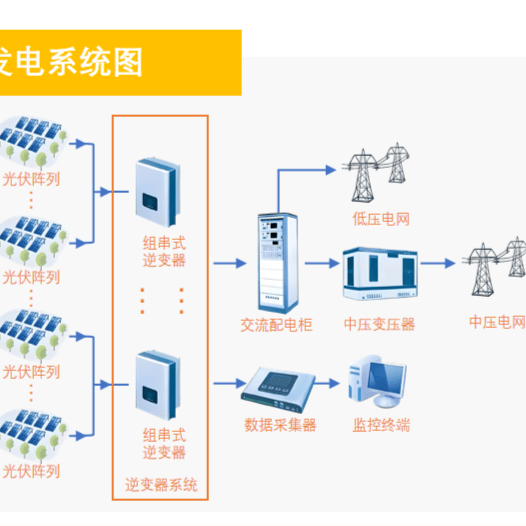
Photovoltaic and Wind Power Generation Technology
Beijing Boqi Electric Power SCI-TECH Co., Ltd.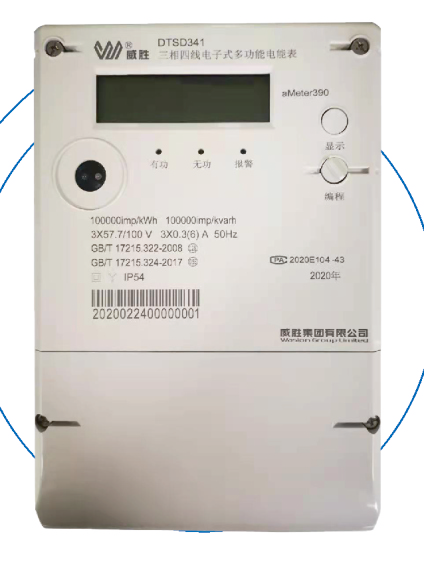
Overseas IEC Gateway Energy Meter - DTSD341/DSSD331-aMeter390
Wasion Group Limited Co., Ltd.
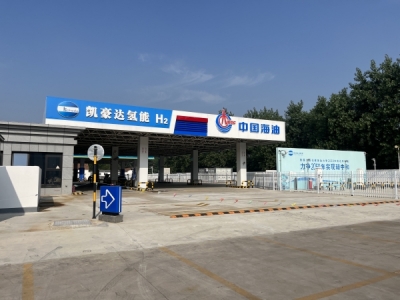
Hydrogen production and hydrogenation charging refueling gas integrated energy station
Shenzhen Kohodo Hydrogen Energy Co., Ltd.