Lakeshore Carbide Experts Detail How Tool Coatings Impact Machining Performance
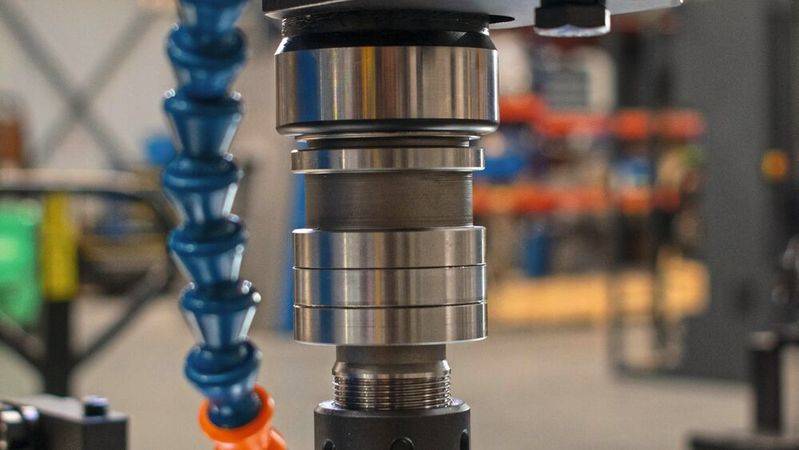
en.Wedoany.com Reported - Coating selection has a direct impact on the service life and machining quality of carbide cutting tools. Treating coating selection as an afterthought often leads to shortened tool life and surface roughness that exceeds expectations. An article published by HelloNation explains the mechanism by which carbide tool coatings protect tool durability under high-temperature and friction conditions, and features insights from tooling expert Carl Ciesla of Sanborn, New York.

Although carbide is hard and wear-resistant, it generates significant heat when cutting metal at high speeds. Coatings act as a barrier between the tool and the workpiece material, reducing friction at contact points, thereby lowering the heat accumulated during the cutting process and helping the tool maintain its cutting edge over longer production runs. The article notes that different coatings are designed for different machining needs, and a coating designed for cutting stainless steel may perform quite differently when applied to aluminum or cast iron. Matching the carbide coating to the workpiece material and cutting speed can make a measurable difference in tool life.
Some coatings primarily reduce friction and heat during high-speed cutting, while others are designed to resist chemical wear when machining difficult-to-machine alloys. Still others focus on helping tools resist wear from repeated contact by adding a thin layer. Coating thickness is also a key variable affecting performance: a coating that is too thin may wear away quickly under heavy-duty use, while one that is too thick can dull the cutting edge, affecting how cleanly the tool enters the material. Thickness and formulation together determine how a coating performs under specific cutting conditions.
Pairing the wrong coating with the wrong material produces noticeable consequences, including accelerated tool wear, poorer surface finish, or tool failure before the workpiece is completed, which slows production and adds costs through tool replacement and rework. The right coating also protects the cutting edge from chemical reactions at high temperatures. Certain materials, such as titanium, may react with some coatings during machining, and a coating that resists such reactions can keep the tool sharp for longer. Surface finish is another area where coatings make a visible difference, as a smoother cutting edge leaves a cleaner surface on finished parts.
Lakeshore Carbide Inc. operates a precision cutting tool business, and coating selection is part of everyday tooling decisions. The coating chemistries mentioned in the article for industrial cutting tools are also applied to a broader range of products, including automotive parts, collectibles, and consumer tools. The gold or bronze color on drill bits often comes from the same type of coating used in production environments to reduce friction and wear. The same properties that help cutting tools resist heat and chemical wear also help decorative and automotive surfaces resist scratches and everyday wear.
The article, titled "The Hidden Role of Coatings in Machining Performance," features insights from tooling expert Carl Ciesla of Sanborn, New York, and was published on HelloNation.
Related Products


Excavator Bucket Teeth Heat Treatment Production Line
Suzhou Hezhongju Intelligent Equipment Co., Ltd.
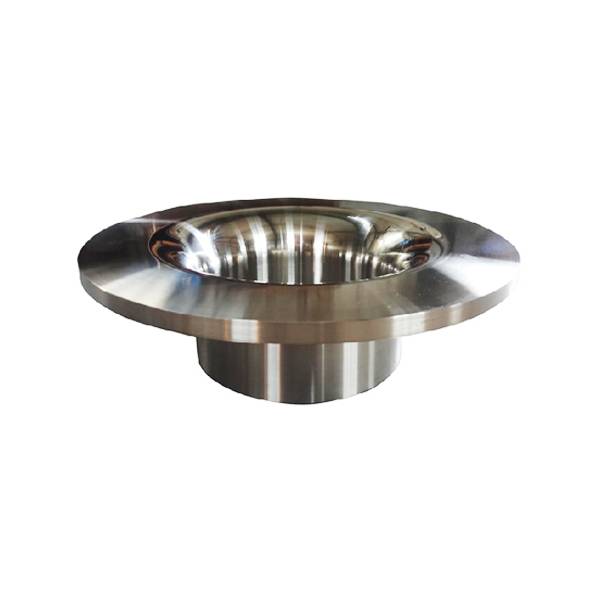
Standard Nozzle Flowmeter
Jinggong Automatic Control Instrument Complete Technology Development Company
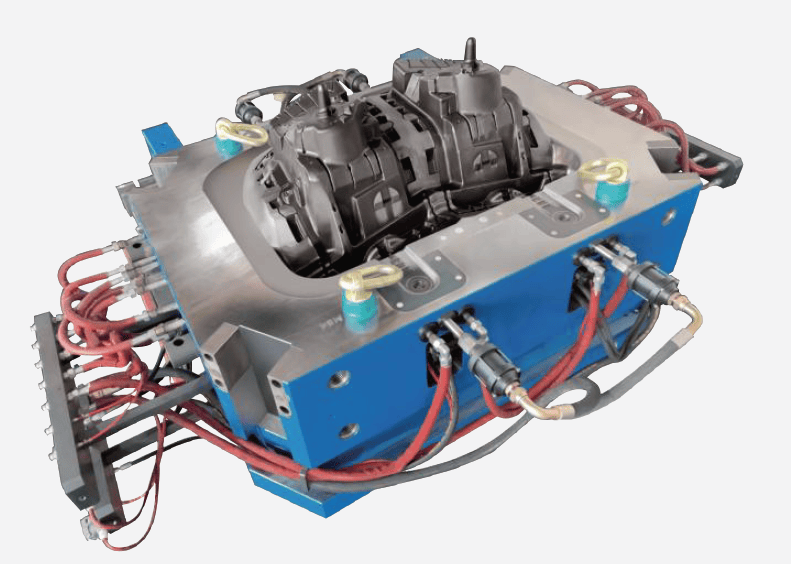
Aluminum-Magnesium Alloy High-Pressure Die-Casting Molds
NINGBO HELI TECHNOLOGY CO., LTD.
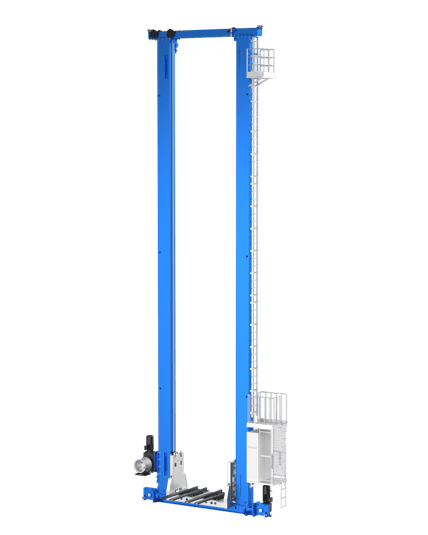
Pallet Solutions Product Line: HD3000 Double-Column Stacker Crane
Zhongding Intelligent (Wuxi) Technology Co., Ltd.
Industrial and Commercial Point-Type Gas Detector
Jinan Benan Technology Development Co., Ltd.