Peru's Quilla Advances Chapi Copper Mine Expansion, Monthly Output Reaches 400 Tons
en.Wedoany.com Reported - Víctor Gobitz, CEO and President of Quilla Resources, stated after the Peruvian Institute of Mining Engineers (IIMP) business breakfast that the company is advancing the capacity ramp-up and new-phase growth strategy for the Chapi copper mine, including increasing output to maximum installed capacity, developing new resources, and preparing for an expansion project that could begin construction by the end of 2029.

Since the Chapi mine resumed operations in February this year, cathode copper production has increased month by month. Gobitz noted that the first month of restart in February produced 62 tons of cathode copper, and monthly output has now reached 400 tons, potentially exceeding 500 tons in August. The company's goal is to reach the rated capacity of approximately 900 tons per month by the end of this year, with product purity of 99.999%, exported to South Korea via the Matarani port.
The Chapi deposit is associated with the regional Incapuquio fault zone, which hosts one of Peru's most important copper mining districts. Quilla is currently conducting a drilling program exceeding 30,000 linear meters, focusing on the upper supergene enrichment zone of leachable copper to extend the mine's service life. Gobitz indicated that exploration in areas such as Cuprita, Atahualpa, Pampa Negra, and Candelaria shows a mineralized corridor exceeding four kilometers in length and one kilometer in width. The data obtained will be used to optimize future expansion design and strengthen the project's mineral resource base. He said the company is confident in building a business case with a cathode copper production cycle exceeding ten years.
Under the growth roadmap, Quilla is preparing to modify environmental documents, planned for submission in 2027, to enable a brownfield expansion based on the existing mine operating area, achieving an annual cathode copper production capacity of 30,000 tons. Gobitz pointed out that this design can leverage existing infrastructure and minimize additional environmental impact, helping streamline the government's evaluation process. If the timeline proceeds smoothly, the company expects to obtain environmental permits in 2028, secure construction permits in 2029, and commence construction by the end of that year. "This could become a very important fast-track project for the growth of Peru's copper production," he said.
Gobitz concluded that the main challenge currently lies in completing solid engineering design while accelerating administrative approval processes without compromising the project's high environmental standards.
Related Products

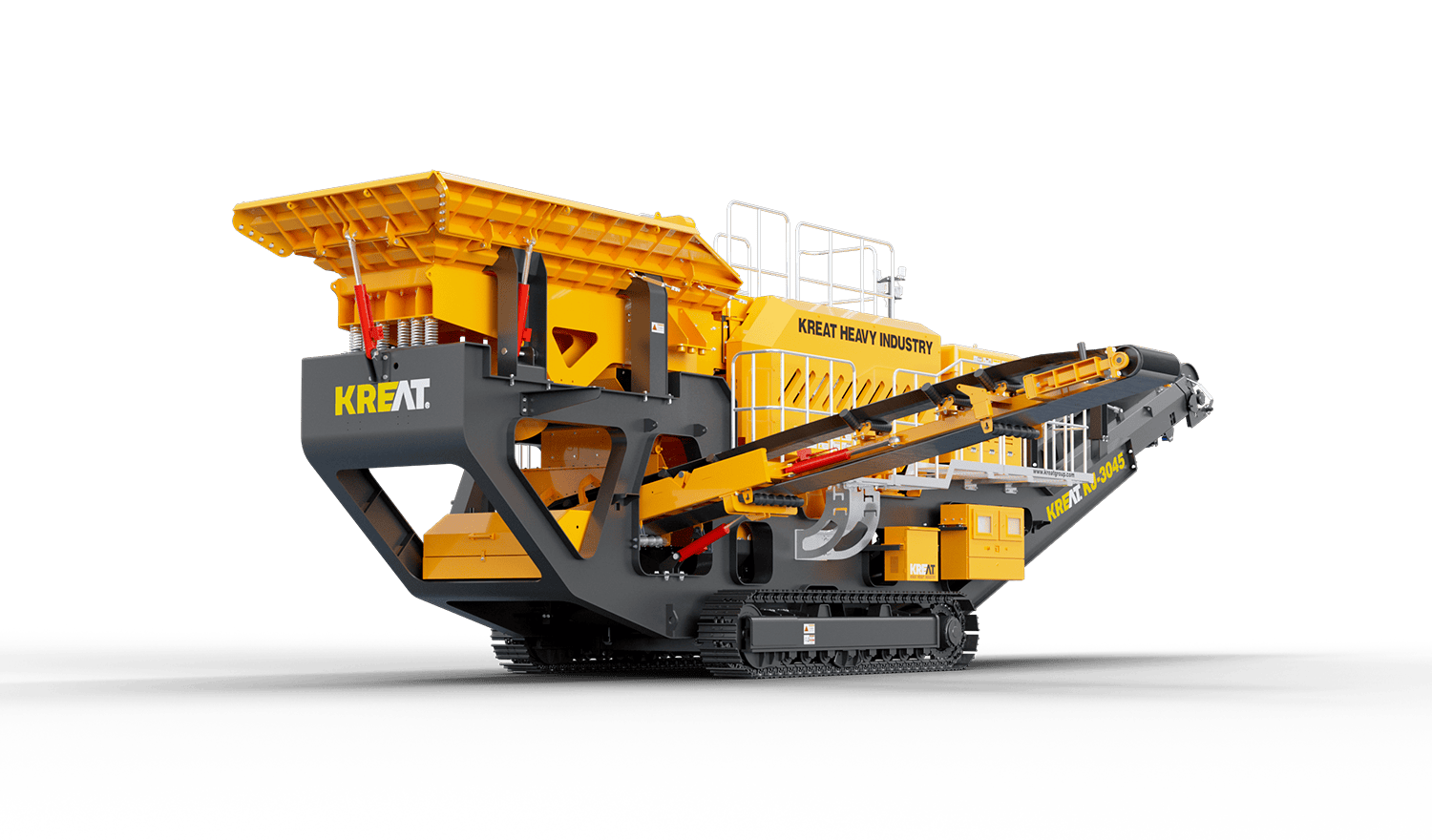
KJ-3045 Crawler Mobile Jaw Crushing Station
Yunnan Kairuite Construction Machinery Equipment Co., Ltd.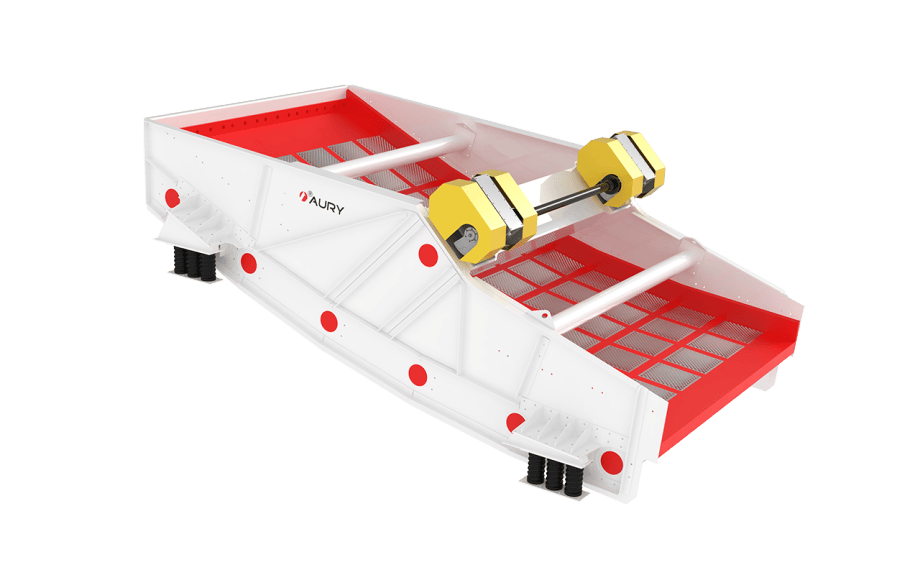
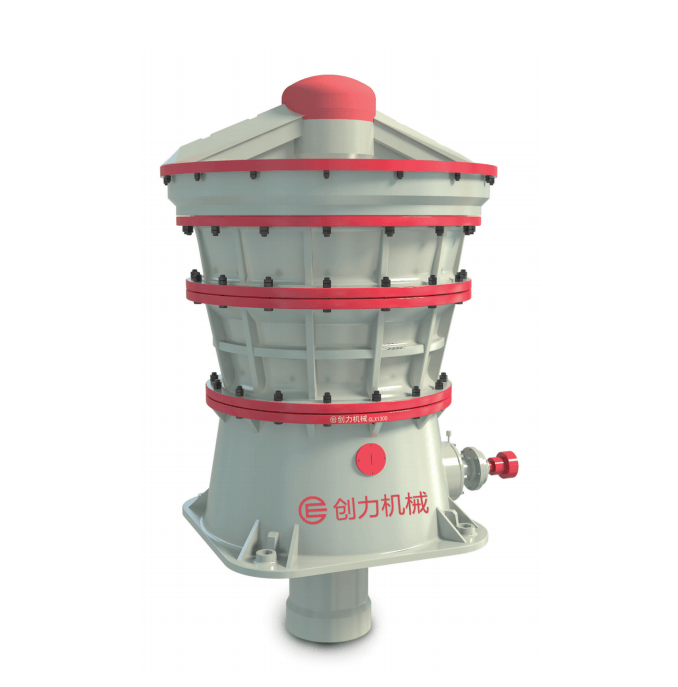
CLX Series Intelligent Hydraulic Gyratory Crusher
Guangdong CHUANGLI intelligent machinery Equipment Co., LTD

Mine Explosion-proof and Intrinsically Safe Industrial Ethernet Ring Network (10 Gigabit/Gigabit)
Chongqing Mas Sci&Tech Co., Ltd.
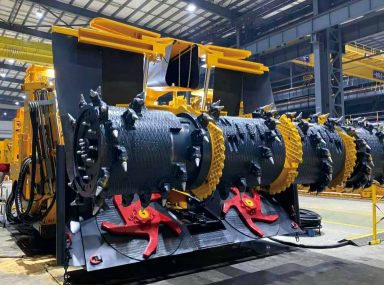
Integrated Excavation and Anchoring Machine (EJM Series)
China Railway Construction Heavy Industry Corporation Limited
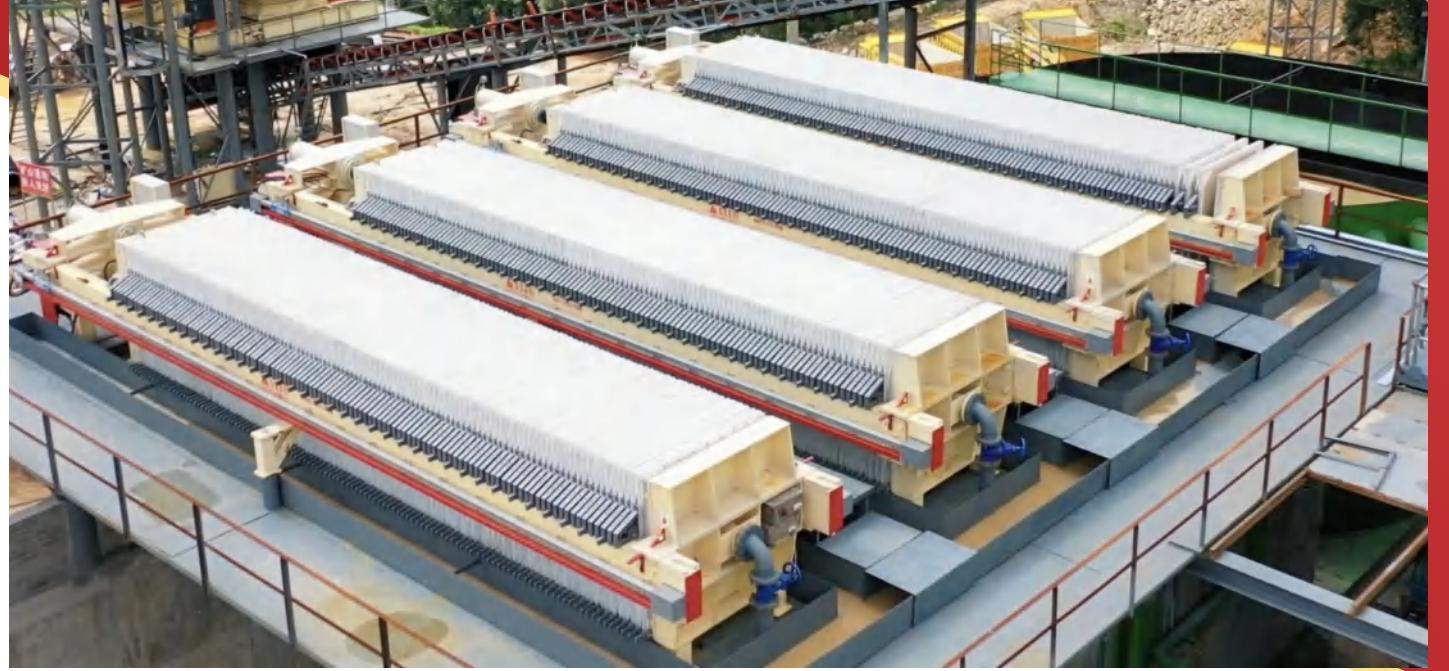
Hydraulic Plate and Frame Filter Press
Guangdong Leimeng Intelligent Equipment Group Co., Ltd.