Kazakhstan Plans to Produce 190,000 Vehicles in 2026, Accelerating Full-Industry-Chain Localization
en.Wedoany.com Reported - The Kazakh government recently held a meeting to discuss the latest amendments to laws in the machinery manufacturing and transportation sectors. Prime Minister Oljas Bektenov stated at the meeting that the legal amendments aim to enhance the competitiveness of local manufacturers, improve production processes, and promote the machinery manufacturing industry as a key driver of economic diversification.
According to data from Kazakhstan's Ministry of Industry and Construction, the country's automotive industry has attracted a cumulative investment of 457 billion tenge over the past five years. In 2025, Kazakhstan produced a total of 171,000 vehicles, with plans to increase output to 190,000 vehicles in 2026.
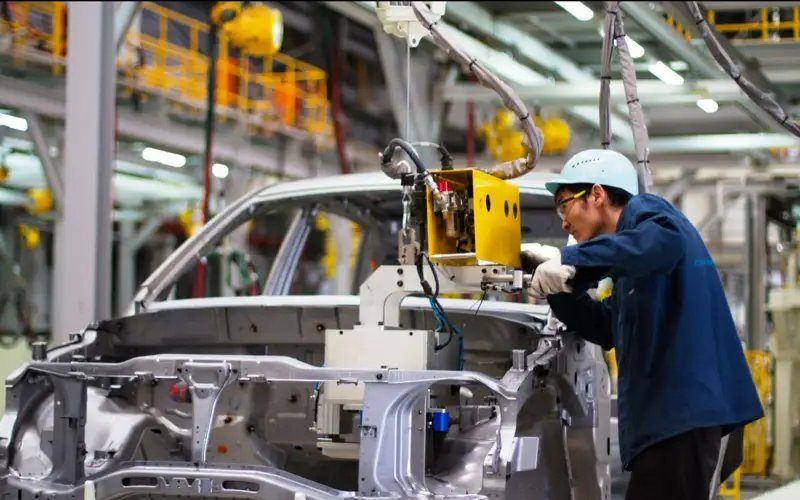
Political commentator Khazize Abishev stated on the TALDAU program of Kazakhstan's national television channel that the current focus of the automotive industry's development is not only on expanding complete vehicle output, but also on gradually establishing a complete local industrial chain.
Abishev said that Kazakhstan possesses iron ore resources, metallurgical enterprises, an industrial logistics system, and a labor force. Combining these advantages with complete vehicle manufacturing will help increase product added value and create more value for the national economy.
At present, Kazakhstan already has the production capacity for automotive components such as batteries, tires, and aluminum alloy wheels. In the future, a localization production center will also be built in Kostanay to produce a wider variety of components for domestic automobile manufacturers.
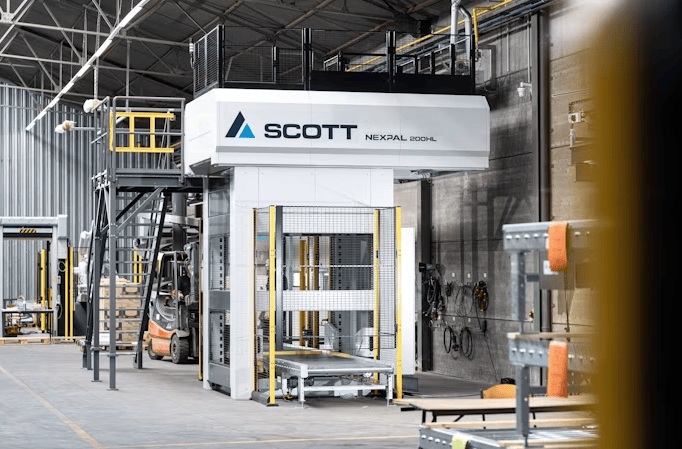
Meanwhile, Kazakhstan is advancing the manufacturing of domestically produced steel body components. The country's first 1,600-ton hydraulic stamping press has been commissioned in the city of Saran, using steel supplied by the domestic steel company Qarmet, further enhancing the level of localization in automobile manufacturing.
Abishev believes that even if domestically produced components cost slightly more than imported products, pushing up vehicle prices in the short term, it is still worthwhile in the long run, as more funds will remain within the country, driving the development of upstream and downstream industries while reducing the impact of international trade, logistics, and financial risks.
He pointed out that the automobile manufacturing industry is one of the most practically viable directions for Kazakhstan to develop high-value-added manufacturing. In the future, the localization rate should be continuously increased, with more local supporting enterprises attracted to participate in the construction of the industrial chain, forming a complete automotive industry ecosystem.
Abishev stated that international experience shows that as long as long-term industrial policies are upheld, emerging automobile manufacturing countries can also secure a place in the global automotive market. He believes that following the successive rise of the automotive industries in Germany, Japan, South Korea, and China, Kazakhstan also has the potential to cultivate competitive local brands in the global automotive industry by persistently advancing industrial localization.
Related Products
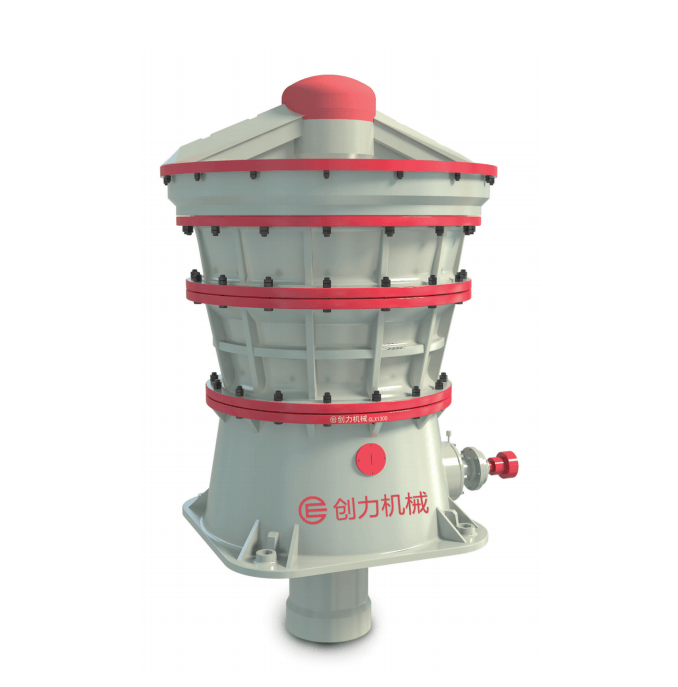

CLX Series Intelligent Hydraulic Gyratory Crusher
Guangdong CHUANGLI intelligent machinery Equipment Co., LTD
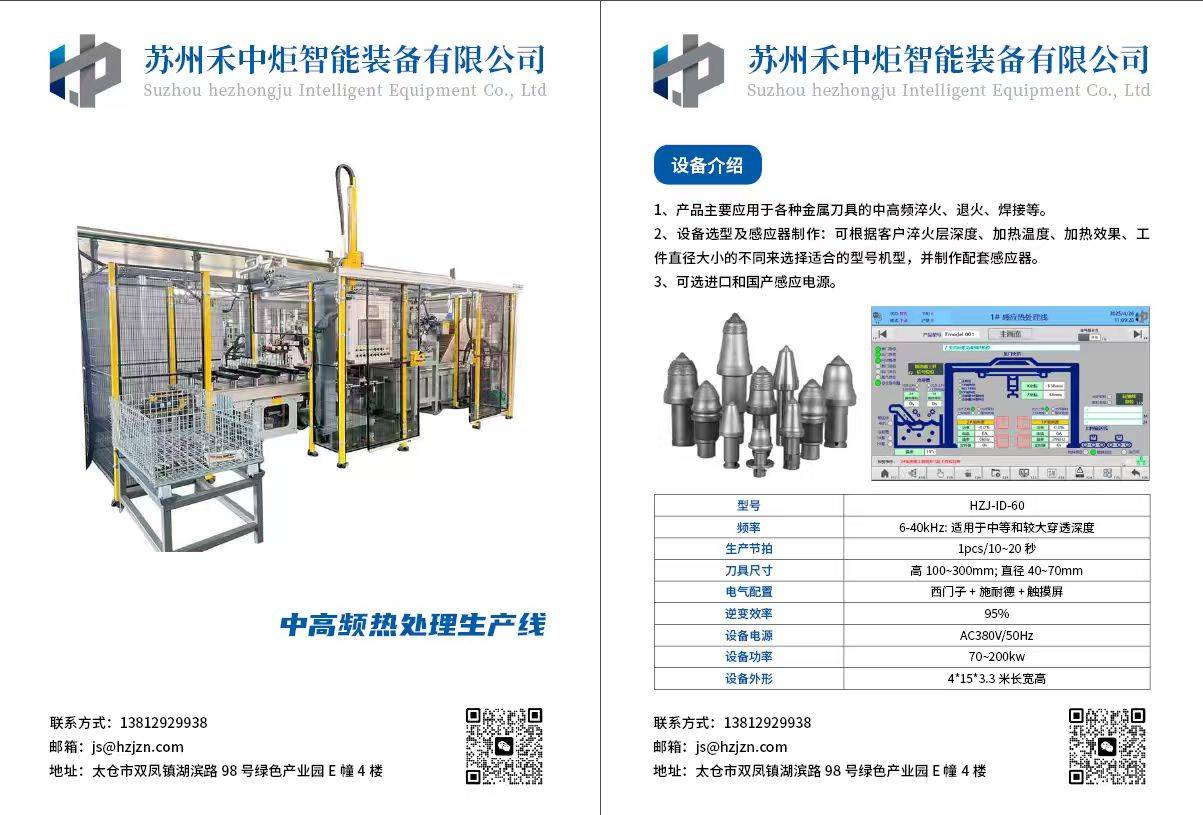
Excavator Bucket Teeth Heat Treatment Production Line
Suzhou Hezhongju Intelligent Equipment Co., Ltd.
CAP1400 main feedwater flow nozzle flowmeter.
Jiangsu Hongda Instrument Technology Co., LTD.
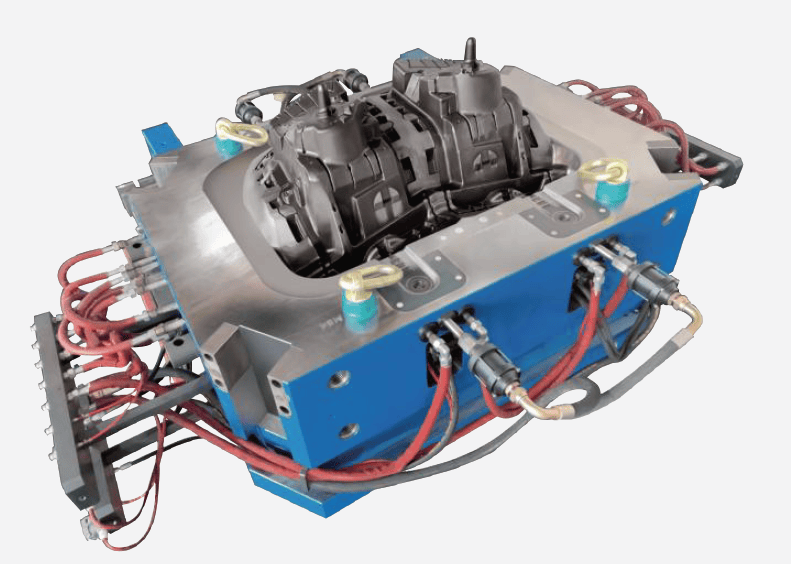
Aluminum-Magnesium Alloy High-Pressure Die-Casting Molds
NINGBO HELI TECHNOLOGY CO., LTD.