Hong Kong research shows radiative cooling coating can lower building surface temperatures by nearly 9 degrees Celsius
en.Wedoany.com Reported - A multi-year study in Hong Kong has shown that applying radiative cooling coatings to building roofs and exterior walls can lower surface temperatures by nearly 9 degrees Celsius, reducing heat buildup during hot periods and thereby decreasing air conditioning demand. As Europe currently experiences a summer marked by extreme heat and repeated scorching temperatures, with many countries seeing increased air conditioning usage, several research teams are exploring ways to limit building heat gain before resorting to air conditioning.
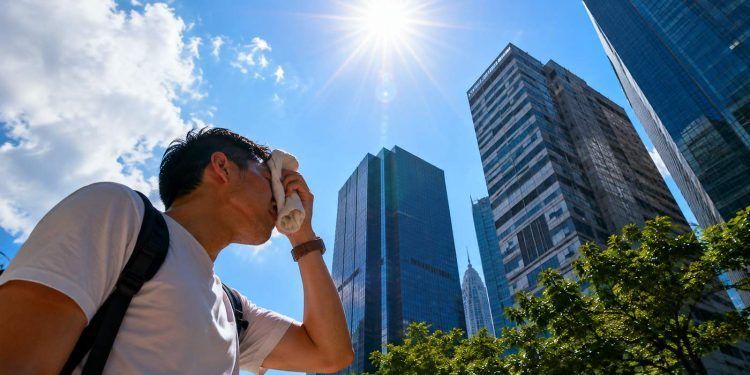
Radiative cooling does not generate cold air like air conditioning does. According to the Hong Kong Observatory, when a surface dissipates heat to the sky through infrared radiation, especially under favorable atmospheric conditions such as clear skies, the object's temperature naturally drops. The research team thus designed specialized coatings that reflect most solar energy while promoting heat dissipation from the surface via infrared radiation, reducing the thermal energy retained by building structures.
The approach focuses on roofs and exterior walls—the building components that absorb the most heat during the day. Tests conducted by the researchers show that such coatings can achieve temperature reductions of nearly 9 degrees Celsius on specific surfaces, thereby limiting building heat gain and reducing air conditioning demand during the hottest hours of the day.
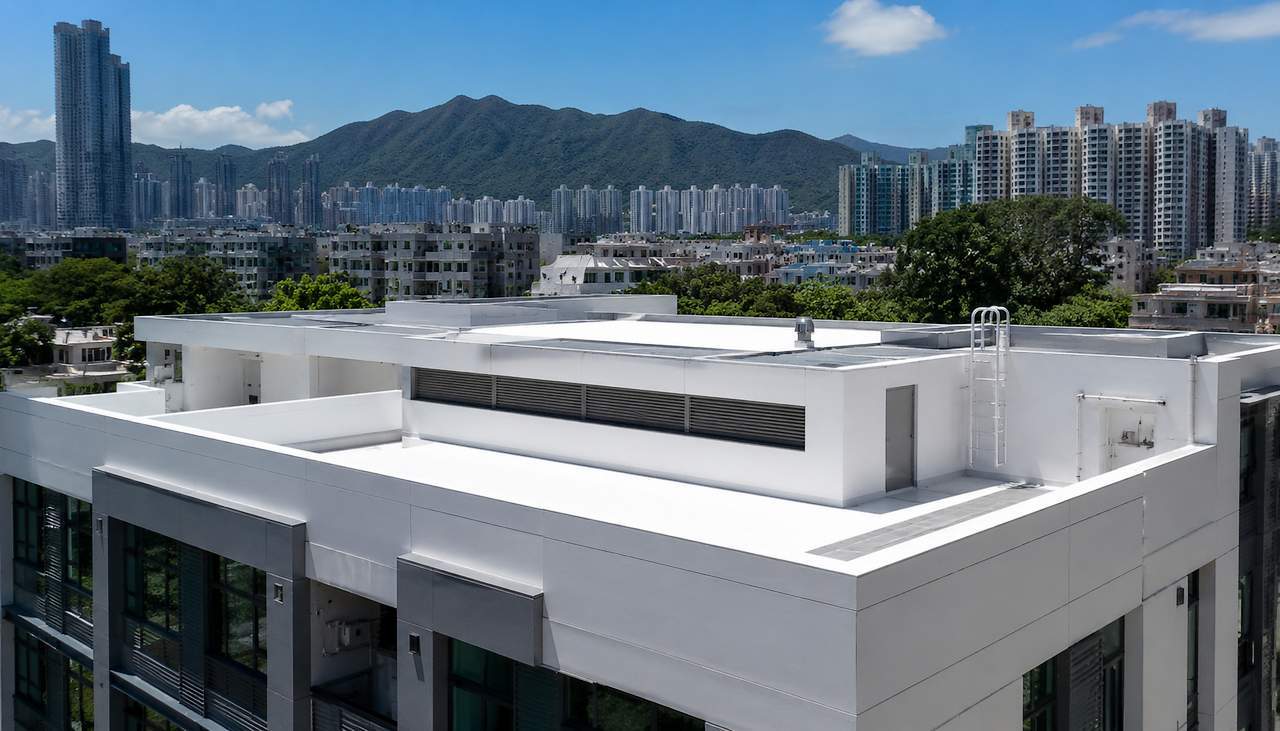
The project leader emphasized that this technology is still in the research phase. Although some buildings have installed experimental applications, it has not yet been envisioned as a commercial option to replace traditional air conditioning systems. Its working principle differs from that of air conditioning units: rather than cooling indoor air through electricity consumption, it prevents building structures from accumulating excessive heat in the first place, thereby reducing the thermal load borne by residences or buildings.
This method is particularly effective for roofs and exterior walls that are exposed to prolonged solar radiation. The less heat stored by building components, the lower the temperature ultimately transferred to the building's interior.
The project also includes a second research track related to rainwater utilization. Scientists are studying a mechanism that uses an energy conversion system to transform the movement of raindrops on surfaces into a small amount of electrical energy. The power generated is far from sufficient to replace other renewable energy sources; the goal is to verify whether the same roof can serve two functions: reducing building heat gain and providing a minor energy contribution when it rains.
Experts caution that this technology is not intended to immediately replace air conditioning, especially in regions where temperatures can reach extremely high levels. Its purpose is to reduce heat accumulation from external sources, helping buildings absorb less heat during the hottest months of the year.
Related Products


CAP1400 main feedwater flow nozzle flowmeter.
Jiangsu Hongda Instrument Technology Co., LTD.

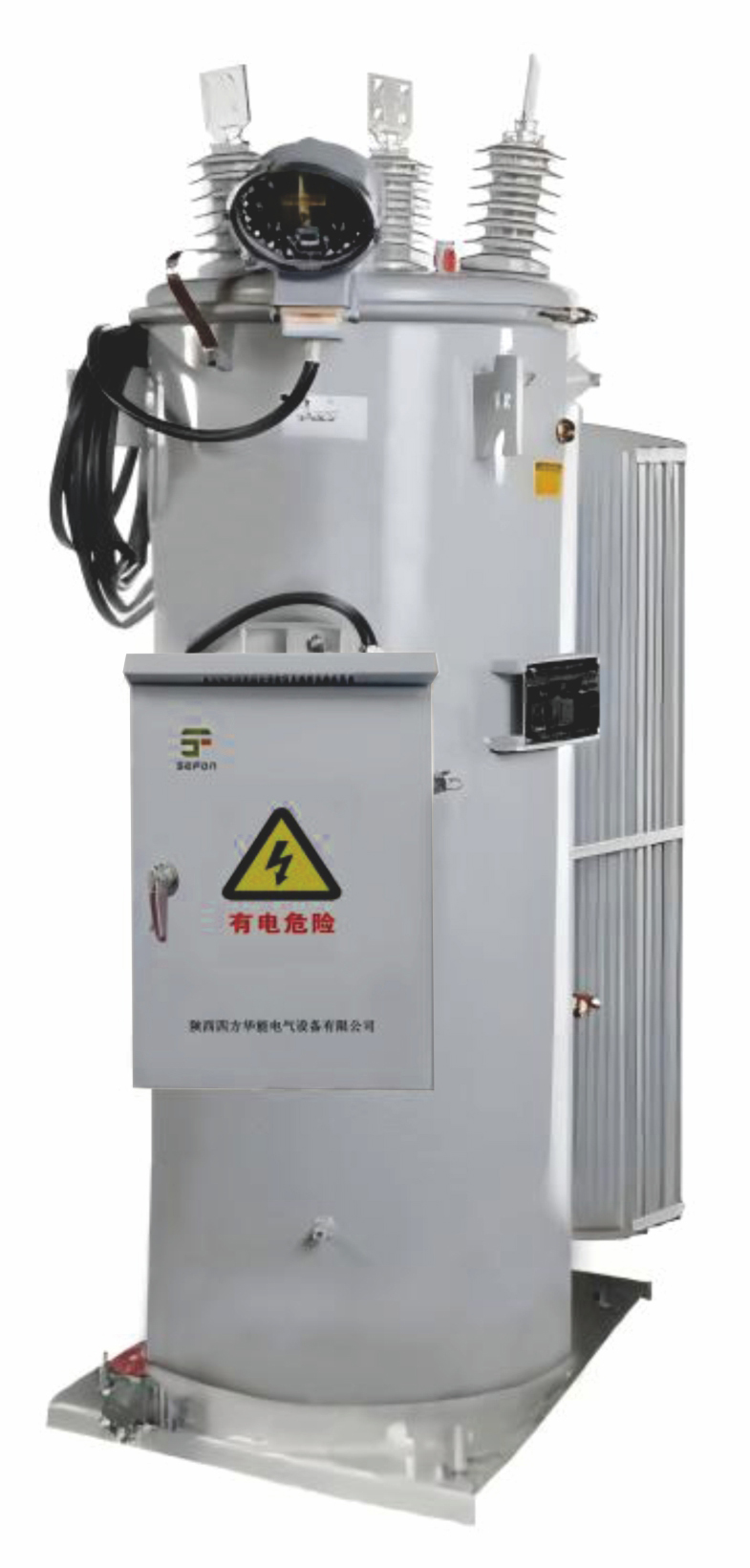
Single-Phase Automatic Voltage Regulator(AVR)
Shaanxi Sefon Electrical Equipment Co.,Ltd.
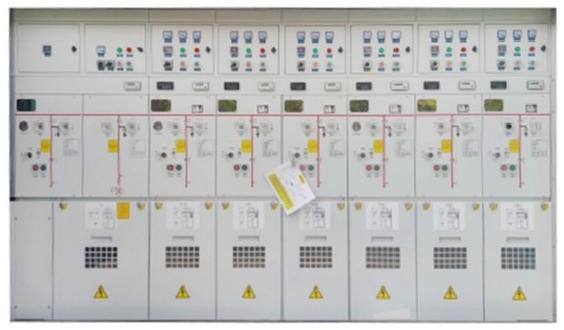
NISELA Series Environmentally Friendly Gas-Insulated Ring Main Unit
XJ DELISHIER ELECTRIC CO., LTD.