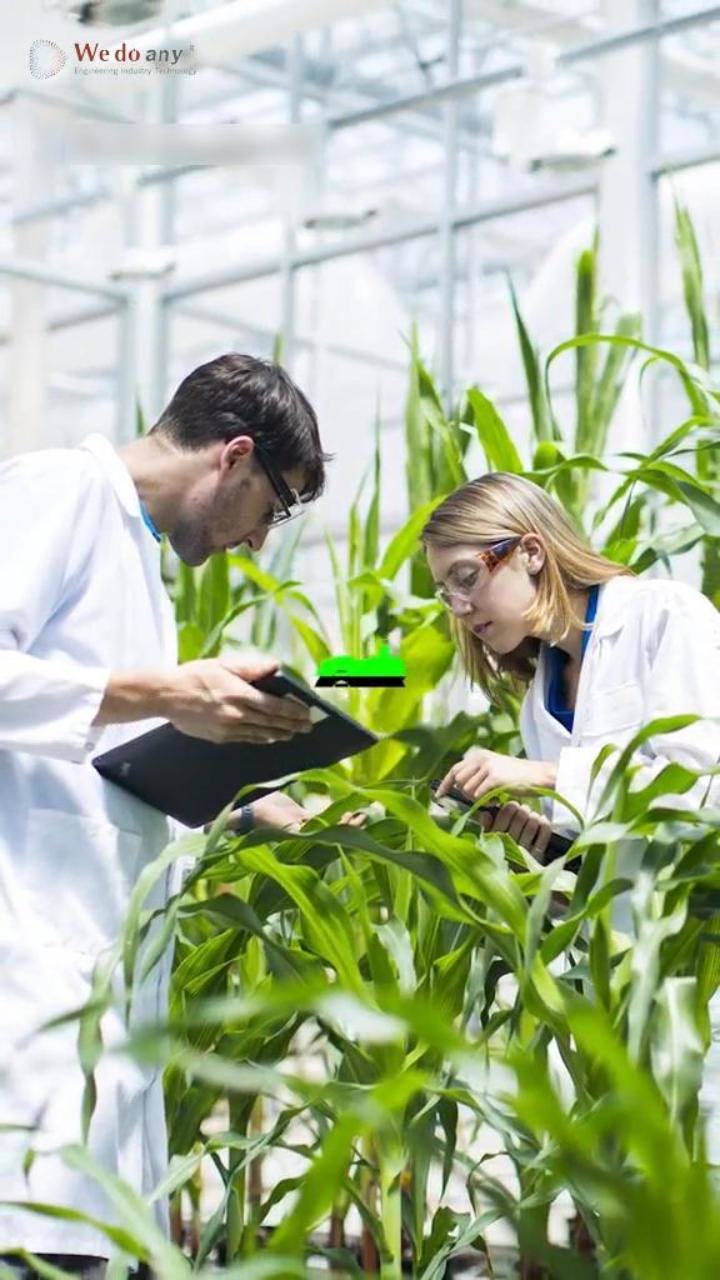
U.S. Agronomist Proposes Calibrating 2027 Corn Planting Density to 97% Light Interception Rate
en.Wedoany.com Reported - Jared Bergan is a field agronomist at Crop-Tech Consulting, providing agronomic guidance for corn production in Iowa year-round. He proposes that planting density should be determined primarily by a hybrid's canopy light-capture capability, using interception of approximately 97% of available sunlight as a practical benchmark. This standard is known as the "97% rule": once a hybrid's canopy reaches this light interception rate, further increases in density no longer boost yield and only add to planting risk.
Traditionally, growers adjust density based mainly on yield goals, soil productivity, and seed dealer recommendations. Bergan believes these factors remain important, but a hybrid's efficiency in capturing sunlight often determines where the optimal density point lies. Reaching a 97% light interception rate means the crop is making optimal use of sunlight; beyond this level, additional plants contribute more competition than productivity.
The light-capture characteristics of different hybrids are primarily determined by plant height and leaf orientation. Hybrids with broad, drooping leaves extend further into the row middles, close the canopy faster, and typically achieve maximum light interception at lower densities; hybrids with upright leaf architecture allow sunlight to penetrate deeper into the canopy and can often tolerate or even benefit from higher densities. Bergan emphasizes that neither architecture is inherently superior—they simply respond differently to planting density.
In practical testing, some hybrids reach optimal canopy efficiency at approximately 28,000 plants per acre, while others do not hit their sweet spot until around 35,000 plants per acre. Ideal density is also influenced by soil productivity, water availability, fertility, and stress tolerance. Light-textured soils with limited water-holding capacity generally suit lower densities, while fertile soils with better moisture and nutrient conditions can support higher densities, especially during the grain-fill period—the final 60 days before black layer formation.
Once planting density exceeds the optimal point, competition among plants for sunlight, water, and nutrients intensifies, leading to elongated internodes, reduced stalk diameter, and higher ear placement. Bergan notes that these changes create a "weak knee" risk, increasing the likelihood of late-season lodging and the potential for green snap during stormy weather. Such reductions in standability often do not fully manifest until late in the growing season or at harvest.
Growers can estimate in-field light interception using a shadow test: walk between corn rows at solar noon on a sunny day (approximately 12:00 p.m. to 1:00 p.m.) and observe the amount of shadow on the ground between rows. When light interception is between 95% and 97%, very little sunlight reaches the ground, indicating an ideal density range; below 90% suggests density is too low, leaving unrealized yield potential; above 97% may indicate density is too high, increasing stalk quality issues and lodging risk with no yield benefit. This test is suitable for fields with a well-developed canopy (from approximately the V12 stage onward) that have not experienced drought or waterlogging during the season.
Bergan says light interception observations from this summer can be used to guide hybrid selection, planting density decisions, and field layout for 2027.
Related Products
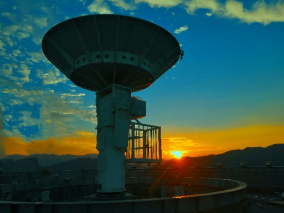

714CD Series C-Band Weather Radar
Chengdu Zhongdian Jinjiang Information Industry Co., Ltd.
Industrial and Commercial Point-Type Gas Detector
Jinan Benan Technology Development Co., Ltd.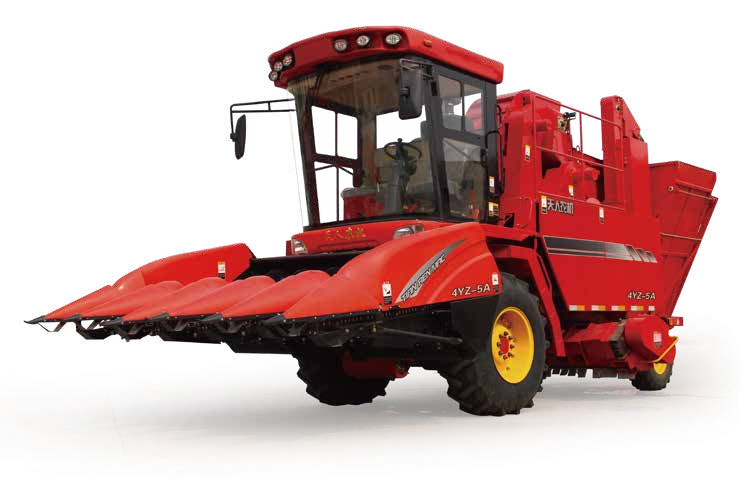
4HS-8 High-efficiency Peanut Inverted-laying Harvester
Hebei Yongfa Hongtian Agricultural Machinery Manufacturing Co., Ltd.