Hyundai and Kia Open First Dedicated Additive Manufacturing Facility
en.Wedoany.com Reported - Hyundai Motor and Kia have launched the Additive Manufacturing Solution Center (AMSC) inside the Advanced Mobility Solutions building at the Namyang Research and Development Center in South Korea, marking the group's first new facility dedicated to additive manufacturing research and production. The Hyundai Motor Group introduced its first industrial 3D printer in 1996, nearly three decades ago.
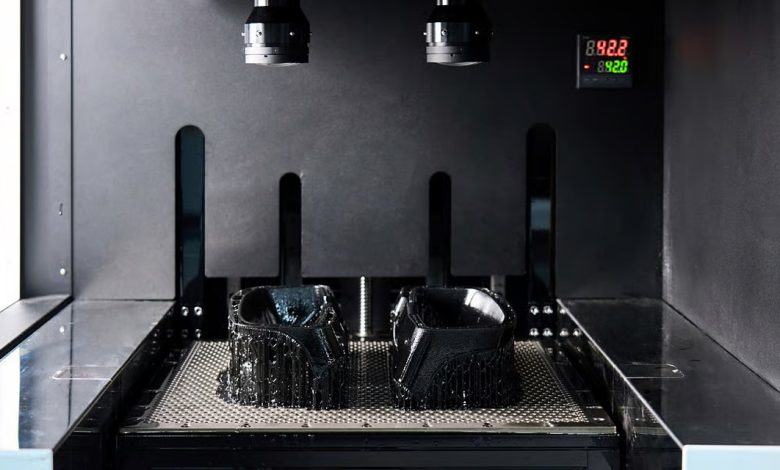
The AMSC integrates multiple additive manufacturing technologies suited to different materials, geometries, and performance requirements, enabling components to be converted directly from digital designs into manufactured parts, reducing tooling needs while increasing material flexibility.
For polymer components, the center operates vat photopolymerization processes equipped with digital light processing and stereolithography apparatus, and runs polymer powder bed fusion systems. For metal components, the AMSC employs metal powder bed fusion and directed energy deposition technologies, with the wire-arc variant capable of processing steel, stainless steel, aluminum, and titanium, primarily targeting large structural components that are difficult to produce individually through conventional methods.
The center has also built design for additive manufacturing (DfAM) capabilities, enabling engineers to consolidate parts and apply lattice structures to reduce component weight. Every part must pass through the AMSC Quality Inspection Cell before shipment, undergoing dimensional measurement, tensile strength, flexural rigidity, and impact resistance testing, verified against production-equivalent standards, along with internal material validation and metallurgical analysis.
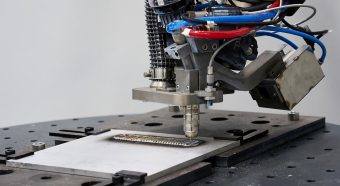
AMSC applications cover vehicle development prototypes, manufacturing tooling and fixtures, and service parts needed for discontinued vehicles or emergency replacements. Heritage restoration is also a use case, with the center replicating Hyundai Pony side skirt components through 3D scanning, reverse engineering, and additive manufacturing. For racing components, anti-roll bar blades, damper brackets, and brake duct guides have been produced here. Additionally, the center has showcased an electric motor housing manufactured via wire-arc deposition and finished with CNC machining.
Hanwoo On, senior manager of the Additive Manufacturing Solution Team at Hyundai Motor Company, stated: "We are rapidly internalizing additive manufacturing technology through a growing number of applications across the group. Beyond vehicle components, we are expanding it to high-value applications such as equipment consumables and manufacturing tools."
Related Products

Pallet Solutions Product Line: HD3000 Double-Column Stacker Crane
Zhongding Intelligent (Wuxi) Technology Co., Ltd.
LBH4000 Batch Environmental Protection Asphalt Mixing Plant | Asphalt Batching Plant | Asphalt Mixing Plant
Jilin Province Road Construction Machinery Co., Ltd.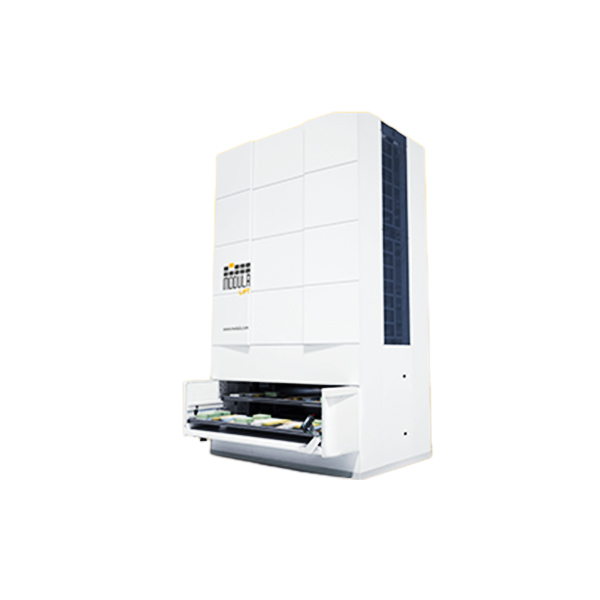
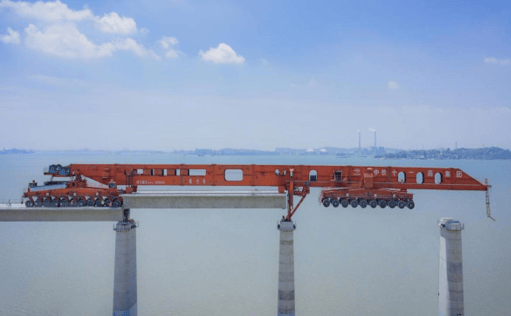
High-Speed Railway Lifting, Transporting, and Erecting Equipment: Integrated Transport and Erection Machine
Hanjiang Heavy Industry Co., Ltd. of China Railway 11th Bureau Group
Standard Nozzle Flowmeter
Jinggong Automatic Control Instrument Complete Technology Development Company
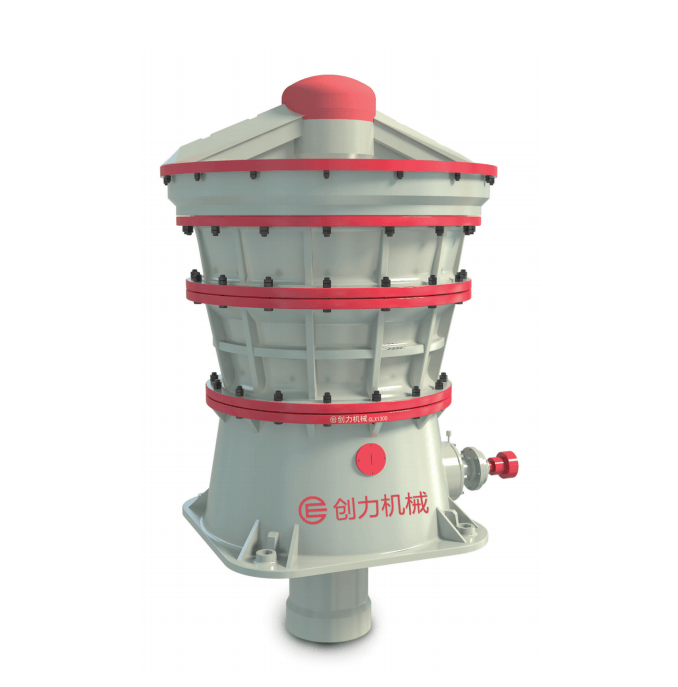
CLX Series Intelligent Hydraulic Gyratory Crusher
Guangdong CHUANGLI intelligent machinery Equipment Co., LTD