University of Arkansas Achieves Binder-Free 3D Printing of Lunar Regolith Simulant
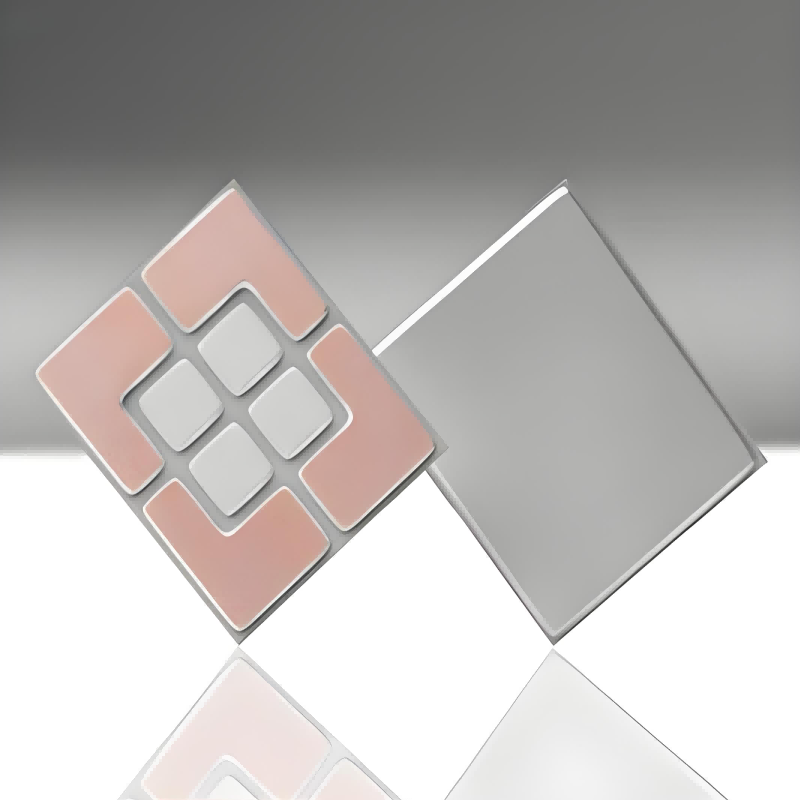
en.Wedoany.com Reported - On November 10, a research team at the University of Arkansas in the United States announced research results on binder-free additive manufacturing of lunar regolith simulant, using laser powder bed fusion technology to directly sinter simulated lunar regolith into modular building bricks that can be interlocked with one another. This technology requires no additional binder; the resulting cross-shaped and letter-H-shaped components can fit together to form larger structures. The related research was published on August 29, 2026, in the journal NPJ Advanced Manufacturing. The researchers proposed that this process could be used to explore in-situ manufacturing solutions for future lunar base building components.
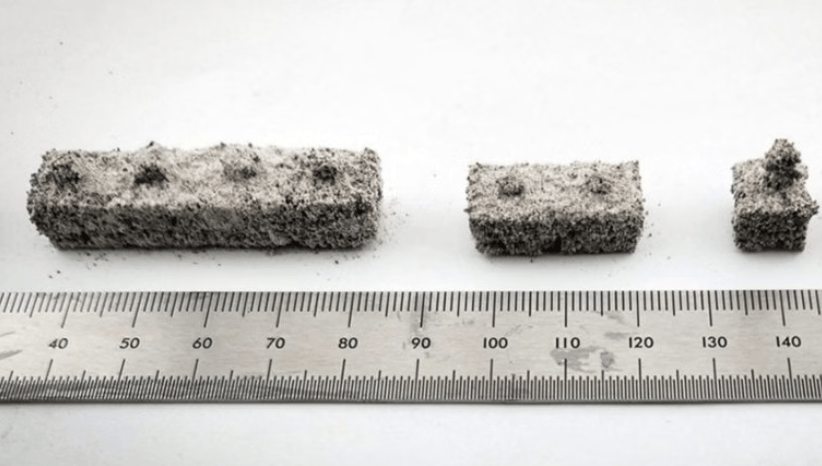
The experiments used lunar highland regolith simulant LHS-1, a commercial material formulated to match the characteristics of lunar samples collected during the Apollo program, designed to simulate the composition and properties of loose mineral particles on the lunar surface. Unlike Earth soil, lunar regolith contains no organic matter and consists primarily of sharp mineral particles formed by long-term impacts from asteroids, micrometeorites, and other space materials. Because there is no natural cementation between particles, conventional powder forming processes typically require the addition of a binder, and transporting binder from Earth to the Moon increases payload and mission costs.
The research team employed a laser powder bed fusion process, spreading fine regolith simulant powder evenly across a powder bed and using laser irradiation to locally heat the particles and induce sintering, forming a continuous consolidated layer. After completing one layer, the equipment lowers the powder bed platform, spreads a new layer of powder, and repeats the sintering process, building up a three-dimensional component layer by layer. Unlike approaches that rely on an external binder to bond particles, this method directly utilizes sintering bonds between the regolith simulant particles themselves to form structures.
The researchers fabricated cross-shaped and H-shaped bricks several centimeters in width; the two structures can be interconnected through geometric interlocking without the need for additional mortar or other joining materials. The study also tested the compressive strength and porosity of sintered cubic samples, with the highest measured compressive strength at approximately 3.4 MPa. It should be noted that this strength data comes from sintered cubic test samples and does not represent the verified load-bearing capacity of a complete building structure.
Currently, components formed by direct sintering still face issues such as relatively high porosity and mechanical strength lower than that of printed materials with added binders. The research team believes that the existing samples can maintain a self-supporting form, but this cannot yet be taken as evidence that they are capable of bearing the primary structural loads of a building. Subsequent research is still needed to verify the processing stability of this process under vacuum and microgravity conditions, and to optimize material density, mechanical strength, and sintering parameters.
Related Products

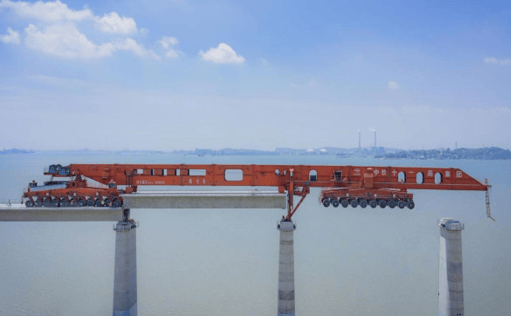
High-Speed Railway Lifting, Transporting, and Erecting Equipment: Integrated Transport and Erection Machine
Hanjiang Heavy Industry Co., Ltd. of China Railway 11th Bureau Group
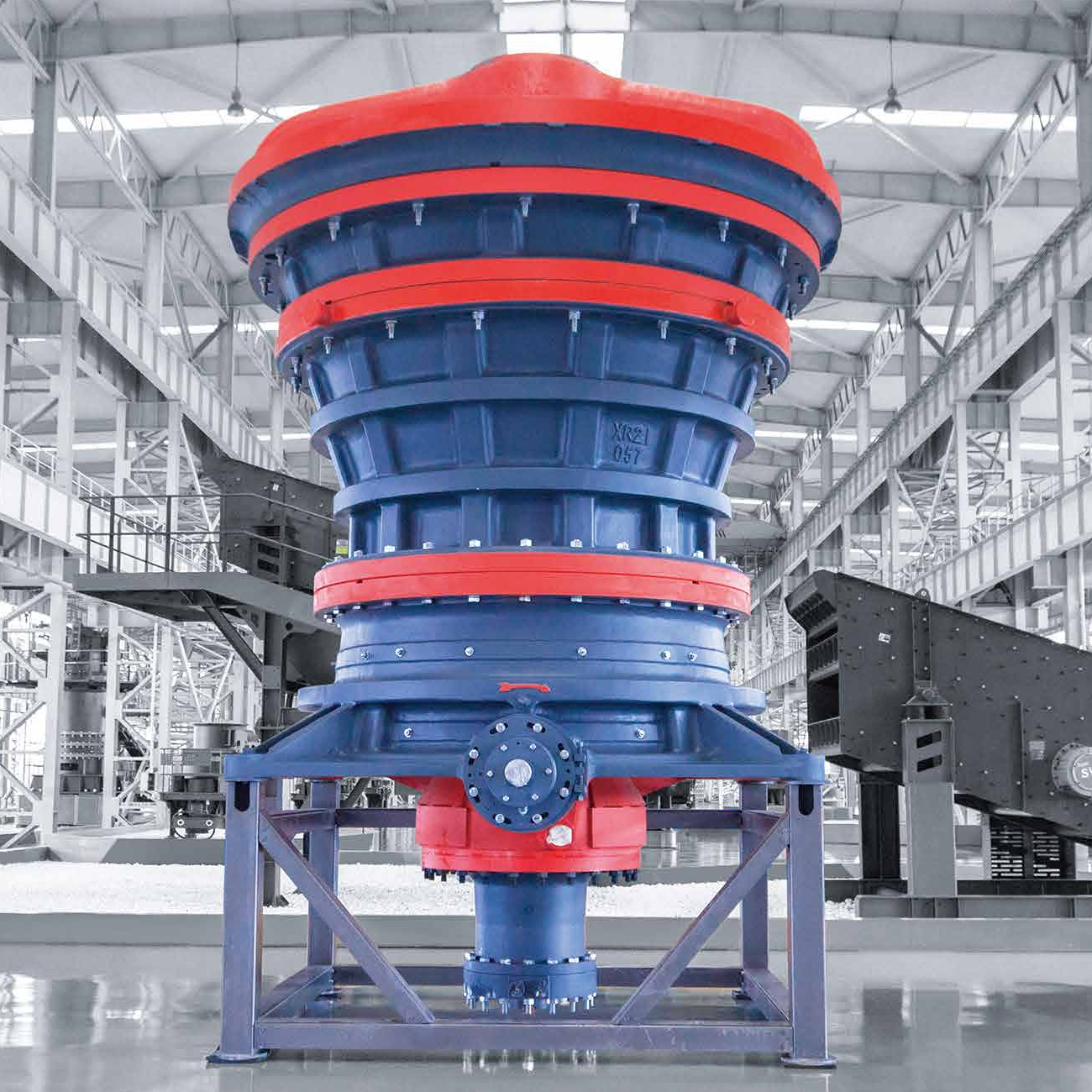
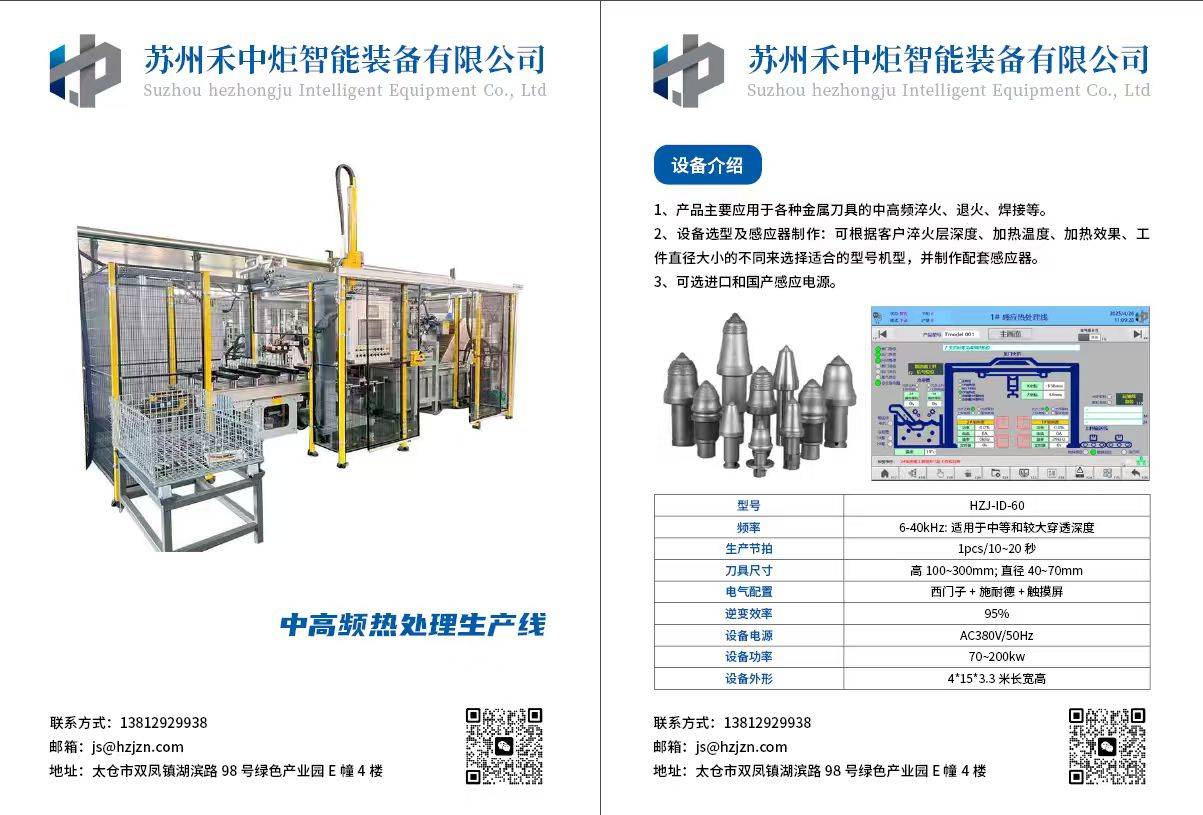
Excavator Bucket Teeth Heat Treatment Production Line
Suzhou Hezhongju Intelligent Equipment Co., Ltd.
CAP1400 main feedwater flow nozzle flowmeter.
Jiangsu Hongda Instrument Technology Co., Ltd.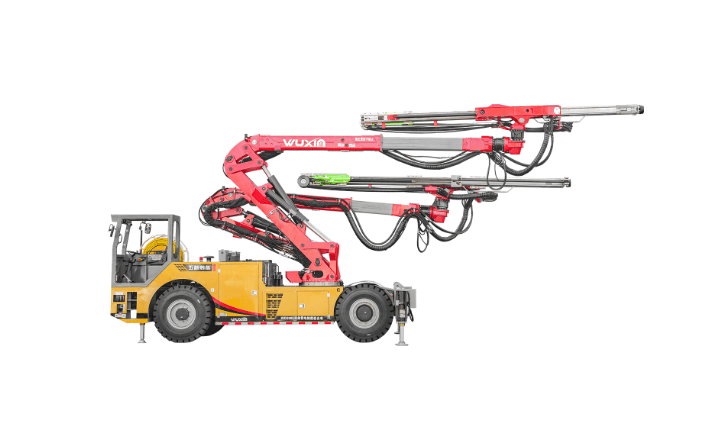
Double-Boom Computerized Rock Drilling Jumbo WD200E
Hunan Wuxin Intelligent Equipment Group Co., Ltd.