Spain's Red Eléctrica Builds 276 km Submarine Cable Between Spain and France
en.Wedoany.com Reported - Red Eléctrica, Spain's electricity transmission and system operator, has launched the installation of a submarine power interconnection cable in the Bay of Biscay to connect the Spanish and French power grids.
The project is being developed by Red Eléctrica in collaboration with RTE, the French grid operator. Red Eléctrica stated that starting the installation marks a key phase in building this strategic infrastructure, which will connect the Iberian Peninsula's power system with France's entirely through underground and submarine routes.
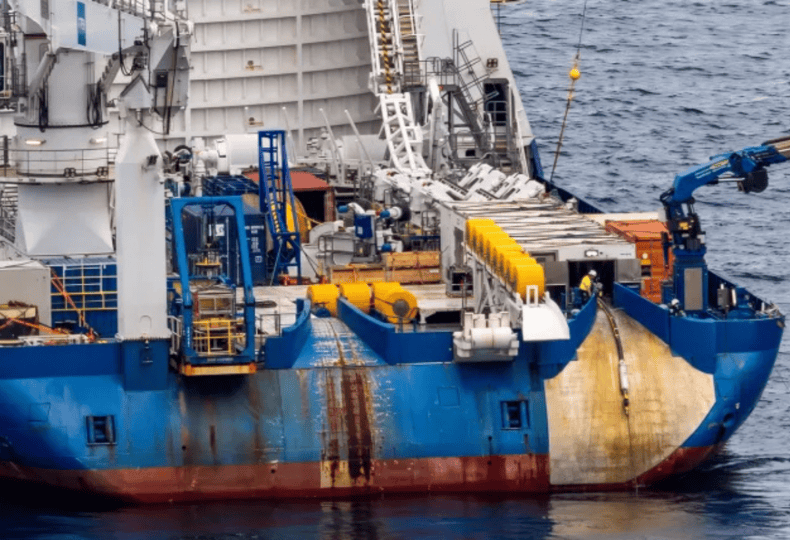
According to the plan, the project will lay four submarine power cables, along with additional fiber-optic cables to ensure the infrastructure's operation. Offshore work is scheduled to be carried out in multiple phases between this summer and summer 2027, in the area between the Basque coast and the French coast, near the city of Bordeaux. Red Eléctrica noted that since the project's inception, the company has coordinated with public administrations and the fishing sector to adapt the infrastructure and construction as much as possible to the local environment, surrounding characteristics, and social needs.
The first phase of cable installation along the Basque coast covers a 65-kilometer route and is being carried out by Denmark's NKT company. The submarine section spans a total of 276 kilometers, including a 27-kilometer short land intermediate section in France, where the cable runs overland to bypass the Capbreton submarine canyon before re-entering the sea.
Before the submarine cable laying began, Red Eléctrica completed the "landfall section" works to connect the underground section with the ocean. Workers carried out four horizontal directional drillings beneath the cliffs, each slightly over one kilometer in length, ending on the seabed approximately 500 meters from the coast to reduce environmental impact.
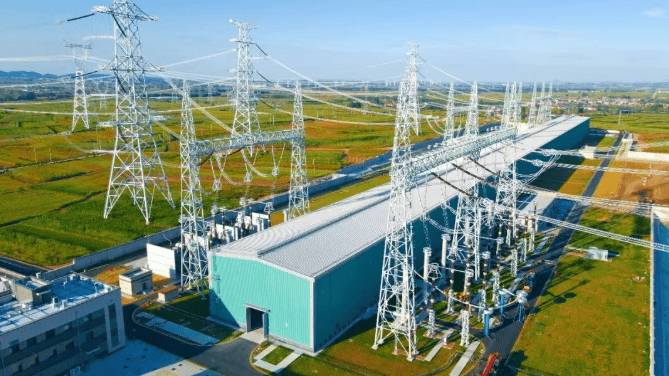
According to the company, this infrastructure will connect the Basque coast to the Gatika converter station via underground sections, and the French coast to the Cubnezais converter station in the Bordeaux region. Its main purpose is to reduce the impact on the landscape and maximize the protection of vegetation and fauna in the areas it crosses.
Currently, the interconnection project between the peninsula and France is 60% complete. Once operational, the electricity exchange capacity between the two countries will increase from 2,800 megawatts (MW) to 5,000 megawatts (MW). The company's statement noted that this increase will strengthen the security and quality of electricity supply, facilitate the broader integration of renewable energy, and play a key role in enhancing the European Union's energy autonomy.
Related Products
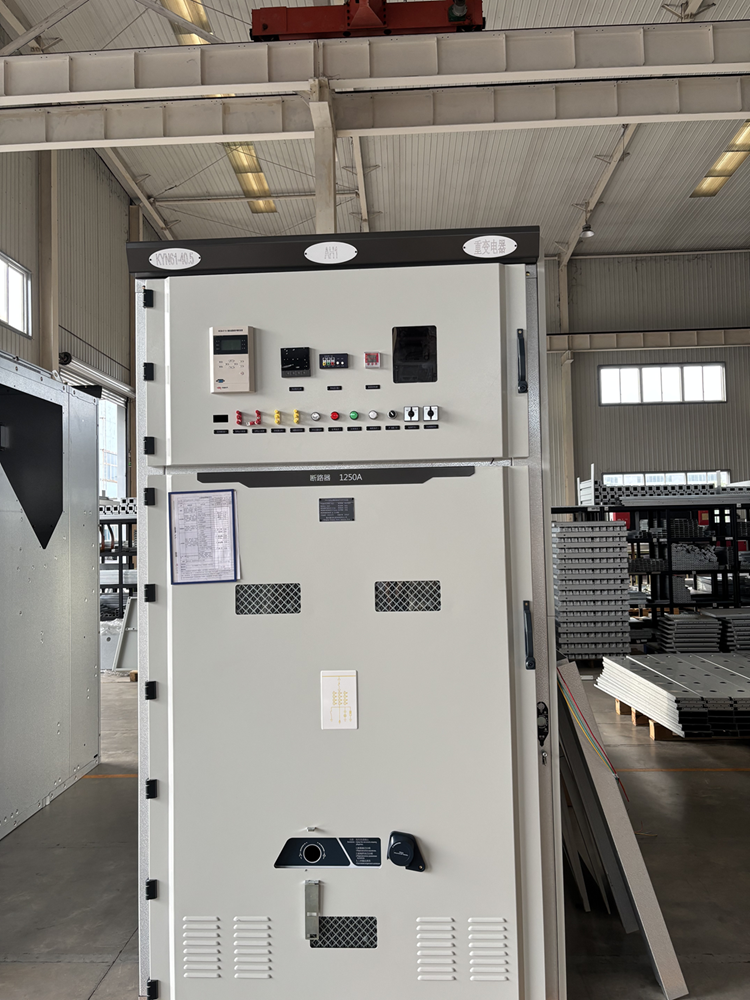

KYN61-40.5 Indoor AC Metal-clad Removable Switchgear
Chongqing Transformer Co., Ltd.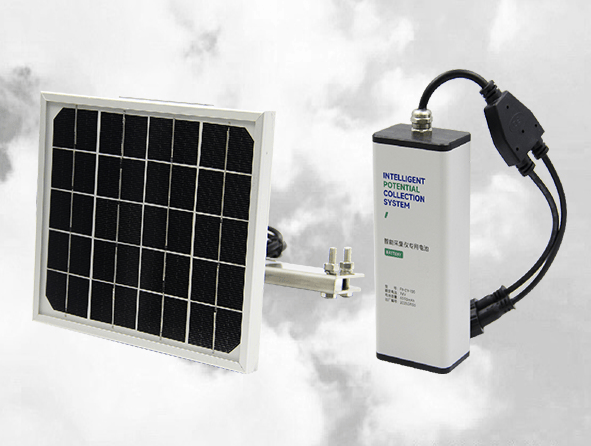
Inductive Power Harvesting Self-Powered Device - Safuneng
SELF ENERGY TECHNOLOGY (SHENZHEN) CO., LTD.



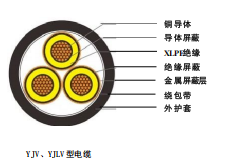
Rated Voltage 6-35kV Cross-linked Polyethylene Insulated Power Cable
TONGDING INTERCONNECTION INFORMATION CO., LTD.
G.652.D Wavelength-extended Non-dispersion Shifted Single-mode Optical Fiber
HONGAN GROUP CO., LTD.