Iowa's 3rd District Receives $500,000 in Federal Funding for 18 New Hydrological Monitoring Stations
en.Wedoany.com Reported - U.S. Congressman Zach Nunn announced Friday that a total of $500,000 in federal funding has been secured to add 18 new hydrological monitoring stations in southwestern Iowa. These stations will be integrated into the state's existing groundwater and rainfall monitoring network, providing farmers, communities, and the public with information on flooding, drought, and water quality, while also supporting the establishment of the Iowa Drought Information System.
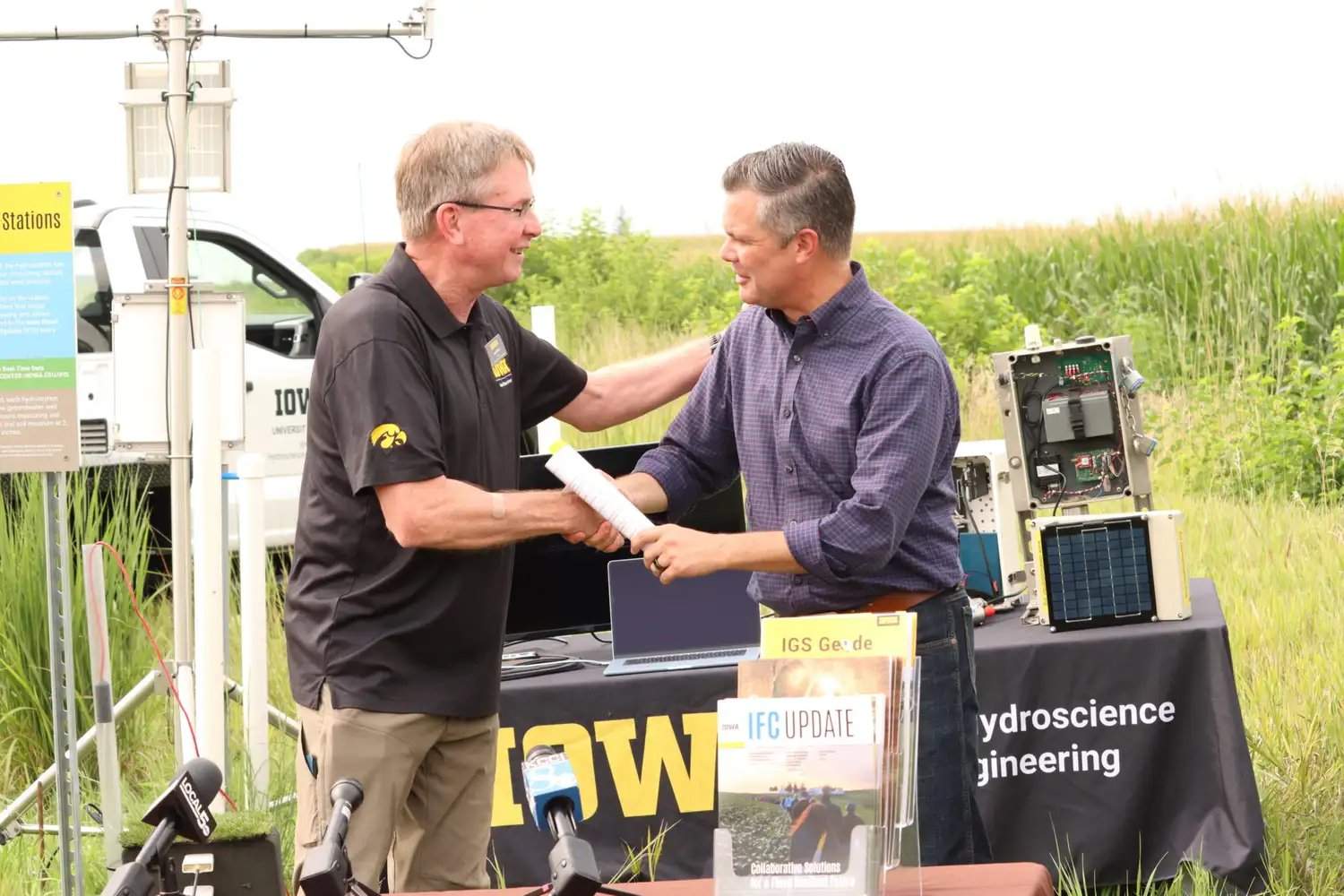
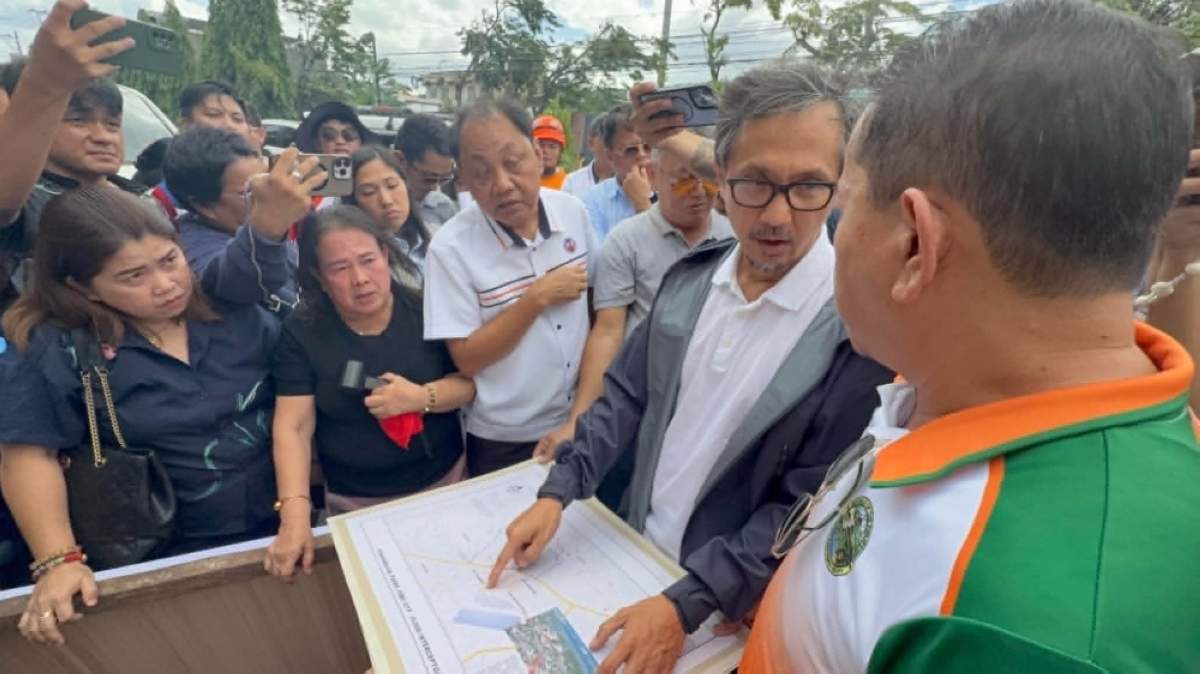
Iowa currently operates 55 such monitoring stations across the state, but counties within the 3rd Congressional District previously had no stations deployed. The new funding will fill this coverage gap. Nunn and project researchers announced the project Friday at Lee Tesdell's farm near Alleman, where the first monitoring station is planned to be installed.
Construction of the monitoring station will involve drilling a shallow well and placing monitoring instruments inside to measure soil moisture and temperature at depths of 2 inches, 4 inches, 8 inches, and 20 inches. The above-ground component is a 10-foot-tall tripod equipped with a small solar panel and control box, capable of operating off-grid; two cantilever arms extend from each side of the tripod top, with film devices on the arms used to collect precipitation data.
Larry Weber, director of the University of Iowa's Hydroscience and Engineering (IIHR), explained that the monitoring stations take measurements every 5 minutes, providing near-real-time data to residents. Counties in the 1st and 2nd Congressional Districts, as well as other areas across the state, already have similar equipment deployed.
Weber noted that in 2024, information from a monitoring station in northwestern Iowa helped a family decide when to evacuate, and their home was subsequently flooded by a storm. The U.S. Geological Survey (USGS) estimated that storm caused $310 million in damages.
In Weber's view, hydrological monitoring data can serve community flood and drought planning, and reliable data can also qualify communities for various grant programs. In response to the disaster events in early July, Governor Kim Reynolds and members of Iowa's congressional delegation, including Nunn, are requesting that President Donald Trump issue a major disaster declaration. Nunn said some areas in central Iowa experienced more than two months' worth of rainfall in just a few days, and more flood information would have been helpful to local farmers and communities.
Nunn said: "If we can be proactive and find ways that help with both drought and flooding, while also monitoring water quality indicators like nitrates and phosphates that matter to everyone, and drive solutions from the source of the problem with real information and hard science, that's something we all agree on."
Tesdell has prairie strips on his century-old family farm, practices diverse crop rotations including the perennial grain Kernza, and uses conservation practices such as cover crops. He regularly tests nitrate concentrations in a creek that runs through his farm and has found that concentrations drop significantly when the creek rises after heavy rains, while they increase when drainage tiles discharge water into the waterway. He said rainfall and soil moisture data could explain these phenomena.
Weber said the hydrological monitoring data will also be used in a new project IIHR is conducting in partnership with NASA, which aims to develop nitrate prediction models to help water utilities better respond to potential nitrate spikes in Iowa's rivers.
Scott Cagle of the U.S. Department of Agriculture's Natural Resources Conservation Service (NRCS) said the monitoring data will support farmers in making planting and conservation tillage decisions. He said: "One of the main things they can't control is the weather, but they can mitigate its impacts by studying the weather and learning from the weather events they encounter."
Nunn has tied the deployment of the new sensors to his broader "larger regional solution," which also includes the Promoting Efficient Review for Modern Infrastructure Today Act (PERMIT Act), already passed by the House. This legislation would adjust the definition of "navigable waters," excluding certain water bodies from Clean Water Act protections. Environmental groups oppose the bill, arguing it weakens Clean Water Act protections; supporters contend it would reduce red tape and prevent the Clean Water Act from being weaponized. Nunn has led an amendment to the bill proposing a voluntary pilot program to support state-led water quality improvement efforts for nutrient-polluted waters.
Nunn said the monitoring information could also support programs in the House farm bill, such as those supporting precision agriculture applications. The House passed its version of the farm bill in the spring, but the Senate version stalled in committee Thursday due to conflicts among lawmakers over nutrient programs. Speaking about the Senate's progress, Nunn said: "I'm glad to see it finally moving in the Senate... but I'm also frustrated because it's now become a partisan exercise—it never used to be that way. ... I hope this can not only be a bipartisan solution, but I hope it gets done this year."
Data collected from the new and existing stations will be available through the Iowa Flood Information System, the Iowa Water Quality Information System, and the future Iowa Drought Information System, and will also be provided to the U.S. Drought Monitor, the U.S. Geological Survey, and the U.S. Department of Agriculture (USDA). Weber said the Iowa Drought Information System will use artificial intelligence and machine learning to calculate statewide average soil moisture, then correlate it with river flow data to generate drought forecasts. "There's actionable data in real time, and there's also more scientific data for us to use in the larger information network." Weber also said that once the funding contract is finalized, the team will purchase equipment and assemble the monitoring stations, with deployment beginning in spring 2027, "so they can be in place and ready before flood season."
Related Products
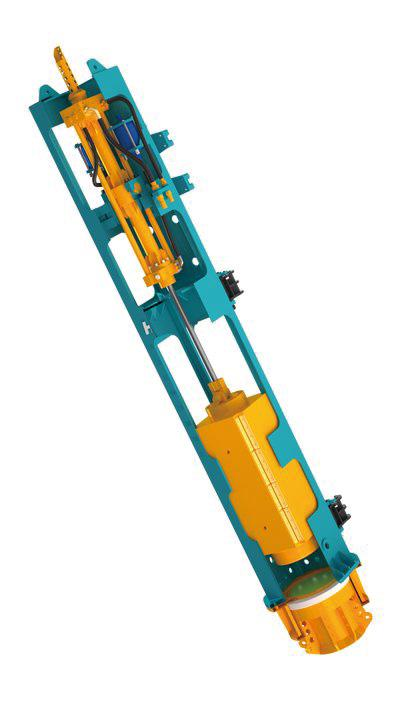

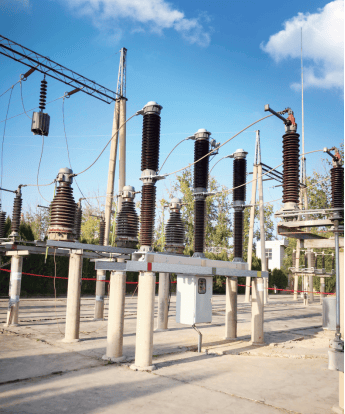
145kV Porcelain Column Type Sulfur Hexafluoride Circuit Breaker
TBEA ZONFA Shanghai High Voltage Switchgear Co., Ltd.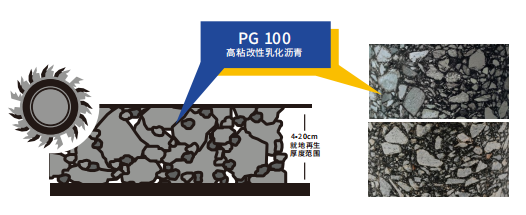
High-toughness in-Situ Cold Recycling Technology for Original Structural Layers
Central Fortune Creation Technology Group Co., Ltd.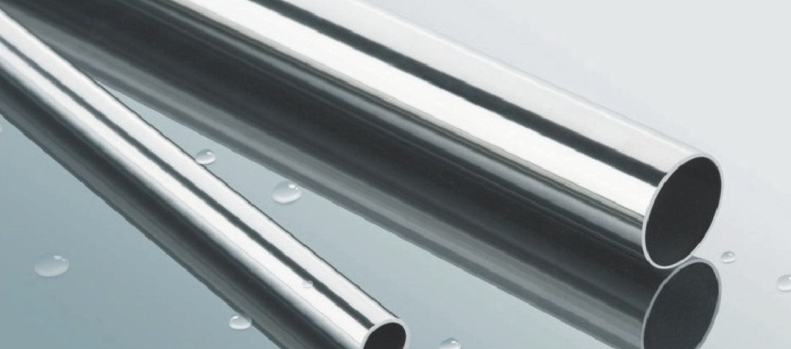
ERW Welded Pipe (Black Pipe and Hot-dip Galvanized Steel Pipe)
Handan Zhengda Steel Pipe Co., Ltd.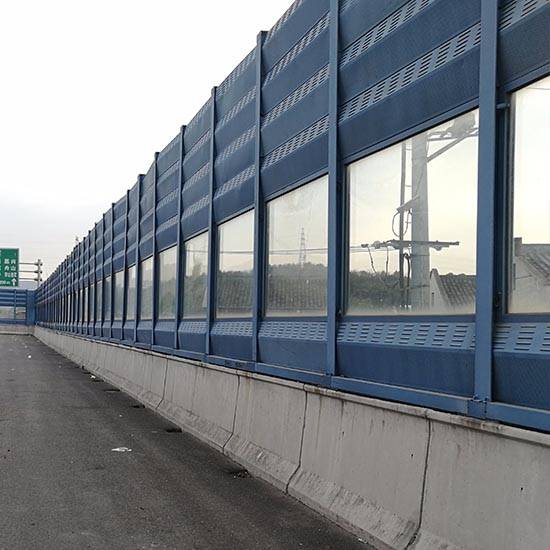
Metal sound barriers that can reduce the transmission of road noise
Hebei Jinbiao Construction Materials Tech Corp., Ltd.
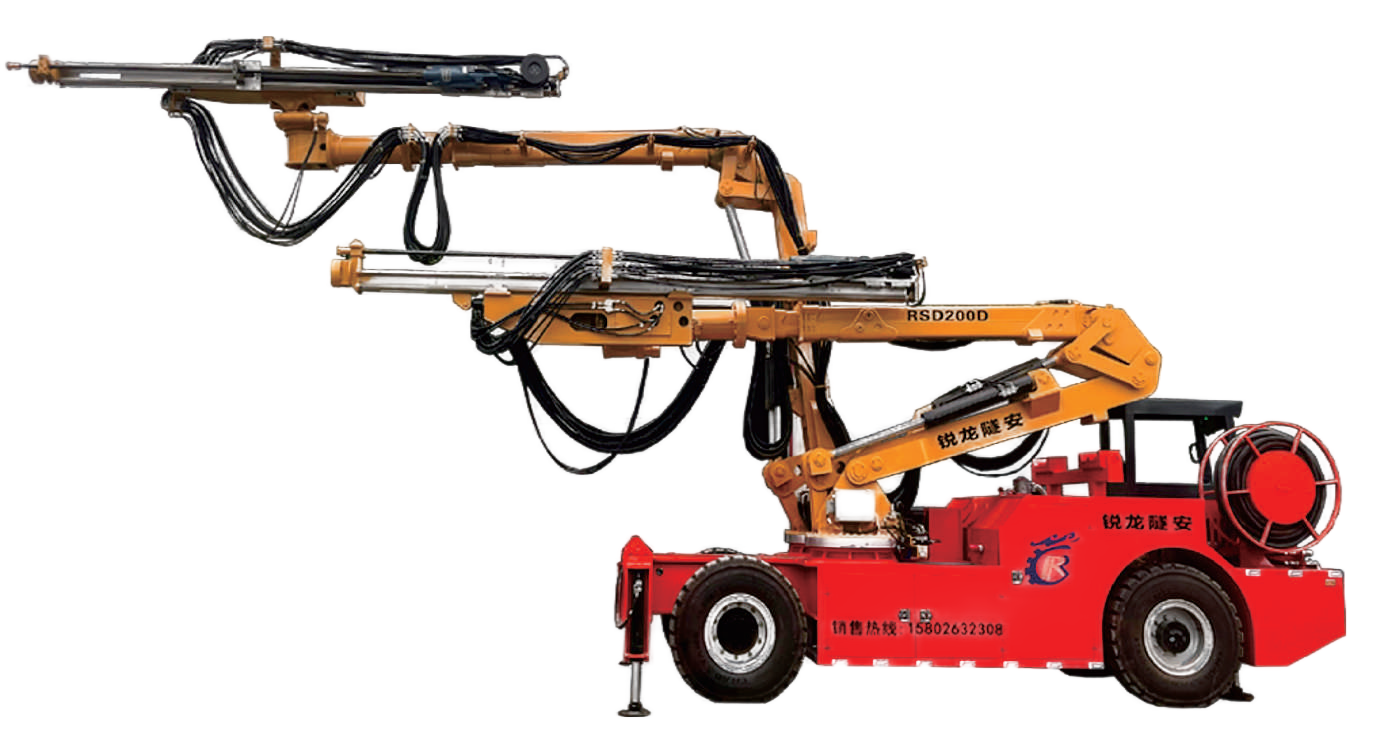
Dual-curved Arm Rock Drilling Trolley RSD200D
Chengdu Ruilong Machinery Manufacturing Co., Ltd.
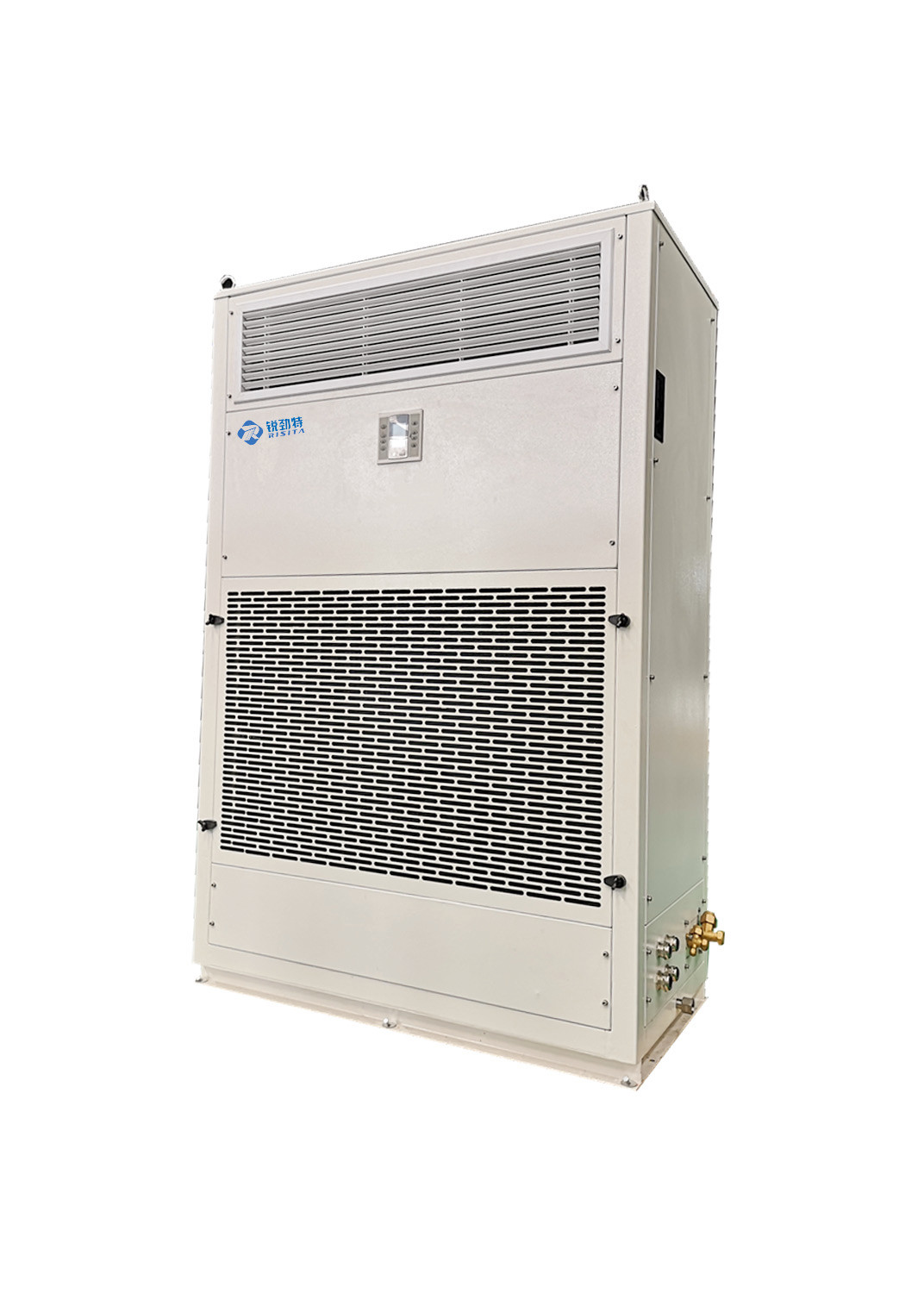
RISITA explosion-proof air conditioning
Guangdong RISITA Air Conditioning Equipment Co.,Ltd.
Ultra-Pure Ferrite Stainless Steel Products
Gansu JISCO Group Hongxing Iron and Steel Co., Ltd.