Desoutter Launches Connected Fastening System to Tackle Mixed-Model Manufacturing Challenges
en.Wedoany.com Reported - Facing demand volatility, regulatory shifts, and uncertainty in powertrain strategies, Josh Scanlon, Regional Sales Manager at Desoutter Tools, stated that the optimization goal of automotive production systems is shifting from efficiency and stable output to absorbing uncertainty, with connected fastening systems helping manufacturers maintain process control in increasingly complex assembly environments.
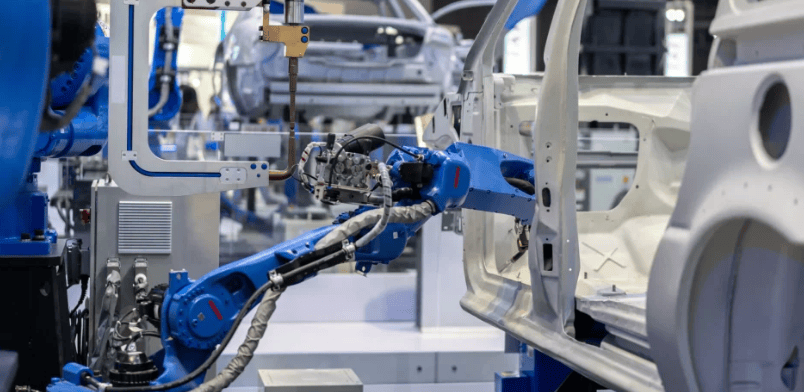
Automotive manufacturing is undergoing its most significant transformation since the advent of the assembly line: predictable multi-year cycles are being replaced by shorter timelines and greater vehicle variability, giving rise to mixed-model manufacturing—where internal combustion engine (ICE), hybrid, and electric vehicles are produced on shared or rapidly reconfigurable assembly lines.
In a mixed-model environment, the assembly process is no longer consistent from vehicle to vehicle. Vehicles with different powertrains pass along the same line, requiring operators and tools to adapt to varying components, structures, and electrical systems. Fastening, in particular, must contend with variable torque specifications, tightening sequences, and connection strategies.
The market remains in a transitional phase, with demand not yet concentrated on a single technology pathway. As of May 2026, the battery electric vehicle market share had risen only 0.5 percentage points to 23.1%, below the 33% share required by the Zero Emission Vehicle (ZEV) mandate, highlighting a clear gap between regulatory targets and current demand. This situation equally affects Tier 1 suppliers, who must support multiple platforms, shorter project cycles, and evolving specifications while maintaining process control.
Fastening operations sit at the intersection of structural integrity, electrical safety, and production execution, and are especially critical on electric and hybrid platforms due to the involvement of battery enclosures, high-voltage systems, and lightweight structures. In May 2026, Ford recalled nearly 180,000 Ranger and Bronco vehicles due to front seat frame bolts that could loosen or detach, demonstrating the substantial consequences that fastening deviations can cause.
For UK manufacturers operating in high-value, low-volume environments, maintaining fastening quality while enhancing production flexibility is becoming a decisive operational challenge. As a critical point of process control, fastening is where variability is either contained or allowed to propagate throughout the rest of the production system.
As variability in the production environment increases, fastening systems must go beyond "delivering a specified torque" to ensure that the correct vehicle receives the correct fastening process at the right assembly stage. Desoutter's connected assembly ecosystem integrates intelligent tools, controllers, and software platforms into a closed-loop manufacturing architecture, consolidating tightening execution, process control, and production traceability within a single mixed-model production environment.
The system defines tightening parameters at the system level and assigns them based on production inputs such as vehicle variant identification; connected tools automatically apply the corresponding fastening strategy, reducing reliance on manual process selection while ensuring accurate execution of settings and quality checks. Each fastening operation is verified at the point of execution through real-time feedback and process confirmation, allowing deviations to be detected immediately, thereby preventing non-conforming assemblies from flowing into downstream processes and leaving a traceable record for critical fastening operations.
Tightening data is collected and analyzed for cross-batch process validation, traceability, and continuous improvement, making fastening an interconnected process control function embedded within the broader manufacturing system. By transforming traditionally fixed assembly operations into adaptable control points, manufacturers can flexibly scale capacity in line with evolving production strategies without compromising consistency.
Related Products


CAP1400 main feedwater flow nozzle flowmeter.
Jiangsu Hongda Instrument Technology Co., LTD.
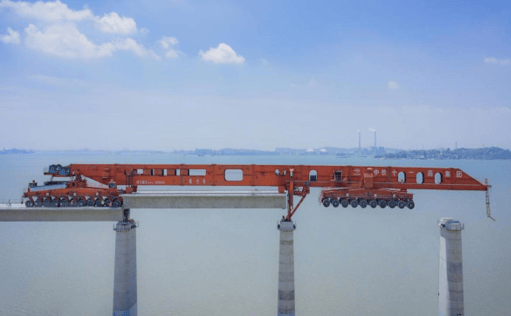
High-Speed Railway Lifting, Transporting, and Erecting Equipment: Integrated Transport and Erection Machine
Hanjiang Heavy Industry Co., Ltd. of China Railway 11th Bureau Group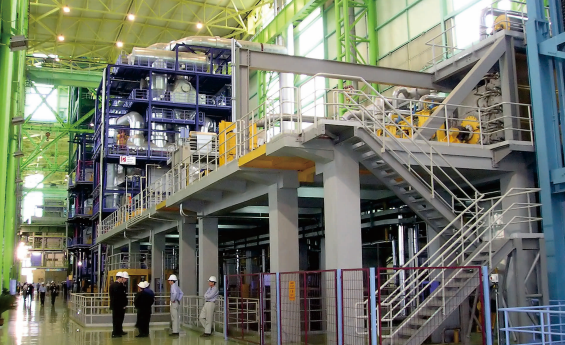
Strip Coating and Plating Production Line Equipment
MCC-SFRE HEAVY INDUSTRY EQUIPMENT CO., LTD.
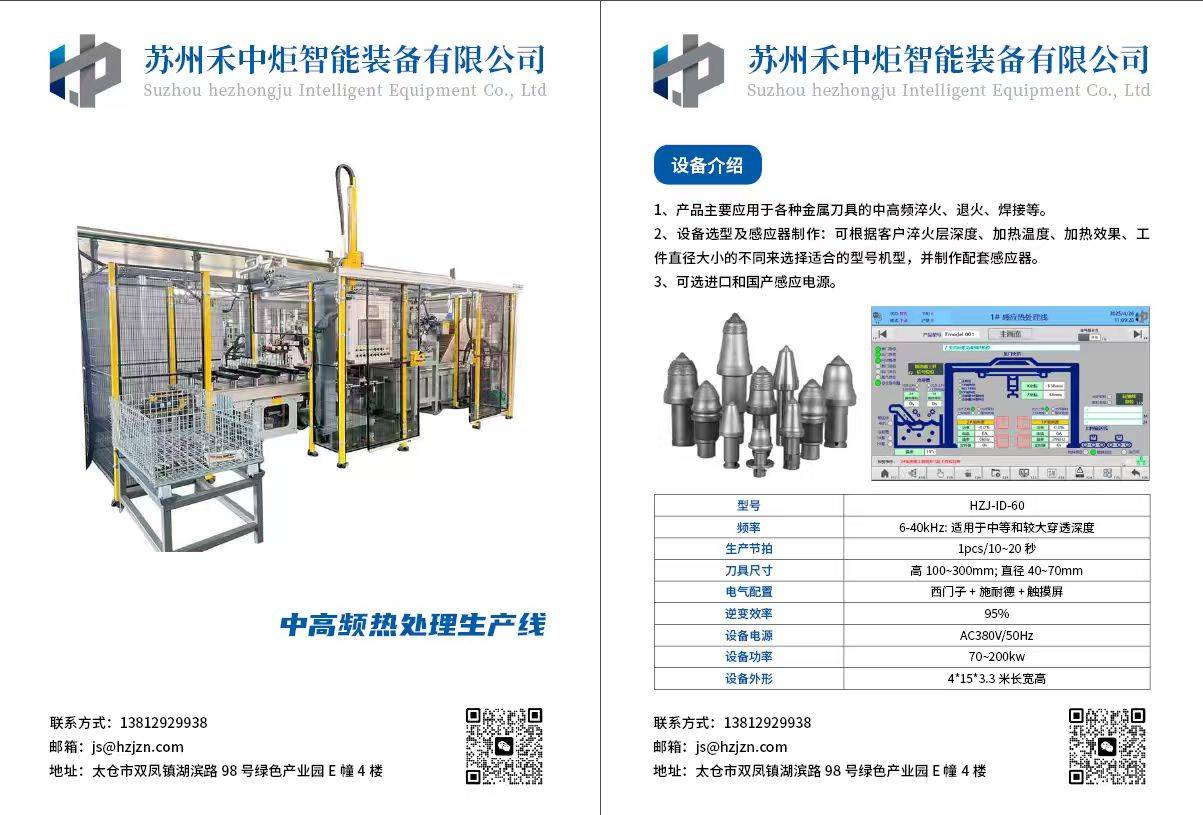
Excavator Bucket Teeth Heat Treatment Production Line
Suzhou Hezhongju Intelligent Equipment Co., Ltd.