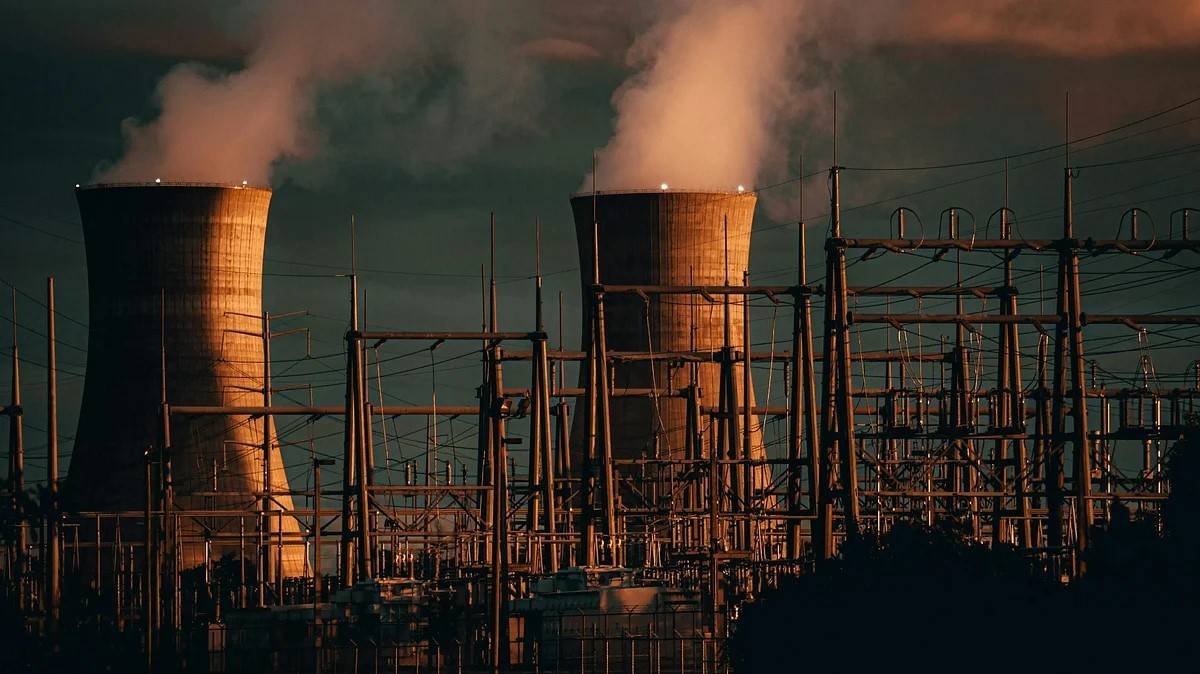
France's high temperatures expected to limit 15% of nuclear power capacity, six units to be temporarily shut down
en.Wedoany.com Reported - On August 13, operating data released by EDF (Électricité de France) indicated that due to sustained high temperatures and rising river water temperatures, the constrained capacity of France's nuclear units on August 14 is expected to reach 9.4 gigawatts during peak hours, involving 9 reactors, accounting for approximately 15% of France's total installed nuclear capacity. Among them, 6 reactors are expected to completely cease power generation, while the remaining units will operate at reduced output.
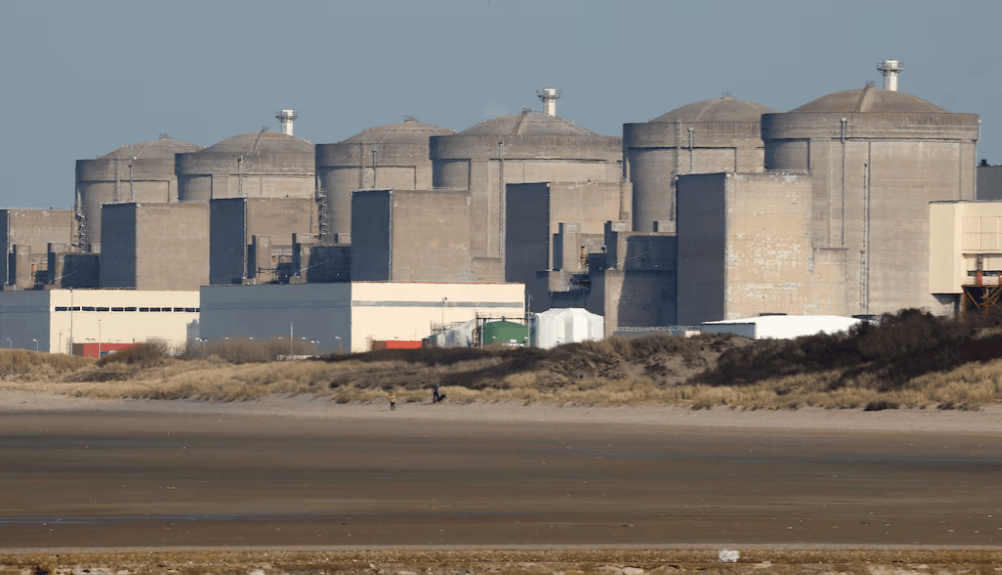
With output restrictions caused by high temperatures compounded by planned maintenance and technical faults, a total of 27.7 gigawatts of capacity in France's nuclear system is expected to be unavailable, bringing available nuclear capacity to its lowest level since August 2023. This adjustment constitutes a short-term operational restriction, and specific shutdown and restart times will remain subject to changes in temperature, river water temperatures, and grid operational requirements.
Temperatures in many parts of France have risen to 35–40 degrees Celsius, and water temperatures in cooling water sources for nuclear power plants, such as the Rhône and Garonne rivers, have continued to rise. During operation, French nuclear power plants need to draw river or seawater to cool equipment and discharge some of the heated water back into the environment. To comply with regulations on discharge temperatures and river ecological protection, EDF must reduce unit output or temporarily shut down units when water temperatures reach specified limits. These measures are primarily aimed at controlling impacts on water bodies and ecosystems and do not constitute nuclear safety failures.
As of August 13, six reactors in France had been shut down due to high temperatures and hydrological conditions, including two units at the Chooz nuclear power plant, as well as one unit each at Cattenom, Golfech, Bugey, and Saint-Alban; two additional units at the Tricastin nuclear power plant had their output reduced.
EDF confirmed that Unit 3 of the Bugey nuclear power plant was shut down at 23:59 on August 11. Monitoring data show that the Rhône River water temperature is expected to reach 26 degrees Celsius. According to the plant's environmental permit requirements, when the daily average water temperature in the downstream river section exceeds the specified limit, units must implement load reduction or temporary shutdown. Unit 2 at Bugey was under planned maintenance during the same period.
To maintain the safety of France's power grid, transmission system operator RTE has required Units 4 and 5 at Bugey to continue operating under "exceptional climatic conditions," but with adjusted output. During operation, the average water temperature limit downstream of the plant is set at 27 degrees Celsius, and the maximum temperature rise caused by Units 4 and 5 must not exceed 1 degree Celsius. EDF has simultaneously strengthened monitoring of Rhône River water temperature and water quality parameters.
Two additional units at the Gravelines nuclear power plant in northern France are unable to operate due to jellyfish accumulation affecting water intake facilities, an issue distinct from the high-temperature-related river water temperature restrictions. High-temperature output restrictions, planned maintenance, equipment faults, and the operational disruption at the Gravelines plant have collectively reduced the available capacity of France's nuclear system.
Declining nuclear and wind power output drove day-ahead electricity prices for August 14 delivery up 4.4%, reaching €154.50 per megawatt-hour, the highest level since June 23. France remains a net electricity exporter, but export volumes since August have fallen by approximately 20% compared with July.
Related Products
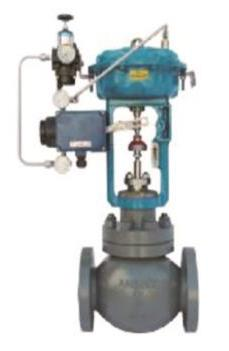

Quick-Change Single-Seat Control Valve / Quick-Change High-Pressure Single-Seat Control Valve
Beijing Consen Automation Technology Co., Ltd.
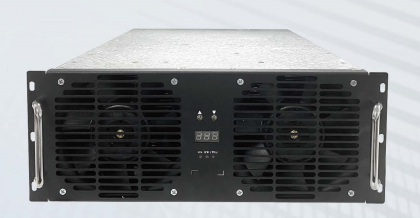
80kW Megawatt Supercharging Module TH80F10030C9
Shijiazhuang Tonhe Electronics Technologies Co., Ltd.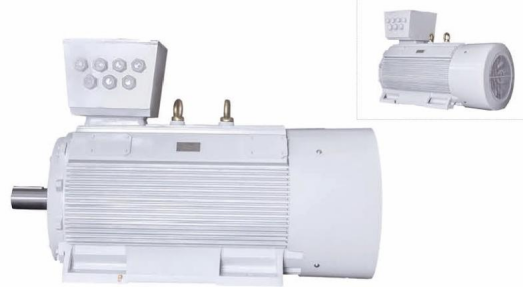
YE3 Series Low Voltage High Power Three-Phase Asynchronous Motor
Shandong Lijiu Electrical Machinery Co., Ltd.
G.652.D Wavelength-extended Non-dispersion Shifted Single-mode Optical Fiber
HONGAN GROUP CO., LTD.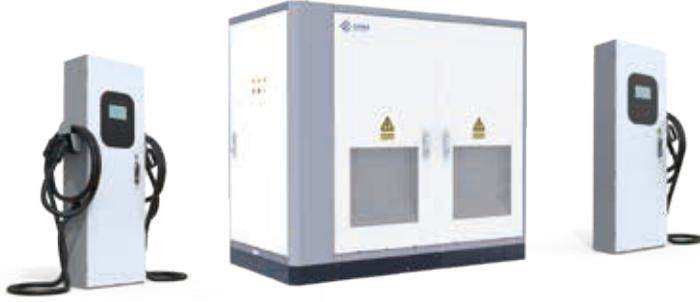
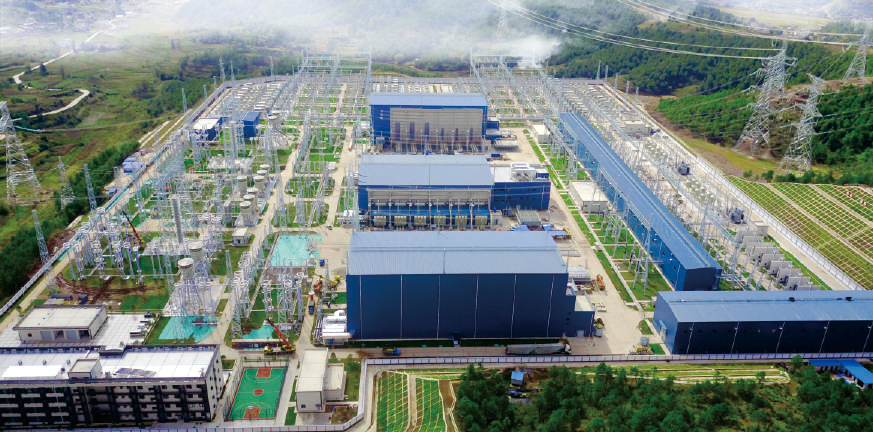
High-voltage Direct Current (HVDC) Transmission System Research and Integrated Design
XI'AN XD POWER SYSTEMS CO., LTD.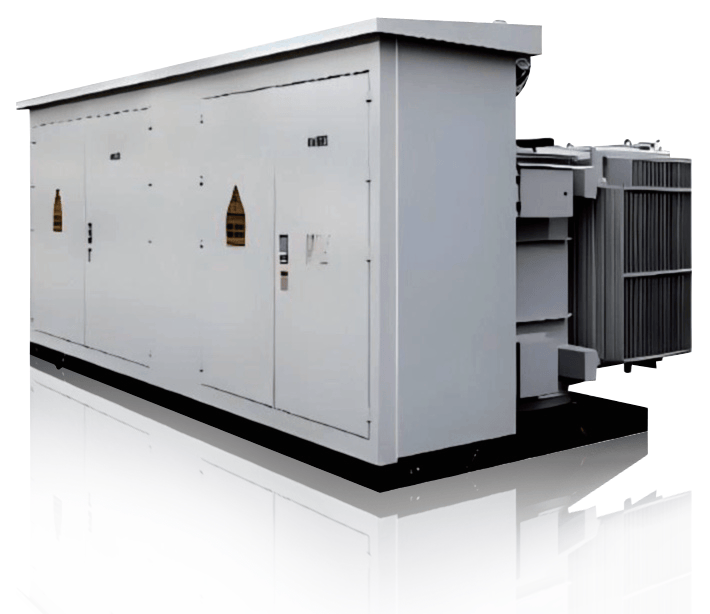
H-40.5/0.4~1.14kV New Energy Power Generation Dedicated High Voltage/Low Voltage Prefabricated Substation
XJ (Xiamen) Intelligent Power Equipment Co., Ltd.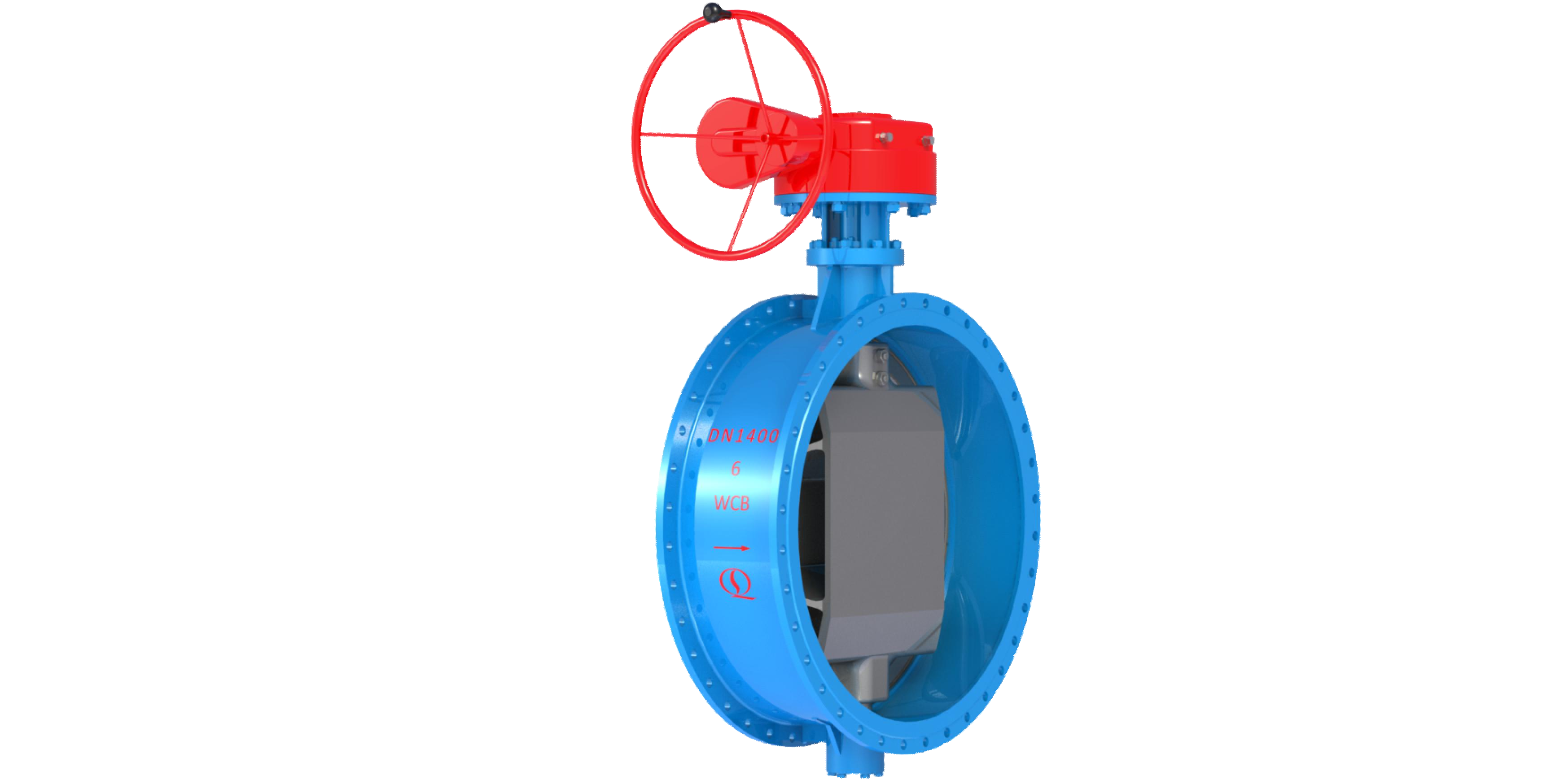
Bidirectional Metal Hard Sealed Seawater Butterfly Valve
Henan Quanshun Flow Control Science & Technology Co., Ltd.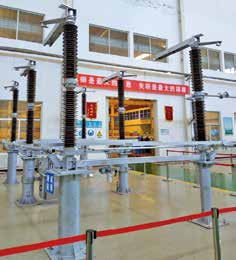
GW4-40.5/72.5/126/145/170/252/363/420 Series Double-column Horizontal Rotary High-voltage AC Disconnect Switch
SHANDONG TAIKAI DISCONNECTORS CO., LTD.
PCS-901 Series Ultra (Extra) High-voltage Transmission Line Complete Protection Device
Nanjing NR Electric Co., Ltd.
220kV Composite Outdoor Cable Terminal
Shenyang Guolian Cable Accessories Manufacture Co., Ltd.