Germany's Altmark Lithium Project Launches Phase II Trials, First Testing Evonik Adsorbent
en.Wedoany.com Reported - On August 13, Germany's Evonik Industries disclosed that its Liocel adsorbent has been selected for the Phase II trials of Neptune Energy's Altmark lithium extraction project, becoming the first adsorption material to enter the new round of testing. The relevant trials will be conducted in Saxony-Anhalt, Germany, with the test facility designed by the Fraunhofer Research Institution for Energy Infrastructures and Geothermal Systems responsible for the verification work.
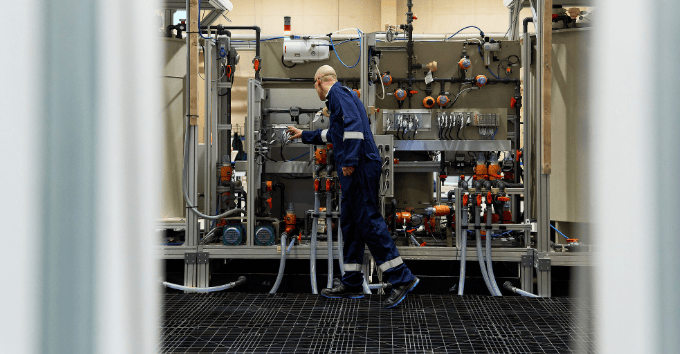
The facility operates in an oxygen-free mode and can process up to 1,000 liters of geothermal brine per day. Over the coming months, Neptune Energy will use the facility to test various adsorbent materials, comparing their lithium selectivity, operational stability, and process adaptability under Altmark brine conditions, providing a basis for determining the industrial-scale direct lithium extraction solution.
Phase I trials of the project evaluated commercial direct lithium extraction technologies such as ion exchange and adsorption. Based on the test results, Neptune Energy selected the adsorption route for further research in Phase II. Evonik's Liocel material demonstrated good stability and process performance in preliminary tests, and the company will also provide on-site support for adsorbent application and process optimization.
The Altmark project plans to extract lithium-bearing deep brine from existing natural gas wells, selectively capturing the lithium salts through adsorbent materials, with the spent brine reinjected into the subsurface after extraction. This allows the project to leverage existing local well sites and subsurface data, avoiding open-pit mining and large-scale evaporation ponds.
Neptune Energy obtained the "Jeetze-L" lithium mining permit in April 2024. An assessment completed by Sproule ERCE in accordance with CIM and NI 43-101 standards indicates that the project's lithium resources amount to approximately 43 million tonnes of lithium carbonate equivalent (LCE). Under a full development scenario, the project plans a maximum annual production capacity of 25,000 tonnes of LCE, sufficient to meet the annual battery material demand of approximately 500,000 electric vehicles.
In 2024, the project used Geolith ion exchange technology to extract lithium chloride and produced lithium carbonate with 99.9% purity through the KBR process. In 2025, the project completed field trials of Lilac Solutions technology and conducted a third round of testing on the adsorption route. Following the completion of material screening in Phase II, Neptune Energy plans to build a full-scale lithium extraction demonstration facility, with commercial production slated to commence in phases starting from 2030.
Related Products

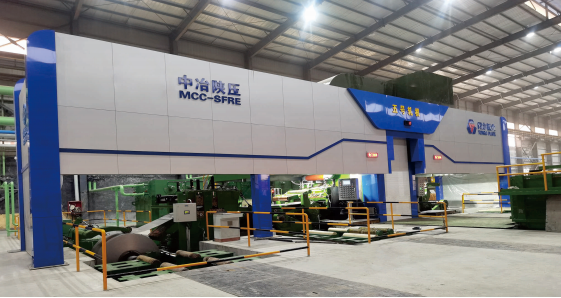
1050-1750mm Steel Strip Single-stand Reversible Cold Rolling Production Line
MCC-SFRE HEAVY INDUSTRY EQUIPMENT CO., LTD.
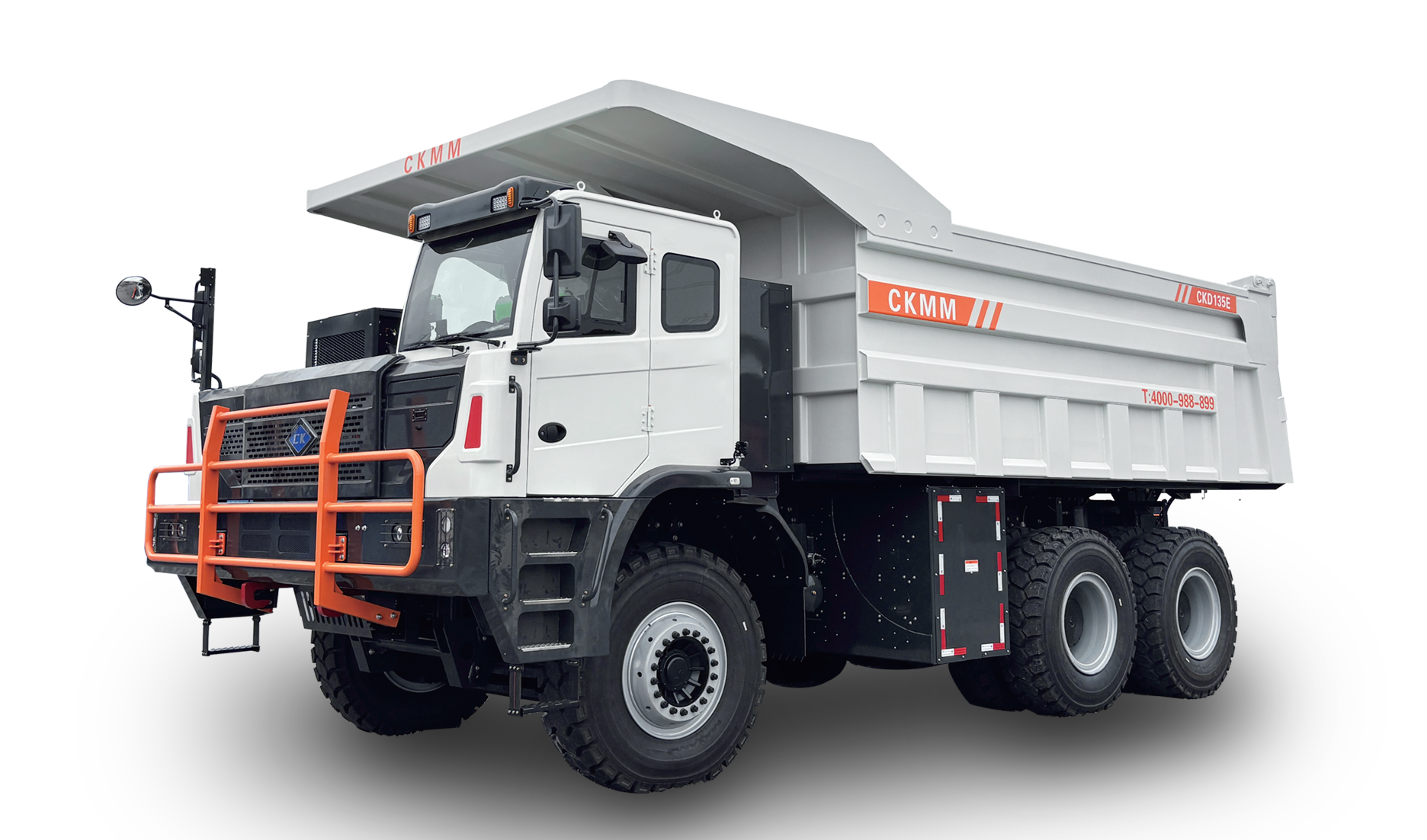
CKD135E Pure Electric Wide-body Dump Truck
Jiangsu Changkuang Engineering Machinery Co. Ltd.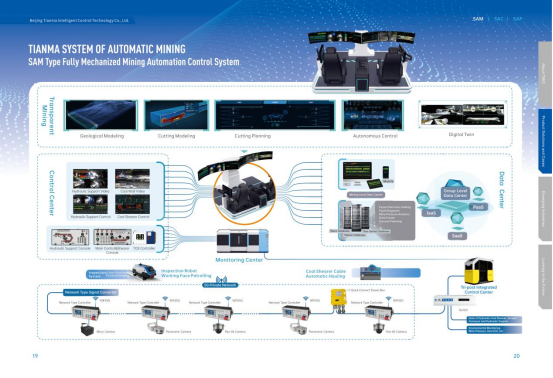
Comprehensive Mining Automation Control System
Beijing Tianma Intelligent Control Technology Co., Ltd.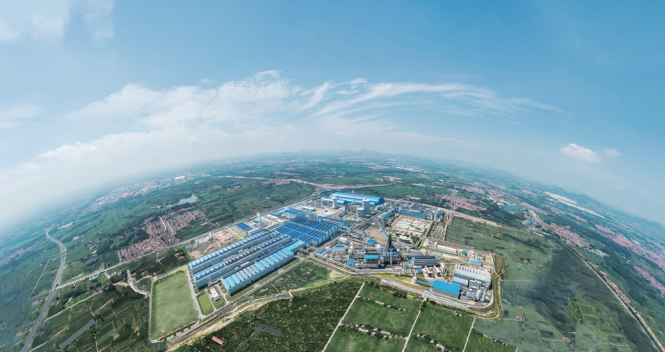
Linyi Steel Investment Special Steel 2.7 Million Tons per Year High-quality Special Steel Project
Capital Engineering & Research Incorporation Limited