Port of Corpus Christi Signs Agreement to Explore Nuclear-Powered Shipping
en.Wedoany.com Reported - The Port of Corpus Christi in Texas has signed a cooperation agreement with the U.S. Maritime Administration (MARAD), joining the Trump administration's push to bring nuclear technology into the U.S. maritime sector. The two parties will explore small modular reactor (SMR) concepts, port microgrids, and nuclear-powered vessel designs, marking the second agreement signed under MARAD's small modular reactor program launched in May.
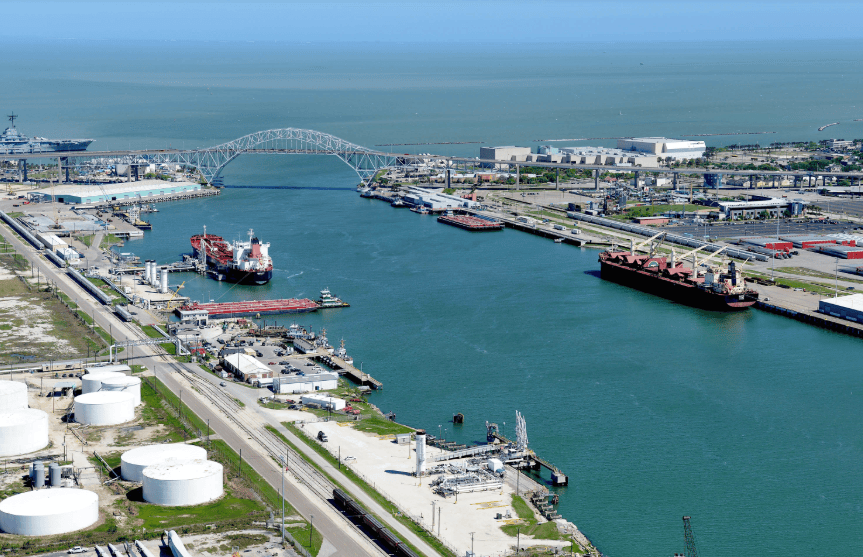
On Wednesday, U.S. Transportation Secretary Sean Duffy, Maritime Administrator Stephen Carmel, Texas Congressman Michael Cloud, and port officials jointly announced the collaboration. Under the memorandum of cooperation, the parties will assess the potential for integrating SMR technology with maritime energy systems, with the scope of study covering resilient port microgrids, shore power infrastructure, facilities capable of supporting new vessel propulsion systems, and workforce development.
The Port of Corpus Christi brings a distinct operating environment to the program. As the largest U.S. crude oil export port and a major liquefied natural gas (LNG) gateway, the Texas port is a potentially significant site for studying how advanced nuclear energy can support high-energy-demand port and industrial operations.
Duffy said SMRs have the potential to reshape the U.S. maritime sector, lower shipping costs, and strengthen supply chains, and he welcomed the Port of Corpus Christi's partnership with the Trump administration, stating it will ensure the U.S. remains a leader in innovation. Carmel said the agreement with the Port of Corpus Christi demonstrates that America's leading energy ports understand the importance of this technology; SMRs can help reduce costs and enhance the resilience of Gulf Coast maritime supply chains against disruptions such as extreme weather and grid failures.
MARAD launched the program in May with the goal of developing commercially viable SMRs for the U.S. marine transportation system. The administration views nuclear technology as one potential pathway to lower shipping costs, strengthen domestic shipbuilding, and improve the resilience of U.S. maritime infrastructure. Prior to Corpus Christi, MARAD had established a partnership with the Port of Long Beach, which became the first U.S. seaport to formally collaborate with the agency on commercial maritime applications of SMRs. The Long Beach agreement established a framework for nuclear technology applications in vessels, port operations, and other maritime assets, including coordination with the U.S. Coast Guard, the Department of Energy, and the Nuclear Regulatory Commission on safety standards, inspections, and operating procedures.
Both agreements are exploratory in nature and do not authorize the construction of nuclear-powered vessels, nor do they require the government or ports to deploy specific reactor designs.
Maritime nuclear power is drawing increased attention as shipowners, shipbuilders, and governments seek alternatives to conventional marine fuels. Nuclear propulsion has been used for decades on naval vessels and icebreakers, but commercial deployment still faces multiple barriers, including high upfront costs, regulatory complexity, liability and insurance issues, port access concerns, and public acceptance. MARAD's program aims to begin addressing some of these obstacles while also studying how reactor construction could ultimately be integrated into U.S. shipyards.
Cloud said the potential applications of SMR technology extend beyond the vessels themselves, and can power port operations, support broader industrial complexes, and advance maritime propulsion capabilities, benefiting the entire Gulf Coast and the United States.
Related Products
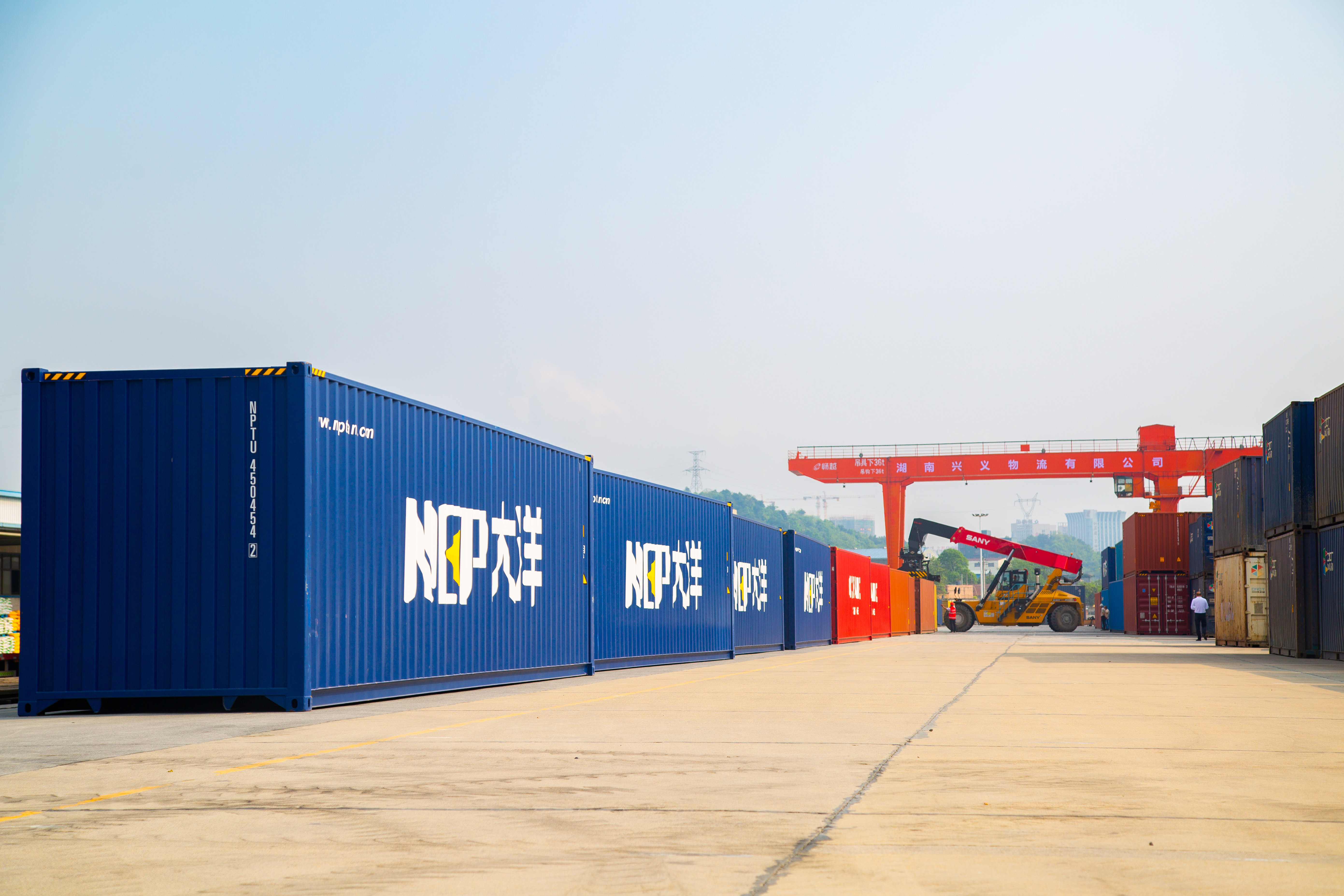

China - Alashankou/Khorgos - Europe Full Range Transportation (Mala/Hamburg/Duisburg/Budapest, etc.)
Shenzhen Neptune Logistics Co., Ltd.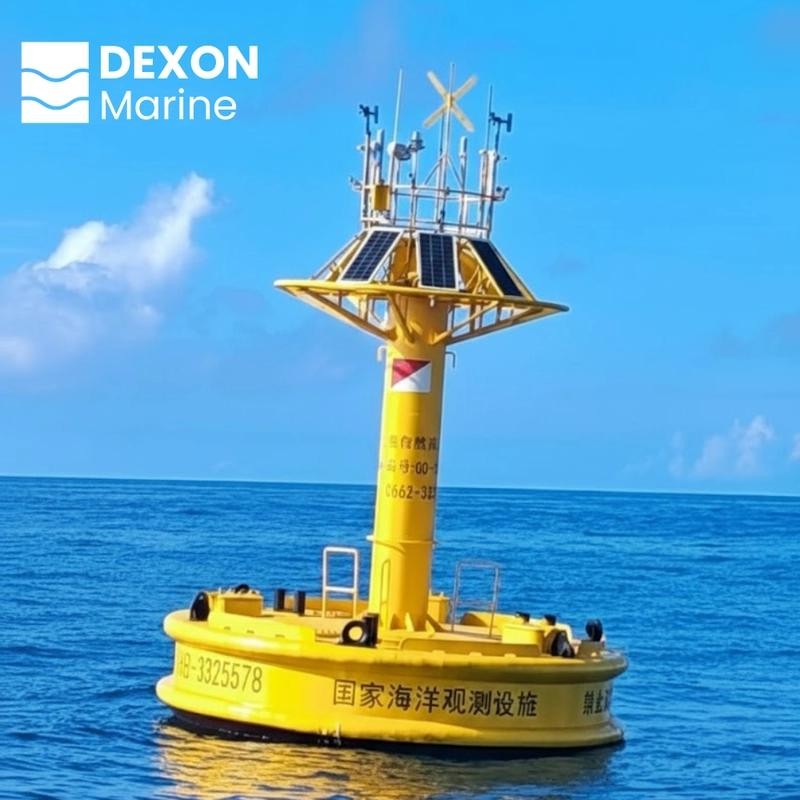
3m intelligent buoy combining navigation safety and real-time marine monitoring integrated navigation and marine monitoring system for real-time maritime data
Chengdu Dixin Technology Co., Ltd.
![IVECO Cash-in-Transit [DMT5048XYCL3-AM] - Chongqing Dima Industry Co., Ltd](https://img.wedoany.com/2026/0911/20260911030157582.png)

Industrial and Commercial Point-Type Gas Detector
Jinan Benan Technology Development Co., Ltd.
GSR6-27.5kV SF6 Free Gas-insulated Metal-enclosed Switchgear
Zhejiang Juhonkia Intelligent Electric Co., Ltd.