Heidelberg University Team Develops Chemically Degradable and Recyclable 3D-Printed Polymers
en.Wedoany.com Reported - A research team led by Professor Eva Blasco at the Institute for Molecular Systems Engineering and Advanced Materials (IMSEAM) at Heidelberg University, Germany, has developed a 3D-printed polymer material that can be decomposed on demand via chemical signals. While maintaining high mechanical stability, the material can degrade back into its molecular building blocks within seconds and be re-polymerized into a polymer with identical properties, thereby integrating high-precision additively manufactured components into a closed material cycle.
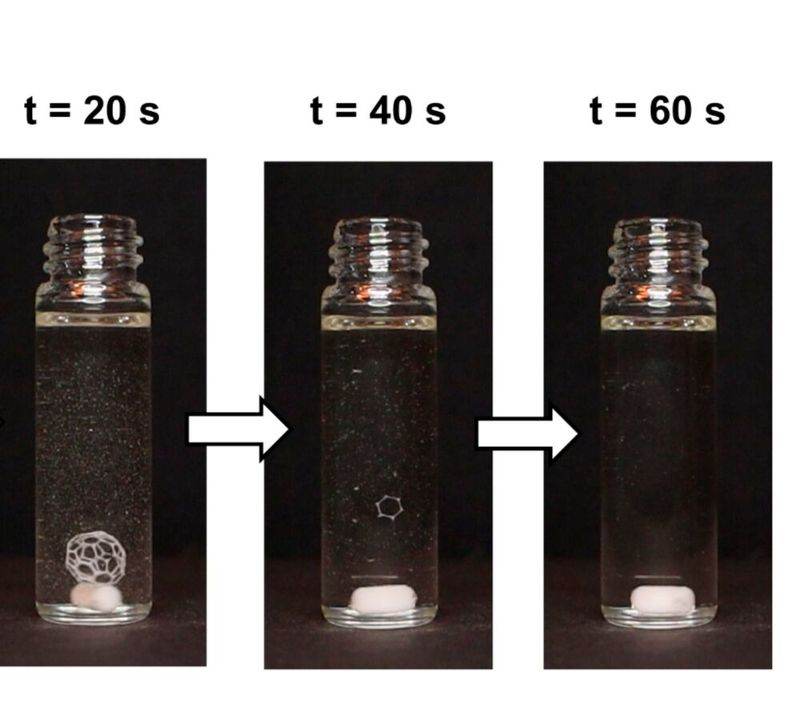
Optical additive manufacturing processes are often used to produce small, complex plastic structures required in fields such as medical technology and soft robotics, but these photopolymerized components are typically difficult to degrade and recycle. The Heidelberg team's approach involves a metastable material whose precision, quality, and mechanical stability remain unaffected, with the decomposition process relying on predetermined breaking points within the material. The research team selected a polymer responsive to specific chemical signals as the matrix, where long molecular chains are connected at only one predetermined breaking point; when a specific chemical trigger acts on this site, the entire molecular chain decomposes within seconds at room temperature. The researchers liken this mechanism to a chemical key that can only open a corresponding lock.
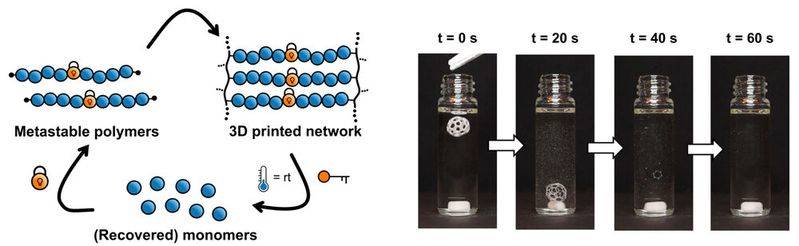
The research team used this material as a high-resolution "ink" to fabricate a variety of complex three-dimensional structures with micron-level details, verifying its printability. Component recovery tests showed that the re-polymerized material exhibited properties identical to the original. The findings were published in the journal Advanced Materials. The research is part of the excellence cluster "3D Matter Made to Order," jointly undertaken by Heidelberg University and the Karlsruhe Institute of Technology, and was funded by the German Research Foundation, the Carl Zeiss Foundation, and the Chemical Industry Fund.
Related Products
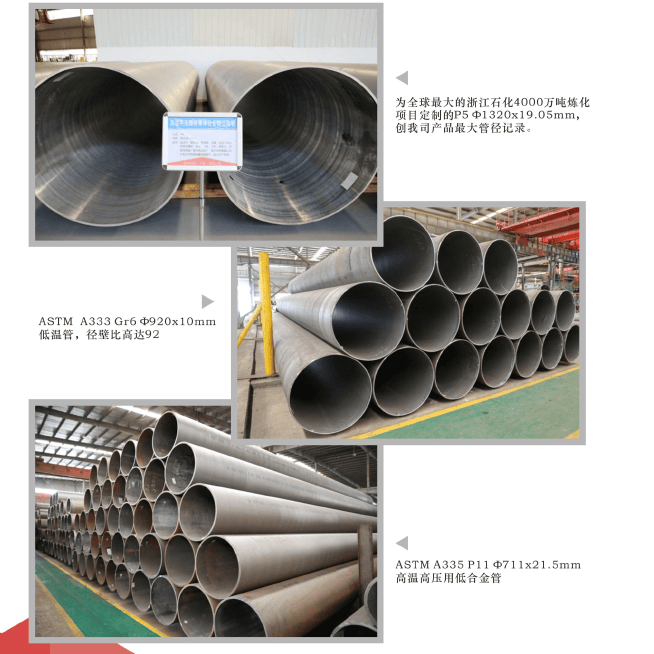

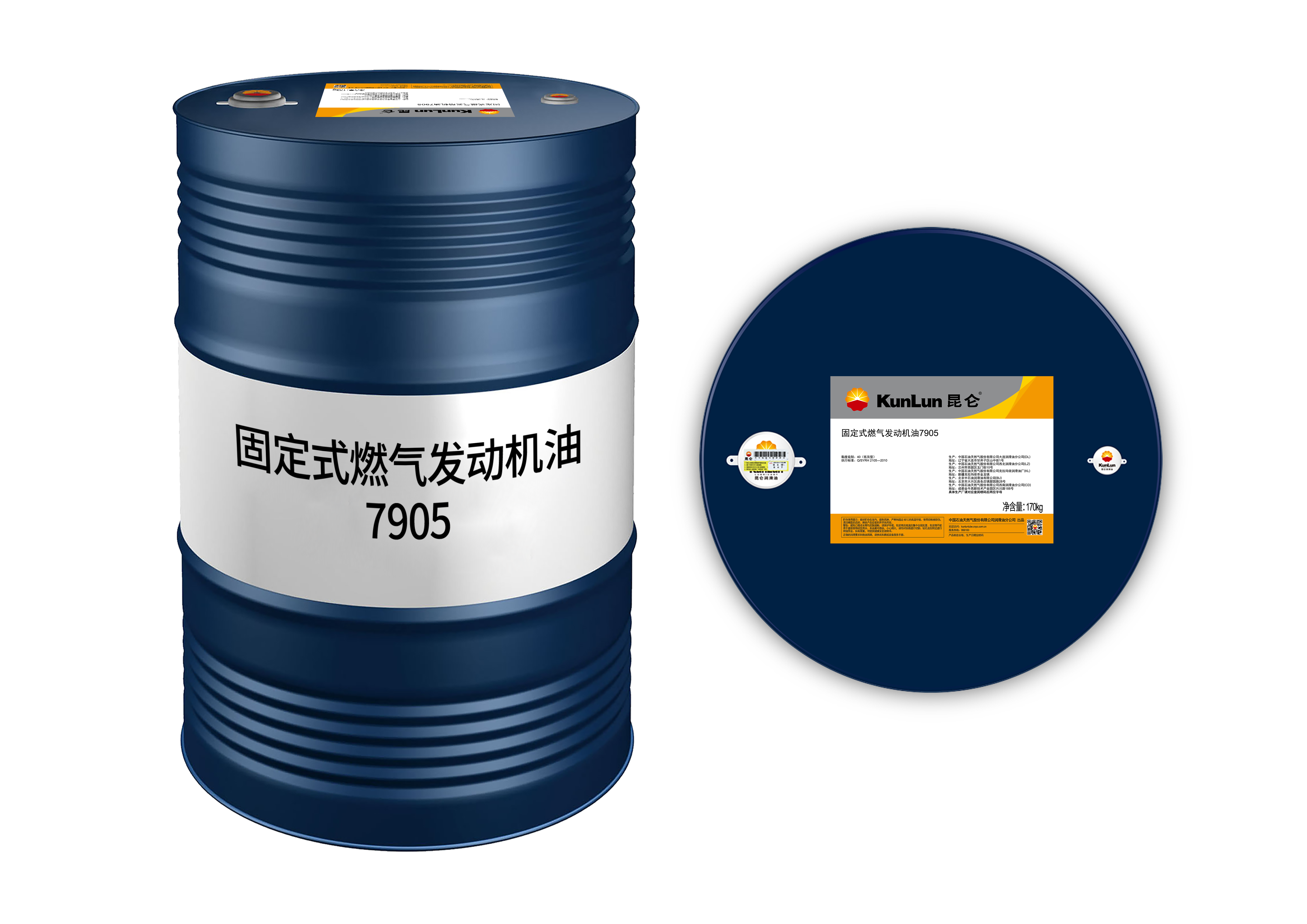

Steel Pipes for Refining and Coal Chemical Industries
YANGZHOU LONTRIN ENERGY EQUIPMENT CO.,LTD.
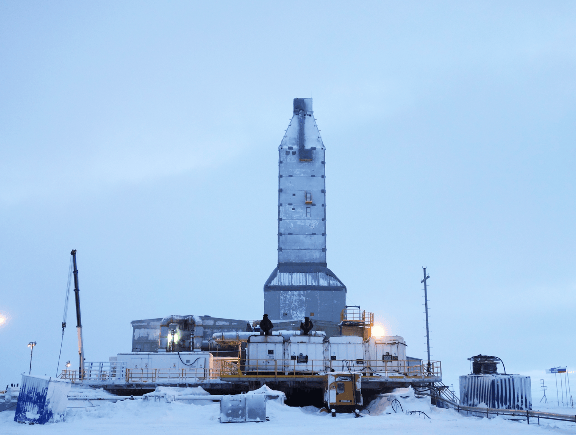
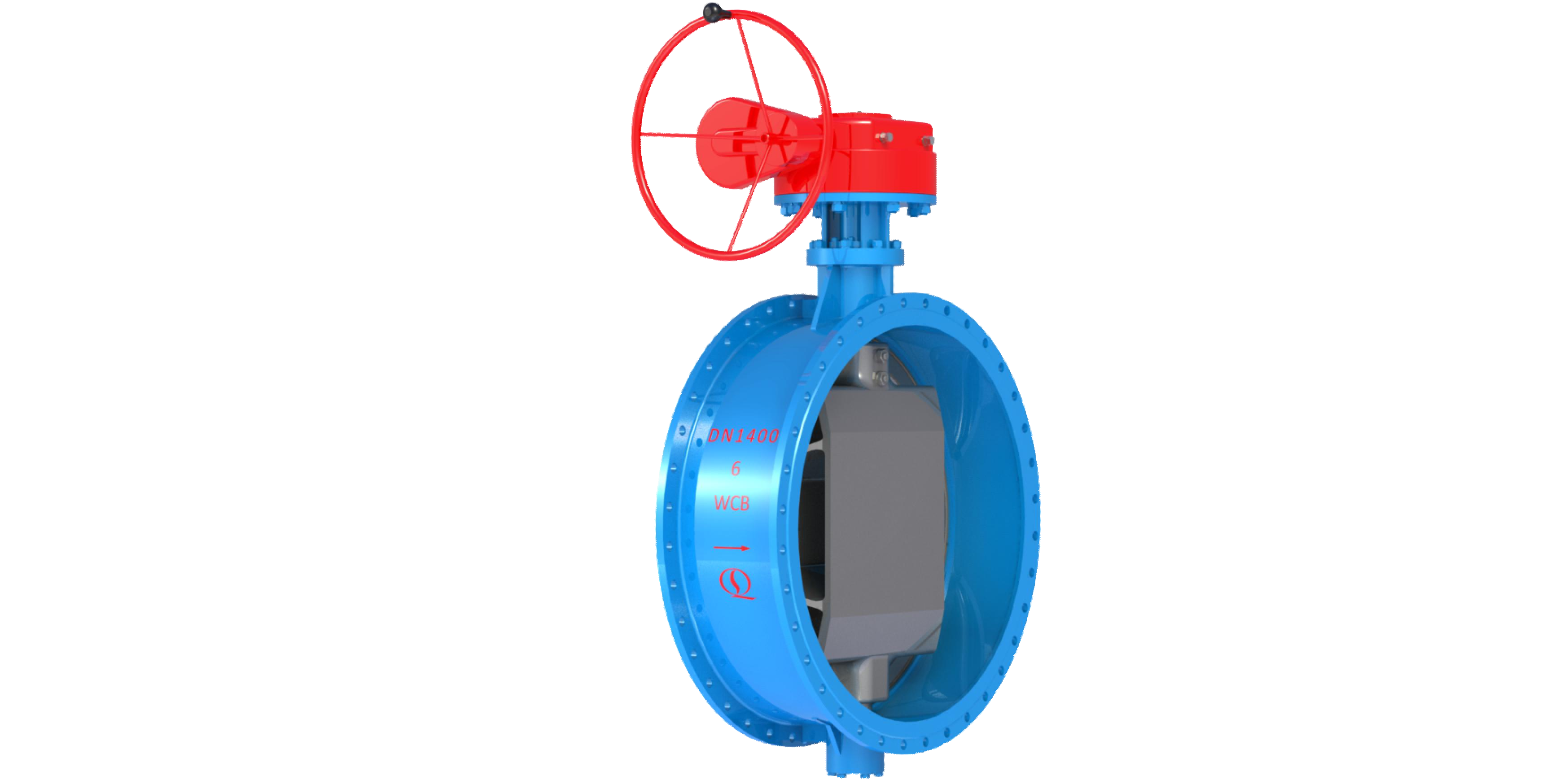
Bidirectional Metal Hard Sealed Seawater Butterfly Valve
Henan Quanshun Flow Control Science & Technology Co., Ltd.

Industrial and Commercial Point-Type Gas Detector
Jinan Benan Technology Development Co., Ltd.
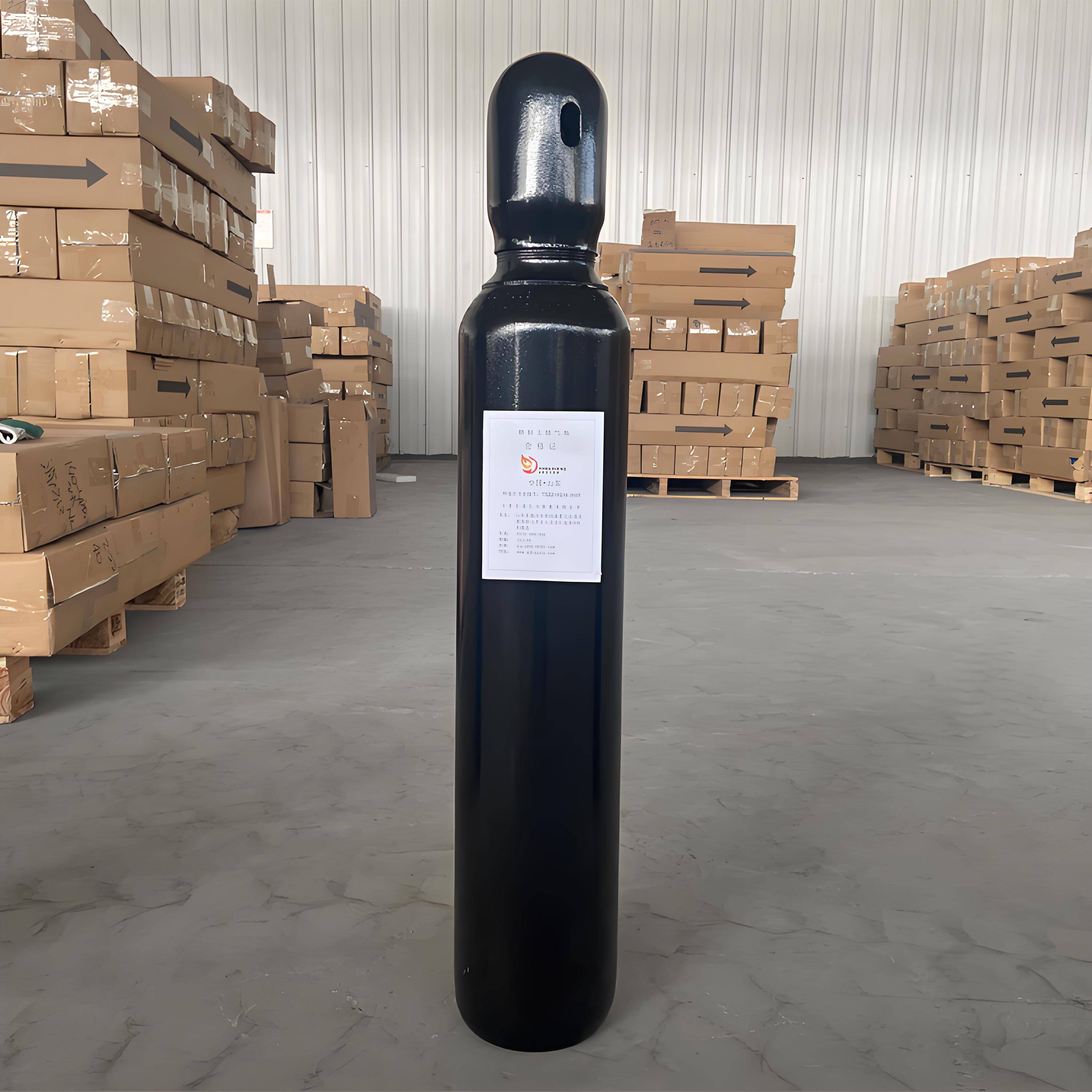
Nitrogen Export, Nitrogen Manufacturer, High-purity Nitrogen Supplier
Foshan Yuexin Industrial Gas Co., Ltd.