University of Missouri Develops Natural Purple Corn Pigment: 75% of Key Color Compounds Withstand High Heat
en.Wedoany.com Reported - Researchers at the University of Missouri (Mizzou) are developing a variety of purple corn traditionally grown in South America as a natural alternative to artificial food dyes. Scientists at the university's College of Agriculture, Food and Natural Resources explain that the corn's vibrant color comes from anthocyanins, the same natural pigments that give blueberries, purple cabbage, and grapes their hues. Unlike artificial dyes derived from petroleum and used solely for appearance, anthocyanins are rich in antioxidants and are known to help reduce inflammation and promote cardiovascular health.
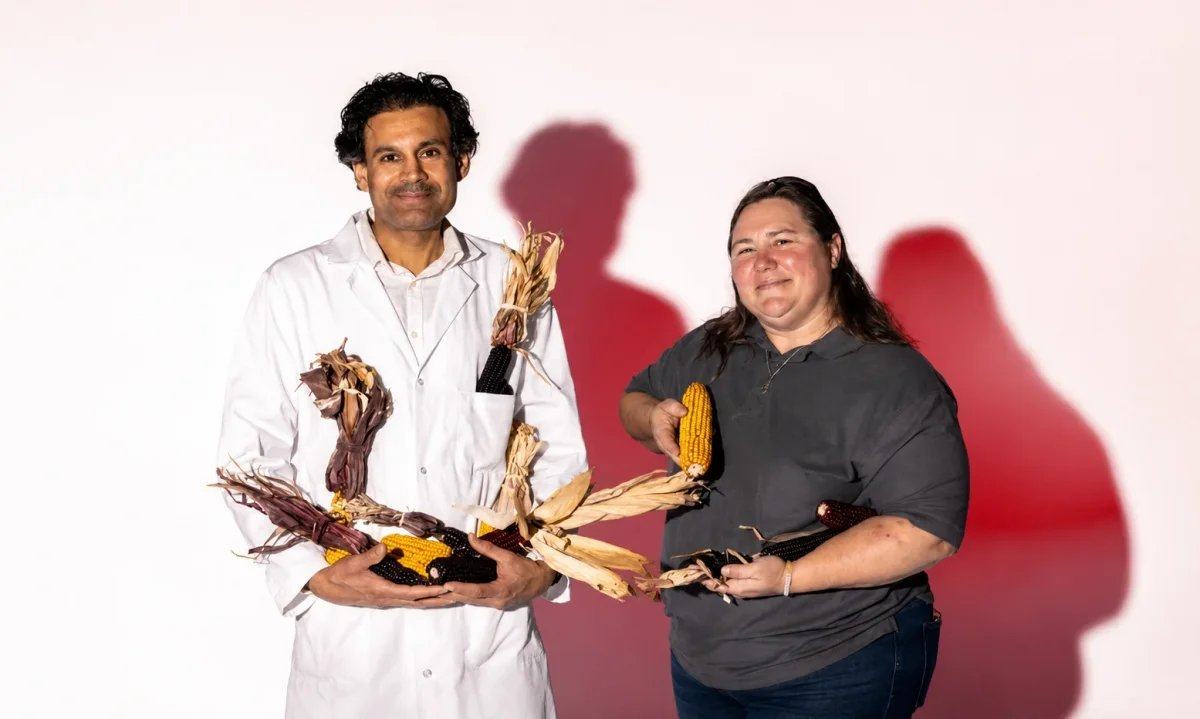
In corn, these pigments are concentrated in the pericarp, the thin outer layer of the kernel. Pavel Somavat, a professor in the College of Agriculture, Food and Natural Resources and the College of Engineering, explains that this pericarp is often the layer that gets stuck in your teeth. "In purple corn, our most valuable components are right here," he said.
Replacing synthetic dyes such as Red No. 40 and Red No. 3 has long been a challenge for food manufacturers. Somavat notes that most natural pigments are fragile and tend to degrade when exposed to heat, light, or oxygen. Food ingredients must withstand processing temperatures of up to 250 degrees Fahrenheit and remain stable on store shelves for weeks or even months, which has been a major barrier to the use of natural pigments in the food industry.
The University of Missouri team conducted tests to address this issue. Researchers exposed purple corn pigments to the high temperatures commonly used in food processing, and after one hour of exposure, approximately 75% of the key color compounds remained intact. When the team encapsulated the pigments with food-grade protective materials, retention rates for certain compounds increased to nearly 97%. This process can produce a powder that is stable at room temperature, facilitating the storage and transport of purple corn pigments.
The researchers also tested the purple pigment in beverage systems. Beverages are typically acidic, exposed to light, and require long-term storage—conditions that rapidly degrade plant-derived ingredients. Somavat states that purple corn pigments demonstrate good tolerance in both acidic and alkaline environments, making them suitable for juices, flavored waters, and sports drinks. "Even after seven weeks of refrigerated storage, color loss was minimal," he said. This durability, combined with potential health benefits, positions purple corn pigments as a viable option for companies seeking cleaner labels, allowing consumers to replace artificial dyes with natural ingredients.
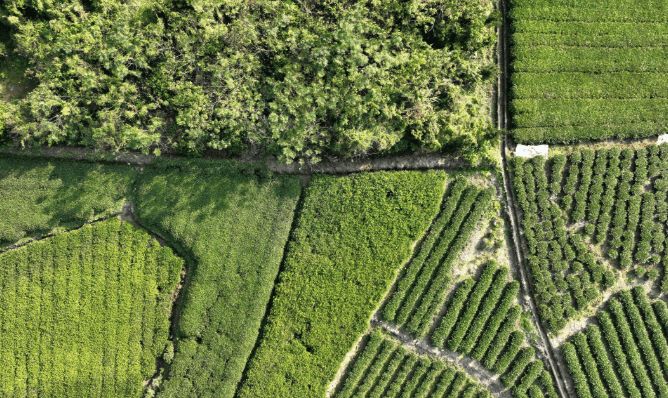
In terms of scaling up production, the team has spent the past five years working to adapt purple corn to growing conditions in the Corn Belt. Researchers are collaborating with Sherry Flint-García, a research geneticist at the USDA's Agricultural Research Service, to develop hybrid varieties that combine deep color with high yields. Flint-García explains that some of the most vividly colored varieties do not grow well locally, so they are crossed with corn types already adapted to regions like Missouri, enabling farmers to grow purple corn and benefit from its health properties.
The study, titled "Kinetics of thermal and storage degradation of natural red colorants based on corn anthocyanins in a beverage model system and their gastrointestinal behavior" (original title: Cinética de degradación térmica y durante el almacenamiento de colorantes rojos naturales a base de antocianinas de maíz en un sistema modelo de bebida y su comportamiento gastrointestinal), was published in NPJ Science of Food. Co-authors include Ahmad Ali, Ravinder Kumar, Sumit Singh Sheoran, Fangfang Li, Ruojie Zhang, Mengshi Lin, and Caixia Wan from the University of Missouri. The project was funded by the Agriculture and Food Research Initiative (AFRI) of the USDA's National Institute of Food and Agriculture.
Related Products


Industrial and Commercial Point-Type Gas Detector
Jinan Benan Technology Development Co., Ltd.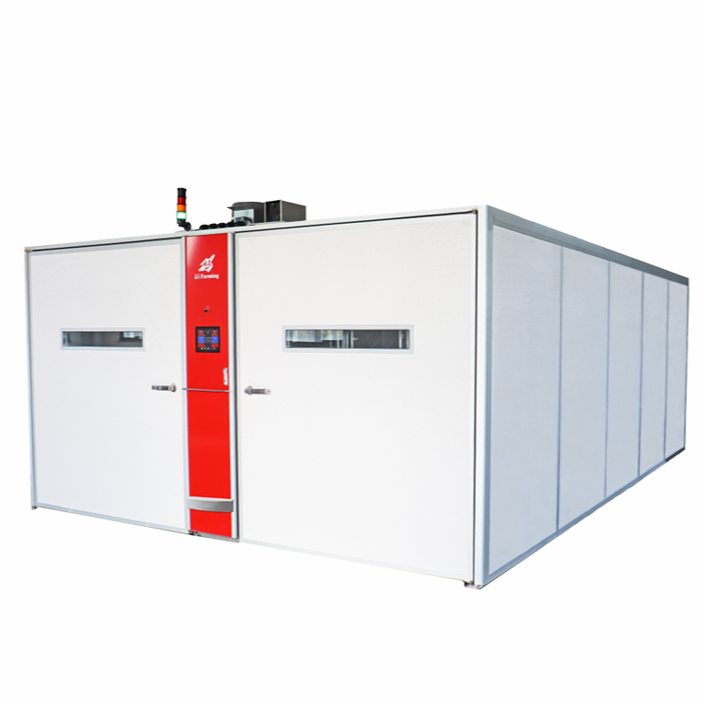
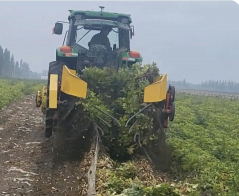
4HS-8 High-efficiency Peanut Inverted-laying Harvester
Hebei Yongfa Hongtian Agricultural Machinery Manufacturing Co., Ltd.


714CD Series C-Band Weather Radar
Chengdu Zhongdian Jinjiang Information Industry Co., Ltd.