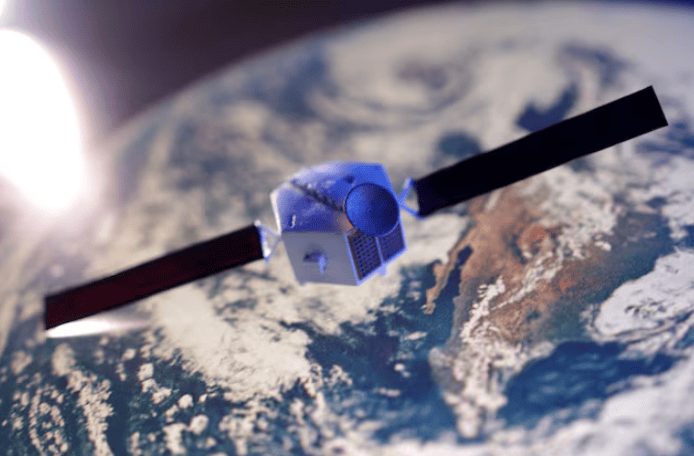
Boeing Sells Three Subsidiaries to Archer in August, Acquiring 19.75% Stake
en.Wedoany.com Reported - Archer Aviation announced earlier this August that it had acquired three Boeing autonomous flight subsidiaries—Wisk Aero, SkyGrid, and Insitu—through an all-stock transaction. As part of the deal, Archer will also build an end-to-end "physical AI" platform for the aerospace and defense sectors. Boeing will receive a 19.75% equity stake in Archer Aviation, a board seat, and warrants to purchase additional shares on demand; each warrant is valued at $100 million, with exercise prices of $13.00 and $17.38 per share. Archer will develop an AI model, and Boeing will provide it with over 2 million flight hours of flight data.
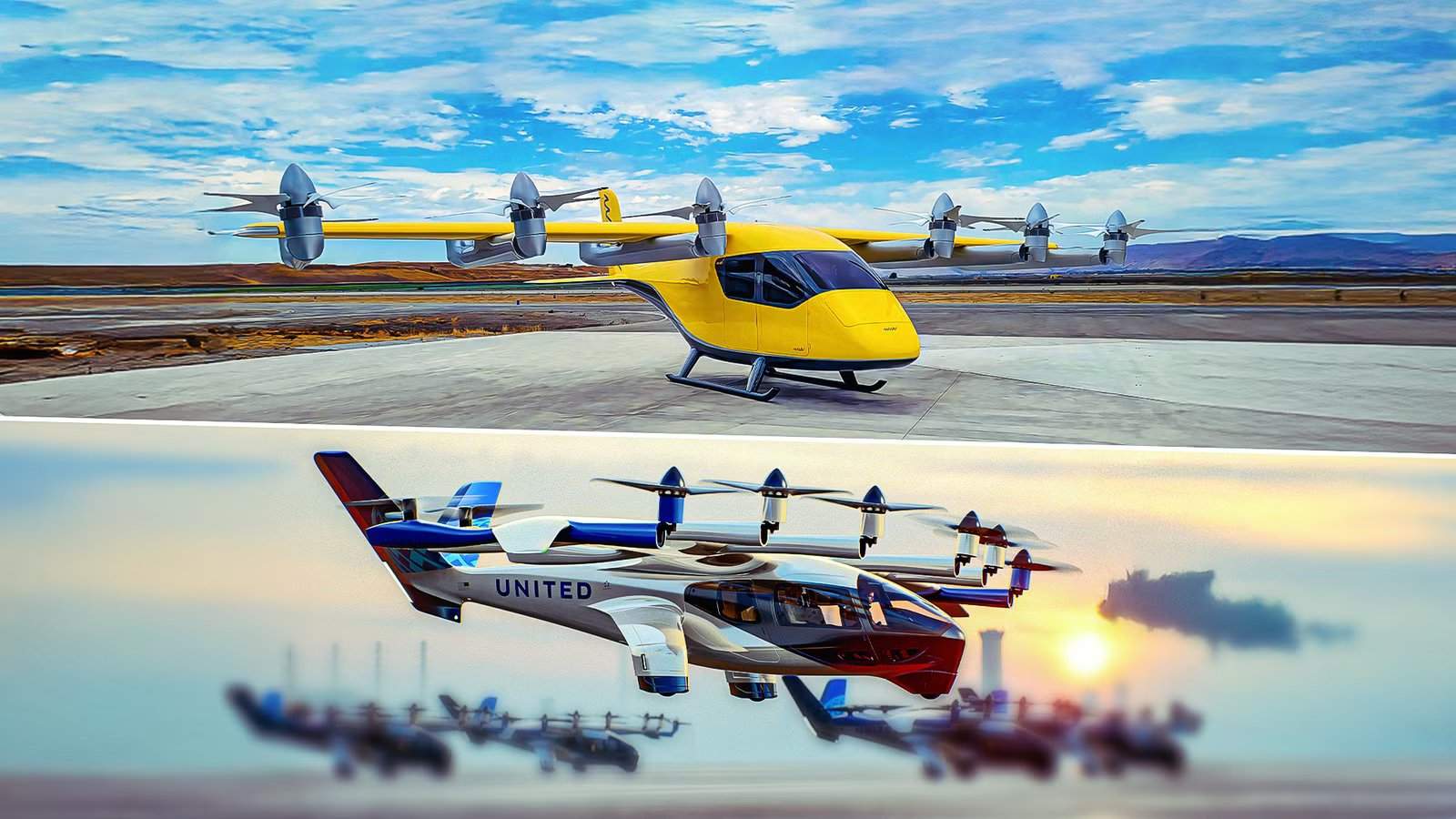
From Boeing's perspective, this deal can be seen as a significant concession, as Boeing has thereby relinquished its control in the autonomous aviation sector. The specific reasons behind Boeing's closed-door negotiations remain unknown to the public, but one possible interpretation is that Boeing is expending excessive effort on repairing its troubled Boeing 737 MAX and 777X programs, making it difficult to continue independently focusing on the future direction of aviation—autonomous flight.
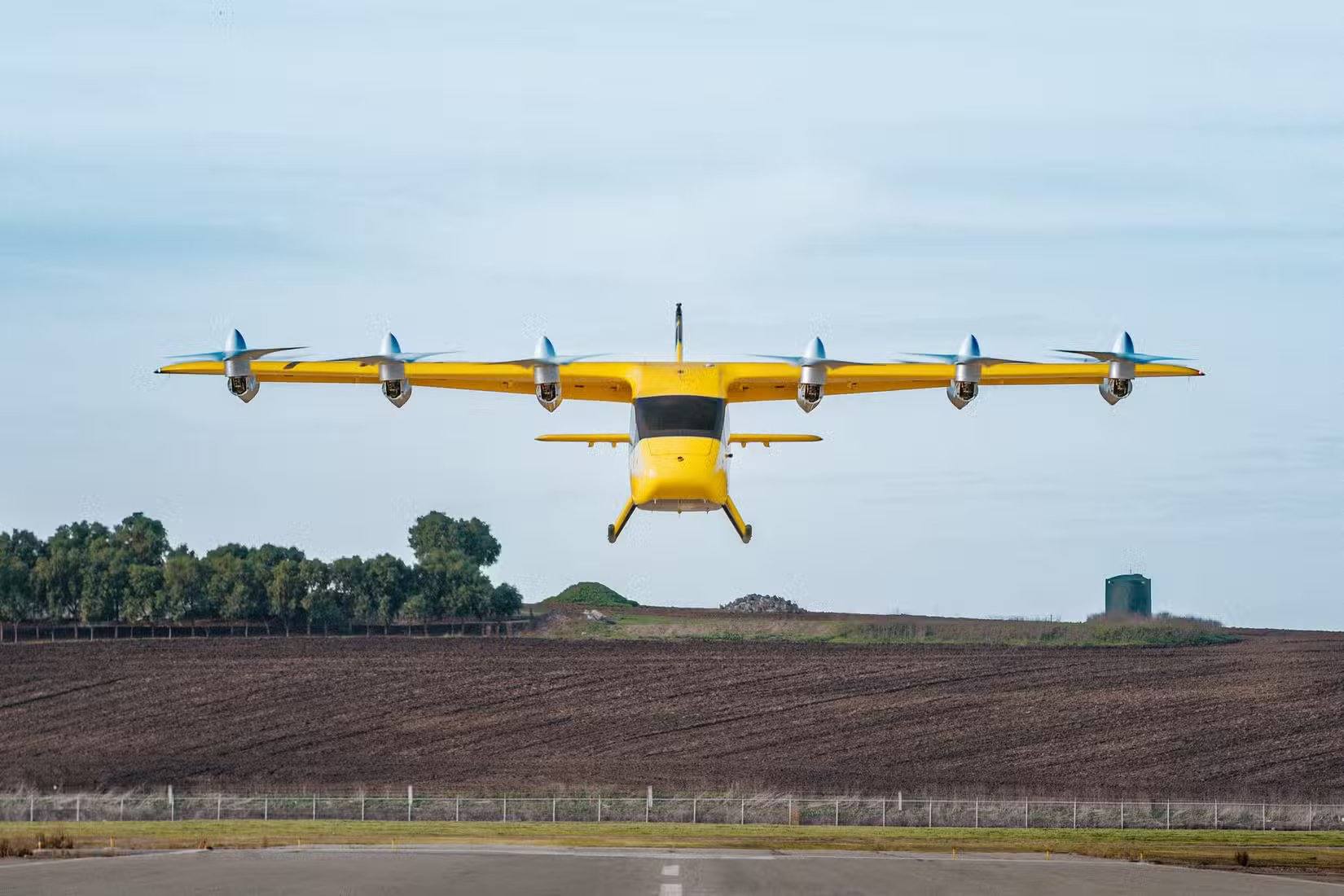
Among the three acquired companies, Wisk Aero was previously a competitor to Archer Aviation, calling itself the "world's first four-seat autonomous air taxi." The company's aircraft have a 16-year flight history, spanning six generations of eVTOL models, with over 1,750 test flights completed. While Wisk Aero is still in the exploratory stage, Insitu has proven to be a lucrative defense drone business. According to AOL, Insitu currently generates annual revenue of $200 million, manufacturing surveillance and reconnaissance drones for 35 countries, with 3,500 units produced. This revenue is critical for Archer, which posted a second-quarter loss of $263.2 million. Insitu's primary product is the RQ-21 Blackjack (also known as the Integrator), with specifications available on the Insitu product page.
The last subsidiary sold, SkyGrid, focuses on the safe integration of advanced air mobility and highly automated aircraft operations. Its positioning is to "safely integrate advanced air mobility and highly automated aircraft operations into shared airspace in a smarter way," with the goal of enabling autonomous aircraft to fly safely in environments populated by manned aircraft.
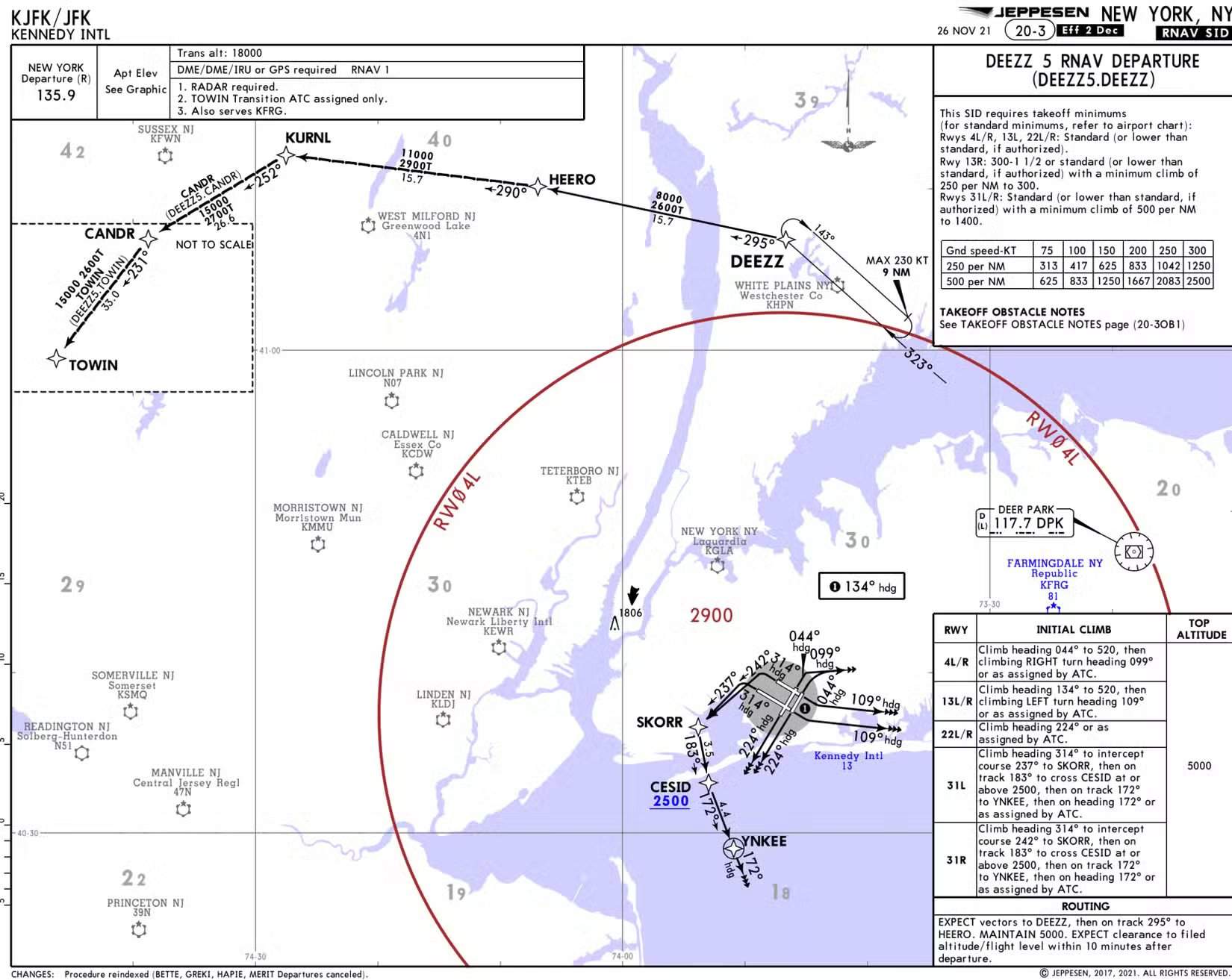
Selling these assets to Archer is part of a broader restructuring of Boeing's subsidiaries. According to Aero Time, last November, Boeing sold its digital aviation solutions business to Thoma Bravo for $10.55 billion, involving four companies: Jeppesen, ForeFlight, AerData (which develops aircraft management and tracking software), and OzRunways. Following the transaction, these four companies operate under the name Jeppesen ForeFlight, led by Brad Surak, former head of Boeing's digital aviation solutions. Surak stated: "With Jeppesen's 90 years of gold-standard data and ForeFlight's relentless spirit of exploration, this combination is building the most unified and intuitive platform in aviation. As we return to independence and partner with a leader in software private equity investment, we are able to move faster, think more broadly, and innovate more proactively."
Boeing CEO Kelly Ortberg explained the deal, saying: "This transaction is an important part of our strategy to focus on core businesses, shore up our balance sheet, and prioritize an investment-grade credit rating." Given Boeing's recent situation, its main commercial operations have suffered a series of financial and engineering setbacks, requiring urgent focus, capital raising, and restoration of investor confidence. According to MacroTrends, Boeing has posted a net profit in only one quarter since 2019, a fact that underscores the urgency.
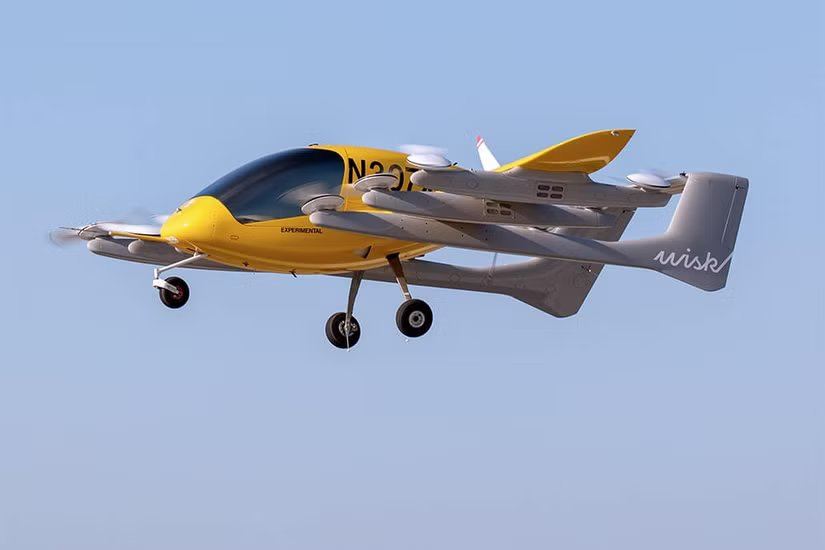
Boeing is keen to describe the sale of Wisk, Insitu, and SkyGrid as a strategic decision rather than one forced by the aforementioned reasons. Boeing's investor newsroom reported that Brian Yutko, Boeing's vice president of commercial aircraft product development, said: "This transaction is a win-win for Boeing and Archer." Yutko believes that transferring ownership to Archer Aviation will greatly accelerate the development of each company's products, bringing them to market faster. The Archer Aviation stock Boeing receives is seen as a return on Boeing's substantial investments in these companies over decades. He concluded: "We look forward to working with Archer to drive continued innovation in aerospace, defense, and autonomy."
Archer founder and CEO Adam Goldstein said: "This is a watershed moment for Archer and for the future of physical AI in aerospace and defense. This is another major step toward becoming a diversified platform, which will rapidly expand our revenue base and bring us economies of scale." In Archer's view, giving up a minority stake and one board seat is a modest price. However, Archer generated only $300,000 in revenue in 2025, which should give investors ample reason to remain cautious.
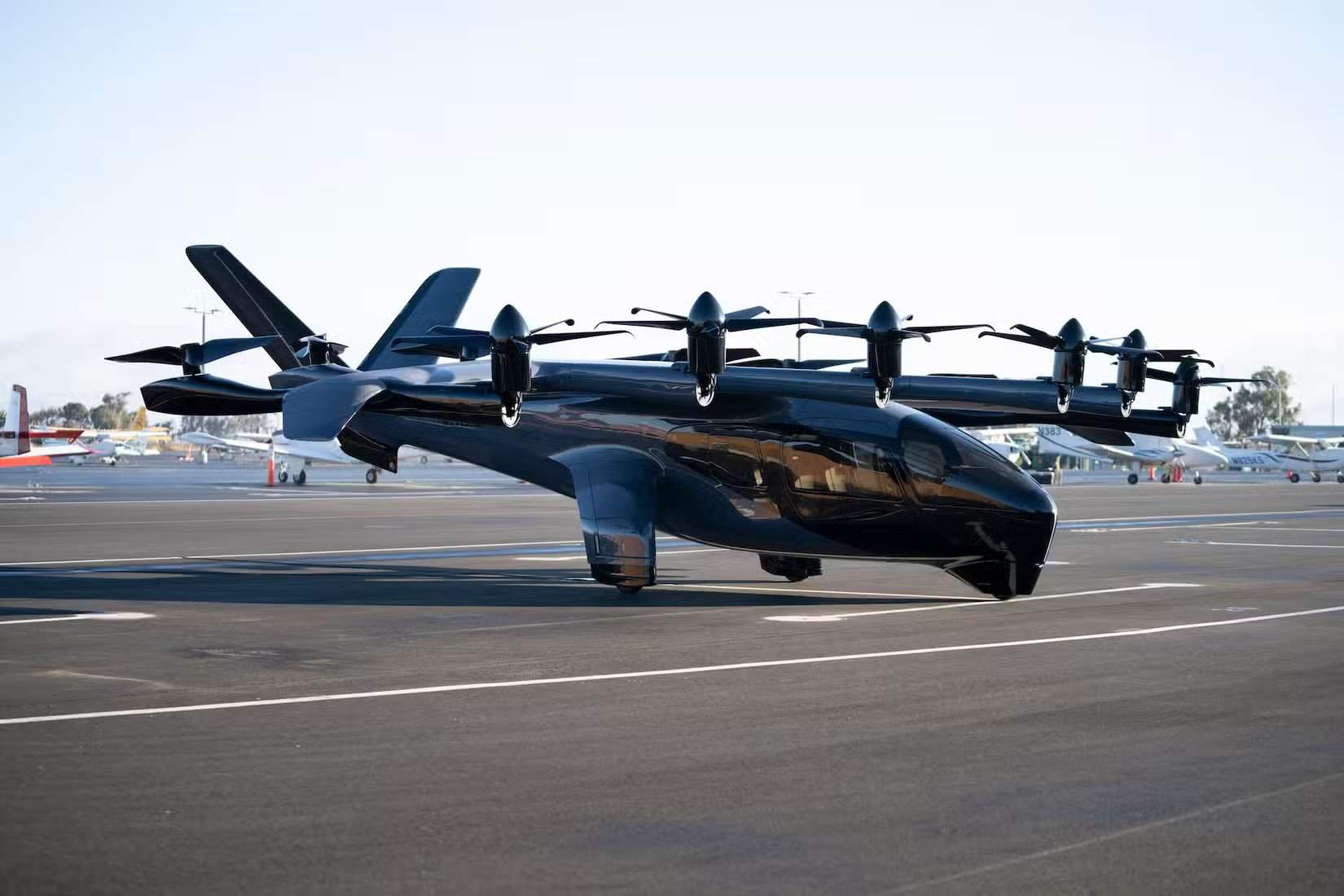
At the 2026 Farnborough Airshow, Archer Aviation Chief Technology Officer Tom Munis spoke with Sumit Singh of Simple Flying about eVTOL aircraft. This type of aircraft—small, capable of autonomous flight, and with relatively low emissions—is the core of Archer's business and key to this deal. Munis noted that Archer used the airshow to unveil its new fully electric Midnight aircraft, which is currently seeking FAA approval. The aircraft has been undergoing flight testing since 2023, and the program is progressing toward type certification and market entry. "Everything about Midnight is optimized for relatively short-distance passenger transport, with a range of approximately 62 miles (100 kilometers), delivering very safe travel at low fares." Munis also introduced the Halo, a civilian version of the platform designed for defense needs, tailored for commercial logistics, cargo, and emergency rescue. It can carry large-volume, heavy cargo, with a longer range and much higher speed than Midnight, and uses a hybrid rather than fully electric powertrain due to higher physical demands.
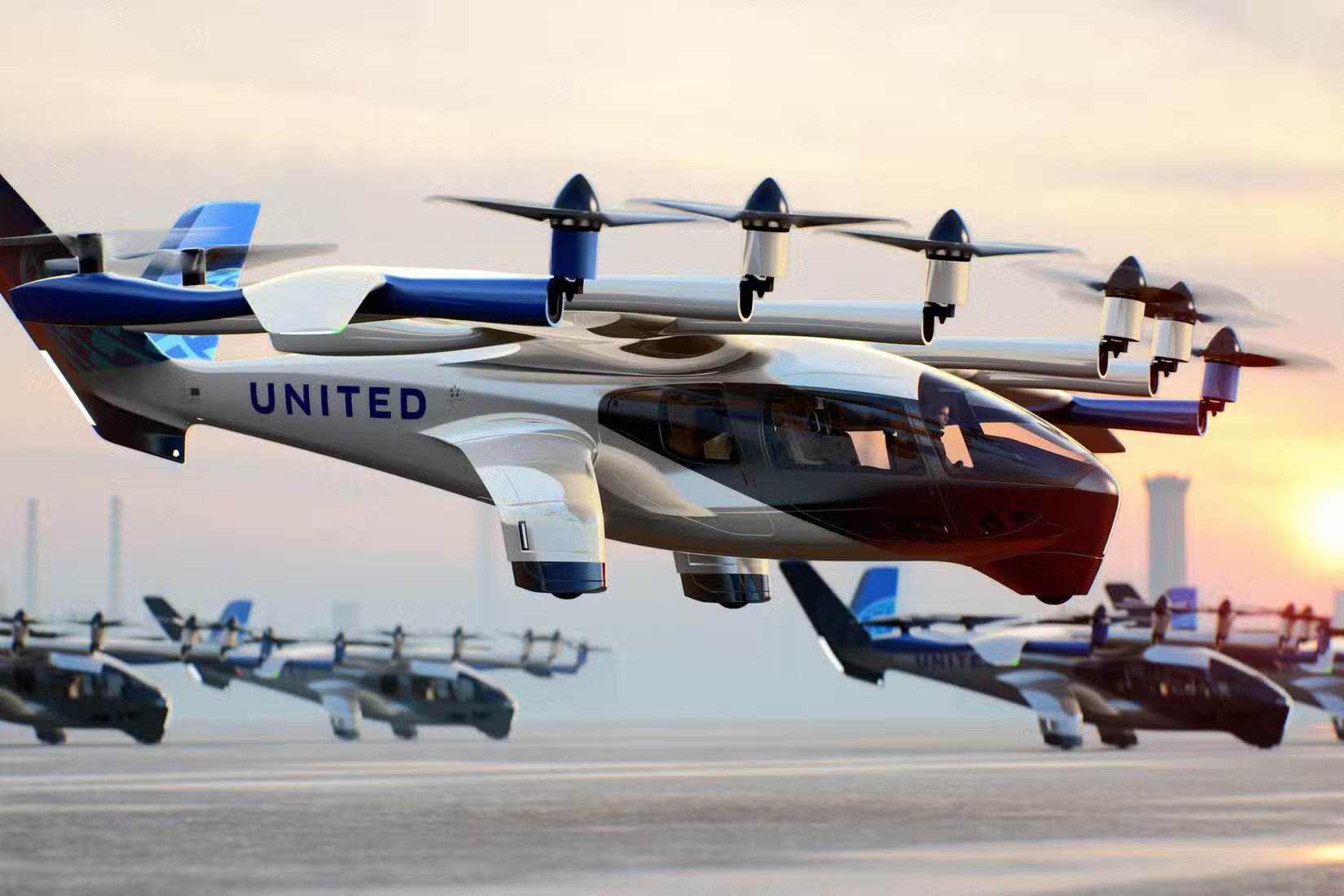
The relationship between Wisk and Archer has not always been smooth. In April 2021, Wisk sued Archer for "blatantly stealing" intellectual property, with the lawsuit involving Archer's first aircraft, which Wisk believed was too similar to one of its patented aircraft. Wisk also alleged that one of the ten former Wisk engineers hired by Archer had secretly downloaded thousands of files, and believed these Wisk-owned files contributed to Archer's design. According to Tech Crunch, Wisk stated at the time: "The similarity of the overall aircraft design further indicates that Archer used additional detailed design features, including those related to aircraft propulsion, power management, avionics, flight control, and manufacturing methods." Archer subsequently filed a countersuit seeking $1 billion in damages. According to Tech Crunch, the two companies ultimately resolved their differences in an unusual way: Archer allowed Wisk to become the exclusive supplier of its autonomous technology, and Wisk received options to purchase over 13 million shares of Archer common stock at $0.01 per share. This outcome made Boeing's current transaction possible.
Related Products

ERW Welded Pipe (Black Pipe and Hot-dip Galvanized Steel Pipe)
Handan Zhengda Steel Pipe Co., Ltd.

Pantograph-Catenary Comprehensive Detection Device (1C)
CHENGDU TANGYUAN ELECTRIC CO., LTD.

Industrial and Commercial Point-Type Gas Detector
Jinan Benan Technology Development Co., Ltd.
3m intelligent buoy combining navigation safety and real-time marine monitoring integrated navigation and marine monitoring system for real-time maritime data
Chengdu Dixin Technology Co., Ltd.