Qatar University Team Optimizes Semi-Transparent Photovoltaic Greenhouse Design, Boosting Energy Output by 20.1%
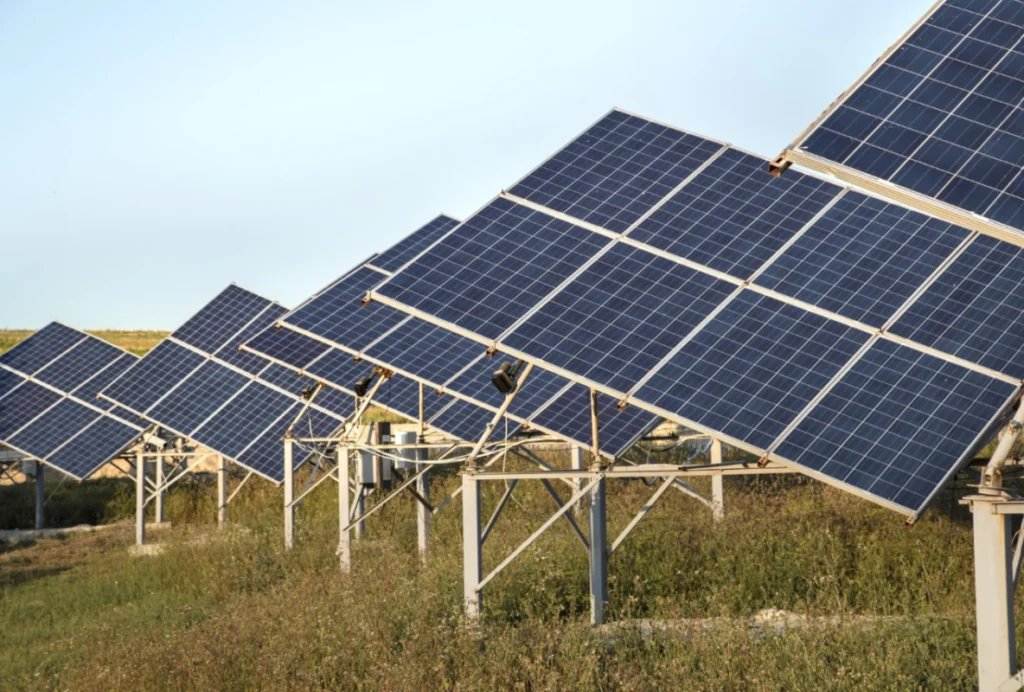
en.Wedoany.com Reported - A research team led by scientists from Qatar University, with participation from BRAC University in Bangladesh and Shanghai Maritime University in China, has proposed a novel geometric configuration for semi-transparent photovoltaic (STPV) greenhouses. The new configuration achieves higher power generation while maintaining the same total greenhouse footprint and photovoltaic coverage area.
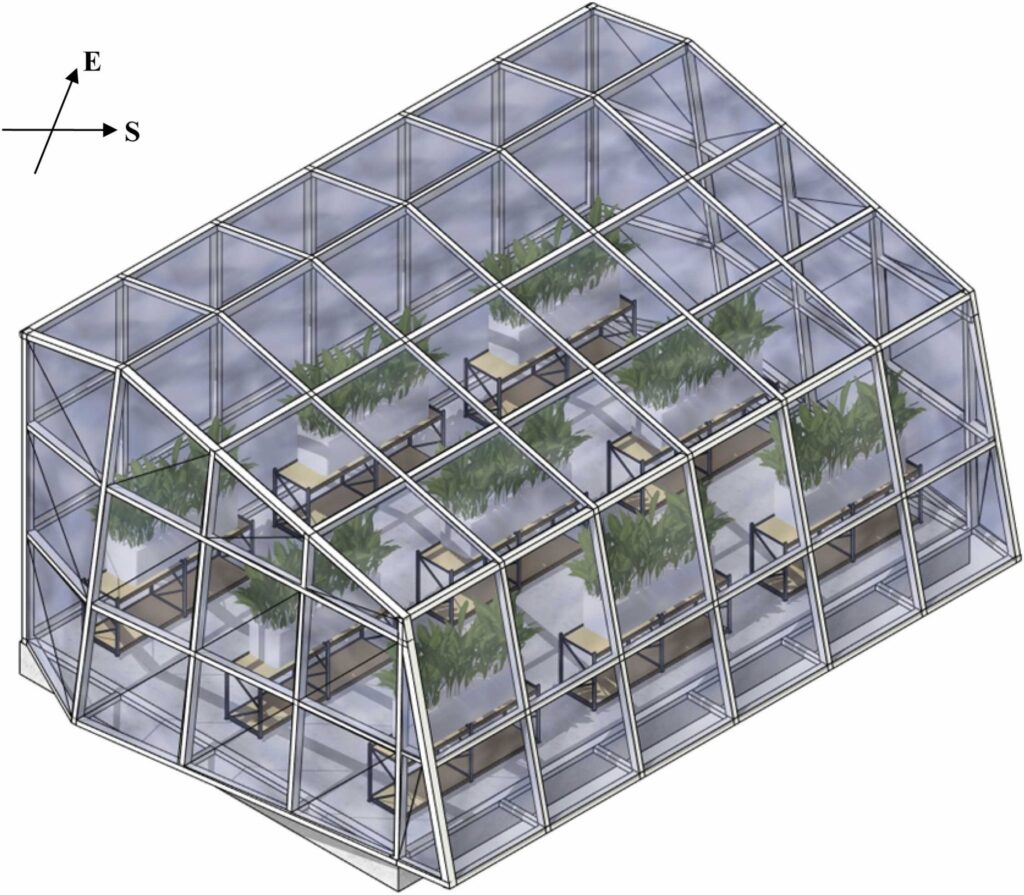
The design approach concentrates a larger proportion of STPV surfaces on the south-facing roof and vertical walls, tailored to match Qatar's local climatic conditions. The study established four common greenhouse configurations—even-span, uneven-span, vinery, and modified-arch—as benchmarks, all modeled with identical 280 W p-type bifacial double-glass semi-transparent photovoltaic modules. Each greenhouse occupies a footprint of 24 m², with an effective installed STPV area of 71 m².
The researchers first conducted baseline evaluations of the four traditional configurations using fixed geometric parameters and compared them with the initial form of the new configuration; subsequently, they introduced an improved mean-variance mapping optimization (IMVMO) algorithm to optimize the new configuration. This algorithm, a metaheuristic optimization method, uses greenhouse length, width, maximum height, and roof and wall inclination angles as adjustable parameters, with the objective of maximizing annual power generation. Compared with the mean-variance mapping optimization (MVMO) algorithm, IMVMO incorporates mechanisms to avoid premature convergence and entrapment in local optima, thereby enhancing robustness in solving complex optimization problems.
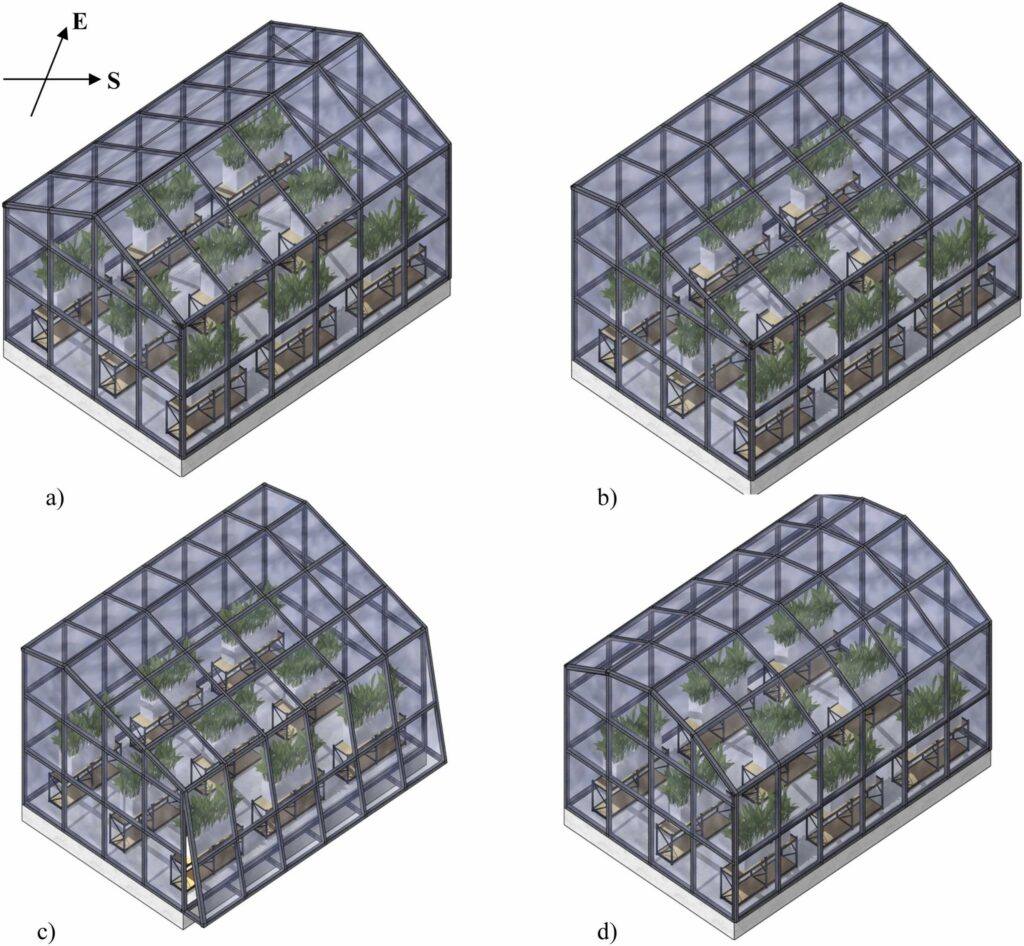
In terms of power generation comparison, the new configuration outperforms all four traditional configurations with identical specifications under the same constraints of footprint and STPV area: the energy gain relative to the vinery configuration is 56.86%, relative to the even-span and modified-arch configurations is 25.14% and 24.60%, respectively, and relative to the uneven-span configuration is 6.03%. Regarding the composition of power generation, the vertical walls of the new configuration contribute 7,518.3 kWh, while the roof section contributes 5,493.5 kWh. Before parameter optimization, the greenhouse was set with a length of 6 meters, width of 4 meters, maximum height of 3 meters, and roof inclination angle of 50 degrees; after IMVMO optimization, the geometric dimensions were adjusted to 4 m × 6 m, with a maximum height of 2.5 meters and a roof inclination angle of 26 degrees, resulting in a 20.1% increase in annual power generation compared with the pre-optimization state.
In the conclusion of the paper, the research team noted that this optimization approach demonstrates the significant role of strategic parameter selection in energy-efficient greenhouse design, and the findings provide practically valuable references for integrating renewable energy solutions into modern agriculture. The related paper, titled "Optimizing semi-transparent PV-integrated greenhouse: A novel design for enhanced solar energy harvesting," was published in Energy Reports.
Related Products

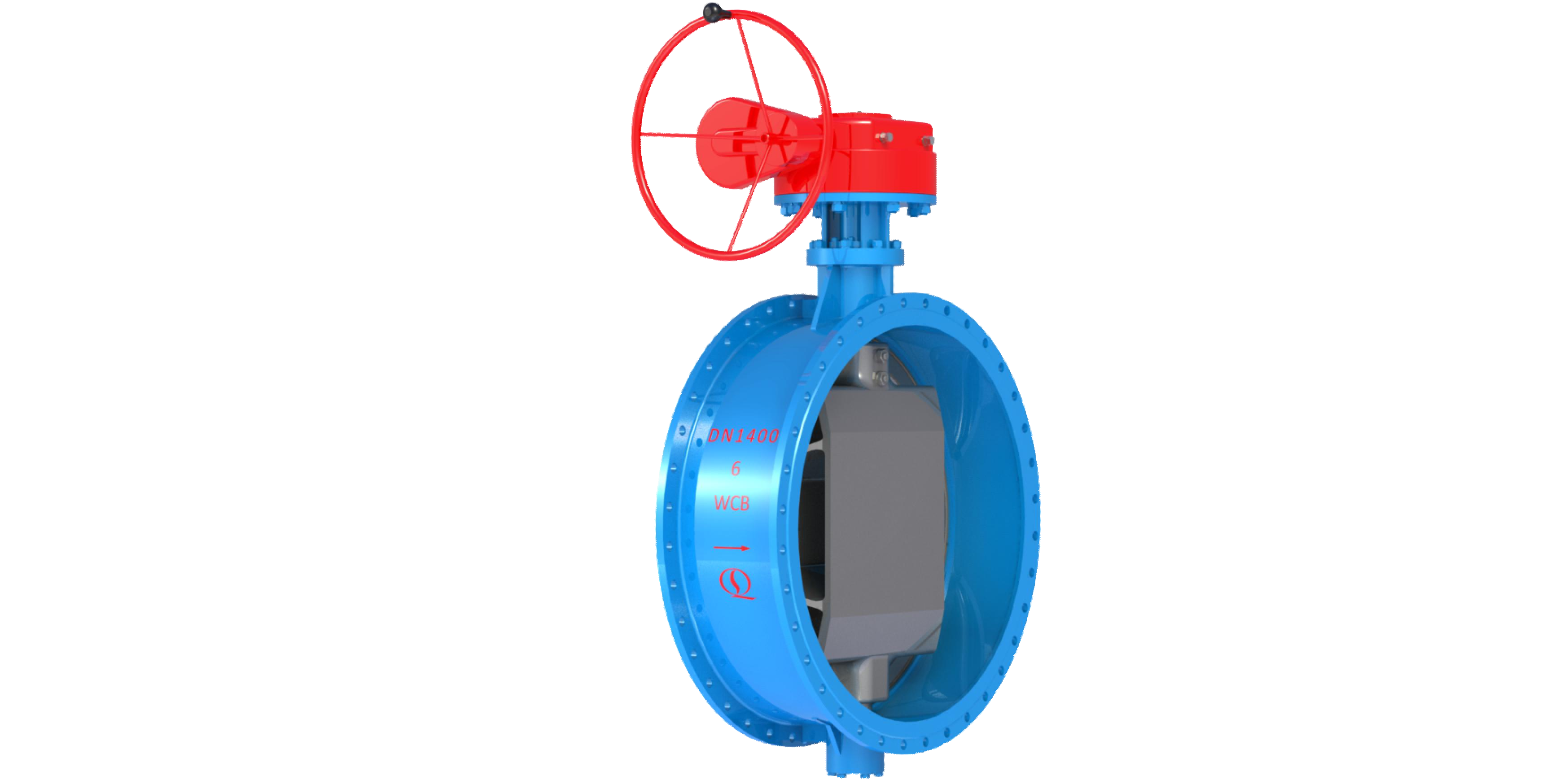
Bidirectional Metal Hard Sealed Seawater Butterfly Valve
Henan Quanshun Flow Control Science & Technology Co., Ltd.
0.66kV Power Supply Instrument Transformer
Guangdong Sihui Instrument Transformer Works Co., Ltd.
Microcomputer Protection and Substation Automation
Beijing Agent Devote Power Technology Development Co., Ltd.
Perfluorinated Ionic Membrane-CM-10N Series Membrane
Guizhou Juneng Century Technology Co., Ltd
CAP1400 main feedwater flow nozzle flowmeter.
Jiangsu Hongda Instrument Technology Co., LTD.